
Formula for a Murder 1985

Directed by

Alberto De Martino
Made by

Fulvia Film
Formula for a Murder Plot Summary
Read the complete plot summary and ending explained for Formula for a Murder (1985). From turning points to emotional moments, uncover what really happened and why it matters.
A handsome teacher named Craig marries a wealthy, wheelchair-using woman named Joanna who is haunted by PTSD and tormented by a deeply traumatic past. As a child, she was raped by a psychotic priest and thrown down a flight of stairs, the memory intensified by the priest’s chilling use of a doll to lure her to the scene.
Her attractive female caretaker Ruth harbors a lesbian attraction to her and tries to intervene in the marriage, adding a complicated layer of tension as loyalties blur and protection instincts kick in.
Behind the scenes, the husband’s motives come into question. The marriage appears to be more about money than love, and he is depicted as someone who would stop at nothing to keep Joanna from donating half of her wealth to a church project her late father pledged to while on his deathbed.
One by one, priests start turning up dead, casting a pall of fear over Joanna and everyone around her. The murders begin with a brutal crime in a confession booth, and another priest is found dead after a violent blow to the head, escalating the sense of danger and mistrust. The bodies begin to accumulate as a hidden plot unfolds, and the tension grows with each new discovery.
Joanna’s doctor warns her that her heart is not strong and cautions that she should avoid becoming overly agitated or aroused during intimate moments, underscoring how fragile her condition is and how easily fear can destabilize her. The medical concern adds a clinical layer to the psychological horror, keeping the focus on a vulnerable woman who is already carrying an immense burden.
As the nightmare intensifies, Joanna experiences vivid hallucinations of a leering priest, always seen clutching a bloody doll. The specter seems to haunt her thoughts and bleed into her reality, suggesting that the past is not behind her but echoing into the present in alarming ways. The line between memory and menace becomes dangerously thin, and what she once trusted begins to crumble.
The film blends claustrophobic atmosphere with a slow-burn sense of dread, using the tension between trauma, desire, faith, and greed to drive the story forward. The eerie quiet, the clinical warnings, and the creeping fear all work together to paint a portrait of a woman whose trauma fractures the present as it bleeds into every decision she makes.
As the conflict between past trauma and present danger escalates, Joanna is forced to confront not only the horrors that haunted her childhood but the more immediate threats that loom over her life now. The mystery deepens, loyalties are tested, and the danger surrounding the couple becomes personal, leaving viewers with a chilling reminder that the past can resurface in the most unsettling ways when money, power, and faith collide.
Formula for a Murder Timeline
Follow the complete movie timeline of Formula for a Murder (1985) with every major event in chronological order. Great for understanding complex plots and story progression.
Craig marries Joanna
A handsome teacher named Craig marries Joanna, a wealthy woman who uses a wheelchair and carries PTSD from a traumatic past. Their marriage appears practical, but the relationship is shadowed by Joanna's history and the financial entanglements surrounding her. The couple begins their life together under the weight of unresolved tensions.
Ruth's interference
Ruth, Joanna's caretaker, develops a lesbian attraction to Joanna and tries to stop the marriage. She believes Joanna deserves a different path and acts to prevent the union. Her interference adds emotional tension and complicates the dynamic around Joanna.
Motive for the marriage revealed
Joanna's husband appears to have married her at least in part to steal her money. He opposes Joanna's plan to donate half of her wealth to a church project tied to her late father. His scheming injects financial pressure into the marriage and the family drama.
Joanna's childhood trauma revealed
As a child, Joanna was raped by a psychotic priest and thrown down a flight of stairs. The priest used a doll to lure her to the crime scene, leaving deep psychological scars. These memories explain her PTSD and help the audience understand her reactions to stress and danger.
Donor conflict from the father
Joanna's deceased father arranged that she donate half of her wealth to a church project before his deathbed. The decision becomes a point of conflict as Craig resists the donation and tries to control Joanna's wealth. The clash over the inheritance and charitable commitment foreshadows the coming turmoil.
First priest is murdered
One priest is found slain, his throat cut while he sits in a confession booth. The brutal method sets a chilling tone for the string of crimes to come. The scene raises questions about who is targeting the clergy and why.
Second priest killed
Another priest is murdered when his head is bashed in with a heavy blunt object. The second killing mirrors the brutality of the first and heightens the sense of danger. The killings intensify the mystery surrounding the case.
Medical warning
Joanna's doctor warns her that she has a bad heart and cautions against becoming overly agitated or aroused during sex. The warning highlights the fragility of her physical health amid psychological stress. It foreshadows potential consequences if her emotions spiral.
Hallucinations begin
Joanna begins to experience hallucinations of a leering priest holding a bloody doll. The visions blur the line between memory and present danger and feed her paranoia. These episodes deepen the sense that her traumatic past is intimately connected to the murders.
Escalating killings
Priests continue to die one by one, widening the scope of the murder plot beyond Joanna's personal trauma. The pattern creates mounting urgency for investigators and those close to her. The mystery deepens as each new death raises more questions than answers.
Ruth's emotional tension
Ruth's attraction and protective instincts collide with the growing danger, adding tension as she navigates loyalty to Joanna and her own feelings. Her involvement becomes a factor in the unfolding crisis, shaping alliances and decisions. The relationships among Joanna, Ruth, and Craig grow increasingly complicated.
Climax and unresolved threat
The murder plot drives toward a turning point, with intense pressure and uncertainty surrounding Joanna. The story does not reveal how the crisis resolves, keeping the outcome in suspense. Tension remains high as clues emerge and suspects are considered.
Formula for a Murder Characters
Explore all characters from Formula for a Murder (1985). Get detailed profiles with their roles, arcs, and key relationships explained.
Joanna (Christina Nagy)
Joanna is a wealthy woman confined to a wheelchair, tormented by PTSD from a childhood assault by a priest. Her vivid hallucinations feature a leering priest holding a bloody doll, blurring the line between trauma and reality. Her wealth and vulnerability make her a focal point of suspicion and danger as the murder plot unfolds around her.
Craig (David Warbeck)
Craig is a handsome teacher who marries Joanna, seemingly for her money. He is described as trying to stop her from donating half of her wealth to a church project tied to her late father. His scheming and ulterior motives create tension as priests begin to be murdered amidst the couple's troubled dynamic.
Ruth (Carroll Blumenberg)
Ruth is Joanna's attractive female caretaker who harbors a lesbian attraction to Joanna. She attempts to stop the marriage, adding a layer of jealousy and complexity to the relationship dynamic. Her presence adds tension as the murder spree encroaches on the couple's life.
Dr. Sernich (Rossano Brazzi)
Dr. Sernich is Joanna's physician who warns her about her heart condition and cautions against agitation or excessive arousal. He represents a rational, medical viewpoint amid mounting psychological horror, grounding the plot in a sense of clinical reality.
Father Davis (Loris Loddi)
Father Davis is a parish priest within the church milieu who becomes entwined in the unfolding murder mystery. He embodies religious authority and the peril that lurks within a sacred space as the danger surrounding the clergy escalates.
Father Peter (Andrea Bosic)
Father Peter is another priest in Joanna's church world, contributing to the atmosphere of religious ritual and community. His presence helps frame the murder spree within a spiritual setting and raises questions about moral accountability within the clergy.
Formula for a Murder Settings
Learn where and when Formula for a Murder (1985) takes place. Explore the film’s settings, era, and how they shape the narrative.
Location
Church, Joanna's private estate, Ferry
The story centers around a church setting where confessions and religious rituals occur, juxtaposed with the luxurious private residence of Joanna. This contrast highlights the tension between sacred space and wealth as the plot unfolds. A ferry scene hints at movement around a coastal town, adding a traveling backdrop to the unfolding drama.
Formula for a Murder Themes
Discover the main themes in Formula for a Murder (1985). Analyze the deeper meanings, emotional layers, and social commentary behind the film.
🕯️
Trauma
Trauma and memories from past abuse drive the emotional core of the story. Joanna's PTSD manifests as persistent fear, paranoia, and vivid hallucinations of a priest with a bloody doll. The film uses flashbacks and hallucinatory sequences to explore how past abuse shapes present actions and relationships.
💰
Greed
Wealth and financial manipulation loom over intimate relationships. Craig's marriage to Joanna appears to hinge on her fortune, and his efforts to resist or redirect her donations to a church project reveal how money can corrupt trust. The murder mystery intensifies as monetary motives intersect with religious and personal power.
⛪
Religion
Religious space functions as both sanctuary and danger. The deaths of priests in confessional and church contexts expose a clash between faith, ritual, and violence. The plot uses ecclesiastical imagery to heighten psychological tension and question moral authority.

Coming soon on iOS and Android
The Plot Explained Mobile App
From blockbusters to hidden gems — dive into movie stories anytime, anywhere. Save your favorites, discover plots faster, and never miss a twist again.
Sign up to be the first to know when we launch. Your email stays private — always.
Explore the mobile appFormula for a Murder Spoiler-Free Summary
Discover the spoiler-free summary of Formula for a Murder (1985). Get a concise overview without any spoilers.
In a dimly lit world where wealth and faith intersect with fragile health, Craig courts a life of opulent comfort through an uneasy marriage to Joanna, a wealthy woman bound to a wheelchair and haunted by a childhood trauma that still whispers in the shadows of her mind. Her past, a brutal abuse at the hands of a psychotic priest, is kept alive by lingering nightmares of a blood‑stained doll and a relentless, leering figure that blurs the line between memory and menace. The couple’s new home, though lavish, feels suffocatingly close‑quartered, amplifying the sense that every polished surface could hide a deeper scar.
Outside the marriage, Ruth—Joanna’s devoted caretaker—navigates her own tangled feelings, hinting at a protective, almost possessive affection that adds another layer of tension to an already volatile dynamic. Her presence underscores the stark contrast between physical care and emotional entanglement, while also raising questions about loyalty and the boundaries of desire.
Underlying the domestic tableau is a clinical warning from Joanna’s physician: her heart cannot endure excessive strain, a precaution that casts ordinary moments—intimacy, fear, even a sudden gasp—into potential peril. This medical fragility injects a cold, methodical chill into the psychological horror, reminding the audience that the protagonist’s body, as much as her mind, is a ticking clock.
The film moves with a slow‑burn, claustrophobic rhythm, letting dread seep in through quiet corridors and hushed conversations. It weaves together themes of trauma, greed, and the lingering power of faith, inviting viewers to wonder how far a person will go when love, money, and the specters of the past converge in a single, unsettling household.
Movies with Similar Twists and Themes
Uncover films that echo the narrative beats, emotional arcs, or dramatic twists of the one you're exploring. These recommendations are handpicked based on story depth, thematic resonance, and spoiler-worthy moments — perfect for fans who crave more of the same intrigue.
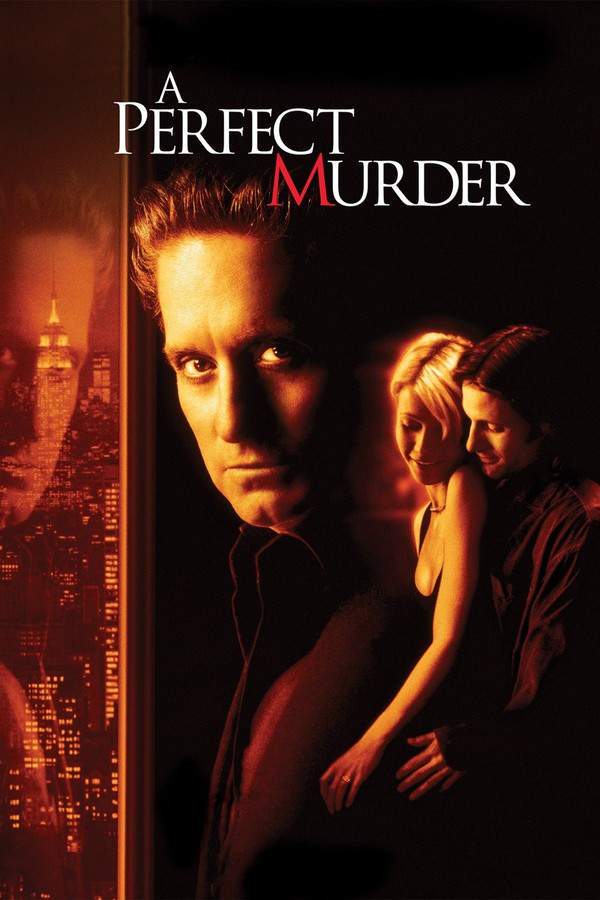

Featured on this page

What's After the Movie?
Not sure whether to stay after the credits? Find out!
Check out our other apps:

SAT Sphere
Build confidence for the Digital SAT.

Mori Atlas
Discover wild places worth protecting.

Luntero
Search smarter for a home in Amsterdam.

Plot Explained
Unravel movie endings and hidden clues.

Pokechamp
Dive into Pokémon data and battle logic.

Driving Theory
Get ready for your European theory test.

Movie Dust
Plan your next cinema trip with ease.

Musemap
Find art and culture as you travel.

Selkobase
Compare credentials before committing.

Local Manual
Turn an unfamiliar country into practical next steps.

Lernavi
Compare school systems before your next move.

GymRoam
Find a workout stop wherever your plans take you.
Explore Our Movie Platform
New Movie Releases (2026)
Famous Movie Actors
Top Film Production Studios
Movie Plot Summaries & Endings
Major Movie Awards & Winners
Best Concert Films & Music Documentaries
Movie Collections and Curated Lists
© 2026 What's After the Movie. All rights reserved.
Privacy Policy