

What Is Five Star Final About?
The premise of Five Star Final in 285 words, with nothing given away. The full story follows below.
In the relentless bustle of 1930s New York, a once‑respectable evening paper battles a rapid decline in readership, forcing its owner to gamble on scandalous headlines. Joseph W. Randall serves as the managing editor, a man who has spent years trying to steer the Gazette toward responsible journalism, only to watch circulation crumble. Opposite him sits the merciless proprietor Bernard Hinchecliffe, whose vision of a dramatic comeback hinges on reviving a twenty‑year‑old murder case that still lingers in the city’s collective memory.
The story at the heart of the proposed series centers on Nancy Voorhees, a woman whose past entanglement with the law has never truly faded from public consciousness. Now married to Michael Townsend and mother to their teenage daughter Jenny Townsend, the family lives beneath a veneer of respectability while their lives remain vulnerable to the prying eyes of a press hungry for scandal. Their daughter’s forthcoming marriage to Philip Weeks, scion of a prominent family, promises to intertwine the fates of both households with the looming specter of renewed media scrutiny.
Within the newsroom, a cadre of ambitious reporters and editors wrestles with the ethical fallout of the planned exposé. Ziggie Feinstein and Kitty Carmody are dispatched to chase every tantalizing lead, while a charismatic fraudster posing as Reverend T. Vernon Isopod slips into the household under the pretense of spiritual counsel, further muddying the waters. Meanwhile, Miss Taylor, Randall’s longtime secretary, becomes an unexpected conscience, questioning the cost of turning tragedy into a headline. The atmosphere crackles with a mix of cynical ambition and lingering idealism, setting the stage for a tense clash between the relentless pursuit of circulation and the fragile dignity of those whose lives risk being laid bare.
What Happens in Five Star Final?
The complete story of Five Star Final, from the first scene to the last, in 763 words (about 3 minutes). Spoilers throughout. Names in the text link to 3 cast member pages.
Spoilers ahead
In this tense social thriller, Joseph W. Randall, Edward G. Robinson, is the managing editor of the New York Evening Gazette. He has spent years trying to legitimize the paper by dialing back sensationalism and foregrounding responsible reporting, yet the paper’s circulation has fallen sharp and cold. When owner Bernard Hinchecliffe contemplates a dramatic comeback—a retrospective on a 20-year-old murder to rekindle interest—Randall reluctantly agrees to pursue the scandal. The case centers on Nancy Voorhees, a stenographer who shot her boss after he reneged on a promise to marry her. The verdict had been softened by the jury’s sympathy for her pregnancy, and Nancy was acquitted, a twist of fate that still haunts the city’s memory.
Nancy Voorhees, now married to Michael Townsend, lives under the calm surface of respectable society with their daughter Jenny Townsend, who believes Townsend is her father and is poised to marry Philip Weeks, a scion of a socially prominent family. The plan to reopen the old wound is meant to boost sales, but Randall’s appetite for dirt is uncomfortably matched by the town’s long memories and private fears. To dig up fresh dirt, he assigns the unscrupulous reporter George E. Stone as Ziggie Feinstein to work alongside Ona Munson as Kitty Carmody, a pair who will stop at nothing to harvest a sensational headline. The mission hinges on a figure who can pretend spiritual absolution while quietly pulling strings—Reverend T. Vernon Isopod, a con man masquerading as a minister, skillfully wheedling the confidence of the bride’s anxious parents.
Isopod’s ploy is cunning: he gains access to the Townsend home, and the family unwittingly hands him a photo of Jenny. The moment Michael learns of the ruse, he phones the church in a scramble to avert disaster. Randall’s secretary, Miss Taylor, disillusioned by the entire affair, spends a tense night at a speakeasy and then bluntly tells her boss what she thinks. In short order, Isopod appears in the newsroom, drunk but full of information, and Randall seizes the opportunity to stage a dramatic, five-star photo layout that could revitalize the newspaper’s fortunes.
What follows is a cascade of converging crises. Randall sends Ziggie Feinstein and Kitty Carmody to document the Townsend apartment, while the Townsends make a desperate bid to keep the wedding from collapsing. Michael, torn between protecting his wife’s memory and facing the relentless glare of the press, tries to manage a family crisis that is rapidly becoming a public spectacle. Nancy, overwhelmed by renewed scrutiny, pleads with Randall to drop the story, but he resists. The tragedy accelerates when Nancy kills herself with poison, and Michael returns home to find her body. In a cruel twist of calculation, he pretends to be deep in a phone conversation with Nancy to spare Jenny and Phillip the truth, then, unable to bear the weight of the events, he too takes his own life in the bathroom.
Carmody and Ziggie manage to capture the aftermath on film, and they relay the footage to Randall, who sees a sensational finale taking shape. The next day, Phillip’s parents pull Jenny aside to cancel the wedding, and Phillip himself arrives to stand up for his commitment. Randall, by now teetering on the edge of ruin, drinks himself into a sorrowful numbness and orders the night desk to drop the story, hoping to salvage what remains of his conscience.
Hinchecliffe’s fear of scandal clashes with the newsroom’s appetite for numbers. His underlings crave the dramatic gains, even as Jenny confronts the people who killed her mother—“crimes” committed in the name of circulation. Randall, confronted with the truth, confesses that the newspaper’s sensationalist drive fed the murders by turning them into headlines. Jenny points a gun at the editor, and Phillip arrives just in time to forego a tragedy, delivering a blistering rebuke that lands like a bolt: he proclaims that they have grown rich on filth and that someone must crush this machine of noise. He threatens to hunt them down if her mother’s name is ever dragged through the paper again.
In the tense aftermath, Randall renounces Hinchecliffe and resigns, leaving behind a legacy of guilt and a city half convinced that truth and profit share a fragile, dangerous balance. Miss Taylor, equally shaken, follows him as the chapter closes on a world where a newspaper’s power can topple lives and rewrite souls. The final image lingers on a single sheet of newsprint—a copy of the New York Evening Gazette proclaiming that the suicide victims have been buried—swept away by rain, a quiet echo of the cost of chasing circulation.
Five Star Final Timeline: Every Key Event in Order
14 key events in the order they happen, from “Randall's Editorial Mission” to “Final Headline”. 13 events name a place, across 8 locations.
- 1
Randall's Editorial Mission
Joseph W. Randall, the managing editor, is trying to legitimize the Gazette by reducing sensationalism and improving reporting. Owner Bernard Hinchecliffe plans a retrospective series on a 20-year-old murder to revive the scandal and boost sales. Randall reluctantly agrees to pursue the revived case as the centerpiece of the paper's revival.
Where:New York Evening Gazette newsroom
- 2
The Old Case Reopened
Hinchecliffe's plan to mine the Nancy Voorhees murder for a fresh readership prompts Randall to commit to the project. The revived investigation is framed as a legitimate feature rather than a simple sensational piece. Randall's reluctance gives way to a sense of duty to the newsroom and its finances.
Where:New York Evening Gazette newsroom
- 3
The Original Trial
Twenty years earlier, Nancy Voorhees, a stenographer, shot her boss after he reneged on his promise to marry her. Her unexpected pregnancy swayed the jury and led to her acquittal. The backstory of the murder remains a haunting motive for the present investigation.
When:twenty years ago Where:courtroom
- 4
Townsend Family and Jenny
In the present, Nancy is married to Michael Townsend and their daughter Jenny believes Townsend is her father. Jenny is poised to marry Philip Weeks, the son of a socially prominent family, which raises the stakes for the scandal. The family is hoping to shield themselves from renewed exposure.
When:present day Where:Townsend residence
- 5
Isopod Infiltrates
Randall assigns Reverend T. Vernon Isopod to dig up dirt on Nancy. Isopod masquerades as a minister and wins the confidence of the bride's parents, who mistakenly treat him as a church representative. They provide him with a photo of Jenny, escalating the potential for manipulation.
When:eve of the wedding Where:Townsend residence
- 6
Miss Taylor's Speakeasy Revelation
Randall's secretary Miss Taylor becomes disgusted with the affair and gets drunk at a local speakeasy. She bluntly shares her thoughts with Randall, revealing how far the newsroom has strayed in the pursuit of headlines. Her outburst foreshadows the ethical cracks behind the investigation.
Where:local speakeasy
- 7
Isopod Delivers Information
Isopod arrives late, drunk and brimming with information, feeding Randall fresh angles for the story. Randall creates a new photo-heavy layout that sensationalizes the revival. The newsroom buzzes with the prospect of a renewed scandal.
When:same night Where:Gazette office
- 8
Townsend Apartment Coverage
Randall dispatches Ziggie and Carmody to cover the Townsend apartment as the family tries to manage the fallout. The Townsends, fearing exposure, make separate appeals for help to derail the exposé. Mr. Townsend even visits the church rector, who promises support while Nancy phones Randall begging him to drop the story.
Where:Townsend apartment
- 9
Nancy's Suicide
Nancy ultimately kills herself by poison, horrified by the renewed interest in the scandal. Michael Townsend returns home to find her body in the bathroom, collapsing the fragile façade of the marriage. The family is devastated as the consequences of the revived story become deadly real.
Where:Townsend bathroom
- 10
Michael's Suicide and the Photographers
After discovering Nancy's body, Michael Townsend enters the bathroom and kills himself. Carmody and Ziggie climb into the apartment from the fire escape, photograph the deaths, and relay the scoop to Randall for the five-star final. The grim sequence seals the human cost of the paper's pursuit.
When:immediately after Where:Townsend apartment
Show the other 4 events of Five Star Final Hide the last 4 events
- 11
Wedding Off, Phillip's Defiance
The next day, Phillip's parents tell Jenny that the wedding will be called off. Phillip arrives and defies them, signaling that the truth of the scandal may be harder to bury than they hope. The social pressure surrounding the wedding intensifies the crisis.
When:the next day Where:Townsend residence
- 12
Confrontation at the Gazette
Randall becomes drunk and feels like a murderer as the newsroom debates whether to publish. Jenny visits the paper to demand answers about why her mother was killed, and Randall admits they were harmed for circulation. She pulls a gun, but Phillip arrives in time to stop her, delivering a chilling warning about retaliation.
When:later that day Where:New York Evening Gazette
- 13
Resignation and Aftermath
Randall denounces Hinchecliffe and resigns from the Gazette. He rushes out, with Miss Taylor in tow, abandoning the paper to its own devices. A final image shows a copy of the Gazette trumpeting the suicide victims’ burial, blowing away in the rain.
When:aftermath Where:Gazette office
- 14
Final Headline
The scene closes on the rain-soaked streets as the front page about the suicides is swept away, underscoring the collapse of the sensational machine. The town is left to grapple with the cost of its fixation on scandal and murder.
Who Are the Main Characters in Five Star Final?
10 characters, among them Ziggie Feinstein (George E. Stone), T. Vernon Isopod (Boris Karloff) and Joseph W. Randall (Edward G. Robinson): who each one is and the part they play in the story. Every profile links to the actor’s page.
-

Ziggie Feinstein (George E. Stone)
Played by George E. Stone
An ambitious, unscrupulous Gazette reporter who chases a sensational angle to revive sales. He prioritizes a big splash over careful verification, driving the plot toward tragedy through relentless pursuit of a headline.
- 🗞️ Reporter
- 🧠 Ambitious
- 🧭 Opportunist
-
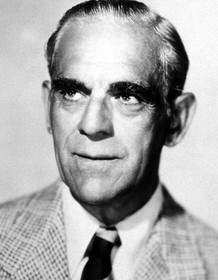
T. Vernon Isopod (Boris Karloff)
Played by Boris Karloff
A disguised, unscrupulous reporter who pretends to be a minister to gain access to the Townsends and their confidences. He manipulates the family and feeds information to the press, highlighting the predatory nature of sensationalism.
- 🕯️ Manipulative
- 🗝️ Deceptive
- 🎭 Opportunist
-
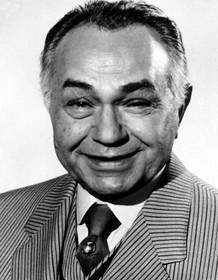
Joseph W. Randall (Edward G. Robinson)
Played by Edward G. Robinson
The managing editor who pushes the retropective murder angle to boost circulation while trying to maintain a veneer of respectability. He grapples with guilt as the personal cost of the story becomes evident.
- 🗞️ Editor
- 🧭 Ambitious
- 🔎 Investigative
- MT
Michael Townsend (HB Warner)
Played by H.B. Warner
An upstanding member of a respectable family who is blindsided by the revival of his wife Nancy’s past. He seeks to protect his loved ones and uphold appearances, but the public scrutiny tests his integrity.
- 🏛️ Respectable
- 🕊️ Moral
- 👪 Family man
- N(
Nancy (Voorhees) Townsend (Frances Starr)
Played by Frances Starr
The pregnant stenographer whose past becomes fuel for the newspaper’s revival. Her fear of exposure and the social stigma attached to her history lead to a desperate, tragic act.
- 👶 Pregnant
- 💔 Tragic
- 🕰️ Past
- JT
Jenny Townsend (Marian Marsh)
Played by Marian Marsh
The Townsends’ daughter who believes Michael is her father. Her forthcoming marriage to Phillip Weeks heightens the stakes of the scandal and foregrounds the human cost of public scrutiny.
- 👧 Daughter
- 💞 Hope
- 🏛️ Social tension
- PW
Phillip Weeks (Anthony Bushell)
Played by Anthony Bushell
A socially prominent fiancé whose wedding would cement the Townsends’ status. He challenges the press’s intrusion and represents the pressure to preserve appearances in high society.
- 🎩 Elite
- 💍 Engagement
- 🧭 Pressure
- MT
Miss Taylor (Aline MacMahon)
Played by Aline MacMahon
Randall’s secretary who becomes disillusioned with the paper’s methods. Her intoxicated outburst at a speakeasy reveals the moral weight behind the newsroom’s actions.
- 🗒️ Secretary
- 🥃 Disillusioned
- ⚖️ Ethical concerns
- BH
Bernard Hinchecliffe (Oscar Apfel)
Played by Oscar Apfel
The ruthless owner/publisher who aims to ride a sensational series for higher sales. He embodies the profit-driven mindset of the era’s tabloids and cares little for the human cost.
- 💼 Publisher
- 💰 Power
- 🏙️ Capital
- KC
Kitty Carmody (Ona Munson)
Played by Ona Munson
A fellow reporter who covers the Townsend apartment and contributes to the live feed of the scandal. She represents the newsroom’s collective push for a major story.
- 🗞️ Reporter
- 🕊️ Curious
- 🗣️ On-the-scene
Where and When Is Five Star Final Set?
Five Star Final is set in New York City, Townsend apartment, New York Evening Gazette offices and… (Early 1930s). Here is why the time and place matter to the story.
When
Early 1930s
The story is set in the early 1930s, a period marked by Prohibition and sensational tabloid culture in New York. It juxtaposes contemporary newsroom hustle with the lingering consequences of long-ago tragedy. The era’s appetite for scandal drives the plot and ethical tensions throughout.
Where
New York City, Townsend apartment, New York Evening Gazette offices, speakeasy
The narrative unfolds across urban New York settings, centering on the bustling Gazette newsroom and the Townsends' residence. It also visits a Prohibition-era speakeasy, illustrating the era's social atmosphere. Key locations include the paper’s offices, the Townsend apartment, and scenes that take place within the church-connected world surrounding the scandal.
- 🗺️ New York City
- 📰 Newspaper culture
- 🍸 Prohibition era
What Are the Themes of Five Star Final?
3 ideas the story keeps returning to, among them Media Ethics, Moral Consequences and Private Lives.
-
01
Media Ethics
The film probes the ethics of sensational journalism, showing how chasing a splashy story can override truth and compassion. Editors and reporters maneuver to boost circulation, often at the expense of personal lives. The narrative demonstrates the corrosive effect of profit-driven reporting on individuals like Nancy and Jenny, and on the fragile line between public interest and private pain.
-
02
Moral Consequences
The pursuit of headlines catalyzes moral compromise among the paper’s leadership and staff. Characters must confront the real-world costs of their choices when lives are wrecked and suicides occur. The film asks whether prestige and profits justify the harm inflicted on families and communities.
-
03
Private Lives
Reputations and family stability become currency in a world obsessed with appearances. The Townsends’ private history is weaponized to entertain and inflame the public. The story uses intimate stakes—the wedding, the daughter’s future, and a mother’s legacy—to critique how private pain is publicly spectacle.
What Kind of Film Is Five Star Final?
Tense in tone, with fast pacing and a moderate story, going by the plot summary.
- Tone
- Tense
- Pacing
- Fast
- Story
- Moderate
- Intensity
- High
- Ending
- Bittersweet
A fast-paced, relentlessly tense thriller that creates an oppressive atmosphere of moral decay, as a newspaper's ruthless pursuit of headlines leads to devastating personal tragedy and a heavy, cynical reckoning.
- anxious
- oppressive
- morally conflicted
- melancholic
- frenetic
- grim
- media ethics
- journalistic corruption
- exploitation
- suicide
Content notes: suicide, psychological torment, exploitation.
Quiz
How well do you remember Five Star Final? Test yourself on the story.


