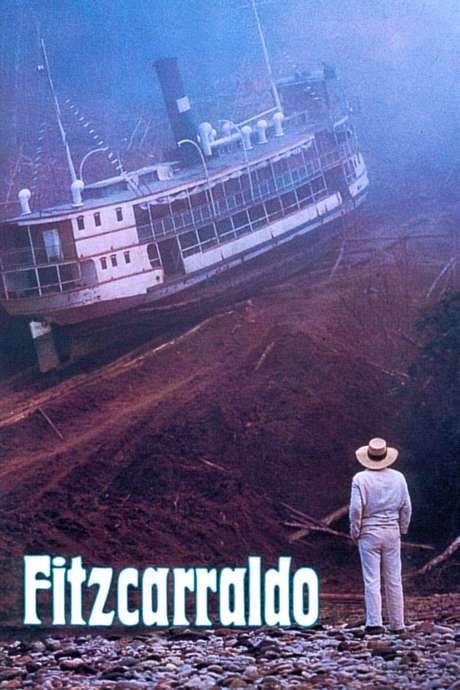
What Is Fitzcarraldo About?
The premise of Fitzcarraldo in 337 words, with nothing given away. The full story follows below.
In the fevered heart of early‑20th‑century Iquitos, a frontier town pulsing with the roar of the rubber boom, the air is thick with the promise of wealth and the scent of the Amazon’s endless green. The city is a crossroads of culture—European merchants, North‑African adventurers, and indigenous peoples mingle amid makeshift wharves and bustling markets, while distant riverine towns whisper of untamed possibilities. Against this backdrop, a restless, larger‑than‑life dream takes shape, one that feels as outlandish as the jungle itself.
Fitzcarraldo is an idealistic entrepreneur whose soul is as bound to opera as his feet are to the muddy banks of the Ucayali. Possessing an almost religious reverence for the music of Enrico Caruso, he envisions transforming the remote river port into a beacon of high art—a grand opera house that would echo across the rainforest. Yet his coffers remain stubbornly empty, and the only way forward lies in the very commodity that fuels the region’s boom: rubber. His ambition is not merely commercial; it is a quest to sculpt civilization from wilderness, to bring the sublime into a place where civilization is still being written.
Enter Molly, a savvy and resourceful partner whose influence and resources become the catalyst for his audacious plan. Together they devise a scheme that reaches beyond ordinary trade routes, hinting at a monumental undertaking that could bridge the gap between distant markets and the isolated city. Their collaboration imbues the story with a mix of romantic devotion and pragmatic calculation, suggesting both the intoxicating lure of grand visions and the gritty realities of the jungle’s unforgiving terrain.
The tone is both mythic and earthy—a feverish blend of adventure, obsession, and the surreal beauty of a world where the line between possibility and madness blurs. As the river winds through tangled canopy, the film invites viewers to feel the pull of an impossible dream, the hum of bustling Iquitos, and the quiet, relentless rhythm of the Amazon that both challenges and inspires those daring enough to imagine greatness within its depths.
What Happens in Fitzcarraldo?
The complete story of Fitzcarraldo, from the first scene to the last, in 639 words (about 3 minutes). Spoilers throughout. Names in the text link to 1 cast member page.
Spoilers ahead
In the early decades of the 20th century, Iquitos, a frontier city perched in the Amazon basin east of the Andes, swells with the rush of a rubber boom and becomes a melting pot for newcomers from Europe and North Africa. Amid this vibrant, unsettled scene, Fitzcarraldo stands out as a tenacious dreamer with an almost religious love for opera and for the legendary Italian tenor Enrico Caruso. He envisions turning this remote outpost into a cultural beacon by building an opera house, even as his pockets stay stubbornly empty. The city’s economic fever, the scramble for land, and the allure of grand performances weave together to fuel his single-minded pursuit.
The government has parceled the Amazon’s rubber-rich tracts, but the best parcels have already gone to private companies. Undeterred, Fitzcarraldo probes every possibility to fund his dream, including a bold, almost fantastical ambition: a Trans-Andean Railway that would connect distant markets to this remote Amazon hub. A rubber baron finally offers a tantalizing clue: one untouched parcel sits on the Ucayali River, but it lies beyond a long stretch of rapids that cuts it off from the Atlantic trade routes. The clue spurs a daring plan that hinges on a nearby tributary, the Pachitea, which runs close enough to the Ucayali to make a bridge of sorts between the two waters.
To finance the move, Fitzcarraldo enlists the help of his partner, a savvy and influential woman known simply as Molly, whose wealth and resourcefulness prove pivotal. With her support, they acquire an aging steamship and christen her the SS Molly Aida, then they set out up the Pachitea to begin the epic maneuver that defines the enterprise. The voyage quickly becomes a test of endurance: the expedition loses a large portion of its crew as fear, superstition, and the sheer difficulty of the journey take their toll. What remains of the crew, including the seasoned captain, the engineer, and a cook, press on as word spreads among the local indigenous communities.
The natives, initially wary, are impressed by the gleam of the steamship and, after contact is made, offer aid with a quiet, practical curiosity. Months pass as they tackle the seemingly impossible task: moving a three-deck, 320-ton vessel up a muddy hillside, then portaging it from one river to another using a carefully choreographed system of pulleys and winches anchored to the land and the riverbank. The ship’s ascent is a monumental feat of teamwork and ingenuity, celebrated with a drunken cheer that lingers in the air. Yet sleep comes hard, and in a fateful moment, the river people sever the rope that keeps the ship tethered to shore. Fitzcarraldo awakens to a ship sliding down toward the Pongo of Mainique, a dangerous and awe-inspiring stretch of rapids. The vessel survives the ordeal with minor damage, but the audacious plan cannot continue as originally envisioned.
Back in Iquitos, Fitzcarraldo faces a sobering reality: the dream of a land route for rubber has collapsed, and he reluctantly sells the ship back to the rubber baron. Yet the spark of his obsession refuses to die. There is still one last chance to realize his artistic dream before the title changes hands: a European opera company rumored to be in Manaus arrives as the perfect catalyst. With no proper opera house to stage productions, the plan shifts to transforming the ship’s deck into a floating stage on which the company can perform. As the city gathers along the riverbank, the impossible spectacle unfolds: a floating opera, performed above the river, drawing crowds from across Iquitos who come to witness culture carried upriver on a ship. And in that remarkable moment, Fitzcarraldo and the city finally reach their shared dream—an opera delivered to Iquitos, against the odds, on the very waters that helped ignite the dream in the first place.
Fitzcarraldo Timeline: Every Key Event in Order
15 key events in the order they happen, from “Dream of an Iquitos Opera House” to “Opera Reaches Iquitos”. 15 events name a place, across 8 locations.
- 1
Dream of an Iquitos Opera House
In the early 20th century, Iquitos is booming from the rubber trade. Fitzcarraldo, an Irish immigrant and opera lover who idolizes Enrico Caruso, dreams of building a grand opera house in the jungle city. Yet he has little capital and faces a harsh, money-driven reality.
When:early 20th century Where:Iquitos
- 2
A Bold Plan for Financing
Fitzcarraldo pursues various schemes to raise money, including an ambitious attempt to construct a Trans-Andean Railway. He remains driven by his dream despite repeated setbacks and a lack of funds. The effort reveals his indomitable spirit in the face of practical obstacles.
When:early 20th century Where:Iquitos
- 3
A Promising Parcel and a River Map
A rubber baron shows Fitzcarraldo a map and explains that the only remaining unclaimed parcel lies on the Ucayali River, but rapids block access to Atlantic ports. Fitzcarraldo notes that the Pachitea River comes within a few hundred meters of the Ucayali upstream of the parcel, suggesting a possible route. The plan hinges on moving a ship between rivers.
When:early 20th century Where:Ucayali River; Pachitea River
- 4
Molly Funds a Steamship
Molly, Fitzcarraldo's partner, funds the purchase of an old steamship, the SS Molly Aida. After purchase, they fix up the vessel and prepare it for the arduous journey ahead. The ship becomes the centerpiece of both his dream and the dangerous expedition.
When:early 20th century Where:Iquitos
- 5
Repairs and Ready Crew
Fitzcarraldo assembles a crew including a captain, an engineer, and a cook. They repair the Molly Aida and ready it for the grueling ascent into uncharted territory. The project requires teamwork, endurance, and a willingness to risk everything.
When:early 20th century Where:Iquitos and Pachitea River
- 6
Up the Pachitea River
They sail up the Pachitea toward the point where it meets the Ucayali, entering territory inhabited by indigenous groups. The journey tests the crew with unfamiliar dangers and a distant goal that seems increasingly improbable. The expedition's pace is slow but persistent.
When:months into expedition Where:Pachitea River
- 7
Crew Deserts the Quest
Soon after entering indigenous territory, most of Fitzcarraldo's crew abandon the voyage. Only the captain, engineer, and cook remain, forcing a smaller group to press on with the audacious plan. The loss deepens the peril but also highlights Fitzcarraldo's resolve.
When:months into expedition Where:Pachitea River
- 8
Indigenous Help Arrives
The natives, impressed by the steamship, agree to assist Fitzcarraldo without asking many questions. Their involvement marks a turning point in the project and underscores the cultural clash and cooperation at the heart of the journey.
When:during expedition Where:Pachitea River
- 9
The Mountain Portage
After months of labor, they pull the three-deck, 320-ton ship over the muddy 40° hillside using a complex pulley system and the ship's anchor windlass. The feat is a stunning display of ingenuity and stubborn will, yet the operation leaves everyone exhausted. The mountain crossing is the centerpiece of the expedition's ambition.
When:months into expedition Where:40-degree hillside between Pachitea and Ucayali
- 10
Rope Snapped, Ship Plunges to Rapids
The crew celebrates with a drunken respite, and the chief of the natives severs the rope securing the ship. Fitzcarraldo awakens to find Molly Aida slipping toward the Pongo of Mainique rapids. The ship suffers no major damage, but the moment marks the collapse of the bold plan to move the ship through the jungle by sheer force.
When:immediately after portage Where:Pongo of Mainique
Show the other 5 events of Fitzcarraldo Hide the last 5 events
- 11
Return to Iquitos
Fitzcarraldo is despondent but practical, returning to Iquitos to reassess his dream. The expedition has failed in its original goal, and he must consider new paths to fulfill his passion for opera. The journey ends with a sense of squandered potential but not extinguished longing.
When:after event Where:Iquitos
- 12
Sale of the Molly Aida
Despondent, Fitzcarraldo sells the steamship back to the rubber baron. There is still time before the title transfers, but the ship’s fate is decided by the market and by Fitzcarraldo's waning prospects. The dream seems crushed, yet there is a spark of opportunity still alive.
When:before title transfer Where:Iquitos
- 13
A Manaus Opera Connection
Hearing that a European opera company is in Manaus, Fitzcarraldo dispatches a plan to bring them to Iquitos. He sees a last chance to realize his dream by external help. The move keeps the opera dream financially and logistically alive.
When:before title transfer Where:Manaus
- 14
Floating Opera on the Molly Aida
With no opera house in Iquitos, they stage the production on the deck of the Molly Aida. Sets and props are built on board, transforming the ship into a floating theater. The makeshift stage showcases the power of spectacle in the jungle city.
When:during wait for title transfer Where:SS Molly Aida deck
- 15
Opera Reaches Iquitos
The entire city gathers along the riverbank as Fitzcarraldo’s floating opera sails past. The spectacle succeeds in bringing opera to Iquitos after all, fulfilling the dream that started amid the rubber-boom bustle. The journey ends with art finally arriving in the jungle city.
When:end of journey Where:Iquitos
Who Are the Main Characters in Fitzcarraldo?
3 characters, among them Fitzcarraldo (Klaus Kinski), Molly (Claudia Cardinale) and Rubber Baron (Ruy Polanah): who each one is and the part they play in the story. Every profile links to the actor’s page.
-
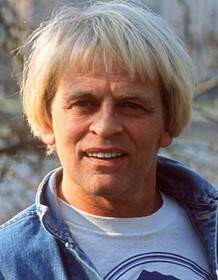
Fitzcarraldo (Klaus Kinski)
Played by Klaus Kinski
An Irish immigrant in Iquitos who dreams of an opera house and pursues it with relentless determination. He is charismatic and visionary but his plans border on reckless as he fights against logistics, weather, and native relations. The voyage up the river and the portage of the steamship test his limits and reveal the costs of chasing art.
- 🎭 Dreamer
- 🚢 Leader
- 🌍 Explorer
-

Molly (Claudia Cardinale)
Played by Claudia Cardinale
Fitzcarraldo's patron and partner; a successful brothel owner who funds his plan and becomes a key ally. She provides capital to purchase the steamship and supports the opera project, balancing pragmatism with belief in art. Her role shows how networks of wealth can back frontier ambition.
- 💼 Patron
- 🎭 Supporter
- 🪙 Investor
- RB
Rubber Baron (Ruy Polanah)
Played by Ruy Polanah
A powerful rubber magnate who leases the parcel and finances the expedition, highlighting the economic underpinnings of Fitzcarraldo's dream. His involvement underscores the role of capital and leverage in frontier ventures. He embodies the profit-driven side of the rubber boom that frames the drama.
- 💼 Magnate
- 💰 Investor
- 🌍 Industrialist
Where and When Is Fitzcarraldo Set?
Fitzcarraldo is set in Iquitos and Peru (early 20th century). Here is why the time and place matter to the story.
When
early 20th century
Set in the early 20th century, the film captures a period of rapid expansion in the Amazon rubber trade. That era draws European and North African Sephardic Jewish immigrants seeking opportunity to Iquitos. The clash of modern progress with the jungle's isolation drives both ambition and risk.
Where
Iquitos, Peru
Iquitos sits in the Peruvian Amazon, a river-port city that grows rapidly during the rubber boom. Its location along the Amazon basin makes it a frontier town where wealth, immigration, and new industries converge. The city becomes the stage for Fitzcarraldo's dream to build an opera house and host performances on a steamship.
- 🚢 River city
- 🌿 Amazon
- 💼 Boomtown
What Are the Themes of Fitzcarraldo?
3 ideas the story keeps returning to, among them Ambition, Nature vs Will and Capital & Exploitation.
-
01
Ambition
Fitzcarraldo's dream to bring opera to Iquitos becomes his defining obsession. He assembles resources, buys an old steamship, and stages performances on its deck in a bid to prove that art can conquer geography. The pursuit tests personal relationships and human limits, revealing both resolve and stubbornness.
-
02
Nature vs Will
Against the jungle and the dangerous rapids, the will to move a 320-ton ship up a hillside becomes a literal test of endurance. The crew, indigenous help, and sheer chance all shape the outcome. The film uses this monumental feat to probe humanity's stubborn desire to master nature.
-
03
Capital & Exploitation
The rubber boom, wealthy barons, and the business of extraction frame the drama. Money funds the voyage and the dream, showing how capital shapes art and ambition in frontier towns. However, the costs and dangers reveal the moral complexities of exploiting natural resources.
What Kind of Film Is Fitzcarraldo?
Hopeful in tone, with slow pacing and a moderate story, going by the plot summary.
- Tone
- Hopeful
- Pacing
- Slow
- Story
- Moderate
- Intensity
- High
- Ending
- Bittersweet
A slow, epic, and intensely focused journey driven by a man's obsessive dream, creating a feeling of monumental struggle against overwhelming natural and human obstacles with a bittersweet triumph.
- obsessive
- epic
- daunting
- tenacious
- dreamlike
- monumental
- obsession
- colonialism
- human ambition
- survival
Content notes: colonialism, endangerment.
Quiz
How well do you remember Fitzcarraldo? Test yourself on the story.
Where to Watch Fitzcarraldo
Stream it on Cineverse and Fandango at Home Free, or rent or buy it from Amazon Video and Apple TV Store. US availability and prices from JustWatch.
Stream 14
 Cineverse
  Cineverse Amazon Channel
  Fandango at Home Free
  Fandor Amazon Channel
  Fawesome
  fuboTV
  Kanopy
  Night Flight Plus
  Philo
Philo  Shout! Factory Amazon Channel
  Shout! Factory TV
  The Roku Channel
  Tubi TV
  YouTube Free



Streaming availability in the US, powered by