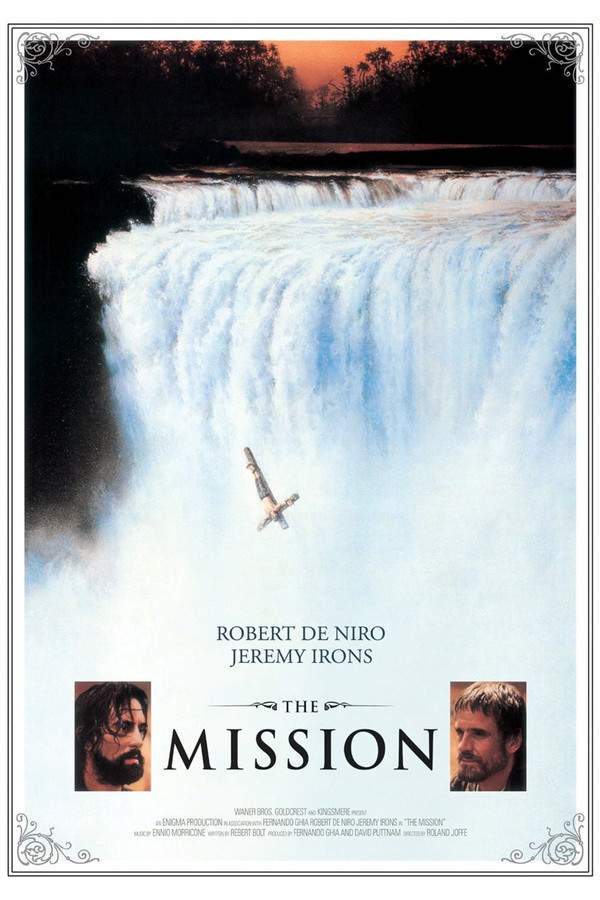
What Is The Mission About?
The premise of The Mission in 272 words, with nothing given away. The full story follows below.
In the sweeping wilderness of 18th‑century South America, a delicate experiment unfolds beneath towering waterfalls and dense rain‑soaked forests. Jesuit missionaries have carved out autonomous settlements—known as reductions—where indigenous peoples are taught to read, farm, and worship within a world that balances European faith with the rhythm of the jungle. The atmosphere hums with a reverent quiet, punctuated by the distant cries of wildlife and the soft rustle of leaves, setting a tone that feels both historic and timeless.
Father Gabriel arrives from the Spanish coast, a learned priest whose conviction in non‑violent compassion drives him to shepherd the Guaraní people toward a hopeful future. Calm and contemplative, he carries a deep sense of purpose, seeking to bridge cultures through kindness, music, and quiet dialogue. His presence radiates a solemn optimism, suggesting that the very act of building a community can become an act of resistance against the encroaching forces of empire.
Across the same landscape stands Rodrigo Mendoza, a hardened Spanish cavalry officer haunted by his past deeds. Though once a man of war, he now yearns for redemption, drawn to the mission’s promise of transformation. His stoic exterior masks a restless inner conflict, setting up a compelling contrast with Gabriel’s pacifist ideals. As the looming threat of Portuguese expansion presses on the horizon, the two men find themselves on a divergent path—one guided by faith and peace, the other tempted by the lure of force—to protect the fragile sanctuary they have come to cherish. Their uneasy partnership hints at a larger moral struggle, inviting the audience to contemplate the price of conviction in a world on the brink of change.
What Happens in The Mission?
The complete story of The Mission, from the first scene to the last, in 768 words (about 3 minutes). Spoilers throughout. Names in the text link to 8 cast member pages.
Spoilers ahead
The film unfolds against the backdrop of the Jesuit Reductions, a remarkable initiative where Jesuit missionaries established autonomous missions to impart Christianity to indigenous populations. Central to the narrative is Father Gabriel, portrayed by Jeremy Irons, a Spanish Jesuit priest who journeys into the heart of the South American jungle with the aim of creating a mission for the local Guaraní Indians.
The narrative kicks off with a striking scene where a Jesuit missionary is bound to a cross by the Guaraní, who reside near the breathtaking Iguazu Falls. As the missionary is cast over the falls — still on the cross and praying fervently — his sacrifice ignites a flame of inspiration within Father Gabriel, compelling him to bravely scale the perilous falls in hopes of connecting with the tribe. Initially met with hostility and the prospect of death, Father Gabriel wins over the Guaraní after performing a poignant solo on his oboe, thus earning their trust over time.
Meanwhile, Rodrigo Mendoza, a mercenary and slave trader played by Robert De Niro, engages in the grim business of abducting natives to sell to local plantations, including one owned by the Spanish Governor Cabeza (played by Chuck Low). Mendoza’s life takes a tragic turn when he discovers his fiancée, Cherie Lunghi, in a compromising position with his younger half-brother Felipe (portrayed by Aidan Quinn). In a fit of rage, he kills Felipe in a duel. Although he escapes legal consequences thanks to Cabeza, Mendoza succumbs to a deep depression. It is then that Father Gabriel steps in, urging him to seek redemption through appropriate penance. Mendoza decides to join the Jesuits on their journey back, lugging a heavy bundle that contains his armor and sword.
Upon reaching the outskirts of the Guaraní territory, Mendoza is initially met with wariness but is soon embraced by the natives, who remove his burdensome load in a touching scene. The mission, led by Father Gabriel, becomes a sanctuary for the Guaraní, filled with hope and education. Inspired by their acceptance, Mendoza finds a new purpose and receives a Bible from Father Gabriel, eventually taking vows to become a Jesuit himself under the guidance of Father Gabriel and his associate Father Fielding (played by Liam Neeson).
However, a looming threat arises as the Treaty of Madrid of 1750 shifts the control of the lands from the Spanish to the Portuguese, whose laws permit slavery. The Portuguese colonizers aim to enslave the indigenous people, and Cardinal Altamirano (portrayed by Ray McAnally), a Papal envoy and former Jesuit, is dispatched to assess the missions and determine their fate. Caught between the exploitation of the natives and the preservation of the Jesuit Order, Altamirano visits the mission, where he marvels at the thriving community and its accomplishments in both spirituality and economy.
At Father Gabriel’s mission, he faces the daunting task of explaining to the Guaraní the impending closure of their sanctuary. When the Guaraní protest his authority, Father Gabriel and Mendoza, now under the threat of excommunication, vow to protect the mission from the encroaching plantation owners. They are divided in their methods: while Father Gabriel renounces violence as a sin against God, Mendoza takes a different path. He breaks his vows, instructing the natives in the art of European warfare and prepares to defend their home.
The narrative escalates when a joint force of Portuguese and Spanish soldiers launches an attack on the mission. With Mendoza, Fielding, and the Guaraní defending the sanctuary, they face overwhelming odds. Mendoza is fatally wounded during the confrontation, but the Guaraní’s spirit is momentarily buoyed when they sing alongside Father Gabriel as the soldiers invade. However, the Portuguese commander orders a merciless attack during their sacred procession, resulting in devastating consequences as the priests and many Guaraní perish. In a final act of bravery, Fielding sacrifices himself to take down the Portuguese commander.
In the aftermath, the chilling dialogue between Cardinal Altamirano and Governor Don Hontar (played by Ronald Pickup) underscores the tragedy of their actions: Hontar states, “we must work in the world; the world is thus,” to which Altamirano counters, “No, thus have we made the world. Thus have I made it.”
In the poignant closing scene, a group of young children navigates the river back to the site of their community’s massacre, salvaging remnants of their past while carrying a solemn memory forward. The film concludes with a powerful message, declaring that both Jesuits and others continue to advocate for the rights of indigenous peoples, encapsulated in the text of John 1:5: “The light shines in the darkness, and the darkness has not overcome it.”
The Mission Timeline: Every Key Event in Order
15 key events in the order they happen, from “The Sacrifice at Iguazu” to “A Solemn Return”. 4 events name a place, across 4 locations.
- 1
The Sacrifice at Iguazu
The film opens with a Jesuit missionary bound to a cross by the Guaraní, located near the majestic Iguazu Falls. As he is cast over the falls while praying fervently, his sacrifice inspires Father Gabriel to brave the treacherous descent in pursuit of the Guaraní tribe.
Where:Iguazu Falls
- 2
Father Gabriel's Arrival
Father Gabriel, a Spanish Jesuit priest, arrives in the South American jungle with the intention of establishing a mission for the Guaraní Indians. Initial encounters with the tribe are hostile, but he seeks to demonstrate his goodwill and commitment to their community.
Where:South American jungle
- 3
Winning Trust Through Music
In an effort to earn the trust of the Guaraní, Father Gabriel performs a heartfelt solo on his oboe. This emotional gesture breaks the ice and gradually helps him establish a bond with the indigenous people, softening their initial mistrust.
- 4
Mendoza's Tragic Realization
Rodrigo Mendoza, a mercenary and slave trader, suffers a devastating loss when he discovers his fiancée in a compromising position with his younger half-brother. In a fit of rage, he kills his brother in a duel, leading him to a deep state of depression.
- 5
Seeking Redemption
Father Gabriel approaches Mendoza during his dark times, urging him to seek redemption. Moved by Gabriel's insistence, Mendoza decides to abandon his previous life and join the Jesuits, burdened by the weight of his past.
- 6
Embraced by the Guaraní
Upon arriving at the Guaraní territories, Mendoza is initially met with skepticism but is soon accepted by the tribe. In a significant moment, the Guaraní help him unload the burdens he carries, symbolizing a new beginning for him.
Where:Guaraní territory
- 7
Formation of the Mission
The mission led by Father Gabriel transforms into a sanctuary for the Guaraní, fostering hope, education, and a sense of community. Mendoza, inspired by the Guaraní's acceptance, starts to find a new purpose within this vibrant society.
- 8
The Treaty of Madrid
The political landscape shifts dramatically with the signing of the Treaty of Madrid in 1750, which transfers control of the territory from the Spanish to the Portuguese. This change poses a grave threat to the Guaraní as the Portuguese plan to enslave the indigenous population.
When:1750
- 9
Cardinal Altamirano's Visit
Cardinal Altamirano, a former Jesuit and Papal envoy, arrives to evaluate the missions. He witnesses the thriving community at Father Gabriel's mission and is conflicted about the impending danger posed by the Portuguese colonizers.
Where:Father Gabriel's mission
- 10
The Guaraní's Protest
As Cardinal Altamirano informs Father Gabriel of the impending closure of the mission, the Guaraní strongly protest. Father Gabriel and Mendoza vow to protect their home, highlighting the growing tension between their beliefs and actions.
Show the other 5 events of The Mission Hide the last 5 events
- 11
Divided in Methods
Father Gabriel and Mendoza find themselves at odds regarding how to defend the mission. While Father Gabriel advocates for nonviolence, Mendoza breaks his vows and trains the Guaraní in European warfare, signaling a pivotal shift in their relationship.
- 12
The Onslaught
A combined force of Portuguese and Spanish soldiers launches a brutal attack on the mission. Mendoza, Father Gabriel, Father Fielding, and the Guaraní band together to defend their sanctuary, facing overwhelming odds and formidable foes.
- 13
Mendoza's Sacrifice
During the chaotic confrontation, Mendoza sustains fatal injuries but finds strength in the Guaraní's unity. As they sing alongside Father Gabriel during a sacred procession, the tragedy intensifies when the soldiers unleash an indiscriminate attack.
- 14
Fielding's Final Act
In a courageous act to protect his comrades, Father Fielding sacrifices himself to take down the Portuguese commander. His selflessness exemplifies the dire stakes of their fight and the tragic losses faced by the defenders of the mission.
- 15
A Solemn Return
The film concludes with a poignant scene where children return to the site of their community's massacre, salvaging remnants of their past. This powerful image reinforces the ongoing struggle for indigenous rights and the lasting impact of their history.
Who Are the Main Characters in The Mission?
4 characters, among them Father Gabriel (Jeremy Irons), Rodrigo Mendoza (Robert De Niro) and Father Fielding (Liam Neeson): who each one is and the part they play in the story. Every profile links to the actor’s page.
-
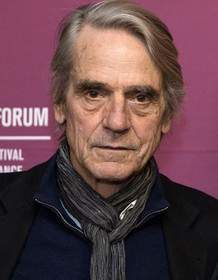
Father Gabriel (Jeremy Irons)
Played by Jeremy Irons
Father Gabriel is a Spanish Jesuit priest who embodies compassion and determination. His journey to establish a mission for the Guaraní Indians showcases his dedication to faith and education. Gabriel’s character represents the moral compass of the film, as he navigates the complexities of violence, faith, and the fight for indigenous rights.
- 🧘♂️ Spirituality
- 💖 Compassion
-
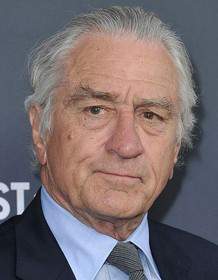
Rodrigo Mendoza (Robert De Niro)
Played by Robert De Niro
Rodrigo Mendoza is a mercenary whose life spirals into despair after a personal tragedy. His character arc is a powerful narrative of transformation from a ruthless slave trader to a dedicated protector of the Guaraní community. Mendoza's internal struggle with guilt and the search for redemption is a pivotal element in the film's storyline.
- 🔄 Transformation
- 🛡️ Protector
-

Father Fielding (Liam Neeson)
Played by Liam Neeson
Father Fielding serves as an ally to Father Gabriel and a figure of strength and strategy in the mission. His commitment to the Guaraní people and willingness to sacrifice for their protection underscore his loyalty and resilience. Fielding’s character adds depth to the themes of conflict and devotion in the face of adversity.
- ⚖️ Justice
- 🤝 Ally
- CA
Cardinal Altamirano (Ray McAnally)
Played by Ray McAnally
Cardinal Altamirano represents the conflict between the church’s interests and the rights of indigenous peoples. His character grapples with the consequences of colonial policies while also reflecting on the Jesuit order’s place within society. Altamirano's dialogue reveals the tension between morality and the harsh realities of the historical context.
- 🏰 Authority
- 💔 Conflict
Where and When Is The Mission Set?
The Mission is set in Jesuit Reductions, South American jungle and Iguazu Falls (1750s). Here is why the time and place matter to the story.
When
1750s
The movie is set in the 1750s during a tumultuous period of colonial expansion in South America. The Treaty of Madrid, which altered land control from the Spanish to the Portuguese, plays a significant role in the story, highlighting the struggles over indigenous rights and the impact of colonial policies. This era was marked by conflict, cultural exchange, and the moral dilemmas faced by those involved.
Where
Jesuit Reductions, South American jungle, Iguazu Falls
The Jesuit Reductions were autonomous missions established by Jesuit missionaries to spread Christianity among indigenous populations. The stunning Iguazu Falls serves as a dramatic backdrop to the narrative, showcasing the breathtaking beauty of the South American jungle. This lush and vibrant environment is central to the story, symbolizing both the challenges and the transformative potential of the mission.
- 🌿 Nature
- 🏞️ Historical Site
What Are the Themes of The Mission?
3 ideas the story keeps returning to, among them Redemption, Conflict and Colonialism.
-
01
Redemption
The theme of redemption is central to the movie, particularly through the character of Rodrigo Mendoza. His transformation from a mercenary and slave trader to a dedicated Jesuit reflects the power of second chances and personal growth. The struggle for redemption is also mirrored in the mission's fight to protect the Guaraní people and their way of life.
-
02
Conflict
The film explores the conflict between morality and survival as portrayed by Father Gabriel’s pacifist beliefs and Mendoza’s resort to violence. This theme underscores the complexities of ethical decisions in dire circumstances, particularly in the backdrop of colonial exploitation. The violent clash between the missionaries and the Portuguese soldiers highlights the tragic consequences of such conflicts.
-
03
Colonialism
Colonialism is a critical theme in the movie, showcasing the exploitation of indigenous peoples and the moral quandaries faced by the Jesuits. The encroachment of Portuguese colonizers signifies the broader historical narrative of colonial control jeopardizing native cultures. The film ends with a poignant reminder of the ongoing struggles for indigenous rights, resonating with contemporary global issues.
What Kind of Film Is The Mission?
Dark in tone, with steady pacing and a moderate story, going by the plot summary.
- Tone
- Dark
- Pacing
- Steady
- Story
- Moderate
- Intensity
- High
- Ending
- Sad
A morally complex and somber historical drama that follows a desperate struggle against colonial oppression, marked by intense spiritual searching, brutal violence, and a ultimately tragic yet redemptive conclusion.
- somber
- hopeless
- spiritual
- tragic
- redemptive
- oppressive
- colonialism
- redemption
- faith and violence
- indigenous rights
Content notes: massacre, slavery, colonial violence, graphic battle scenes, fratricide.
Quiz
How well do you remember The Mission? Test yourself on the story.
Where to Watch The Mission
Stream it on Howdy and YouTube Free, or rent or buy it from Amazon Video and Apple TV Store. US availability and prices from JustWatch.
 Howdy Amazon Channel
  YouTube Free




Streaming availability in the US, powered by