

What Is Fighting Back About?
The premise of Fighting Back in 323 words, with nothing given away. The full story follows below.
In the gritty streets of 1970s Philadelphia, an Italian‑American deli owner watches his neighborhood teeter on the edge of chaos. John D’Angelo runs a modest shop that has long been a gathering place for locals, but a wave of street‑level violence begins to erode the sense of community that once defined the block. His wife, Lisa D’Angelo, and his mother, Vera, share his growing unease, while his longtime friend, Vince Morelli, serves as a bridge between the world of law enforcement and the everyday concerns of ordinary citizens.
Faced with a city that seems to have forgotten the value of personal safety, John decides to take matters into his own hands. He gathers a handful of neighbors and friends, forming a grassroots patrol known as the People’s Neighborhood Patrol. Clad in distinctive blue hats and vests, the group aims to reclaim the streets through a blend of civic pride and collective vigilance. Their headquarters becomes a modest hub for calls and coordination, reflecting a DIY ethos that feels both hopeful and precarious.
The atmosphere of the film is steeped in a tense, urban realism that balances gritty street‑level detail with an undercurrent of moral ambiguity. As the patrol gains visibility, it draws the attention of various community factions, including leaders like Ivanhoe Washington, whose own ideas about self‑defense add layers of cultural and racial complexity to the narrative. The evolving dynamic between the vigilante group, the official police force, and the broader public creates a charged backdrop where questions of justice, authority, and belonging constantly intersect.
Against this volatile setting, John’s personal stakes intertwine with the larger social currents. The story hints at the ways ordinary people can be compelled to step beyond the limits of the law when the institutions meant to protect them appear ineffective. This tension fuels an atmosphere of restless energy, leaving the audience to wonder how far a community will go to restore its own sense of safety.
What Happens in Fighting Back?
The complete story of Fighting Back, from the first scene to the last, in 668 words (about 3 minutes). Spoilers throughout. Names in the text link to 5 cast member pages.
Spoilers ahead
John D’Angelo Tom Skerritt is a proud Italian-American deli owner in a city increasingly plagued by violence and crime. After a brutal encounter on the street, his wife Lisa D’Angelo Patti LuPone is assaulted, and the blow to their lives deepens when their unborn baby is lost in the aftermath. The couple’s personal tragedy is mirrored by broader threats to the neighborhood, as John’s mother Vera faces her own danger in a robbers’ stroll through the block. This opening paints a city on edge, where fear and anger simmer beneath a public face of normalcy.
In response, John chooses to take matters into his own hands. He forms a neighborhood patrol made up of everyday citizens who want to reclaim their streets, calling themselves the The People’s Neighborhood Patrol (PNP). With his best friend Vince Morelli Michael Sarrazin, a police officer, at his side, the group adopts distinctive blue hats and vests bearing the PNP emblem, sets up a headquarters for calls, and patrols in marked vehicles. Supported by a shifting balance with the local police, the PNP makes its first bold statement by confronting crime in a dirty bar that serves as a hotbed for Eldorado Pete Richardson and his gang. A tense confrontation with the bartender spills into a brawl, and the PNP emerges victorious, signaling a new power in the neighborhood.
As the PNP gains media attention and public support, their vigilante actions start to redefine public safety. They begin taking down street criminals with a force that operates outside the traditional channels of law enforcement. The rising fame—and the methods—draw sharp reactions from the broader community. John’s crusade is not universally welcomed; some in the African-American community view his tactics as discriminatory, complicating the moral landscape of the story. A key moment comes when John meets Ivanhoe Washington [Yaphet Kotto], a Black leader who champions a similar vigilante spirit. The encounter tests John’s limits when he confronts two mugged men, exposing the friction between perceived justice and racial dynamics.
With attention turning to politics, the narrative pivots toward civic ambition. The attention surrounding the PNP helps John launch a bid for city council. The campaign gains steam as the patrol’s actions become a defining issue in the election, framing John as a leader who can clean up the city. The arc takes a dark turn when tragedy strikes again: Vince Morelli is killed by Eldorado and his crew. In response, John organizes a large-scale assault on the park where Vince fell, using the PNP to clear the area with overwhelming force. A fierce confrontation erupts, and when the situation spirals, the police arrive as John pursues Eldorado through the chaos, only to be tackled and arrested by law enforcement. Eldorado narrowly escapes.
A tense meeting with the Police Commissioner Ted Ross reveals the uneasy alliance between John’s vigilante faction and city officials. The Commissioner implies a landscape of favors and payoffs, hinting at the political bargains that shape who can be arrested and when. In a chilling aside, he makes a pointed remark about John’s future obligations, underscoring the corrupted calculus at the heart of the city’s crime-war dynamic. The exchange culminates in a moment of moral ambiguity that challenges John’s sense of purpose and rewards, leaving the audience to question whether justice has truly been served.
After these revelations, John secures a victory in the election, signaling a symbolic victory for his vision of safety and order. The film closes with a jubilant celebration inside his deli, where family and friends toast a city that has supposedly been cleaned up by the PNP. Yet the closing image—children playing in the park that was once a battlefield for criminals—leaves a lingering ambiguity about the price of security and the true meaning of justice in a divided city. The story’s resonance comes from its concentrated focus on a neighborhood’s longing for safety, the cost of taking the law into one’s own hands, and the uneasy balance between communal protection and the erosion of civil liberties.
Fighting Back Timeline: Every Key Event in Order
15 key events in the order they happen, from “News reports highlight rising violence since JFK assassination” to “Final scene: children play in the park”. 15 events name a place, across 14 locations.
- 1
News reports highlight rising violence since JFK assassination
Philadelphia television reporters describe a surge of street violence beginning after President Kennedy's assassination in 1963. The city is portrayed as increasingly unsafe as crime spreads through neighborhoods. The opening montage sets a grim backdrop for the story.
When:1963 Where:Philadelphia, USA
- 2
John D'Angelo's family tragedy with Eldorado
While driving with his wife Lisa, John encounters Eldorado, a brutal pimp, who targets one of his prostitutes. Eldorado's attack leads to a violent pursuit that leaves Lisa injured and their unborn baby dead. The incident becomes a catalyst for John's later actions.
When:late 1960s Where:Philadelphia area roads
- 3
Vera D'Angelo is assaulted by robbers
John's mother Vera is ambushed in the neighborhood as robbers attempt to steal her wedding ring. The assault underscores the ongoing danger in the community. The incident motivates John to act for safety.
When:early 1960s Where:neighborhood
- 4
The People's Neighborhood Patrol is formed
John gathers neighbors to form the People's Neighborhood Patrol (PNP), a civilian vigilante group. They wear blue hats and vests, set up a headquarters, and take phone calls; Vince Morelli, a police officer, joins as the partner. The PNP's presence marks a shift toward organized citizen action.
When:mid-1960s Where:Philadelphia neighborhood
- 5
PNP gains police permission to patrol
The D'Angelo home is burglarized and their dog is killed, escalating fear in the community. The media silhouette also appears through a montage, showing Imperiale and other vigilante activities, amplifying public attention. With Vince's help, the police allow the PNP to patrol.
When:mid-1960s Where:D'Angelo residence, Philadelphia
- 6
PNP's first stand at a dirty bar
The PNP enters a notorious bar to confront criminals associated with Eldorado. John confronts the bartender, triggering a brutal brawl in which the PNP gains the upper hand. The incident introduces the group to the neighborhood and signals their willingness to use force.
When:mid-1960s Where:local bar
- 7
Media attention and community rally behind PNP
As violence declines or changes, the media attention increases and the neighborhood rallies around the PNP. The group begins taking out street criminals, reshaping the local crime landscape. Public opinion shifts in favor of the vigilantes, despite concerns about legality.
When:mid- to late-1960s Where:city neighborhood
- 8
John meets Ivanhoe Washington and is challenged on discrimination
John meets Ivanhoe Washington, a black vigilante leader who questions his methods. Ivanhoe presents two mugged men, one white and one black, forcing John to confront accusations of racial discrimination. John retaliates by beating the black suspect, illustrating the tension and moral compromise in the movement.
When:mid-1960s Where:meeting with Ivanhoe
- 9
John campaigns to become councilman
With broad media attention, John decides to run for city council. His bid capitalizes on the PNP's notoriety and the public desire for safer streets. The campaign mirrors the blurred line between vigilantism and political ambition.
When:late 1960s Where:city hall/election campaign trail
- 10
Vince is killed by Eldorado and his men
Vince Morelli is gunned down in an act of retaliation by Eldorado and his gang. John's grief hardens into resolve to confront the criminal empire. The town mourns as the crime wave intensifies.
When:during campaign period Where:the park
Show the other 5 events of Fighting Back Hide the last 5 events
- 11
PNP attacks the park in retaliation
The PNP converges on a park where Vince's killers are present, demanding that criminals clear out. When their demands are ignored, they use force to clear the park, sparking a large brawl. Police arrive, and John chases Eldorado but is tackled and arrested.
When:shortly after Vince's death Where:city park
- 12
Confrontation with the Police Commissioner
John meets the Police Commissioner, who hints that Eldorado is beyond the reach of regular arrest. The Commissioner suggests John can understand the politics of favors and that he will owe him if he wins office. The exchange reveals the corruption entangled with law enforcement.
When:following park incident Where:Police Commissioner’s office
- 13
John is allowed to assassinate Eldorado
Having the Commissioner's implied permission, John surveils Eldorado's car from a rooftop. He drops a grenade through the vehicle's roof, blowing up the car and killing Eldorado and his men. The act substitutes for formal arrest and marks John's break from the legal system.
When:immediately after meeting with Commissioner Where:rooftop overlooking Eldorado's vehicle
- 14
John wins the election and celebrates with the deli
John's campaign culminates in an election victory, and the deli becomes the scene of a celebratory gathering with family and supporters. The PNP is credited with cleaning up the neighborhood, though the vigilante methods remain controversial. The community marks the transition from street-level justice to political power.
When:end of campaign Where:John's deli
- 15
Final scene: children play in the park
In the closing shot, children play in the once crime-ridden park that the PNP had policed. The neighborhood appears safer and more hopeful, signaling the cost and consequences of vigilantism. The film ends on a note of fragile restoration and civic change.
When:closing Where:the park
Who Are the Main Characters in Fighting Back?
8 characters, among them John D'Angelo (Tom Skerritt), Lisa D'Angelo (Patti LuPone) and Vince Morelli (Michael Sarrazin): who each one is and the part they play in the story. Every profile links to the actor’s page.
-
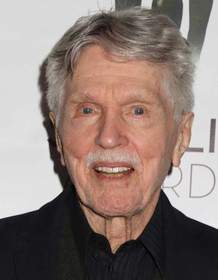
John D'Angelo (Tom Skerritt)
Played by Tom Skerritt
A proud Italian-American deli owner who becomes the leader of a civilian patrol after personal tragedy. He drives the PNP with charisma and urgency, but his methods increasingly brush against legal boundaries. His choices reveal a conflicted hero who believes in protection at any cost.
- 💪 Hero
- 🗽 Vigilantism
- 🧭 Leader
-
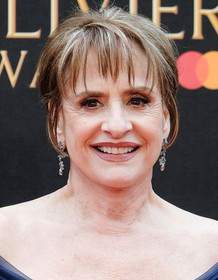
Lisa D'Angelo (Patti LuPone)
Played by Patti LuPone
John's wife, who directly confronts danger when Eldorado targets their family. Her resilience anchors the personal cost of violence and keeps the family centered amid chaos. Her perspective highlights the human stakes behind the vigilante movement.
- ❤️ Family
- 🛡️ Support
- 🧭 Relationships
- VM
Vince Morelli (Michael Sarrazin)
Played by Michael Sarrazin
John's best friend and a police officer who assists the PNP before being killed in a brutal act. His death becomes the galvanizing force that intensifies the pursuit of Eldorado. He embodies loyalty and the price of fighting crime on the edge of the law.
- 🛡️ Authority
- 🔥 Sacrifice
- 🤝 Loyalty
-
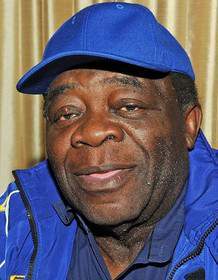
Ivanhoe Washington (Yaphet Kotto)
Played by Yaphet Kotto
A Black vigilante leader who challenges John’s approach, illustrating racial tensions in the city. Their meeting reveals moral complexity and compels John to reexamine his methods and biases. He represents competing visions of justice within a divided community.
- ✊🏾 Civil rights
- 🗣️ Dialogue
- 🧭 Cross-community
- VD
Vera D'Angelo (Gina DeAngeles)
Played by Gina DeAngeles
John’s mother, who is assaulted by robbers, underscoring the real human cost of crime. Her experience deepens the stakes for the D'Angelo family and reinforces the urgency of restoring safety. She embodies the vulnerable, everyday victims of urban crime.
- 👵 Family
- 🛡️ Safety
- 💔 Trauma
- D(
Donato (Peter Brocco)
Played by Peter Brocco
A figure from the criminal underworld associated with Eldorado, illustrating the organized crime network the PNP contends with. His presence marks the depth of danger facing the neighborhood. He personifies the systemic threat that drives vigilante action.
- 💼 Underworld
- 🕷️ Crime
- LM
Lilly Morelli (Patch Mackenzie)
Played by Patch Mackenzie
A member of the Morelli family who reflects the community’s interconnected ties to the broader conflict. Her role emphasizes how ordinary residents are drawn into the larger fight against crime. She represents civilian perspectives within the vigilante narrative.
- 👪 Family
- 🧭 Community ties
- C
Commissioner
Played by Ted Ross
A corrupt or complicit police official who explains that authorities are too busy to arrest Eldorado, signaling a systemic failure and prompting the use of extrajudicial means. This character embodies institutional complicity and the moral ambiguity of governance.
- 🏛️ Power
- 🧭 Corruption
- 🧩 Influence
Where and When Is Fighting Back Set?
Fighting Back is set in Philadelphia (1960s–1970s). Here is why the time and place matter to the story.
When
1960s–1970s
The film opens amid the turbulence following JFK’s assassination and progresses through the late 1960s into the 1970s, reflecting urban unrest and shifting attitudes toward security. It references the Newark riots and self-defense movements of the era, situating its events in a period of heightened vigilante sentiment. The timeline culminates with political opportunities and violent retaliation that reshape the community.
Where
Philadelphia
Set in a Philadelphia neighborhood, the city’s dense streets and diverse communities form the backdrop for rising crime and neighborhood patrols. The deli where John D’Angelo works anchors a close-knit, working-class area facing constant urban tension. The story centers on how residents rally together to confront danger and reclaim their streets.
- 🏙️ Urban setting
- 🗽 Crime and safety
- 👨👩👧 Community resilience
What Are the Themes of Fighting Back?
4 ideas the story keeps returning to, among them Vigilantism, Justice vs Law and Media Influence.
-
01
Vigilantism
The People's Neighborhood Patrol embodies citizens taking safety into their own hands, challenging official law enforcement. The group’s actions blur lines between protection and intimidation, raising questions about legitimacy and moral boundaries. The story uses the patrol to explore how desperation and anger can mobilize communities.
-
02
Justice vs Law
John’s leadership pushes beyond formal authority, prompting clashes with police and political figures. The plot asks whether ends justify means when order is restored at a cost to due process. Tensions peak as vigilante acts threaten to undermine the rule of law.
-
03
Media Influence
Television reporters and news coverage shape public perception of crime and the PNP. The media spotlight amplifies the neighborhood’s conflict and guides the community’s reaction. Shifts in narrative drive the characters’ choices and the city’s response.
-
04
Violence and Loss
The death of Vince Morelli acts as a catalyst for retaliation and escalation. The film depicts how personal tragedy feeds cycles of violence and deepens the moral wounds of the community. It ultimately questions whether vengeance leads to safety or further destruction.
What Kind of Film Is Fighting Back?
Tense in tone, with steady pacing and a moderate story, going by the plot summary.
- Tone
- Tense
- Pacing
- Steady
- Story
- Moderate
- Intensity
- High
- Ending
- Ambiguous
A tense and gritty urban crime drama that builds from personal tragedy into a morally conflicted crusade for justice, creating a sustained sense of urgency and anxiety about the cost of taking the law into one's own hands.
- angry
- tense
- gritty
- anxious
- urgent
- grim
- vigilante justice
- urban decay
- political corruption
- grief and loss
Content notes: assault, death of a loved one, pregnancy loss, street violence, murder, vigilante brutality.
Quiz
How well do you remember Fighting Back? Test yourself on the story.


