What Is Father Goose About?
The premise of Father Goose in 302 words, with nothing given away. The full story follows below.
In the summer of 1942 the Pacific is a restless stage of shadowed skies and distant gunfire, where isolated islands become silent outposts for an uneasy peace. A solitary South Sea isle, untouched by civilization, sits beneath the constant hum of enemy aircraft, its beaches and jungle echoing with the whispered urgency of a world at war. The atmosphere is a blend of tropical beauty and looming tension, a place where the ordinary is quickly swallowed by the extraordinary.
Walter Eckland is a weather‑beaten beachcomber who has made the island his quiet refuge. He lives on his own terms, content with the rhythm of sand, surf, and a modest yard‑work routine that borders on the idyllic. Yet his past as a sailor and his reputation for a rough‑spoken, hard‑living attitude hint at a deeper resilience beneath his unkempt exterior. When the Allies enlist his help to keep watch over the skies, his solitary existence is suddenly tethered to the larger currents of the war.
Enter Catherine Freneau, a compassionate schoolteacher fleeing the chaos of Japanese advance, clutching a handful of young schoolchildren who have escaped the fire of conflict. Her arrival shatters the island’s calm, bringing with her an urgent purpose, a protective instinct, and a stark contrast to Walter’s laissez‑faire ways. Their personalities clash as much as their circumstances align, setting up a dynamic where mutual dependence slowly replaces suspicion.
Against this backdrop of tropical isolation, the island begins to feel less like a refuge and more like a crossroads where personal survival intertwines with the broader stakes of the Pacific theater. The looming presence of war, the fragile hope carried by the children, and the tentative partnership between a rugged loner and a determined teacher promise a story that balances humor, tension, and the quiet bravery found in unexpected alliances.
What Happens in Father Goose?
The complete story of Father Goose, from the first scene to the last, in 498 words (about 2 minutes). Spoilers throughout. Names in the text link to 4 cast member pages.
Spoilers ahead
During the February 1942 evacuation of Salamaua, Commander Frank Houghton pressures his old friend, American beachcomber Walter Eckland, into serving as a coast watcher for the Allies. Houghton escorts Eckland to the deserted Matalava Island to watch for Japanese airplanes. To motivate the often-inebriated Eckland, Houghton has his crew plant bottles of Scotch whisky around the camp, rewarding each confirmed aircraft sighting with directions to the next bottle. To ensure Eckland stays put, Houghton has his own ship “accidentally” knock a hole in Eckland’s cabin cruiser as it departs, leaving him with only a small utility dinghy to get around in.
As encircling Japanese forces threaten a nearby coast watcher, Houghton entices Eckland to use the small motorized dinghy to make the dangerous journey to rescue his replacement. In return, Eckland extorts the location of all the hidden whisky. Upon arrival, he encounters Frenchwoman Catherine Freneau and seven schoolgirls under her care left stranded there after escaping from Rabaul, but no coast watcher; he had been killed in an air raid and buried by Freneau. Eckland reluctantly takes the troop back to Matalava.
The next morning, Freneau clashes with Eckland, whom she decries to Houghton as
a rude, foul-mouthed, drunken, filthy beast.
Eckland dubs Freneau Miss Goody Two Shoes. He settles into a grudging détente with the group, and one by one he befriends the girls (four British, two French, and an Australian), becoming pals with the outgoing tomboyish “Harry” and even getting the youngest, traumatized mute since being separated from her parents to speak again.
When the girls frantically report that Freneau has been bitten by a snake and Houghton confirms that all species on the island are deadly venomous, Eckland begins a vigil over her. He is advised to administer an analgesic sedative, which he does liberally. When she passes out, Eckland mistakenly believes she has succumbed (and taken with her solemn secrets he revealed in their reverie), only to learn she had merely been pricked by a thorny stick that just looked like a snake. The next day she remembers everything — to his horror.
Realizing they are in love, the couple arrange to be married by a military Chaplain via radio. Houghton then agrees to send an American submarine the following morning to evacuate them. The couple spend their honeymoon night on the beach with the girls waiting for a signal from the submarine. Before it arrives, a Japanese patrol boat returns and sends a pair of landing parties shoreward in rafts. Ordering Freneau and the girls into his dinghy, Eckland heads out to sea in his newly repaired cruiser in the opposite direction to draw the Japanese away. The submarine arrives, but is unable to torpedo the patrol boat because of an intervening reef. Finally the patrol boat passes over the reef, but before torpedoes can hit their mark the cruiser is blown up. Fortunately, Eckland had lashed its wheel and jumped overboard before it was hit. He pops up alongside the dinghy.
Father Goose Timeline: Every Key Event in Order
13 key events in the order they happen, from “Salamaua evacuation and Eckland's coercion” to “Eckland survives; uncertain future”. 13 events name a place, across 7 locations.
- 1
Salamaua evacuation and Eckland's coercion
In February 1942, the Royal Australian Navy evacuates Salamaua, Papua New Guinea, ahead of a Japanese invasion. Commander Frank Houghton coerces American beachcomber Walter Eckland into becoming a coast watcher for the Allies. He transports Eckland to the deserted Matalava Island to watch for Japanese aircraft. To keep him motivated, Houghton hides bottles of Scotch whisky around the island and rewards each confirmed aircraft sighting with directions to the next bottle.
When:February 1942 Where:Salamaua, Papua New Guinea / Matalava Island
- 2
Marooned on Matalava after the ship 'accident'
To ensure Eckland stays put, Houghton has his own ship accidentally knock a hole in Eckland’s cabin cruiser, leaving him with only a small utility dinghy. Eckland is effectively marooned on Matalava Island, isolated and dependent on his dinghy for any movement. The setup traps him as the new coast watcher and makes escape difficult.
When:February 1942 Where:Matalava Island
- 3
Dangerous rescue mission by dinghy
With encircling Japanese forces threatening another coast watcher, Houghton urges Eckland to undertake a perilous journey in the small dinghy to reach the missing post. Eckland accepts the mission with a mix of bravado and reluctance, driven by stubborn independence and the lure of whisky clues. The journey takes place across the perilous waters around Matalava, far from help.
When:the next morning Where:Between Matalava Island and the threatened coast watcher
- 4
Encounter with Catherine Freneau and seven girls
During the rescue attempt, Eckland encounters Catherine Freneau, a Frenchwoman caring for seven schoolgirls left behind after escaping from Rabaul. He learns there is no coast watcher; the man had been killed in an air raid and buried by Freneau. Eckland reluctantly agrees to escort the group back to Matalava, initiating an uneasy alliance.
When:upon arrival Where:Matalava Island area
- 5
Eckland shelters the group on Matalava
Back on Matalava, Eckland reluctantly takes the group under his wing and vows to shelter them. He becomes their caretaker, guiding the girls and gradually accepting Freneau’s presence. The uneasy dynamic between Eckland, Freneau, and the children begins to soften as trust grows.
When:shortly after arrival Where:Matalava Island
- 6
Bonds form with the girls; Miss Goody Two Shoes
Over days, Eckland befriends the four British, two French, and one Australian girls, including the tomboyish 'Harry'. He even helps the youngest traumatized mute speak again. The rough-edged loner starts to soften as the group becomes his makeshift family, and he dubs Freneau 'Miss Goody Two Shoes' in a grudging compromise.
When:in the days following Where:Matalava Island
- 7
Snake bite scare and sedative misunderstanding
The girls frantically report that Freneau has been bitten by a snake, and Houghton confirms the island’s venomous fauna. Eckland administers an analgesic sedative to ease her pain. She passes out, and he mistakenly believes she has died, only to learn later she was pricked by a thorn that looked like a snake.
When:the same day Where:Matalava Island
- 8
The next day: realization of love
The next day, Freneau remembers everything and the two realize they are in love. Their bond deepens into a shared hope for a future together, even as danger remains around them. The island and its temporary family continues to rely on Eckland’s improvised leadership.
When:the next day Where:Matalava Island
- 9
Plans to marry and evacuate by submarine
Realizing their love, the couple arrange to marry by a military chaplain via radio. Houghton agrees to send an American submarine the following morning to evacuate them. The plan binds their future to a fragile timetable and a distant rescue.
When:the following morning Where:Matalava Island
- 10
Honeymoon night on the beach
They spend their wedding-tinged night on the beach, waiting for the submarine’s signal while the seven girls look on. The scene blends intimacy with wartime desperation as they cling to the hope of a safe evacuation.
When:that night Where:Matalava Island beach
Show the other 3 events of Father Goose Hide the last 3 events
- 11
Japanese patrol boat arrives; evacuation diversion
A Japanese patrol boat returns and sends two landing parties ashore in rafts. Eckland orders Freneau and the girls into his dinghy and steers away to draw the attackers off, sacrificing a clear path to safety for the group. The action sets up a final confrontation at sea.
When:just before submarine's arrival Where:Off Matalava Island coast
- 12
Reef, explosion, and Eckland's escape
The submarine arrives but cannot torpedo the patrol boat because of an intervening reef. The patrol boat passes the reef, and the cruiser is blown up. Eckland lashed the wheel and jumps overboard, surfacing beside the dinghy.
When:during the attack Where:Off Matalava Island coast
- 13
Eckland survives; uncertain future
Eckland emerges alive beside the dinghy, having escaped the cruiser’s destruction. He remains with Freneau and the schoolgirls as their wartime future on Matalava remains uncertain, awaiting further rescue or departure.
When:aftermath Where:Sea near Matalava Island
Who Are the Main Characters in Father Goose?
3 characters, among them Commander Frank Houghton (Trevor Howard), Walter Eckland (Cary Grant) and Catherine Freneau (Leslie Caron): who each one is and the part they play in the story. Every profile links to the actor’s page.
-
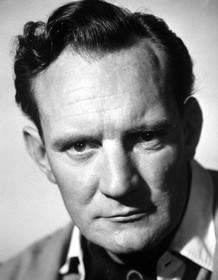
Commander Frank Houghton (Trevor Howard)
Played by Trevor Howard
A stern Royal Australian Navy commander who coerces Eckland into serving as a coast watcher. He keeps order through calculated manipulation, including hiding whisky around the island as incentives. He orchestrates the evacuation plan and shepherds the group toward safety, all while maintaining discipline in a tense wartime setting.
- 🧭 Leadership
- ⚔️ Duty
- 🎯 Strategy
-
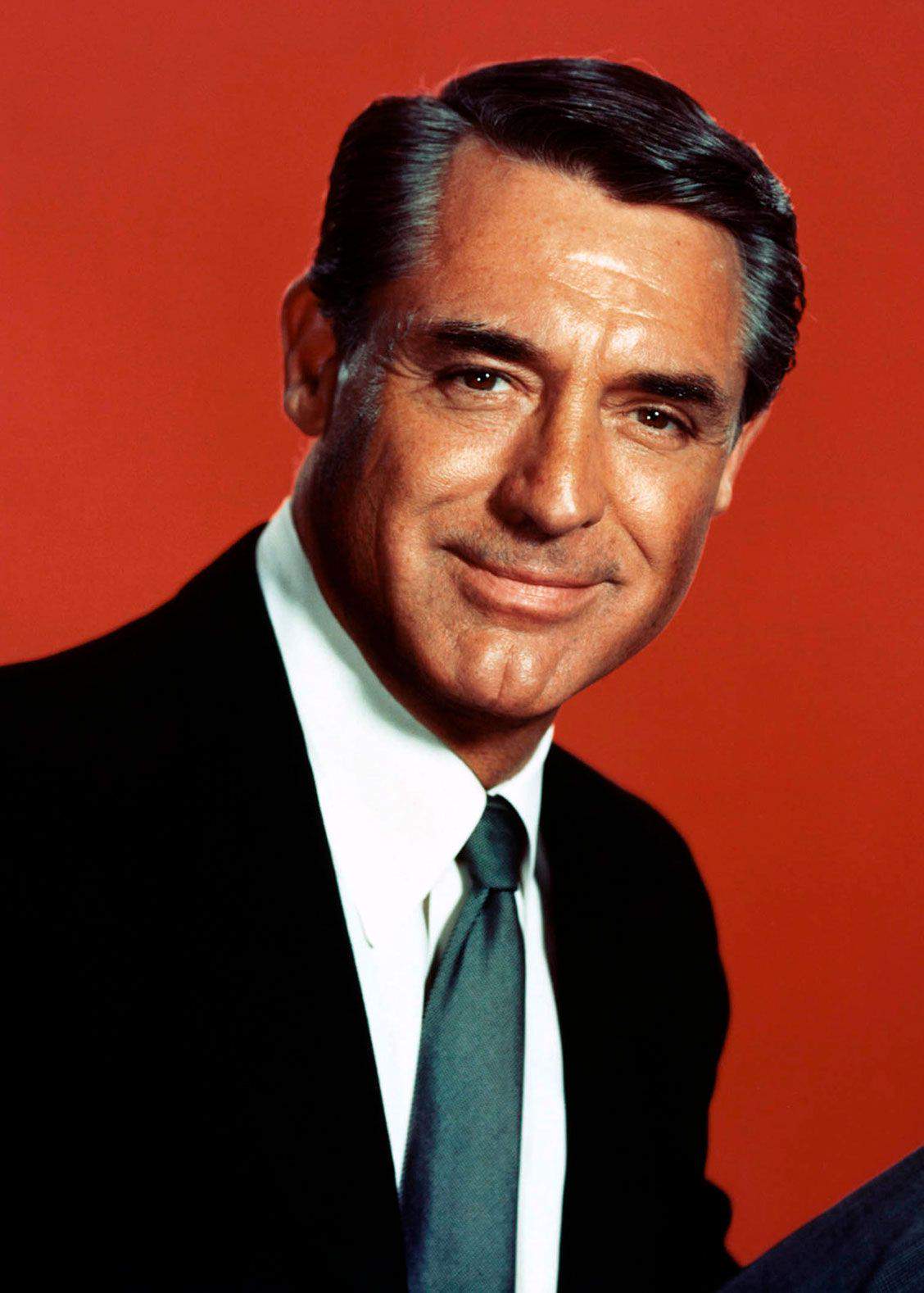
Walter Eckland (Cary Grant)
Played by Cary Grant
An alcoholic American beachcomber who is thrust into responsibility as a coast watcher. His tough exterior hides a capacity for courage and care, and his bond with the girls and Catherine anchors the story. He becomes instrumental in the rescue plan and in drawing the enemy away at a critical moment.
- 🥃 Alcohol
- 🧭 Transformation
- 🤝 Companionship
- CF
Catherine Freneau (Leslie Caron)
Played by Leslie Caron
A resourceful Frenchwoman who tends the seven schoolgirls stranded on the island. She clashes with Eckland but gradually forms a mutual respect and later a romantic connection. Her courage and practicality help the group survive and navigate the dangers around them.
- 🇫🇷 French
- 🧭 Leadership
- 💪 Courage
Where and When Is Father Goose Set?
Father Goose is set in Salamaua, Papua New Guinea and Matalava Island (February 1942). Here is why the time and place matter to the story.
When
February 1942
In the early months of 1942, Japanese forces were advancing through New Guinea and nearby coasts. Allied evacuations and scattered outposts, like the one on Matalava Island, operated under the constant threat of air raids and naval patrols. The period is defined by impromptu assignments, improvised defenses, and the urgency of survival amid wartime chaos.
Where
Salamaua, Papua New Guinea; Matalava Island
Deserted tropical island off Salamaua provides a temporary frontline outpost used by Allied coast watchers during the early Pacific War. The location is characterized by jungle, reef-shoals, and a fragile beachhead amid looming Japanese advances. Its isolation forces the characters to improvise, endure harsh conditions, and form uneasy alliances.
- 🏝️ Island
- ⚔️ War
- 🗺️ Allied Outpost
What Are the Themes of Father Goose?
3 ideas the story keeps returning to, among them War and Survival, Love in War and Transformation.
-
01
War and Survival
The plot centers on life on a remote island as Allied forces watch for enemy aircraft and protect civilians. Resources are scarce, and improvisation becomes vital as the crew and residents cope with fear, hunger, and danger. The island itself embodies the fragility of life during wartime.
-
02
Love in War
A bond forms between Eckland and Catherine amid isolation, conflict, and mutual dependency. Their relationship begins as friction but grows into trust, revealing vulnerability and resilience in dire circumstances. The romance acts as a counterbalance to the surrounding danger and chaos.
-
03
Transformation
Walter Eckland evolves from a self-centered, drink-fueled drifter into a protective, responsible guardian for the girls and Catherine. The harsh island environment forces him to confront his past, take risks, and act for others' safety rather than his own comfort. This personal arc parallels the broader war struggle around them.
What Kind of Film Is Father Goose?
Light in tone, with steady pacing and a straightforward story, going by the plot summary.
- Tone
- Light
- Pacing
- Steady
- Story
- Straightforward
- Intensity
- Medium
- Ending
- Happy
A charming and comedic wartime adventure that balances island survival tension with a delightful, bickering romance and the heartwarming chaos of forming a makeshift family.
- whimsical
- adventurous
- romantic
- grudging
- comfy
- tense moments
- wartime romance
- survival
- found family
- screwball comedy
Content notes: war violence, child endangerment.
Quiz
How well do you remember Father Goose? Test yourself on the story.