

What Is Fairy Dust About?
The premise of Fairy Dust in 275 words, with nothing given away. The full story follows below.
In a restless stretch of neon‑lit nights and desert‑dry mornings, Tove Lo drifts between a cheap motel and the pulsing interior of underground clubs, where music, intoxication, and fleeting connections swirl like smoke. The world she inhabits feels both intimate and alien, a landscape where every whispered confession competes with the throb of bass and the distant hum of a lonely highway. It is a place where the line between performance and vulnerability blurs, inviting the audience to feel the same electric unease that hums beneath the surface of everyday life.
At the heart of this volatile environment sits Lorna, a sharp‑tongued, fiercely independent woman whose candid musings on motherhood, marriage, and freedom set the tone for a relationship that teeters between fierce affection and raw aggression. Their bond is forged in moments of shared cigarettes, lingering glances, and the charged tension of late‑night conversations that oscillate between humor and hurt. The friendship—bordering on something more—pulses with an urgency that is both seductive and unsettling, pulling them into a cycle of desire, dependency, and relentless self‑examination.
The film’s style is unapologetically gritty, using close‑up intimacy and stark, almost documentary‑like framing to capture the characters’ inner turbulence. A palette of dimly lit rooms, flashing club lights, and endless desert skies amplifies the emotional weather that roils throughout the narrative. Rather than spelling out a clear trajectory, the story hints at an ongoing search for meaning amid pain, pleasure, and the ever‑shifting masks we wear. This immersive character study invites viewers to linger in the uneasy spaces where love, fear, and identity collide, promising a journey that is as much about feeling as it is about understanding.
What Happens in Fairy Dust?
The complete story of Fairy Dust, from the first scene to the last, in 668 words (about 3 minutes). Spoilers throughout. Names in the text link to 3 cast member pages.
Spoilers ahead
The film opens with Tove Lo as herself, returning to a motel room late at night. What begins as a seemingly casual moment quickly turns unpredictable: laughter erupts into furious outbursts, followed by sudden tears, painting a mood that will thread through the film’s emotional weather. This opening sequence sets a raw, intimate tone, inviting the audience into a day-to-night shift of sensations and impulses.
The next morning, Lorna, Lina Esco speaks with harsh candor about women, motherhood, and weddings, insisting on her own independence while striking a cigarette between her fingers. She hones in on a neighbor’s quarrel, belittling the husband as “a little bitch” and calling the wife a hypocrite for wanting fulfillment on her own terms. Lorna is blunt about numbing pain, and Tove is drawn into this volatile atmosphere as the two women lie back on the bed, share cigarettes, and lean into a moment of closeness that blurs boundaries between affection and desire. The scene blends heat with discomfort, pulling the viewer into a space where dependence and agency coexist in uneasy tension.
That night, Tove Lo heads to a club and wanders through the crowd, wondering why “it’s not working anymore” and recalling how there was a time when it all felt like endless access. She begins dancing with strangers, drawing people into her orbit as they imitate her moves. In a charged reversal, Lorna’s presence cuts through the room, and the two women clash before finding a reconciliation that culminates in a kiss as the club lights flash, a moment that echoes the intensity of their bond (the scene nods to the electric energy of Lady Wood). After this confrontation, Lorna and Tove drive back to the motel, and Lorna recounts how they first met—when Tove was in love with an older man who never returned those feelings, leaving Tove temporarily adrift with Lorna. Lorna’s philosophy grows darker here as she muses about how easy it would be to die, and she drives Tove toward a dangerous brink, pushing the car toward a crash. Tove awakens to chaos as the car is set aflame, and Lorna’s actions culminate in her own death as she ignites the clothes, sealing a devastating fate (True Disaster).
In the aftermath, Tove is shown in a stark, symbolic moment: she shaves her head in the bathroom, a visual marker of transformation and grief. She dances in the motel parking lot with the club acquaintances, while her shaved-face persona and the memory of Lorna weave together, burying the figure of Lorna in the desert. A short monologue reveals a hard-won philosophy: pain is a gateway to deeper pleasure, pain erases fear in the face of uncertainty, and this realization fuels a dangerous resolve as she sets the motel room on fire (Cool Girl). In the desert, a new connection emerges—a relationship with a man nicknamed Desert Dancer—and together they return to the motel to make love, a moment that further unsettles Tove’s sense of self (Vibes). Afterward, she sits on the motel steps, processing everything that has happened, and a voiceover clarifies her feeling that no one truly knows her.
As the credits roll, the film lingers on a final, provocative image: the complex, unsettled woman at the center of these events. In this closing vignette, the audience is left with a portrait of a person navigating pain, desire, and identity with relentless intensity, refusing easy answers and insisting on the ongoing search for meaning in a world that feels both intimate and alien.
it’s not working anymore
Throughout, the film methodically follows a trajectory of intimate encounters, self-probing choices, and violent ruptures, all filtered through a stark, unflinching gaze. The storytelling centers on how love, pain, and performance intersect in a life where public persona and private turmoil collide, asking difficult questions about dependency, autonomy, and the ways we define pleasure and fear. The result is a long, immersive character study that pushes boundaries while staying anchored in the emotional gravity of its two lead figures.
Fairy Dust Timeline: Every Key Event in Order
13 key events in the order they happen, from “Tove returns to the motel in a rage” to “Credits scene”. 13 events name a place, across 10 locations.
- 1
Tove returns to the motel in a rage
Tove Lo arrives at her motel late at night and makes her way from the parking lot into her room. She bursts into maniacal laughter and then screams in rage before breaking into tears, establishing a volatile emotional state that frames what follows.
When:Late night Where:Motel hallway and room
- 2
Lorna's morning tirade about independence
The next morning, Lorna speaks cynically about women, motherhood, and weddings, claiming independence and enjoying being alone while smoking. She yells through the wall at the neighboring couple, calling the husband a little bitch and accusing the wife of feminism despite wanting her sexual needs fulfilled.
When:Morning Where:Motel room
- 3
Lorna and Tove's intimate moment
Lorna lies on the bed and says she has ways to numb the pain. The two fornicate, cuddle, and smoke marijuana together on the bed.
When:Morning Where:Motel bed
- 4
Tove goes to the club
That night, Tove drives to a club and wonders why it is not working anymore, noting that it used to be enough all the time. She moves through the club and begins dancing with people who mirror her moves.
When:Night Where:Club
- 5
Club confrontation and kiss
Inside the club, Tove dances with people who mirror her moves as Lorna yells at her, sparking a confrontation. Tove retaliates with help from her new friends, and the tension eases when she and Lorna reconcile with a kiss as the lights flash.
When:Night Where:Club
- 6
Return to motel and backstory
After leaving the club, Tove and Lorna drive back to the motel. Lorna recounts how she first met Tove, when Tove loved an older man who did not return the feelings, and comments on how easy it is to die.
When:Night Where:Motel drive
- 7
Lorna forces a car crash
Lorna begins to speak about how easy it is to die and forces Tove to crash their car, knocking Tove unconscious.
When:Night Where:Road by motel
- 8
Lorna burns the car and dies
When Tove regains consciousness, she finds Lorna dousing the car in gasoline and approaching the scene. She tries to leave several times, only to return to the wreck, where Lorna sets fire to her clothes and dies in the blaze.
When:Night Where:Car wreck outside motel
- 9
Shaved head and desert burial
Tove shaves her head in the bathroom and dances in the motel parking lot with the people she met at the club. Her shaved head persona lingers as she symbolically buries Lorna in the desert.
When:Following days Where:Bathroom and motel parking lot; desert
- 10
Pain as gateway to pleasure and motel arson
A short monologue reveals that Tove believes pain can be a gateway to more pleasure and to fearlessness. She sets her motel room on fire, signaling a transformation and a turn toward embracing danger.
When:After the desert Where:Motel room
Show the other 3 events of Fairy Dust Hide the last 3 events
- 11
Desert romance and return to motel
In the desert, Tove meets a man and begins a relationship. They return to the motel to have sex, continuing her exploration of sensation and connection.
When:After arson Where:Desert; motel
- 12
Voiceover of isolation
Sitting outside her room, Tove processes everything that happened and delivers a voiceover about feeling that no one knows her.
When:Evening Where:Motel exterior
- 13
Credits scene
During the credits, Tove is shown masturbating on her bed while Lorna watches from the doorway, implying an unresolved bond and lingering tension between them.
When:Credits Where:Motel room
Who Are the Main Characters in Fairy Dust?
3 characters, among them Lorna (Lina Esco), Self (Tove Lo) and Desert Dancer (Danny Axley): who each one is and the part they play in the story. Every profile links to the actor’s page.
-
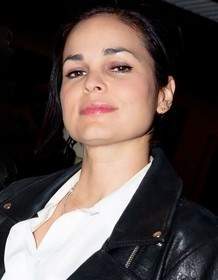
Lorna (Lina Esco)
Played by Lina Esco
An independent, sharp-tongued woman who voices hostile views on women, motherhood, and marriage. She moves through the film with a volatile mix of confidence and contempt, provoking others and testing boundaries. Her dynamic with Tove is intense and destabilizing, ultimately leading to a fatal, self-destructive act.
- 🔥 Impulsive
- 💬 Manipulative
- 💔 Toxic
- 🌪️ Volatile
- S(
Self (Tove Lo)
Played by Tove Lo
A famous musician playing herself, whose public persona masks deep emotional scars. She pursues intense connections and uses pain as fuel for performance, oscillating between closeness and retreat. The relationship with Lorna forces her to confront fear, desire, and the limits of trust.
- 🎤 Performer
- 🔥 Passionate
- 💔 Vulnerable
- 🔒 Guarded
- DD
Desert Dancer (Danny Axley)
Played by Danny Axley
A man Tove meets in the desert who becomes a romantic interest and a destabilizing contrast to her volatile relationship with Lorna. He enters the story as a doorway to new desire and a different kind of risk, then accompanies Tove back to the motel in a charged, physical encounter.
- 🕺 Dancer
- 💗 Seductive
- 🏜️ Desert
- 🔥 Intense
Where and When Is Fairy Dust Set?
Fairy Dust is set in Motel, Nightclub, Desert and Parking Lot (Contemporary). Here is why the time and place matter to the story.
When
Contemporary
The story unfolds in present-day urban settings, mixing modern nightlife with everyday spaces like motels and parking lots. The characters navigate current cultural currents—sexual liberation, fame, and impulsive behavior—without a long historical backdrop. The timeline compresses key moments into a few intense nights rather than a sweeping arc.
Where
Motel, Nightclub, Desert, Parking Lot
Set largely around a seedy motel and its nearby parking lot, with the energy of a pulsating nightclub and the isolating expanse of a desert highway. The motel serves as a private stage for intimate confrontations, while club scenes drive the social energy and risk. Desert scenes symbolize loneliness and confrontation with pain, punctuating the narrative with stark quiet after chaos.
- 🏨 Motel setting
- 🎶 Nightlife
- 🏜 Desert landscape
- 🚗 Parking lot
What Are the Themes of Fairy Dust?
4 ideas the story keeps returning to, among them Pain & Pleasure, Toxic Love and Identity.
-
01
Pain & Pleasure
Pain and pleasure collide as the characters seek intensity to feel alive. The film treats physical pain as a gateway to fearlessness and liberation, pushing boundaries of consent and control. Repeated clashes between desire and danger culminate in destructive acts that fracture trust. The tension between danger and desire drives the narrative forward.
-
02
Toxic Love
Lorna's volatile independence masks a controlling dynamic with Tove. The relationship alternates between tenderness and coercion, blurring lines between care and manipulation. The characters undermine each other to cope with pain, leading to irreversible harm. The film portrays love as a battlefield where trust is fragile and easily broken.
-
03
Identity
The story centers on performance and persona, with Tove navigating a self that confronts inner wounds. The shaved head and stage-like energy signal a shift from vulnerability to defiant self-definition. The characters negotiate fame, intimacy, and authenticity, questioning what is real beneath the surface. Identity appears as a fluid construct shaped by danger, desire, and the gaze of others.
-
04
Grief
Grief over Lorna drives Tove into risky, transgressive behavior as a coping mechanism. The desert burial scene becomes a stark image of letting go. Pain is recast as a source of energy that fuels action rather than quiet despair. The ending suggests that healing may come through dangerous self-discovery, even as the pain remains.
What Kind of Film Is Fairy Dust?
Dark in tone, with variable pacing and a moderate story, going by the plot summary.
- Tone
- Dark
- Pacing
- Variable
- Story
- Moderate
- Intensity
- High
- Ending
- Ambiguous
A raw and immersive character study that navigates the volatile intimacy of a toxic friendship through a chaotic journey of self-destruction, grief, and a bleak search for identity.
- raw
- intimate
- volatile
- unflinching
- intense
- chaotic
- female friendship
- grief and loss
- self-destruction
- identity crisis
Content notes: death of a friend, self-destructive behavior, dangerous stunts, arson.
Quiz
How well do you remember Fairy Dust? Test yourself on the story.

