

What Is Faces of Death About?
The premise of Faces of Death in 323 words, with nothing given away. The full story follows below.
In a stark, unflinching tone, the documentary‑style film invites its audience into an unvarnished portrait of mortality. Through a collage of everything from clinical autopsies to historical footage, it presents death not as a distant abstraction but as a series of faces that demand attention. The visual palette shifts between the cold precision of a forensic lab and the raw immediacy of home‑recorded moments, all underscored by a narration that treats each image as a clue to a larger, unsettling truth about how we live and how we die.
At the center of this exploration is Dr. Francis B. Gröss, a once‑renowned surgeon whose own near‑fatal operation left him both numb to gore and haunted by the thin line between life and its cessation. Driven by recurring dreams and a clinical fascination, he curates the footage and offers a measured, philosophical commentary that oscillates between detached observation and personal reflection. His voice provides a through‑line that asks quiet, probing questions about the nature of the soul, the ethics of preservation, and the possibility that death may be a transition rather than an end.
Interwoven with Gröss’s narration are brief, thought‑provoking encounters with a spectrum of voices—ranging from a forensic pathologist to an enigmatic cult leader—each adding a layer of cultural and metaphysical perspective. These encounters hint at the myriad ways societies confront, rationalize, or ritualize the end of life, from scientific inquiry to spiritual belief. The film’s mood remains deliberately austere, allowing the audience to feel the weight of each image without sensationalism, while the occasional foray into the uncanny suggests that the unknown may linger just beyond empirical reach.
The result is a contemplative meditation on mortality that balances clinical detachment with existential curiosity. By juxtaposing the silent stillness of a newborn’s first breath with the relentless march of decay, the piece leaves viewers with a lingering sense that death, though inevitable, is only one chapter in a far more ambiguous narrative.
What Happens in Faces of Death?
The complete story of Faces of Death, from the first scene to the last, in 804 words (about 3 minutes). Spoilers throughout. Names in the text link to 2 cast member pages.
Spoilers ahead
After performing an unsuccessful open heart surgery, Dr. Francis B. Gröss tells the audience that he is drawn to the transitional moments of life and death, a fascination sharpened by a recurring dream. His experiences as a surgeon have made him numb to the more grotesque elements of death, yet he has assembled a wide array of footage to map the many faces of mortality. The film unfolds as a documentary-like journey through images and narration, inviting viewers to weigh what death means from a clinical, philosophical, and even spiritual perspective.
Footage opens with stark scenes of animal deaths, followed by human violence captured on camera. Gröss describes a violent retaliation from a creature that has endured abuse, signaling a recurring theme: humanity’s own capacity for harm. The sequence slides into recordings of assassinations and other killings, and Gröss observes that humans often kill for reasons tied to greed or power rather than necessity. A notable moment is an interview with John Alan Schwartz as the Leader of Flesh Eating Cult, whose responses provoke questions about motive, belief, and society’s role in violence. The narrative then shifts to a high-tension gunfight between a SWAT team and a gunman; when the gunman’s house is searched, the remains of his stabbed family underscore the double-edged nature of force and punishment, prompting Gröss to ask whether social structures can ever excuse or explain such actions. In a stark moral turn, the film juxtaposes an execution by electric chair with Gröss’s lingering question: do two wrongs make a right?
The examination moves to the Los Angeles County coroner’s office, where Dr. Thomas Noguchi performs autopsies on several bodies. The images range from a bloated drowned woman to a decapitated figure, exposing the clinical detail behind death’s anatomy. Gröss asks Noguchi what happens to the self after death, and Noguchi replies simply that life is a transitory state. This segment also introduces the concept of preserving the dead for future science: a man named Samuel Berkowitz undergoes cryopreservation, his body replacement fluids cooled and stored with the hope of revival. Gröss reflects on the promise and peril of such technology, weighing the lure of revival against the ethical costs.
A brief foray into the topic of suicide follows, with footage of a woman leaping from a building. Gröss acknowledges this image as one of the “faces of death” he would rather never confront again. The film then broadens its scope to the darker chapters of history, presenting wartime atrocities and the Holocaust. As the footage documents battles, Nazi destruction, and the fall of fascist symbols, Gröss notes that Hitler lost control not only of his army but of his mind, a provocative observation about the limits (and perils) of power.
The documentary continues with scenes of environmental harm and human suffering: polluted landscapes, sick children in impoverished areas, and a variety of perilous accidents in nature. A portion of the film focuses on a venomous snake cult in Louisville, Kentucky, and a cannibalistic cult that desecrates a morgue’s cadaver, culminating in a gruesome orgy. The montage culminates with a fatal parachute jump, where Gröss disputes the idea that the death was quick and painless, insisting the victim would have remained conscious through the fall. The sequence closes with the harrowing aftermath of the PSA Flight 182 crash, featuring photos, air-traffic audio, and wreckage. Witnesses describe the neighborhood’s stench of rot and jet fuel, and Gröss highlights a mutilated torso as one of the most disturbing images of death seen in the film.
Seeking to test the boundaries of the unknown, Gröss then ventures into the realm of the supernatural. He consults with architect Joseph Binder, whose grief over the loss of his wife and son leads him to believe their presence lingers in the family home. To probe further, Gröss enlists parapsychologists who document footprints and apparitions. Binder communicates with his deceased relatives through a medium, a sequence that appears to confirm for some that life persists beyond death. The film uses this case to argue that, in Gröss’s view, “when we die, it isn’t the end,” and that the soul may travel beyond the body.
In its closing statements, the documentary leaves viewers with a contemplative invitation. The mood shifts toward a calmer, more hopeful cadence as the narration suggests that the journey of life continues in another form. The camera finally settles on peaceful imagery: a newborn baby, the quiet bond between mother and child, and the sense that happiness can thrive even after confronting the stark realities of death. Throughout, the film promises a measured, thoughtful exploration rather than a sensationalized spectacle, inviting the audience to interpret the mysteries of mortality for themselves.
life is purely a transitory state
when we die, it isn’t the end
the soul in each of us remains a traveller forever
Faces of Death Timeline: Every Key Event in Order
15 key events in the order they happen, from “Unsuccessful heart surgery sparks existential quest” to “Supernatural inquiry and final conclusion”. 4 events name a place, across 4 locations.
- 1
Unsuccessful heart surgery sparks existential quest
After an unsuccessful open heart procedure, pathologist Francis B. Gröss reveals his fascination with the transitional moments between life and death. He explains that his surgical career has desensitized him to grotesque deaths, and he has compiled a reel of footage to map the many faces of death. This opening frame sets up the documentary style journey the film will follow.
- 2
Animal deaths montage and human cruelty
The film shows a montage of animal deaths, including a man killed by an alligator. Gröss calls this a violent retaliation from a creature that has suffered abuse from mankind. The sequence introduces the theme that death emerges from cruelty and imbalance in nature.
- 3
Assassins and greed
Gröss narrates over clips of assassinations and observes that humans are the only species to kill for greed. Assassin François Jordan is interviewed and says he kills only for payment, not for political or social value, and that he would decline such missions if given a choice. The segment highlights the moral ambiguity surrounding murder-for-hire.
- 4
SWAT confrontation and family tragedy
A gunfight erupts between a SWAT team and an armed murderer. Tear gas fills the house, and when the team enters they discover the killer's family stabbed to death. Gröss questions whether the killer's actions were shaped by society or by other unseen forces.
- 5
Capital punishment dilemma
Larry DeSilva is executed by electric chair. Gröss ponders whether two wrongs make a right and reflects on the ethical ambiguity of capital punishment. The sequence probes the moral cost of taking life as a form of justice.
- 6
Coroner's office visit and embalming
Gröss visits the Los Angeles County coroner's office where Dr. Thomas Noguchi is embalming multiple corpses after autopsies. The footage includes a bloated drowned woman and a decapitated man whose skin has been peeled from the skull. Noguchi tells him that life is a purely transitory state.
Where:Los Angeles County coroner's office
- 7
Cryopreservation experiment
One cadaver, Samuel Berkowitz, undergoes cryopreservation with bodily fluids replaced by a low freezing point liquid before being stored in a freezer for future revival. The sequence underscores attempts to cheat death through science. Gröss uses this to question the limits of medical intervention.
- 8
Suicide and the face of death
The theater of preservation leads to a discussion on suicide, punctuated by footage of a woman leaping from a building. Gröss admits this death is a face of death he wishes never to face again, underscoring the raw horror of self-inflicted death.
- 9
War atrocities and Holocaust imagery
The film shifts to the wars of history, including the Holocaust, with footage of German forces in battle. The sequence ends with Nazis being annihilated and symbols of Nazism destroyed, and Gröss remarks that Hitler lost control of his army and his mind.
Where:Europe
- 10
Environmental and social decay
Images of litter and pollution give way to scenes of sick children in impoverished villages. The segment broadens the study of the horrific face of death to include environmental and social decay. Gröss ties these images to a larger pattern of human suffering.
Show the other 5 events of Faces of Death Hide the last 5 events
- 11
Nature's danger and mortality in the wild
Nature footage includes a search party finding a body in a cave, a drowned man on a beach, and a bear mauling campers. The scenes illustrate the precariousness and randomness of death in the natural world.
- 12
Venomous cults and cannibalism
A venomous snake cult in Louisville kills a handler, and a cannibalistic cult consumes a cadaver stolen from a morgue before taking part in an orgy. Gröss frames these acts as further manifestations of humanity's capacity for death and cruelty.
Where:Louisville, Kentucky
- 13
Parachute tragedy
Another string of tragic accidents culminates in a parachute jump that ends in death when the chute fails to open. Gröss disputes the notion that the death was quick and painless, arguing that the person would have remained conscious during the fall.
- 14
PSA Flight 182 aftermath
Footage and photographs from PSA Flight 182 depict the grisly aftermath: crash site wreckage, shattered houses, and witness accounts. Gröss notes the neighborhood smells of rot and jet fuel, calling the mutilated torso the worst face of death.
- 15
Supernatural inquiry and final conclusion
Gröss introduces the supernatural dimension by meeting Joseph Binder, whose wife and son died and now appear as ghosts in their home. Parapsychologists document footprints and apparitions, and Binder communicates with his family through a medium. Gröss concludes that the soul persists after death and remains a traveler, and the film closes with peaceful music and images of birth and family.
Where:Binder's house
Who Are the Main Characters in Faces of Death?
6 characters, among them Dr. Francis B. Gröss, Adolf Hitler (archive footage) and Leader of Flesh Eating Cult: who each one is and the part they play in the story. Every profile links to the actor’s page.
- DF
Dr. Francis B. Gröss
Played by Michael Carr
A pathologist who, after an unsuccessful open-heart event, speaks of his interest in the transitional periods of life and death, inspired by a recurring dream. His surgical career has desensitized him to grotesque deaths, yet he compiles footage to understand the many 'faces of death.' He serves as the film’s narrator, guiding interpretation of the disturbing images and challenging viewers to confront their own assumptions about mortality.
- 🧬 Pathologist
- 💀 Morality
- 🧪 Scientist
- 🗺️ Documentary
-
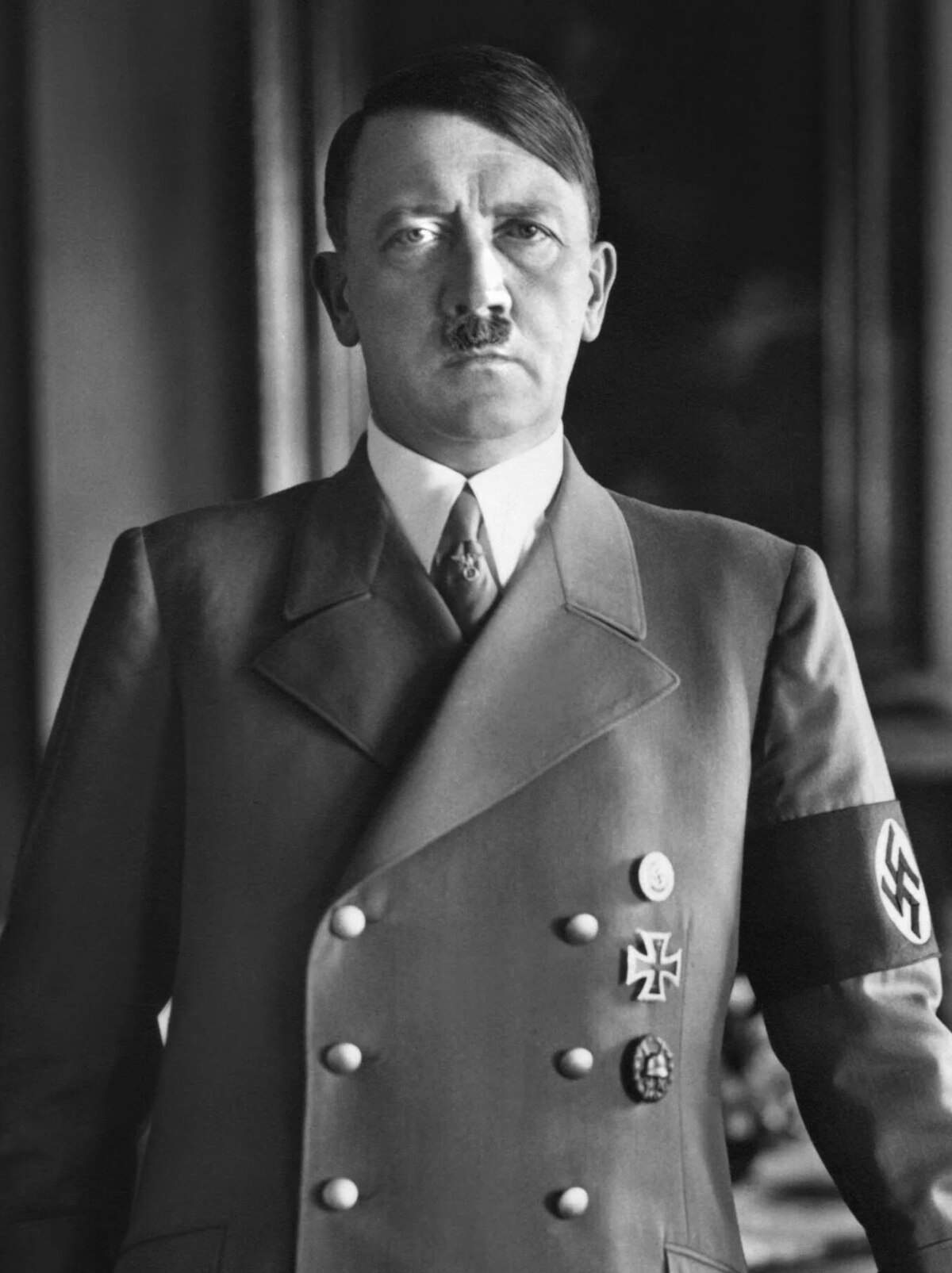
Adolf Hitler (archive footage)
Played by Adolf Hitler
Appears solely as archival material to illustrate the horrors of war and totalitarian cruelty. The film uses this historical footage to contextualize the depths of human violence and the consequences of ideological power.
- 🪖 History
- 💀 War
- 🧭 Politics
- LO
Leader of Flesh Eating Cult
Played by John Alan Schwartz
An uncredited figure representing ritual violence and cannibalistic practices glimpsed in the footage. The segment uses this character to embody the extremities of human savagery and the mystery surrounding violent cults.
- 🧭 Cult
- 💀 Violence
- 🗺️ Crime
- DT
Dr. Thomas Noguchi
Played by Thomas Noguchi
Self — a prominent figure at the Los Angeles County coroner’s office who embalms corpses and provides perspective on embalming and mortality. His dialogue emphasizes that life is a transitory state and offers a forensic lens on death.
- 🧬 Forensic
- 🩺 Medicine
- 🕵️♂️ Pathology
- SB
Samuel Berkowitz
Played by Samuel Berkowitz
Self — Cryogenics patient whose body is preserved after death, with fluids replaced by a low-freezing-point liquid and stored in a freezer for potential revival. His segment highlights the modern science seeking to 'defy' death and raises questions about revival and the nature of life.
- 🧪 Cryonics
- 🧬 Science
- 🩸 Mortality
- ME
Mary Ellen Brighton
Played by Mary Ellen Brighton
Self — suicide victim shown jumping from a window, a stark image within the film’s exploration of the many faces of death. Her inclusion underscores the immediacy and personal tragedy of suicide as part of the broader mosaic of mortality.
- 🕯️ Suicide
- 💀 Tragedy
- 🗺️ Social issues
Where and When Is Faces of Death Set?
Faces of Death is set in Los Angeles, California, Louisville and Kentucky. Here is why the place matters to the story.
Where
Los Angeles, California, Louisville, Kentucky
The film is anchored in Los Angeles, with scenes set in the Los Angeles County coroner's office and other medical settings that illustrate how death is processed. It also travels to Louisville, Kentucky, to depict a disturbing segment involving a venomous snake cult. Across hospitals, morgues, crime scenes, and accident sites, the imagery contrasts everyday life with the visceral realities of death.
- 🗺️ Urban settings
- 🧪 Medical
- 🕯️ Mortality
- 🧭 Documentary
What Are the Themes of Faces of Death?
3 ideas the story keeps returning to, among them Death Reality, Ethics of Violence and Afterlife and Belief.
-
01
Death Reality
Faces of Death treats death as a constant, not a distant concept, by juxtaposing animal fatalities, assassinations, war footage, accidents, and suicides. Gröss’s narration invites viewers to confront death as a perceptible phenomenon rather than a distant abstraction. The film questions whether medical and scientific depictions soften the horror or deepen the understanding of mortality. Ultimately, death is presented as a transitional state, not an absolute end.
-
02
Ethics of Violence
The montage of killers, political violence, and criminal acts raises moral questions about responsibility, causality, and justification. It asks whether society bears some blame for the circumstances that give rise to murder and atrocity. The contrast between killing for money, political motives, or senseless violence challenges viewers to weigh justice, vengeance, and humanity. The ethical ambiguity is left for the viewer to interpret.
-
03
Afterlife and Belief
Segments exploring paranormal phenomena and the belief in spirits introduce the idea that death might not be the end. Parapsychologists and conversations about ghosts with architect Joseph Binder frame death as a possible continuation of presence beyond physical life. The film suggests that the soul or memory can endure as a traveler, inviting contemplation rather than definitive answers. It closes with a hopeful contrast between birth and blissful moments of family and arrival.
What Kind of Film Is Faces of Death?
Dark in tone, with steady pacing and a straightforward story, going by the plot summary.
- Tone
- Dark
- Pacing
- Steady
- Story
- Straightforward
- Intensity
- High
- Ending
- Happy
A stark and often graphic documentary that confronts viewers with the brutal reality of death through various footage, creating an intensely disturbing yet philosophically contemplative viewing experience.
- graphic
- clinical
- contemplative
- unflinching
- philosophical
- somber
- mortality
- death investigation
- violence
- suicide
Content notes: graphic violence, animal death, suicide, war atrocities, human remains, execution.
Quiz
How well do you remember Faces of Death? Test yourself on the story.

