Faces of Death 1978



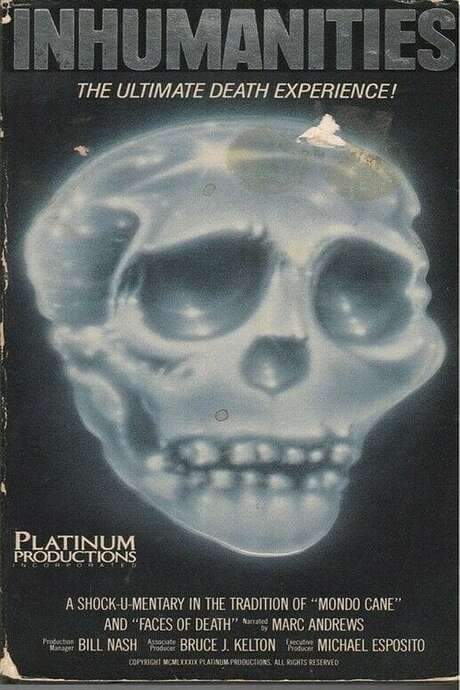
A stark, unflinching compilation that places viewers face‑to‑face with the graphic reality of death. It assembles a range of fatal footage—from polished television segments to amateur super‑8 home recordings—each depicting death by various means, offering a raw, close‑up look at mortality.

Does Faces of Death have end credit scenes?
No!
Faces of Death does not have end credit scenes. You can leave when the credits roll.
Where to Watch Faces of Death
See current US streaming, rental, and purchase options for Faces of Death (1978) via JustWatch.

AMC Plus Apple TV channel
HD
AMC+
HD
AMC+ Amazon Channel
HD
Shudder
HD
Fandango at Home Free
HD
Mometu
HD
Plex
HD
Plex Channel
HD
Tubi TV
SD
Xumo Play
HD
Apple TV Store
4K Fandango At Home
SD
Google Play Movies
SD
YouTube
SD Streaming availability powered by 
Meet the Full Cast and Actors of Faces of Death
Explore the complete cast of Faces of Death, including both lead and supporting actors. Learn who plays each character, discover their past roles and achievements, and find out what makes this ensemble cast stand out in the world of film and television.

External Links and Streaming Options
Discover where to watch Faces of Death online, including streaming platforms, rental options, and official sources. Compare reviews, ratings, and in-depth movie information across sites like IMDb, TMDb, Wikipedia or JustWatch.





Take the Ultimate Faces of Death Movie Quiz
Challenge your knowledge of Faces of Death with this fun and interactive movie quiz. Test yourself on key plot points, iconic characters, hidden details, and memorable moments to see how well you really know the film.
Faces of Death (1978) Quiz: Test your knowledge of the documentary-style film "Faces of Death" released in 1978.
Who is the narrator and surgeon who guides the viewer through the film's exploration of mortality?
Full Plot Summary and Ending Explained for Faces of Death
Read the complete plot summary of Faces of Death, including all major events, twists, and the full ending explained in detail. Explore key characters, themes, hidden meanings, and everything you need to understand the story from beginning to end.
After performing an unsuccessful open heart surgery, Dr. Francis B. Gröss tells the audience that he is drawn to the transitional moments of life and death, a fascination sharpened by a recurring dream. His experiences as a surgeon have made him numb to the more grotesque elements of death, yet he has assembled a wide array of footage to map the many faces of mortality. The film unfolds as a documentary-like journey through images and narration, inviting viewers to weigh what death means from a clinical, philosophical, and even spiritual perspective.
Footage opens with stark scenes of animal deaths, followed by human violence captured on camera. Gröss describes a violent retaliation from a creature that has endured abuse, signaling a recurring theme: humanity’s own capacity for harm. The sequence slides into recordings of assassinations and other killings, and Gröss observes that humans often kill for reasons tied to greed or power rather than necessity. A notable moment is an interview with John Alan Schwartz as the Leader of Flesh Eating Cult, whose responses provoke questions about motive, belief, and society’s role in violence. The narrative then shifts to a high-tension gunfight between a SWAT team and a gunman; when the gunman’s house is searched, the remains of his stabbed family underscore the double-edged nature of force and punishment, prompting Gröss to ask whether social structures can ever excuse or explain such actions. In a stark moral turn, the film juxtaposes an execution by electric chair with Gröss’s lingering question: do two wrongs make a right?
The examination moves to the Los Angeles County coroner’s office, where Dr. Thomas Noguchi performs autopsies on several bodies. The images range from a bloated drowned woman to a decapitated figure, exposing the clinical detail behind death’s anatomy. Gröss asks Noguchi what happens to the self after death, and Noguchi replies simply that life is a transitory state. This segment also introduces the concept of preserving the dead for future science: a man named Samuel Berkowitz undergoes cryopreservation, his body replacement fluids cooled and stored with the hope of revival. Gröss reflects on the promise and peril of such technology, weighing the lure of revival against the ethical costs.
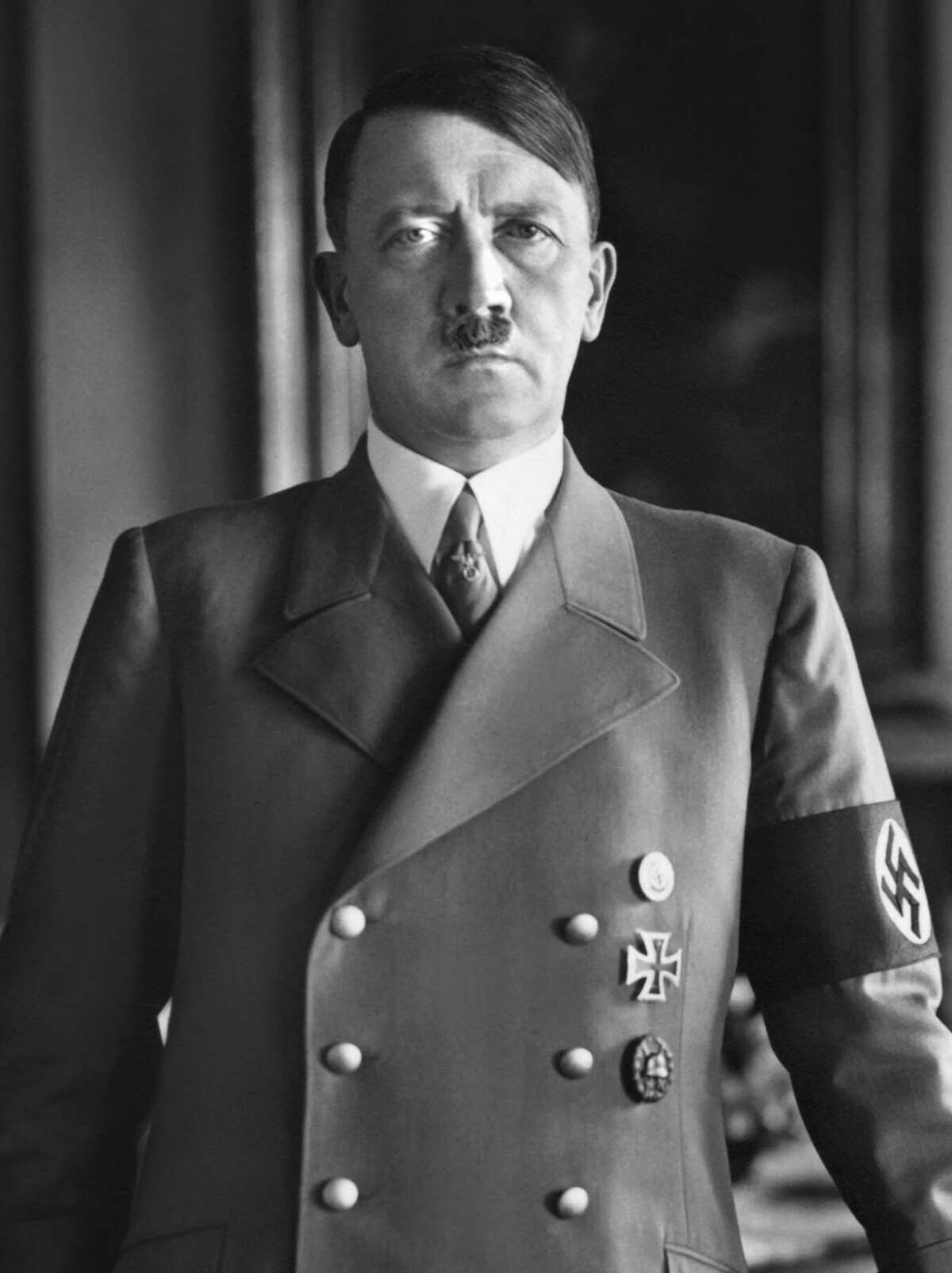
A brief foray into the topic of suicide follows, with footage of a woman leaping from a building. Gröss acknowledges this image as one of the “faces of death” he would rather never confront again. The film then broadens its scope to the darker chapters of history, presenting wartime atrocities and the Holocaust. As the footage documents battles, Nazi destruction, and the fall of fascist symbols, Gröss notes that Hitler lost control not only of his army but of his mind, a provocative observation about the limits (and perils) of power.
The documentary continues with scenes of environmental harm and human suffering: polluted landscapes, sick children in impoverished areas, and a variety of perilous accidents in nature. A portion of the film focuses on a venomous snake cult in Louisville, Kentucky, and a cannibalistic cult that desecrates a morgue’s cadaver, culminating in a gruesome orgy. The montage culminates with a fatal parachute jump, where Gröss disputes the idea that the death was quick and painless, insisting the victim would have remained conscious through the fall. The sequence closes with the harrowing aftermath of the PSA Flight 182 crash, featuring photos, air-traffic audio, and wreckage. Witnesses describe the neighborhood’s stench of rot and jet fuel, and Gröss highlights a mutilated torso as one of the most disturbing images of death seen in the film.
Seeking to test the boundaries of the unknown, Gröss then ventures into the realm of the supernatural. He consults with architect Joseph Binder, whose grief over the loss of his wife and son leads him to believe their presence lingers in the family home. To probe further, Gröss enlists parapsychologists who document footprints and apparitions. Binder communicates with his deceased relatives through a medium, a sequence that appears to confirm for some that life persists beyond death. The film uses this case to argue that, in Gröss’s view, “when we die, it isn’t the end,” and that the soul may travel beyond the body.
In its closing statements, the documentary leaves viewers with a contemplative invitation. The mood shifts toward a calmer, more hopeful cadence as the narration suggests that the journey of life continues in another form. The camera finally settles on peaceful imagery: a newborn baby, the quiet bond between mother and child, and the sense that happiness can thrive even after confronting the stark realities of death. Throughout, the film promises a measured, thoughtful exploration rather than a sensationalized spectacle, inviting the audience to interpret the mysteries of mortality for themselves.
life is purely a transitory state
when we die, it isn’t the end
the soul in each of us remains a traveller forever

Coming soon on iOS and Android
The Plot Explained Mobile App
From blockbusters to hidden gems — dive into movie stories anytime, anywhere. Save your favorites, discover plots faster, and never miss a twist again.
Sign up to be the first to know when we launch. Your email stays private — always.
Explore the mobile appWatch Trailers, Clips & Behind-the-Scenes for Faces of Death
Watch official trailers, exclusive clips, cast interviews, and behind-the-scenes footage from Faces of Death. Dive deeper into the making of the film, its standout moments, and key production insights.
Faces of Death Themes and Keywords
Discover the central themes, ideas, and keywords that define the movie’s story, tone, and message. Analyze the film’s deeper meanings, genre influences, and recurring concepts.
Faces of Death Other Names and Titles
Explore the various alternative titles, translations, and other names used for Faces of Death across different regions and languages. Understand how the film is marketed and recognized worldwide.
Similar Movies To Faces of Death You Should Know About
Browse a curated list of movies similar in genre, tone, characters, or story structure. Discover new titles like the one you're watching, perfect for fans of related plots, vibes, or cinematic styles.




Quick Links: Summary, Cast, Ratings, More

What's After the Movie?
Not sure whether to stay after the credits? Find out!
Check out our other apps:

SAT Sphere
Build confidence for the Digital SAT.

Mori Atlas
Discover wild places worth protecting.

Luntero
Search smarter for a home in Amsterdam.

Plot Explained
Unravel movie endings and hidden clues.

Pokechamp
Dive into Pokémon data and battle logic.

Driving Theory
Get ready for your European theory test.

Movie Dust
Plan your next cinema trip with ease.

Musemap
Find art and culture as you travel.

Selkobase
Compare credentials before committing.

Local Manual
Turn an unfamiliar country into practical next steps.

Lernavi
Compare school systems before your next move.

GymRoam
Find a workout stop wherever your plans take you.
Explore Our Movie Platform
New Movie Releases (2026)
Famous Movie Actors
Top Film Production Studios
Movie Plot Summaries & Endings
Major Movie Awards & Winners
Best Concert Films & Music Documentaries
Movie Collections and Curated Lists
© 2026 What's After the Movie. All rights reserved.
Privacy Policy