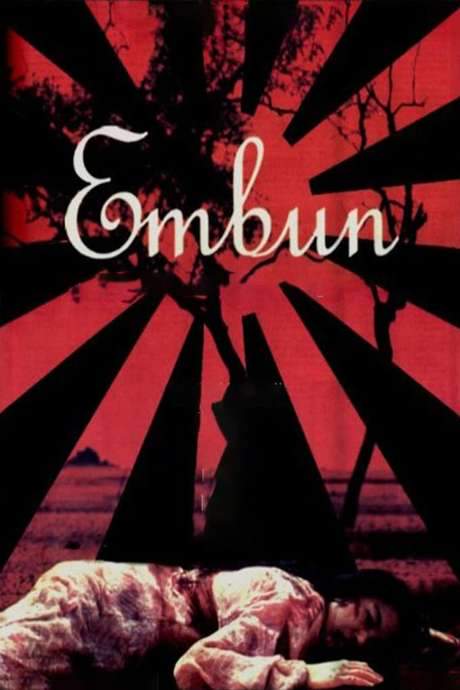


Embun Plot Summary
Read the complete plot summary and ending explained for Embun (2002). From turning points to emotional moments, uncover what really happened and why it matters.
Embun is an ordinary village resident living during the Japanese occupation of Malaya. At seventeen, she stands out not just for her youth but for a fierce spirit of liberation that sets her apart from many women of her time, who are often confined to kitchens or silenced by tradition. Embun embodies a quiet courage that pushes against the constraints of colonial rule, and she carries within her a belief that change can begin at the most intimate, everyday moments of her life.
Her brother, Bayu, anchors this conviction in a broader political frame. A driving force of the Young Malay Union in Bayan Lepas, Penang, Bayu is deeply engaged in the cause his sister also begins to feel—that upheaval could be harnessed to free the Malays from British colonial domination. They share a vision shaped by the era’s towering slogans: “Asia for Asians” and the “Greater East Asia Co-Prosperity Sphere” that the Japanese authorities had been promoting in the lead-up to their takeover. Bayu’s devotion to these ideas reflects a generation hungry for autonomy, and Embun watches as his steadfast loyalty to this movement draws her into a more complicated alliance with the occupiers’ promises.
The story intensifies when a year after the Japanese arrival, Bayu is arrested for organizing a protest rally against the new regime. That arrest becomes the catalyst for Embun’s ascent from a witness to a participant in a dangerous resistance. Determined to help her brother, she seeks an audience with General Kurugawa, hoping to secure Bayu’s release and to press for a future in which Malays might shape their own fate rather than be subjected to colonial rule. Her efforts draw a harsh counterforce: Embun is captured by Lieutenant Akishi, and she endures a brutal assault during the encounter. It is a moment of profound violation and fear, yet it is also a turning point that tests her resolve and her capacity to persevere.
In a moment of unlikely mercy, Lieutenant Koishi—a Japanese officer who has recently arrived and who witnesses Embun’s suffering—steps in and saves her from further harm. This act complicates the moral landscape of the conflict, because Koishi’s intervention hints at loyalties and motives that lie beyond simple enemy-ally binaries. The news of Embun’s assault, and the sorrow that follows with the death of her father, Pak Harun, deepens her grief while sharpening her resolve. The loss heightens her sense of injustice and fuels a more intense commitment to resisting the oppressors, even as she contends with the personal consequences of taking a stand.
With Koishi’s assistance, Embun gains access to General Kurugawa to advocate for Bayu’s release. The negotiations reveal a cruel trade: Bayu’s freedom comes with a condition. He is asked to work with Koishi to persuade the Malays to support the Japanese through a development program in Kampung Bukit, Bayan Lepas. This arrangement places Embun and Koishi into a fraught alliance that crosses lines of enemy and ally, loyalty and risk, love and betrayal. The partnership between Embun and Koishi grows more intimate as they navigate the delicate balance of helping a community while bending to the terms of a regime that seeks to manipulate it.
Suspicion, however, soon threads through the arrangement. Akishi grows wary of Koishi’s true loyalties and uncovers evidence that Koishi has aided the Malays in resisting the Japanese occupation. The revelation triggers a deadly crisis: Koishi’s life is endangered as Akishi demands punishment for both Koishi and Embun. The tension culminates in violence and lethal decisions, as Koishi ultimately dies in the struggle, a casualty of a conflict that blurs moral lines and tests every fiber of Embun’s courage.
In the aftermath, Embun acts to avenge Koishi’s death by turning her fury toward Akishi, stabbing him in a moment of raw retribution. The act marks a stark culmination of Embun’s transformation from a village resident with a burning sense of justice into a figure whose personal pain becomes a vehicle for resistance. Her journey, though consumed by tragedy, leaves a portrait of resilience in the face of occupation—a portrait that recognizes the human cost of war and the costly toll of standing up for one’s people.
The narrative unfolds with a careful attention to the complexities of resistance under occupation. It presents Embun as a beacon of determination who dares to challenge the status quo not only through direct confrontation but also by engaging with the networks, negotiations, and uneasy alliances that such a fight necessitates. The film shows how the interplay between personal trauma and political aspiration can fuel a stubborn, enduring fight for dignity and freedom, even when the odds are stacked by a regime intent on coercion and control. At its core, the story is about the resilience of a young woman who refuses to surrender to the circumstances imposed upon her, choosing instead to turn pain into purpose and to seek a future in which her people might claim their own agency.
In a broader sense, the tale examines the costs and consequences of resistance, the dangerous gray areas of collaboration versus subversion, and the way intimate relationships can become both lifelines and liabilities in times of upheaval. It is a narrative of courage shaped by loss, a reminder that liberation movements are forged through sacrifices large and small, and that the lines between oppressor and ally can blur when survival, justice, and ambition all hang in the balance.
Embun Timeline
Follow the complete movie timeline of Embun (2002) with every major event in chronological order. Great for understanding complex plots and story progression.
Japanese occupation begins
The Japanese forces land and declare occupation across Malaya, changing daily life for Embun and her village. Propaganda slogans like Asia for Asians begin circulating, shaping loyalties. Embun senses a growing urge to resist and to act beyond traditional roles.
Bayu arrested for protesting
One year after the Japanese arrival, Bayu is arrested for organizing a protest against the occupation. Embun learns of his detention and vows to seek his release. The crackdown signals the risks faced by Malay nationalists in Bayan Lepas.
Embun tries to meet General Kurugawa
Embun plucks up courage to request General Kurugawa's intervention for Bayu's release. She travels to seek an audience and appeal to the occupying force on behalf of her brother. Her action marks a shift from passive resistance to direct confrontation with the occupiers.
Embun captured and rescued by Koishi
During the outreach, Embun is captured by Lieutenant Akishi and subjected to brutal violence. The assault tests her spirit, yet Koishi intervenes and saves her. The rescue deepens Embun's resolve and begins a complicated bond with Koishi.
Pak Harun is killed
Embun's father, Pak Harun, is killed, plunging the family into grief. His death intensifies Embun's anger toward the occupation and strengthens her resolve. The loss adds personal stakes to the struggle for Malay freedom.
Embun's resolve to resist grows
Fueled by her father's death, Embun becomes more passionate in her resistance to the Japanese. She channels her anger into renewed political activity and bonds with Malay nationalists. Her determination marks a turning point in her personal journey.
Meeting Kurugawa arranged with Koishi's help
With Koishi's assistance, Embun secures a meeting with General Kurugawa to discuss Bayu's release. The exchange shows the occupiers' willingness to negotiate under pressure, albeit within a framework that promotes collaboration. The meeting sets in motion a plan that ties Bayu's freedom to Malay support for a development program.
Bayu released and tasked with promoting the program
Bayu is released on the condition that he and Koishi persuade Malays to back the Japanese through a development program in Kampung Bukit, Bayan Lepas. Embun's brother joins the project, trading immediate freedom for political influence. The day marks a strategic blend of coercion and persuasion in the occupation.
Embun and Koishi's bond deepens
As they work together on the development plan, Embun and Koishi grow closer, their relationship evolving beyond mere cooperation. The evolving bond complicates their roles in the conflict, adding personal risk to their collaboration. Their closeness mirrors the larger tension between allegiance and affection within the colonial setting.
Akishi suspects Koishi and betrayal is uncovered
Lieutenant Akishi grows suspicious as Koishi helps the Malays resist the Japanese. He discovers Koishi has betrayed his own command by aiding Embun and the Malays. The revelation fuels a new threat against Embun and Koishi.
Koishi is killed
Koishi dies in the conflict, leaving Embun heartbroken and more resolute. The death becomes a turning point, galvanizing Embun to act with renewed fury. Overwhelmed by grief, she plots to avenge him against Akishi.
Embun avenges Koishi by stabbing Akishi
In a final act of vengeance, Embun confronts Akishi and stabs him. Her act closes the cycle of violence, delivering personal justice for Koishi and the cause. The film leaves her at the brink of continuing resistance against the occupiers.
Embun Characters
Explore all characters from Embun (2002). Get detailed profiles with their roles, arcs, and key relationships explained.
Embun (Umie Aida)
A 17-year-old Malay girl with a fierce spirit who evolves from a village resident into a determined resistance fighter. She endures capture and trauma yet remains focused on freeing her people, driven by family losses and a hunger for liberation.
Koishi
A Japanese lieutenant who saves Embun at a critical moment and later collaborates with her to influence Malay support for the occupation's development program. His loyalties are conflicted, making him a pivotal and tragic figure whose fate intertwines with the resistance.
Bayu
Embun's brother and the driving force of the Young Malay Union in Bayan Lepas. He organizes protests against the Japanese arrival and becomes a focal point for Embun's resolve in the resistance.
Pak Harun
Embun's father, whose death becomes a galvanizing moment for Embun's commitment to resisting the occupiers and pursuing Malay liberation.
Embun Settings
Learn where and when Embun (2002) takes place. Explore the film’s settings, era, and how they shape the narrative.
Time period
1940s
The events take place during World War II when Japan occupied Malaya. Propaganda slogans like Asia for Asians and the Greater East Asia Co-Prosperity Sphere shape an atmosphere of coercion and manipulation. Occupation forces crack down on dissent while locals organize protests and resistance activities.
Location
Bayan Lepas, Penang, Malaya
Embun's story unfolds in a coastal Malay village in Bayan Lepas on Penang Island during the Japanese occupation of Malaya. The community endures military rule, propaganda, and shifting loyalties as locals weigh collaboration against resistance. Life centers on the village and its networks of family and neighbors navigating fear and the push for Malay self-determination.
Embun Themes
Discover the main themes in Embun (2002). Analyze the deeper meanings, emotional layers, and social commentary behind the film.
🪖
Resistance
Embun and her allies oppose the Japanese occupation, turning personal losses into political action. The story shows how courage, strategic choices, and sacrifice fuel a grassroots struggle for Malay autonomy. The tension between loyalty to family and duty to the movement drives the narrative.
💪
Empowerment
Embun defies traditional female roles, stepping into leadership during a crisis. Her activism and persistence reveal female agency in wartime, including uneasy alliances that shape the resistance. The narrative highlights how empowerment can alter power dynamics under occupation.
💔
Betrayal & Sacrifice
Alliances fracture as loyalty and danger collide: Koishi's involvement, Akishi's pursuit of punishment, and Embun's vow of vengeance frame the costs of war. The characters face moral ambiguity and personal loss amid the broader fight for justice. Sacrifice becomes the bridge between enemies and allies, shaping the story's consequences.

Coming soon on iOS and Android
The Plot Explained Mobile App
From blockbusters to hidden gems — dive into movie stories anytime, anywhere. Save your favorites, discover plots faster, and never miss a twist again.
Sign up to be the first to know when we launch. Your email stays private — always.
Explore the mobile appEmbun Spoiler-Free Summary
Discover the spoiler-free summary of Embun (2002). Get a concise overview without any spoilers.
In the sweltering heat of 1940s Malaya, the islands pulse under the weight of a foreign occupation that reshapes daily life with constant surveillance and whispered resistance. The countryside and bustling markets are tinged with both the rigid order imposed by the Japanese army and the lingering hope of a people accustomed to navigating colonial pressures. Light filters through palm fronds onto streets where ordinary conversations carry double meanings, and every rustle of fabric may conceal a longing for freedom. The film’s tone is quietly intense, blending the stark realities of war with the intimate cadence of village life, inviting the audience to feel the tension that lingers in every breath.
Embun steps into this world as a seventeen‑year‑old whose fierce spirit sets her apart from the expectations placed on young women in her community. Raised in a modest village, she watches her older brother, Bayu, rally fellow youths around the promise of self‑determination, while her father’s quiet strength anchors her sense of duty. When the occupying forces detain both Bayu and her father, Embun’s resolve is tested, thrusting her from the periphery into the heart of a burgeoning resistance. Her character balances youthful idealism with a growing awareness of the heavy costs that defiance can entail, making her both a symbol of hope and a deeply personal conduit for the film’s emotional core.
Enter Koishi, a Japanese army public‑relations officer whose official mission is to win Malay support for the occupiers. Beneath the polished veneer of his duties lies a private quest: he seeks the Malay man who married his mother, a former Japanese spy, adding a tangled thread of personal history to the broader conflict. Koishi’s presence introduces a nuanced dynamic, where cultural bridges and hidden agendas intersect, prompting Embun to confront the blurred lines between ally and adversary. Their tentative connection hints at unexpected alliances forming amid the chaos, underscoring the film’s exploration of loyalty, identity, and the fragile humanity that persists even in wartime.
Together, these characters illuminate a world where ordinary lives are caught in extraordinary circumstances. The story unfolds with a measured, atmospheric style that favors lingering glances and unspoken questions over overt exposition. By focusing on the quiet courage of a young woman and the complex motives of a foreign officer, the film invites viewers to contemplate the subtle forces that shape resistance and the enduring spirit that refuses to be silenced.
Featured on this page

What's After the Movie?
Not sure whether to stay after the credits? Find out!
Check out our other apps:

SAT Sphere
Build confidence for the Digital SAT.

Mori Atlas
Discover wild places worth protecting.

Luntero
Search smarter for a home in Amsterdam.

Plot Explained
Unravel movie endings and hidden clues.

Pokechamp
Dive into Pokémon data and battle logic.

Driving Theory
Get ready for your European theory test.

Movie Dust
Plan your next cinema trip with ease.

Musemap
Find art and culture as you travel.

Selkobase
Compare credentials before committing.

Local Manual
Turn an unfamiliar country into practical next steps.

Lernavi
Compare school systems before your next move.

GymRoam
Find a workout stop wherever your plans take you.
Explore Our Movie Platform
New Movie Releases (2026)
Famous Movie Actors
Top Film Production Studios
Movie Plot Summaries & Endings
Major Movie Awards & Winners
Best Concert Films & Music Documentaries
Movie Collections and Curated Lists
© 2026 What's After the Movie. All rights reserved.
Privacy Policy