What Is Elephant Walk About?
The premise of Elephant Walk in 314 words, with nothing given away. The full story follows below.
In the waning days of the Second World War, a sprawling tea plantation on the island of Ceylon becomes a sanctuary of luxury and latent unrest. The estate, known as Elephant Walk, is perched among verdant hills and ancient pathways once trodden by migrating herds, its stone walls and manicured gardens speaking of a bygone colonial grandeur while the surrounding jungle hints at forces beyond human control.
John Wiley returns from England with fresh memories of conflict and a determination to claim his inheritance. He swiftly unites with Ruth, an Englishwoman of striking beauty, and brings her to the remote bungalow his father—once the Governor—had built. Their marriage promises a new chapter, yet the house is saturated with the lingering expectations of a patriarch who still casts a long shadow over every decision, and John’s own confidence sometimes borders on the imperious.
Within the estate’s ordered rhythm, Dick Carver, the plantation’s capable manager, moves with quiet competence, his steady presence offering both support and an undercurrent of something more intimate for the newly arrived Ruth. Meanwhile, Appuhamy, the principal servant, embodies the lingering loyalty to the former Governor, his courteous reserve masking a deep‑seated allegiance to the traditions that bind the household. The social hierarchy is clearly defined, but the isolation of being the sole European woman in the district leaves Ruth navigating a delicate balance between privilege and solitude.
The atmosphere of Elephant Walk is a lush tapestry of opulence and unease, where the scent of tea leaves mingles with the distant rumble of unseen wildlife. The ever‑present herd of elephants, roaming just beyond the cultivated borders, serves as a reminder that nature’s ancient cadence cannot be fully tamed. Within this striking but fragile world, personal desires, inherited obligations, and the quiet tension of a colony in transition promise a story that lingers long after the first steps onto the path are taken.
What Happens in Elephant Walk?
The complete story of Elephant Walk, from the first scene to the last, in 643 words (about 3 minutes). Spoilers throughout. Names in the text link to 3 cast member pages.
Spoilers ahead
Colonial tea planter John Wiley, Peter Finch, returns home from a long visit to England at the end of World War II and quickly binds himself to Ruth, Elizabeth Taylor, marrying her and bringing her to Elephant Walk Bungalow—the plantation house his father built in Ceylon. On the road to their new life, a bull Indian elephant blocks their path, and John, in a display of fear and control, drives it away with a few stern gunshots. The moment hints at a deeper current: John is still under the shadow of his father, the former “Governor,” and his mother’s unhappiness at Elephant Walk has left a lasting mark.
Ruth soon learns that the new home comes with a weighty, almost ceremonial hierarchy. Appuhamy, the principal servant, treats Ruth with a courteous reserve that nonetheless signals a deeper loyalty to the late Governor. The Governor’s tomb in the garden, and a grand portrait kept in a locked room, cast a looming figure over the house. Appuhamy’s regularly spoken grievances about the new mistress add a simmering tension to an otherwise genteel atmosphere, and his presence introduces a subtle, ever-present menace.
The estate earns its name from a long history: Elephant Walk sits along a route once used by a migrating herd seeking a distant water source, a path now blocked by walls and the plantation’s defense. Ruth’s early enchantment with tropical wealth and luxury fades as she feels increasingly isolated—she is the only European woman in the district—and she navigates John’s occasional imperious temper, Appuhamy’s polite defiance, and a growing, forbidden attraction to Dick Carver, the plantation manager. The tension between duty, desire, and the old social order hues every scene as the looming elephants remain as a constant, ominous presence beyond the walls.
The balance shifts dramatically when a cholera epidemic sweeps through the district. Ruth immerses herself in relief work, earning the admiration of those around her and—more importantly—earning a place for herself in the community. It is during this crisis that Appuhamy confesses that he may have misread Ruth’s intentions and that he hopes she will stay. Ruth’s actions begin to transform John; she helps him see that Elephant Walk’s hold on him, and on their marriage, is tied to the memory of his father rather than to a future of their own making. The moment becomes a turning point: for John and Ruth to become their own people, they must depart.
Their decision is sealed not by choice alone but by catastrophe. The elephants finally breach the defences, breach the wall, and stampede across the grounds, dragging the old order into collapse. Appuhamy is killed in the chaos as the house is stormed by the herd, the elephant attack tearing through the property. Elephant Walk Bungalow is destroyed by fire, and the portrait of the Governor burns to ash, symbolically erasing the past. John and Ruth escape the collapsing mansion, leaving behind a ruined legacy and a threatening, unsettled future. Dick Carver, who has watched them from a distance, recognizes a truth he cannot change: Ruth’s heart now lies with a different future, not with him.
As the rain begins to fall and the smoke clears, John and Ruth stand together on the hillside above the wreckage, facing a new dawn. Ruth speaks softly, and John answers with a quiet resolve to abandon the old home for a new one. The moment is bittersweet and decisive: a reconciliation with the past is not possible, but a hopeful, shared future is within reach.
“I’m sorry.”
“I’m not.”
“Let them have their Elephant Walk. Ruth, we’ll build a new place – a home – somewhere else!”
A final, clarifying note closes the tale: the bull elephant from the road raises his trunk in a mighty trumpet call, signaling the end of the old era and the uncertain beginning of a new one.
Elephant Walk Timeline: Every Key Event in Order
12 key events in the order they happen, from “Marriage in England and departure for Elephant Walk” to “Final sign from the elephant”. 12 events name a place, across 8 locations.
- 1
Marriage in England and departure for Elephant Walk
Colonial tea planter John Wiley, visiting England at the end of World War II, marries Ruth. After the wedding they prepare to return to his family estate at Elephant Walk Bungalow in Ceylon. The union is set against the shadow of the Governor’s memory and the challenge of a new life ahead.
When:1945 Where:England
- 2
Journey to Elephant Walk
On the road back to Elephant Walk, a bull elephant blocks the path and menaces them. John fires a few shots to drive the animal away, illustrating his need to control danger. Ruth watches with a mix of fear and fascination as the wild landscape asserts itself.
When:1945 Where:Road to Elephant Walk, Ceylon
- 3
The Governor's memory and the locked portrait
Ruth discovers that John remains dominated by his dead father, known as 'The Governor'. A large portrait of the Governor sits in a locked room, and Appuhamy regularly speaks of the old regime with quiet hostility. The house’s power structure begins to close in around Ruth.
Where:Elephant Walk Bungalow, Ceylon
- 4
Appuhamy's loyalty and tension
Appuhamy’s polite exterior barely masks his insubordination toward Ruth and his allegiance to the Governor’s memory. He signals latent loyalty to the old regime and treats the new mistress with guarded deference. This tension foreshadows trouble ahead.
Where:Elephant Walk Bungalow, Ceylon
- 5
The tale behind Elephant Walk's name
John explains that Elephant Walk sits on a traditional elephant migration route to a water source. The elephants still attempt to pass, but walls and the staff’s vigilance keep them at bay. The land itself haunts Ruth with reminders of power and tradition.
Where:Elephant Walk Bungalow, Ceylon
- 6
Ruth’s isolation and romantic tension
Ruth feels isolated as the only European woman in the district, facing John’s occasional arrogance and the lingering presence of Appuhamy. She also experiences a growing attraction to Dick Carver, the plantation manager, while the elephants loom as a constant threat. The combination deepens her sense of entrapment.
Where:Elephant Walk estate, Ceylon
- 7
Cholera outbreak and Ruth's relief work
A cholera epidemic sweeps the district, and Ruth becomes indispensable as a relief worker. Her competence earns respect and shifts some power dynamics within the household. Appuhamy confesses to the Governor that his assessment of the new mistress was wrong and hopes she will stay.
When:late 1940s Where:Elephant Walk district, Ceylon
- 8
Turning point: Ruth inspires change
Ruth’s dedication prompts John to see that remaining at Elephant Walk would keep him tethered to his father’s memory. They realize they must leave to forge their own identity. The decision marks a turning point in their marriage and future.
When:late 1940s Where:Elephant Walk Bungalow, Ceylon
- 9
The break-through and the tragedy
The elephants finally break through the wall and stampede across the grounds. Appuhamy is killed in the chaos as the bungalow is smashed by fire, and the Governor’s portrait burns, signaling the end of the old regime. John and Ruth escape as the house collapses around them.
When:late 1940s Where:Elephant Walk Bungalow, Ceylon
- 10
Escape and heartbreak
John and Ruth flee into the hills above the estate while Dick Carver watches and realizes Ruth will never be his. The crisis reorients their lives and seals the fate of the old order.
When:late 1940s Where:Hills above Elephant Walk, Ceylon
- 11
Resolution: a new home ahead
As rain begins to fall over the burning estate, Ruth apologizes for her stance and John responds that he isn’t. They resolve to build a new home elsewhere and leave Elephant Walk behind, choosing a future together over the past.
When:late 1940s Where:Above Elephant Walk, Ceylon
- 12
Final sign from the elephant
A bull elephant raises his trunk and trumpets a final call, signaling nature’s enduring power beyond human history. The screen fades with the End, leaving the couple poised for a new beginning.
Where:Road near Elephant Walk, Ceylon
Who Are the Main Characters in Elephant Walk?
4 characters, among them John Wiley (Peter Finch), Ruth Wiley (Elizabeth Taylor) and Dick Carver (Dana Andrews): who each one is and the part they play in the story. Every profile links to the actor’s page.
-
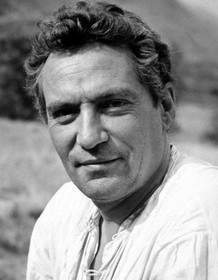
John Wiley (Peter Finch)
Played by Peter Finch
A colonial tea planter who returns from England after World War II and marries Ruth. He remains emotionally dominated by his dead father, The Governor, and struggles to define himself beyond the old regime. His temper and occasional arrogance strain his marriage and test Ruth's resolve as she asserts her own agency.
- 🎩 Aristocracy
- 💼 Family Legacy
- 🗝️ Authority
-

Ruth Wiley (Elizabeth Taylor)
Played by Elizabeth Taylor
The European wife who finds herself isolated in a remote plantation district. She proves capable during a cholera relief effort, challenging the household's power dynamics and eventually deciding that they must leave Elephant Walk. Her relationship with John and her evolving independence drive the film's emotional core.
- 💍 Matrimony
- 🌍 Isolation
- 🕊️ Resilience
-
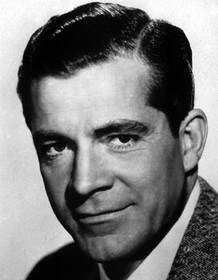
Dick Carver (Dana Andrews)
Played by Dana Andrews
The plantation manager who becomes a focal point of Ruth's attraction. Practical and professional, he stands between John’s old guard and Ruth’s new aspirations, ultimately realizing Ruth will not be his to keep. His presence highlights the tension between desire and social boundaries on the estate.
- 💼 Plantation Manager
- ❤️ Forbidden Love
- 🤝 Tension
- A(
Appuhamy (Abraham Sofaer)
Played by Abraham Sofaer
The principal servant whose loyalty remains tied to the Governor’s memory. He speaks to the Governor's tomb and embodies the old order, even as his own attitude toward Ruth reveals a polite insubordination. He confesses his misjudgment of the new mistress, and he dies when the elephants break through, marking the regime's end.
- 🧭 Loyalty
- 🗝️ Authority
- 🌒 Superstition
Where and When Is Elephant Walk Set?
Elephant Walk is set in Elephant Walk Bungalow and Ceylon (late 1940s). Here is why the time and place matter to the story.
When
late 1940s
The events unfold in the immediate post-World War II era, a time of lingering colonial power and social change. Ruth arrives to join John at Elephant Walk as Britain adjusts to a changing world, while public health crises like a cholera epidemic test the community. The era ends with a dramatic upheaval as nature and old authority collide, signaling a break from the past.
Where
Elephant Walk Bungalow, Ceylon
Elephant Walk Bungalow is the colonial plantation house at the story's center, located in Ceylon. It sits beside an elephant migration route, where the animals repeatedly approach the water despite the walls and the servants' watchful eyes. The estate embodies old wealth and authority, with the Governor's portrait watching over the rooms and the social order it stabilizes.
- 🌴 Tropical
- 🏛️ Colonial Estate
- 🗺️ Asia
What Are the Themes of Elephant Walk?
3 ideas the story keeps returning to, among them Power & Legacy, Isolation & Change and Nature vs Civilization.
-
01
Power & Legacy
John Wiley's life is haunted by his dead father, The Governor, and the estate's long-standing authority. The locked room and the Governor's portrait symbolize an unyielding legacy that seeks to define the present. Ruth's entrance challenges that grip, prompting a confrontation with inherited power. The narrative uses the household as a microcosm of colonial rule, its fragility exposed as the couple faces change.
-
02
Isolation & Change
Ruth is the sole European woman in a remote district, making her both conspicuous and pivotal. Her competence during a cholera relief effort begins to tilt local perceptions of her role. A growing attraction to Dick Carver complicates the domestic dynamic, highlighting the limits of Ruth's new-found influence. Ultimately, Ruth and John realize they must depart Elephant Walk to forge a different life.
-
03
Nature vs Civilization
The elephants symbolize a primal force that cannot be fully controlled by walls or social etiquette. Their attempted crossing and eventual stampede break the estate's defenses and the old order alike. The disaster is a literal and symbolic release of Nature challenging a decaying regime. The rainy finale frames a new beginning beyond the ruins of Elephant Walk.
What Kind of Film Is Elephant Walk?
Tense in tone, with steady pacing and a moderate story, going by the plot summary.
- Tone
- Tense
- Pacing
- Steady
- Story
- Moderate
- Intensity
- High
- Ending
- Bittersweet
A steadily paced, tense drama set in a colonial tea plantation, characterized by an oppressive atmosphere of isolation, romantic entanglement, and the ever-looming threat of nature's rebellion against human order.
- oppressive
- isolated
- romantic tension
- ominous
- claustrophobic
- melancholic
- colonialism
- marital strife
- forbidden attraction
- inherited legacy
Content notes: epidemic disease, animal rampage, death of a servant.
Quiz
How well do you remember Elephant Walk? Test yourself on the story.