
What Is Drum About?
The premise of Drum in 336 words, with nothing given away. The full story follows below.
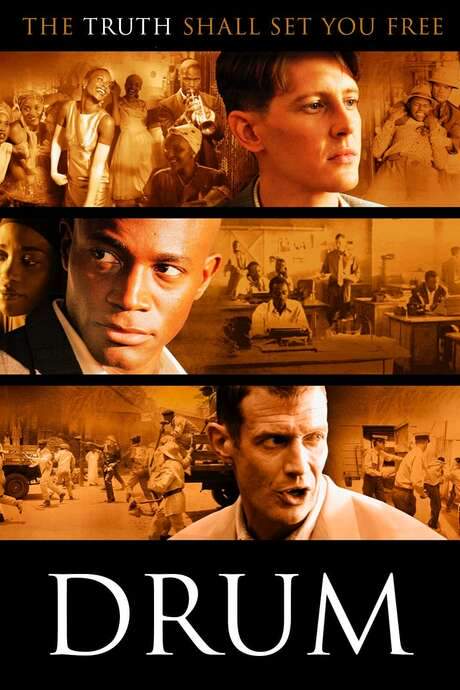
In the bustling heart of 1950s Johannesburg, the township of Sophiatown pulses with a rare blend of freedom and tension. Here, black residents own their homes, music spills into the night, and the streets buzz with a vibrant mix of languages, fashions, and ambitions. Against this backdrop, Drum magazine rises as the continent’s first black lifestyle publication, its glossy pages capturing the hopes, rhythms, and hidden struggles of a community on the brink of profound change. The atmosphere is both celebratory and apprehensive, as the looming shadow of apartheid begins to tighten its grip on the city’s lively streets.
At the center of the story is Henry Nxumalo, a charismatic sportswriter whose reputation for wit and charm makes him a household name in the magazine’s pages. By day he crafts light‑hearted pieces that celebrate the city’s energy; by night he slips into the township’s clubs, where the music is loud and the conversations turn more personal. His restless curiosity about the world beyond the stadiums is matched by a private life that teeters between devotion to his wife and the magnetic pull of a talented singer who inhabits the same nocturnal world.
Drum’s multiracial staff, backed by white investors yet rooted in black culture, creates a crucible for daring ideas. The British editor Jim Bailey pushes Henry to look beyond sports, urging him to probe the deeper stories that shape his readers’ lives. Encouragement from his wife Florence and the quiet counsel of Nelson Mandela stir a growing sense of purpose, hinting that journalism can be a tool for change as much as entertainment. Alongside them, German photographer Jürgen Schadeberg captures the city’s raw edges, adding visual weight to the emerging narrative.
The film’s tone balances kinetic energy with a simmering gravity, reflecting a city where laughter coexists with looming injustice. Its style leans into the colorful textures of Sophiatown while underscoring the uneasy calm before a storm, inviting viewers to wonder how far one journalist will go to let the truth set his community free.
What Happens in Drum?
The complete story of Drum, from the first scene to the last, in 306 words (about 1 minute). Spoilers throughout. Names in the text link to 4 cast member pages.
Spoilers ahead
The story is based on real events and real people, and is set in the mid-1950s, in Sophiatown, a rare freehold township in Johannesburg where Black residents could own property and drink alcohol. It follows Henry Nxumalo, a sportswriter for Drum magazine—the first black lifestyle magazine in Africa.
Drum was financed by white investors and housed a multiracial staff, earning widespread popularity within the community. Henry Nxumalo balances his work with personal life, leaving his wife, Florence Nxumalo, at home as he ventures into the township’s nightlife and begins a romantic involvement with a female singer.
The magazine’s British editor, Jim Bailey, challenges him to cover the township crime scene, and after initial reluctance, Nxumalo agrees to dig deeper than entertainment pieces. On assignment, he encounters a gang leader he had crossed paths with in illegal drinking spots and witnesses a lethal confrontation in Sophiatown.
At first, Nxumalo keeps politics at a distance, but encouragement from his wife and from Nelson Mandela nudges him toward stories with real social impact. When a young man vanishes at a Boer farm and is feared enslaved, Nxumalo goes undercover, taking a laborer’s job where he is treated like a slave and nearly killed.
His investigative pieces—published to wide attention—make him a public figure, and his work expands to prison reporting, reinforcing his self-appointed role as a muckraker. With the support of the German photographer Jürgen Schadeberg, he pushes into riskier territory, seeking truths that challenge the status quo.
Across these efforts, Nxumalo confronts intensifying racism and the creeping reach of apartheid in his hometown, consistently pursuing stories that could aid his community’s well-being. Yet government pressure grows, and plans to evict residents and destroy Sophiatown loom large. The film concludes with Nxumalo stabbed to death, the assailant never identified, leaving a legacy of courageous journalism in a fractured city.
Drum Timeline: Every Key Event in Order
14 key events in the order they happen, from “Nxumalo covers a boxing match with Nelson Mandela” to “Nxumalo’s death”. 14 events name a place, across 5 locations.
- 1
Nxumalo covers a boxing match with Nelson Mandela
Henry Nxumalo attends and reports on a boxing match featuring Nelson Mandela. He leaves his wife Florence at home to explore the community's night life and begins an affair with a female singer.
When:mid-1950s Where:Johannesburg
- 2
Drum magazine and its multiracial team
Drum magazine is described as the first black lifestyle magazine in Africa, financed by whites and staffed by a multiracial team. The publication is popular among the black community, and Nxumalo's work places him at its center.
When:mid-1950s Where:Johannesburg
- 3
Editor assigns him to township crime
Jim Bailey, Drum's British editor, asks Nxumalo to cover the township crime scene. Though he is initially reluctant, he agrees to broaden his assignments beyond entertainment.
When:mid-1950s Where:Johannesburg
- 4
Encounter with Slim and a murder
While on assignment, Nxumalo encounters Slim, a gang leader, and witnesses him kill a man in Sophiatown. The brutal scene exposes him to the township's crime reality. His reporting begins to lean toward social issues.
When:mid-1950s Where:Sophiatown, Johannesburg
- 5
Romantic entanglements emerge
He begins an affair with a female singer, reflecting the complex social life around Drum. The personal life starts influencing his public persona.
When:mid-1950s Where:Johannesburg
- 6
Encouraged to write politics
Initially avoids political topics, but his wife and Nelson Mandela encourage him to pursue stories with social impact. He starts writing about life under oppression and the township's struggles. The shift marks his move toward muckraking journalism.
When:mid-1950s Where:Johannesburg
- 7
Missing youth prompts undercover investigation
A young man goes missing at a Boer farm and is feared enslaved. Nxumalo decides to investigate undercover to uncover the truth behind the disappearance. His determination highlights the farm's harsh conditions.
When:mid-1950s Where:Boer farm near Johannesburg
- 8
Undercover work as a labourer
He obtains a job as a labourer on the farm, where he is treated like a slave and faces the risk of violence. The experience exposes him to systemic racism and daily abuses under apartheid. His undercover work becomes publicly known when the story is published.
When:mid-1950s Where:Boer farm
- 9
Becoming a public figure through the exposure
The published undercover report makes Nxumalo a celebrity and draws national attention. The piece reveals the harsh realities of the labor system and the farm's brutality. His notoriety grows alongside the risks he faces.
When:mid-1950s Where:Johannesburg
- 10
Imprisonment and prison reporting
Nxumalo ends up in prison as part of his investigations and then reports on prison conditions from within. His experiences deepen his commitment to exposing injustice and catalyze broader political journalism. He presses on with his muckraking mission.
When:mid-1950s Where:South Africa
Show the other 4 events of Drum Hide the last 4 events
- 11
Collaboration with Jürgen Schadeberg
With the help of German photographer Jürgen Schadeberg, Nxumalo broadens his investigations and takes on riskier stories. The collaboration strengthens Drum's ability to document life under apartheid. Their work challenges censorship and reveals more brutal truths.
When:mid-1950s Where:Johannesburg
- 12
Rising pressures and planned destruction of Sophiatown
As apartheid tightens its grip, Nxumalo fights to cover stories vital to his community's well-being. He faces increasing harassment from the government and censorship attempts. His journalism becomes a beacon for the people of Sophiatown and beyond.
When:mid-1950s Where:Sophiatown, Johannesburg
- 13
Destruction plans advance despite resistance
Despite his efforts, the plan to evict residents and destroy Sophiatown proceeds. Nxumalo's work highlights the human cost of such government actions. He persists in seeking truth, even as the threat to the community grows.
When:mid-1950s Where:Sophiatown, Johannesburg
- 14
Nxumalo’s death
At the film's end, Henry Nxumalo is stabbed to death, a brutal act that silences a determined journalist. The attack remains unexplained, underscoring the dangers faced by those who challenge power. His legacy endures in Drum's history and South Africa's journalism.
When:1957 Where:Johannesburg
Who Are the Main Characters in Drum?
7 characters, among them Henry Nxumalo (Taye Diggs), Jim Bailey (Jason Flemyng) and Jürgen Schadeberg (Gabriel Mann): who each one is and the part they play in the story. Every profile links to the actor’s page.
-
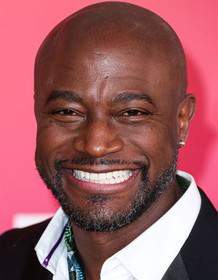
Henry Nxumalo (Taye Diggs)
Played by Taye Diggs
A sportswriter for Drum who grows from avoiding political topics to becoming a fearless muckraker. He undertakes undercover work, including disguising himself to document brutality, and uses his platform to tell meaningful stories for the community. His evolving conscience drives the narrative, showing journalism as a catalyst for social change.
- 🕵️ Investigative
- 🗞️ Journalist
-
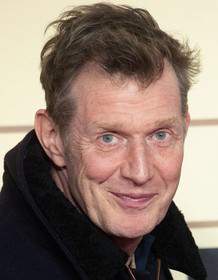
Jim Bailey (Jason Flemyng)
Played by Jason Flemyng
Drum's British editor who pushes Nxumalo toward hard-hitting reporting. He navigates a multicultural staff while reporting to white ownership, balancing ambition with risk. His leadership helps shape Drum into a voice for the community under pressure.
- 🗞️ Editor
- 🧭 Multiracial
- JS
Jürgen Schadeberg (Gabriel Mann)
Played by Gabriel Mann
German photographer who partners with Nxumalo to document the stories; his photographs bring realism and urgency to the journalism. Their collaboration symbolizes cross-cultural solidarity against oppression. He contributes essential visual context to uncovering the truth.
- 📷 Photographer
- 🧭 Ally
- DM
Dara Macala (Bonnie Mbuli)
Played by Bonnie Mbuli
A colleague at Drum and a figure within the community, reflecting the magazine’s vibrant, diverse staff. She embodies the cultural life that Drum captures and reports on, adding depth to the newsroom’s social network.
- 🎤 Singer
- 🧭 Community
- FN
Florence Nxumalo (Moshidi Motshegwa)
Played by Moshidi Motshegwa
Henry's wife, whose support and concern illuminate the personal costs of his professional pursuit. Her perspective highlights the tension between domestic life and public risk in a time of political upheaval.
- 💑 Wife
- 🏠 Family
-
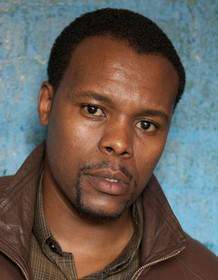
Can Themba (Tumisho Masha)
Played by Tumisho Masha
A fellow journalist within Drum’s circle who provides insight into the era’s advocacy and risk. He acts as an ally, helping to contextualize the era’s journalism and the fight against censorship.
- 🗞️ Journalist
- 🧭 Ally
- CS
Carol Shand (Tessa Jaye)
Played by Tessa Jaye
A character who interacts with Nxumalo in editorial or investigative circles, modeling professional ethics and personal tension. Her presence adds depth to the newsroom dynamic and investigative process.
- 👩 Journalist
- 🧭 Colleague
Where and When Is Drum Set?
Drum is set in Sophiatown, Johannesburg and South Africa (Mid-1950s). Here is why the time and place matter to the story.
When
Mid-1950s
The events unfold during the early years of apartheid, a period marked by censorship, police harassment, and state-led segregation. This era intensifies the risks for investigative reporting and places moral courage under greater pressure. The film situates journalism and community life within the tense political climate of that decade.
Where
Sophiatown, Johannesburg, South Africa
Set in the mid-1950s, Sophiatown is a freehold township in Johannesburg where Black residents could own property and enjoy nightlife despite apartheid restrictions. The area became a vibrant cultural hub and the home base for Drum magazine’s influential black lifestyle scene. It faced government pressure and eviction threats as the apartheid regime tightened its grip on urban Black communities.
- 🏙️ Urban township
- 🎭 Cultural hub
- 🧱 Racial segregation
What Are the Themes of Drum?
3 ideas the story keeps returning to, among them Journalism, Apartheid and Culture.
-
01
Journalism
Henry Nxumalo evolves from light entertainment to muckraking, using Drum as a platform for hard-hitting stories. He goes undercover and documents abuses, turning journalism into a tool for social accountability. The theme highlights how truth-telling can empower a community even under threat. It showcases the power and peril of reporting in a repressive society.
-
02
Apartheid
Racism and state control permeate everyday life, from police harassment to plans to evict Sophiatown residents. The film shows the personal costs of resisting oppression and the risks journalists take to challenge the system. It demonstrates how the regime uses law and violence to maintain racial hierarchy. The theme underscores the pervasive reach of apartheid into urban life.
-
03
Culture
Drum magazine and the township’s nightlife illustrate a resilient, creative community thriving under constraint. The multiracial staff and the city’s cultural energy spotlight how entertainment and journalism intersect to sustain identity and hope. The film celebrates culture as both a source of defiance and a platform for political awakening. It portrays how art and reportage can unite people and bolster collective resilience.
What Kind of Film Is Drum?
Tense in tone, with steady pacing and a moderate story, going by the plot summary.
- Tone
- Tense
- Pacing
- Steady
- Story
- Moderate
- Intensity
- High
- Ending
- Sad
A tense and politically charged drama that follows a journalist's dangerous crusade against apartheid, creating an atmosphere of constant risk and moral urgency that builds to a tragic conclusion.
- urgent
- gripping
- anxious
- determined
- oppressive
- sad
- apartheid
- investigative journalism
- political resistance
- racial injustice
Content notes: political violence, murder, slavery, systemic racism.
Quiz
How well do you remember Drum? Test yourself on the story.
