What Is Dog Tales About?
The premise of Dog Tales in 303 words, with nothing given away. The full story follows below.
In a bustling cartoon world where every street corner becomes a stage for canine comedy, the short opens with a cascade of blackout gags that celebrate man’s best friend in all its absurd glory. The premise hinges on a playful parade of dog‑centric sketches that swell into a larger, tongue‑in‑cheek adventure: a reluctant hero dog sets off on a cross‑country trek, driven by a purpose that is hinted at but never explained outright. The film captures the timeless charm of mid‑century animation, stitching together rapid‑fire visual jokes with a breezy, almost conversational narration.
The tone is light‑hearted and self‑aware, leaning into exaggerated breed traits, sight gags, and clever meta‑commentary that keeps the pace brisk. The narrator’s wavering certainty about whether a pooch is a pointer or a setter becomes a running joke, embodying the cartoon’s willingness to poke fun at its own conventions. Stylized backgrounds flash by, and recycled animation from classic Warner Bros. shorts bubbles beneath fresh scenes, giving the piece a nostalgic texture while still feeling lively and new. The humor balances slapstick with sly nods to contemporary radio, TV, and even Disney, creating a rich tapestry that feels simultaneously tribute and original romp.
Among the colorful cast, an oversized Army private humorously nicknamed Doberman finds himself at the mercy of a fierce Doberman Pinscher, while a confident basset hound declares its own stardom in a vocal cameo. A wide‑eyed Newfoundland puppy learns about its unusual lineage, and the towering Great Dane known as Victor Barky perches at a piano, tapping out a jaunty tune that treats the whole set as a stage. Together, these characters and the ever‑present narrator weave a whimsical tableau that invites the audience to wonder what will happen when the wandering dog finally reaches its mysterious destination, leaving just enough intrigue to keep the laughter rolling.
What Happens in Dog Tales?
The complete story of Dog Tales, from the first scene to the last, in 553 words (about 2 minutes). Spoilers throughout. Names in the text link to 3 cast member pages.
Spoilers ahead
This Warner Bros. cartoon unfolds as a bustling, long-form string of dog-centered gags, stitched together as a sequence of quick, self-contained sketches. The humor leans on playful exaggerations of breed traits, cartoonish sight gags, and rapid-fire transitions that keep the pace brisk and the tone light.
One standout bit centers on a doberman pinscher who viciously pinsches an overweight U.S. Army private named “Doberman,” a caricature echoing the character Maurice Gosfield played on The Phil Silvers Show. The visual punch comes from the contrast between a fearsome silhouette and a bumbling, undaunted officer, delivering a sly wink to classic radio and TV humor without losing the cartoon’s quick tempo.
The narration itself becomes part of the comedy in another gag, as the narrator cannot decide whether the dog on screen is a pointer or a setter, finally presenting a hybrid “point-setter” to the audience. The moment is guided by the voice of the narrator Robert C. Bruce, whose steady delivery keeps the sequence grounded even as the visuals pivot between misdirection and reveal.
A basset hound takes the stage with a bold declaration of stardom, a nod to the era’s TV culture. This moment is voiced by June Foray and carries an extra wink for fans familiar with Cleo the Dog from The People’s Choice, who was also associated with Mary Jane Croft. The gag sits at the intersection of celebrity culture and animal comedy, using familiar archetypes to get a quick, affectionate laugh.
Amid the rapid-fire bits, we’re also introduced to the backstory of a Newfoundland puppy, learning the unusual breed of the grandfather, and we meet a Great Dane named “Victor Barky” who sits at the piano, tapping out a jaunty tune as if the room itself were a stage.
The cartoon isn’t shy about drawing on prior work, reusing animation from Chuck Jones’ Often an Orphan (1949) and Friz Freleng’s Piker’s Peak (1957). In Often an Orphan, Charlie Dog makes a final Warner Bros. appearance in this short, notable for being the last time the character graced a WB cartoon and for being the only one not directed by Chuck Jones, marking a quiet pivot in the studio’s rotating roster of directors.
A sly, backhanded nod to Disney’s Lady and the Tramp appears here as well. The narrator solemnly intones, “Today, the dog appears in countless varieties of artificially produced breeds,” while the screen parades a lineup of breeds—Russian Wolfhound, English Bulldog, American Cocker Spaniel, Pekingese, Chihuahua, Scottish Terrier, and Dachshund—nearly identical in style to the Disney canines (Boris, Bull, Lady, Peg, Pedro, Jock, and Dachsie). Most of these figures speak English with accents tied to their breeds’ origins, with Peg standing out as the exception, voiced by Peggy Lee, as the Lady and the Tramp reference lands with a knowing smile.
The result is a playful, affectionate time capsule of mid-century animation—a montage of gags, cameos, and nostalgic quips that celebrate dogs, cartoons, and the era’s pop culture, all while maintaining a steady sense of humor that stays true to its source material and the era’s animation sensibilities. The pacing, the callbacks, and the light meta-commentary create a cohesive experience that feels both like a tribute and a standalone bit of comedy, anchored by standout voice work and a few well-placed references that fans of the period will appreciate.
Dog Tales Timeline: Every Key Event in Order
10 key events in the order they happen, from “Opening blackout gag montage” to “Lineup resembles Lady and the Tramp; language and accents”.
- 1
Opening blackout gag montage
The cartoon opens with a rapid sequence of dog-centered gags, establishing the blackout format that dominates the short. Various breeds perform exaggerated actions and visual jokes in quick succession, setting a playful, frenetic tone for what follows.
- 2
Doberman pinscher and the overweight private
A doberman pinscher viciously pins an overweight U.S. Army private identified as 'Doberman,' a sly nod to contemporary pop culture. The gag uses slapstick and caricature to lampoon breed stereotypes and wartime references. The moment fits the short’s rapid-fire, situational humor.
- 3
Pointer vs setter confusion becomes a point-setter
The narrator struggles to determine whether the dog pictured is a pointer or a setter, finally presenting a hybrid 'point-setter.' The gag plays on the idea of arbitrary classification in a humorous, meta way. It underscores the cartoon’s playful critique of breed labeling.
- 4
Basset hound declares she's a TV star
A basset hound proclaims herself a television star, riffing on Cleo the Dog from The People's Choice. The joke ties real-world dog iconography to the cartoon’s satire of breed fame and recognition. It reinforces the ongoing theme of pop-culture dog personas.
- 5
Newfoundland puppy's grandfather's breed revealed
The cartoon humorously reveals an unusual lineage for a Newfoundland puppy by naming the grandfather breed. The gag plays with genealogical oddities and breed quirks to keep the sequence light and jokey. It adds another layer to the running joke about artificial and exaggerated dog traits.
- 6
Victor Barky the Great Dane plays piano
A Great Dane named 'Victor Barky' takes the stage to play the piano, delivering a grand, showy musical gag. The oversized dog performing refined art adds a slapstick contrast between appearance and talent. It fits the short’s penchant for mixing high-spirited spectacle with canine caricature.
- 7
Charlie Dog cameo from Often an Orphan (1949)
In a segment borrowed from Chuck Jones' Often an Orphan, Charlie Dog makes a cameo—his final Warner Bros. appearance and the only one not directed by Chuck Jones. The cameo showcases the film’s practice of weaving in old footage to extend its gag reel. It also marks a notable cross-pollination of Warner Bros. animation history.
- 8
Animation reused from Piker's Peak (1957)
The short also reuses animation from Friz Freleng's Piker's Peak (1957). This recycling serves the rapid-fire gag rhythm and demonstrates how earlier sequences are repurposed within newer shorts. It emphasizes the collage-like nature of the cartoon’s humor.
- 9
Backhanded Lady and the Tramp reference begins
A backhanded reference to Disney's Lady and the Tramp appears as the narrator proclaims 'Today, the dog appears in countless varieties of artificially produced breeds.' The screen shows a lineup of dog silhouettes that mimic the Disney characters. The gag undercuts the notion of 'natural' breeds with cartoonish, artificial designs.
- 10
Lineup resembles Lady and the Tramp; language and accents
The lineup includes breeds such as Russian Wolfhound, English Bulldog, American Cocker Spaniel, Pekingese, Chihuahua, Scottish Terrier, and Dachshund, depicted in a style nearly identical to Lady and the Tramp's look. With the exception of Peg (voiced by Peggy Lee), all speak English with stereotypical accents. The sequence reinforces the parody of 'artificial' breed parody across the two films.
Who Are the Main Characters in Dog Tales?
4 characters, among them Basset Hound (June Foray), Narrator (Robert C. Bruce) and Various Dogs (Mel Blanc): who each one is and the part they play in the story. Every profile links to the actor’s page.
- BH
Basset Hound (June Foray)
Played by June Foray
The Basset Hound asserts herself as a TV star, reflecting the era's fascination with celebrity canines. She embodies a confident, showbiz attitude wrapped in canine charm, contributing to the short's satire of breed stereotypes and fame. The gag nods to Cleo the Dog from The People's Choice, voiced by Mary Jane Croft.
- 🐶 Canine
- 📺 TV Star
- 🎭 Satire
- N(
Narrator (Robert C. Bruce)
Played by Robert C. Bruce
The Narrator provides a formal, solemn commentary on the array of dog breeds, framing the gags with a dry voice. He remarks on 'artificially produced breeds' as part of the montage, guiding the viewer through the parade of canine caricatures.
- 🎙️ Narration
- 🐶 Dog-focused
-
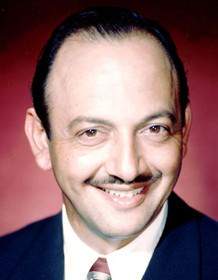
Various Dogs (Mel Blanc)
Played by Mel Blanc
A chorus of canine characters voiced by Mel Blanc delivers the bulk of the humor through rapid gags and reactions. The scene set includes a Doberman pinscher pinching an overweight U.S. Army private, a Newfoundland puppy whose grandfather's breed is noted, a piano-playing Great Dane named Victor Barky, and a Charlie Dog cameo.
- 🐶 Canine Ensemble
- 😂 Slapstick
- 🎬 Animation
- V(
Various (Mary Jane Croft)
Played by Mary Jane Croft
Mary Jane Croft voices a group of miscellaneous dogs, including nods to Canine TV culture and the era’s pet personalities. Her performances add vocal variety to the gag-driven short and tie into real-world TV dog personas.
- 🐶 Canine Voices
- 🎤 Celebrity Voice
- 📺 TV Reference
Where and When Is Dog Tales Set?
Dog Tales is set in Animation World. Here is why the place matters to the story.
Where
Animation World
The short unfolds in a cartoon universe built from quick gags featuring a wide variety of dog breeds. Settings shift across a stage-like presentation and on-screen drawings, reflecting the toy-box nature of a Warner Bros. compilation. It treats the world of dogs as a stage for parody rather than a single narrative, anchored by visual gags and pop-culture references.
- 🐶 Cartoon World
- 🎭 Satire
- 🎬 Animation
What Are the Themes of Dog Tales?
3 ideas the story keeps returning to, among them Parody, TV & Fame and Canine Variety.
-
01
Parody
The short leans into parody, spoofing breed stereotypes and Hollywood iconography. A solemn narration accompanies a lineup of nearly identical dogs of different breeds, mocking the idea of authentic breeds. It includes a backhanded reference to Lady and the Tramp, underscoring how animation imitates and satirizes popular films.
-
02
TV & Fame
A running gag centers on canine celebrity culture, with a basset hound declaring herself a TV star in a nod to real-world dog-publicity. The gag choices mirror mid-century TV culture, including references tied to contemporary programs and the persona of on-screen dogs.
-
03
Canine Variety
A broad cast of breeds — from a doberman pinscher involved in military caricatures to a Newfoundland with a distinguished grandfather, and a piano-playing Great Dane named Victor Barky — showcases canine diversity as the source of humor. Cameos like Charlie Dog anchor the gag-driven structure, while the montage highlights artificial breed stereotypes.
What Kind of Film Is Dog Tales?
Whimsical in tone, with fast pacing and a straightforward story, going by the plot summary.
- Tone
- Whimsical
- Pacing
- Fast
- Story
- Straightforward
- Intensity
- Low
A fast-paced and whimsical montage of cartoon gags that feels like a playful, affectionate celebration of dogs and mid-century animation through rapid-fire sketches and nostalgic references.
- playful
- nostalgic
- affectionate
- brisk
- comedic
- lighthearted
- dog breeds
- cartoon gags
- pop culture parody
- animation history
Quiz
How well do you remember Dog Tales? Test yourself on the story.
Where to Watch Dog Tales
. US availability and prices from JustWatch.
Streaming availability in the US, powered by