What Is Devil’s Doorway About?
The premise of Devil’s Doorway in 281 words, with nothing given away. The full story follows below.
Set against the rugged backdrop of Medicine Bow, Wyoming, Devil’s Doorway follows Lance Poole, a Shoshone veteran who returns home as a decorated Civil War hero. Bearing the Medal of Honor and wearing the uniform of a sergeant major, he expects a measure of the respect he earned on the battlefield. Instead, he finds a town frozen in a chilly, prejudiced silence. The locals view his presence with suspicion, and the deep-seated racism of the era quickly overshadows his service, creating an atmosphere where his achievements are rendered invisible by the color of his skin.
The tension crystallizes around the valuable land Lance and his family own, a prize that local interests are determined to claim by any means necessary. Exploiting gaps in homesteading laws and leveraging the social exclusion of the time, powerful forces align to strip him of his rights. In this hostile environment, Lance seeks the help of Orrie Masters, a compassionate lawyer willing to challenge a system built to deny him justice. Their alliance highlights the steep uphill battle of navigating a legal and social framework designed to ensure he remains an outsider in his own home.
As legal maneuvering gives way to open hostility, the struggle intensifies, threatening to transform the quiet frontier town into a battleground. The film deftly explores the collision between the encroaching modern world and the enduring spirit of the Shoshone people. Lance finds himself standing at a crossroads, caught between the oath he took as a soldier and the heritage he carries as a Native American. The narrative builds a sense of inevitable confrontation, forcing the characters to question what justice truly means in a land that prizes possession over principle.
What Happens in Devil’s Doorway?
The complete story of Devil’s Doorway, from the first scene to the last, in 476 words (about 2 minutes). Spoilers throughout. Names in the text link to 3 cast member pages.
Spoilers ahead
Lance Poole, a Shoshone veteran of the Civil War and Medal of Honor recipient, returns to his home in Medicine Bow, Wyoming, a quiet town where the air is tense and the locals look suspiciously at Poole and his father because they own a large, valuable stretch of land. The welcome is chilly from the start: a local doctor refuses to treat Poole’s father, who soon dies, and Poole finds even simple pleasures, like a drink at the saloon, out of reach in a place that prizes prejudice as much as property.
Behind the cruel economics of land and power, a crafty opponent rises. Verne Coolan exploits a loophole in a homesteading law to strip Poole of his hard-won property, turning legal angles into a weapon against a man who is already an outsider in his own hometown. In response, Poole reaches out to a capable, determined ally, Orrie Masters, a female lawyer who takes up the case in the hope of overturning a system built to deny Poole the basics of residence, rights, and respect. Yet despite her efforts, the petition signatures needed to challenge the law prove elusive, and the legal pathway remains blocked, leaving Poole and his family precariously perched on the edge of loss.
The conflict intensifies as Coolan mobilizes a force of sheepherders and moves to expel Poole by force, turning the town into a pressure cooker where every decision carries the weight of survival. In this fraught moment, Shoshone tribesmen come to Poole’s aid, offering a stark reminder of a shared struggle for land and dignity. They convert Poole’s cabin into a makeshift fort, a symbol of resistance that stands against the coercive pressure of the town’s residents and their hired enforcers.
In a bid to quell the fighting without further bloodshed, Masters summons the U.S. Cavalry to broker a truce. But the cavalry sides with the townspeople and Coolan, shifting the balance of power away from Poole and his allies. The confrontation reaches a climax when Poole successfully confronts Coolan, killing him, though he is gravely wounded at the barricade where the Shoshone barricade has become a last line of defense.
With the immediate danger passed, Poole takes on the responsibility of safeguarding the vulnerable: the surviving women and children are entrusted to the care of the town’s lone surviving male child, who leads them away from the barricade and toward what is believed to be the reservation, away from further harm. The emotional weight of every choice settles on Poole as he, in his Civil War sergeant major uniform, walks to face the cavalry commander and his former lawyer. The commander’s salute—an acknowledgment of Poole’s Medal of Honor status—arrives first, a formal recognition of his sacrifice, before Poole collapses from his wounds, leaving a lasting impression of quiet, steadfast courage in a landscape marked by conflict and loss.
Devil’s Doorway Timeline: Every Key Event in Order
13 key events in the order they happen, from “Poole returns to Medicine Bow facing hostility” to “Poole dies from his wounds”. 13 events name a place, across 11 locations.
- 1
Poole returns to Medicine Bow facing hostility
Lance Poole, a Shoshone Civil War veteran and Medal of Honor recipient, returns to Medicine Bow, Wyoming, to restart his life. The mostly white townspeople resent that Poole and his father own a large, valuable tract of land. Their prejudice foreshadows the hostility that will frame his fight to keep his home.
Where:Medicine Bow, Wyoming
- 2
Doctor refuses to treat Poole's father; father dies
A town doctor refuses to treat Poole's father, underscoring the entrenched prejudice against Poole's family. Poole's father dies as a result, leaving Poole without support in a town that already shuns him. Poole's inability to even buy a drink in the saloon further illustrates the social isolation he endures.
Where:Medicine Bow, Wyoming
- 3
Poole barred from the saloon
Poole is barred from purchasing a drink at the local saloon due to discriminatory attitudes. The denial exemplifies how prejudice cuts him off from everyday life in Medicine Bow. The incident compounds the sense that Poole has no easy place in the town.
Where:Medicine Bow, Wyoming – local saloon
- 4
Attorney Coolan exploits homesteading loophole to seize land
Bigoted attorney Verne Coolan exploits a loophole in a homesteading law to strip Poole of his property. The legal maneuver heightens tension and frames the ensuing struggle as a battle over land and dignity. Poole must confront this legal assault to defend his family's stake.
Where:Medicine Bow, Wyoming
- 5
Orrie Masters attempts to help but falters on signatures
Poole seeks help from Orrie Masters, a capable female attorney, hoping to overturn the unfair law. Masters attempts to gather petition signatures but fails to obtain the necessary number. The setback leaves Poole in a precarious legal position as Coolan's control over the land grows.
Where:Masters's office, Medicine Bow, Wyoming
- 6
Coolan mobilizes sheepherders to expel Poole by force
Coolan mobilizes sheepherders and organizes confrontational actions to expel Poole by force. The plan escalates tensions and sets up a direct clash at Poole's property. Poole and his supporters prepare to defend the land against an organized eviction.
Where:Poole's land, Medicine Bow, Wyoming
- 7
Shoshone tribesmen join Poole, fortify a cabin
Shoshone tribesmen come to Poole's aid and fight beside him, using his cabin as a makeshift fort. The alliance shows Poole's dual identity as a veteran who commands respect from his people and his white neighbors alike. The barricaded cabin becomes the focal point of the resistance.
Where:Poole's cabin, near Medicine Bow, Wyoming
- 8
Masters calls in the U.S. Cavalry for a truce
Orrie Masters summons the U.S. Cavalry hoping to secure a truce and prevent further bloodshed. The cavalry arrives with the intent to mediate, but the situation remains volatile. The attempt at peace collapses when loyalties tilt toward Coolan and the town.
Where:Near Poole's cabin, Medicine Bow, Wyoming
- 9
Cavalry sides with Coolan and the town
The cavalry, however, sides with Coolan and the townspeople, undermining Masters's effort and leaving Poole isolated. This reversal confirms the town's biases and seals Poole's precarious position. The siege continues with Poole's forces outnumbered.
Where:Outside the barricade near Poole's land, Medicine Bow, Wyoming
- 10
Poole kills Coolan, wounded at barricade
Poole defeats Coolan and kills him during the confrontation, but he is seriously wounded at the Shoshone barricade. The victory is bittersweet as Poole pays a heavy personal price. The loss intensifies the sense of tragedy surrounding his stand.
Where:Shoshone barricade, Medicine Bow region
Show the other 3 events of Devil’s Doorway Hide the last 3 events
- 11
Poole entrusts survivors to the male child
With survivors gathered, Poole entrusts the responsibility for the surviving women and children to the lone male child. The boy leads the group away from the barricade toward the nearby reservation. Poole's act affirms his final concern for the vulnerable in the aftermath of conflict.
Where:Near the barricade, toward the reservation, Medicine Bow region
- 12
Poole dons uniform and salutes the commander
Poole dons his Civil War sergeant major uniform and walks out to the cavalry commander and his former lawyer. In a ceremonial moment, the commander salutes Poole first, honoring the Medal of Honor tradition. Poole's dignity in defeat underscores the complex mix of respect and tragedy surrounding his sacrifice.
Where:Edge of the barricade, Medicine Bow
- 13
Poole dies from his wounds
Poole dies from his wounds soon after the confrontation. His death marks the culmination of his lifelong fight to protect his land and his people. The film closes on the somber note of a veteran's sacrifice and the cost of prejudice.
Where:Barricade site, Medicine Bow region
Who Are the Main Characters in Devil’s Doorway?
6 characters, among them Lance Poole — Robert Taylor, Orrie Masters — Paula Raymond and Verne Coolan — Louis Calhern: who each one is and the part they play in the story. Every profile links to the actor’s page.
-
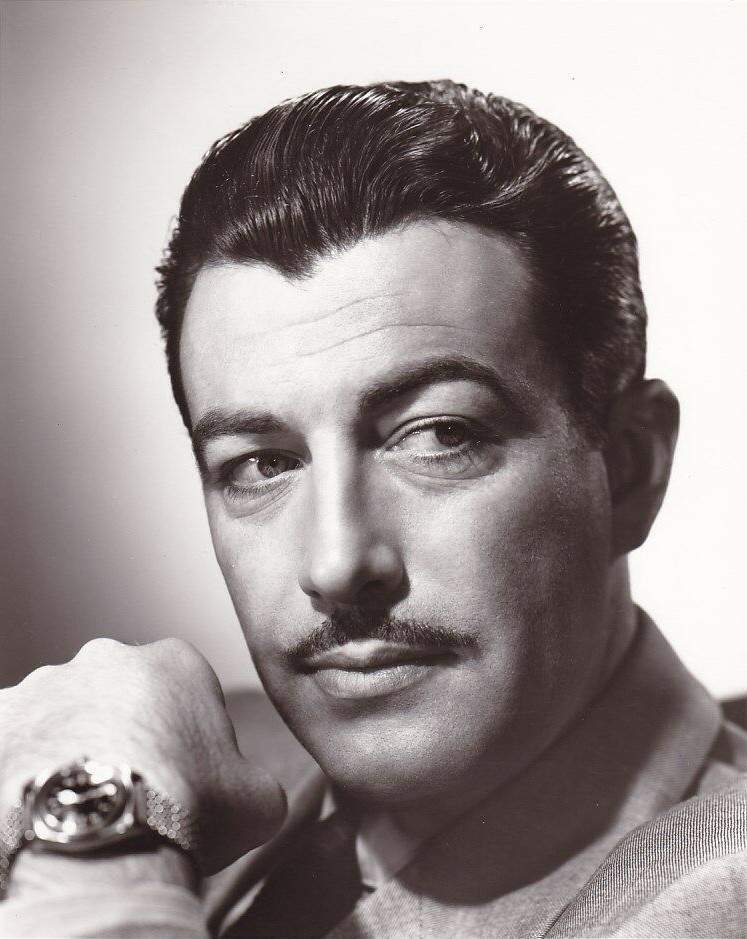
Lance Poole — Robert Taylor
Played by Robert Taylor
Lance Poole is a hardened Shoshone veteran and Medal of Honor recipient who fights to protect his land and people. He endures discrimination from the town, remains steadfast under pressure, and faces mortal danger at the barricade. His resilience and silent resolve highlight the human cost of prejudice and frontier conquest.
- 🎖️ Medal of Honor
- 🛡️ Protector
- 🗡️ Veteran
- OM
Orrie Masters — Paula Raymond
Played by Paula Raymond
Orrie Masters is a determined female lawyer who seeks justice within a biased system. She pushes for legal action to overturn the unconstitutional threat to Poole's land but struggles with limited petition signatures. Her professional resolve and independence challenge the era's gender norms.
- ⚖️ Lawyer
- 👩⚖️ Ally
- 🗺️ Advocate
-
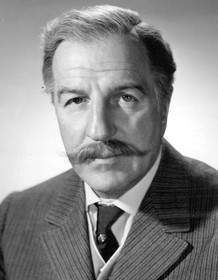
Verne Coolan — Louis Calhern
Played by Louis Calhern
Verne Coolan is a opportunistic attorney who manipulates the law to expropriate Poole's land. He embodies corruption, greed, and the abuse of political power in a small town. His schemes catalyze the conflict that drives the narrative.
- 🏛️ Antagonist
- 🗡️ Power broker
- 🧪 Cunning
- T—
Thundercloud — Chief John Big Tree
Played by Chief John Big Tree
Thundercloud is a Shoshone leader who helps Poole defend the barricade. He represents Native alliance and strategic cooperation in a tense, discriminatory frontier setting. His presence underscores the complexities of co-existence and shared survival.
- 🪶 Native ally
- 🛡️ Leader
- 🤝 Cooperation
-
Zeke Carmody — Edgar Buchanan
Played by Edgar Buchanan
Zeke Carmody is a local figure who interacts with Poole's community, representing the frontier's rough social fabric. His presence hints at the everyday life and tensions beyond the central conflict. He embodies the town's mixed reactions to Poole and his land.
- 🏚️ Town figure
- 🗨️ Social tension
- 🧭 Local
- LG
Lt. Grimes — Bruce Cowling
Played by Bruce Cowling
Lt. Grimes is a cavalry officer who ultimately sides with the town's authorities in the truce. He symbolizes the military's complicity in enforcing local power dynamics rather than protecting Poole's rights. His stance highlights the ambiguities of law and order on the frontier.
- 🎖️ Authority
- 🗡️ Enforcer
- 🏇 Military
Where and When Is Devil’s Doorway Set?
Devil’s Doorway is set in Medicine Bow and Wyoming (Post-Civil War era (late 1860s–1870s)). Here is why the time and place matter to the story.
When
Post-Civil War era (late 1860s–1870s)
The story unfolds in the immediate aftermath of the Civil War as veterans return to frontier settlements. Wyoming frontier towns confront rapid settlement, scarce resources, and legal ambiguities surrounding land ownership. Racial tensions and discrimination intersect with the brutal realities of homesteading. The era's fragile balance between settlers, lawmen, and Native tribes drives the central conflict.
Where
Medicine Bow, Wyoming
Medicine Bow sits on the edge of the Wyoming plains, a rough frontier town where ranches and homesteads contend with the harsh winter and scarce resources. The town's saloons, cabins, and a tense justice system embody the conflict between settlers and Native lands. The landscape is dominated by open plains and a sense of isolation that amplifies grudges and disputes.
- 🏜 Frontier town
- 🗺 Land disputes
- 🐎 Western frontier
What Are the Themes of Devil’s Doorway?
3 ideas the story keeps returning to, among them Justice vs Prejudice, Land and Legacy and Allegiance and Sacrifice.
-
01
Justice vs Prejudice
Racial prejudice and a biased legal system suppress Lance Poole despite his service. Verne Coolan exploits a legal loophole to strip Poole of land, showing how law can be wielded to uphold white supremacy. The film reveals social exclusion, such as Poole being refused basic services, as part of frontier justice. It asks who benefits from the law and who pays for its failures.
-
02
Land and Legacy
Land ownership drives the conflict, with Poole's large property making him a target for manipulation. The alliance with the Shoshone complicates settler-rights narratives and highlights competing claims to the same land. The barricade at Poole's cabin becomes a symbol of how property and people collide in the frontier. The story suggests that land is tied to identity, security, and survival.
-
03
Allegiance and Sacrifice
Poole's bond with the Shoshone and his wartime experiences shape a duty beyond personal gain. His defense of others culminates in a heroic, costly sacrifice at the barricade. The cavalry's complicity questions who enforces the law when it serves oppressive interests. The ending honors bravery and memory, underscoring the price of honor.
What Kind of Film Is Devil’s Doorway?
Bleak in tone, with steady pacing and a straightforward story, going by the plot summary.
- Tone
- Bleak
- Pacing
- Steady
- Story
- Straightforward
- Intensity
- High
- Ending
- Bleak
A grim and emotionally heavy Western that builds a steady sense of hopelessness as a Native American hero fights a losing battle against systemic racism and violent bigotry.
- oppressive
- tragic
- grim
- melancholic
- hopeless
- tense
- racial injustice
- land rights
- systemic oppression
- tragic hero
Content notes: racial violence, death of a parent, graphic violence, racial hatred, systemic discrimination.
Where to Watch Devil’s Doorway
Stream it on AMC Plus and AMC+, or rent or buy it from Amazon Video and Apple TV Store. US availability and prices from JustWatch.
Stream 11
 AMC Plus Apple TV channel
  AMC+
AMC+  AMC+ Amazon Channel
  Philo
Philo  Plex
Plex  Plex Channel
  Shudder Amazon Channel
  Shudder Apple TV channel
  Sundance Now
  The Roku Channel
  Xumo Play




Streaming availability in the US, powered by