
Run of the Arrow 1957

Directed by
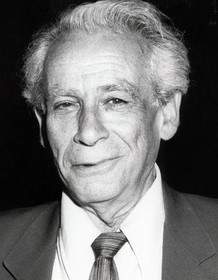
Samuel Fuller
Made by

Globe Enterprises
Where to Watch Run of the Arrow
See current US streaming, rental, and purchase options for Run of the Arrow (1957) via JustWatch.






Run of the Arrow Plot Summary
Read the complete plot summary and ending explained for Run of the Arrow (1957). From turning points to emotional moments, uncover what really happened and why it matters.
On the final day of the Civil War, Rod Steiger portrays Pvt. O’Meara, a Confederate soldier who finds himself embroiled in the chaos of war’s end. During a skirmish, he wounds Ralph Meeker as Union lieutenant Driscoll, but when O’Meara realizes the extent of his injury, he takes the wounded man to nearby Appomattox. There, he witnesses the historic surrender negotiations between General Lee and General Grant, just as the war culminates.
In a tense moment, O’Meara nearly shoots Grant, but is stopped by the doctor handling Driscoll’s care. The doctor extracts the bullet from Driscoll’s shoulder and gives it to O’Meara, symbolizing perhaps a twist of fate. Disillusioned with the post-war American society and the pain endured by his family and community, O’Meara defies his mother’s pleas for him to settle down and rebuild. Instead, he declares himself a man without a country, rejecting the authority of the United States.
Seeking a new purpose, O’Meara heads westward, hoping to join the Sioux nation as they continue their resistance against the American military. His journey into unfamiliar, often hostile territory proves difficult, but he finds companionship with Jay C. Flippen as Walking Coyote, an aging Oglala scout who speaks English and is returning to his tribe to die. Walking Coyote becomes both a mentor and a friend, teaching O’Meara the Sioux language and customs.
Their travels take a perilous turn when they are captured by Sioux warriors led by Crazy Wolf, a fierce leader intent on executing them. However, Walking Coyote invokes the traditional rite of the “run of the arrow,” a dangerous ritual that might save their lives if they can endure being flighted with arrows in their path. During this ordeal, Walking Coyote succumbs, sacrificing himself to protect O’Meara. The young soldier is saved by a group of Sioux women, among whom is Sara Montiel as Yellow Moccasin, a woman who helps him present himself to the tribe’s chief, Charles Bronson as Blue Buffalo.
O’Meara earns the tribe’s respect and is granted safe haven while he recuperates, largely because of their mutual disdain for American authority. During his time among them, he falls in love with Yellow Moccasin and seeks her permission to marry her. He openly declares, “In my heart, my nation is Sioux,” embodying his new identity and allegiance. When discussing spiritual beliefs, O’Meara draws parallels between his Christian God and the Sioux’s Great Spirit, which helps him integrate further into their community. The couple adopts a mute orphan boy known as Silent Tongue, symbolizing hope and new beginnings.
As tension builds with the U.S. military, Stuart Randall as Col. Taylor and other officers negotiate with Sioux leaders, including Red Cloud, for the peaceful construction of Fort Lincoln within designated territory. During this period, O’Meara becomes a guide and translator for Captain Clark, played by Brian Keith, and Lieutenant Driscoll, his former enemy who now exhibits a deep-seated animosity toward the Indians.
Their mission becomes perilous when Crazy Wolf and his men attack the site, killing Captain Clark and causing chaos. O’Meara manages to disarm Crazy Wolf, offering him the “run of the arrow”—a ritual that Crazy Wolf accepts, but during the ritual, Driscoll violates the sacred custom and shoots Crazy Wolf, inflicting a fatal wound. Crazy Wolf is ultimately taken back to his tribe by O’Meara, who is now deeply involved in the complex web of diplomacy and conflict.
The situation escalates when the army, under new strategic commands, moves the fort’s location without respecting the Sioux agreement. This breach triggers suspicions and tensions within the tribe. Blue Buffalo, the Sioux chief, prepares to defend his people but agrees to O’Meara’s plea for peace. Yet, during the ensuing confrontation, Driscoll’s ruthless nature comes to the fore. He captures O’Meara and prepares to hang him, but as the tribe prepares to retaliate, Crazy Wolf’s tribe attacks in a violent clash that results in many casualties and the destruction of the fort.
Amid the chaos, Driscoll is captured and stands on the brink of being skinned alive for his treachery. Showing mercy, O’Meara approaches with the old bullet, shooting Driscoll to prevent further cruelty. Yellow Moccasin criticizes O’Meara for his hesitation, claiming he is not truly Sioux because he refers to the warriors as “they” instead of “we,” revealing the lasting internal conflict within him. Ultimately, O’Meara recognizes that he remains a man without a true homeland.
Choosing to lead the surviving soldiers away from the conflict, O’Meara, Yellow Moccasin, and Silent Tongue set their course back to Fort Laramie, embracing their new identities and shared bond. The story underscores themes of loyalty, cultural identity, and the complex aftermath of war, highlighting O’Meara’s transformation from a man defined by hatred and loss to someone who finds new purpose among the Sioux, seeking peace and understanding in a fractured world.
Run of the Arrow Timeline
Follow the complete movie timeline of Run of the Arrow (1957) with every major event in chronological order. Great for understanding complex plots and story progression.
End of the Civil War
On the last day of the Civil War, Confederate soldier O'Meara shoots Union lieutenant Driscoll but spares his life after learning that General Lee is surrendering to General Grant. O'Meara nearly kills Grant but is stopped by a doctor, who removes the bullet from Driscoll's body and gives it to O'Meara. This marks the end of the conflict and the beginning of O'Meara's journey into a personal war.
Home in Virginia
O'Meara returns to his Virginia home, where his mother urges him to lay down his hatred and settle down after the war's losses. He refuses to accept U.S. authority, declaring himself a man without a country, and decides to head west to join the Sioux in their conflict against the American army.
Meeting Walking Coyote
While traveling through unfamiliar territory, O'Meara meets Walking Coyote, an aging Sioux scout fluent in English who teaches him the Sioux language and customs. Their journey together begins amid the challenge of trying to find safety and purpose.
Capture by Sioux Warriors
O'Meara and Walking Coyote are captured by Sioux warriors led by Crazy Wolf. When about to be executed, Walking Coyote invokes the 'run of the arrow' ritual, which could save their lives if they endure a perilous run with arrows flying in their path.
Courageous Run of the Arrow
During the ritual run, Walking Coyote dies, sacrificing himself to save O'Meara. The Sioux women, including Yellow Moccasin, help O'Meara survive and introduce him to the tribe's chief, Blue Buffalo, who recognizes his resilience and grants him safe haven.
O'Meara Joins the Sioux
O'Meara falls in love with Yellow Moccasin and asks for permission to marry her, claiming that his heart's allegiance is with the Sioux. He also becomes an active member of the tribe, adopting their beliefs and sharing their spiritual connection to the Great Spirit.
Adoption of Silent Tongue
O'Meara and Yellow Moccasin adopt a mute orphan boy named Silent Tongue as their own son, symbolizing their integration into Sioux life and their commitment to raising him within their new family and culture.
Negotiations at Fort Lincoln
Sioux leader Red Cloud negotiates with Army General Allen for the construction of Fort Lincoln. O'Meara acts as a guide and translator for the soldiers, fostering communication between the tribes and the military forces.
Conflict with Crazy Wolf
At the fort's site, Crazy Wolf attacks, kills Captain Clark, and seeks to ignite war. O'Meara disarms Crazy Wolf and tries to save him by offering him the 'run of the arrow,' but Lieutenant Driscoll violates the ritual and shoots Crazy Wolf, escalating tensions.
Attack and Destruction of the Fort
A large Sioux attack destroys the fort, resulting in many military casualties. Driscoll is captured and faces execution for violating the 'run of the arrow,' but O'Meara shows mercy and shoots him with the bullet he kept from the Civil War, preventing a gruesome punishment.
O'Meara's Realization
Yellow Moccasin criticizes O'Meara for his mercy towards Driscoll, implying that his actions show he is not truly Sioux. O'Meara recognizes that he remains a man without a country, caught between two worlds and without a definitive home.
Guidance to Fort Laramie
Realizing his lack of belonging, O'Meara leads the surviving soldiers and his family—Yellow Moccasin and Silent Tongue—towards Fort Laramie. This marks his final effort to find a new sense of home and identity.
Run of the Arrow Characters
Explore all characters from Run of the Arrow (1957). Get detailed profiles with their roles, arcs, and key relationships explained.
Pvt. O'Meara (Rod Steiger)
Once a Confederate soldier, O'Meara becomes a man torn between his origins and his adopted culture. His transformation from a war-hardened individual to a tribe member highlights themes of redemption and cultural assimilation. He is driven by deep-seated hatred, yet open to love and understanding.
Blue Buffalo
A Sioux chief who embodies dignity and strength. He offers O'Meara refuge and respects his resilience. Blue Buffalo's leadership emphasizes the importance of tradition and negotiation in maintaining peace.
Yellow Moccasin
A Sioux woman who shows compassion and love. She helps O'Meara integrate into the tribe and shares her spiritual beliefs. Her character symbolizes hope and the bridging of cultures.
Silent Tongue
An orphaned boy adopted by O'Meara and Yellow Moccasin. His silence signifies the trauma of war and loss, yet he represents innocence and hope for new beginnings.
Lieut. Driscoll (Ralph Meeker)
A Union officer with a growing animosity towards Native Americans. His actions, including violating sacred rituals, highlight themes of prejudice and brutality during the frontier conflicts.
Run of the Arrow Settings
Learn where and when Run of the Arrow (1957) takes place. Explore the film’s settings, era, and how they shape the narrative.
Time period
End of the Civil War, 1865
The story is set immediately after the Civil War's conclusion, a period marked by rapid U.S. westward expansion and conflict with Native American tribes. This era was defined by military campaigns, treaties, and the struggle for Native sovereignty amid growing U.S. territorial ambitions.
Location
Virginia, Sioux Nation, Fort Lincoln
The movie begins in Virginia, a key state in the Civil War, then shifts to the Great Plains where the Sioux Nation resides. Fort Lincoln serves as a strategic military site during the western expansion. These locations highlight the tension between American expansion and Native American lands during the late 19th century.
Run of the Arrow Themes
Discover the main themes in Run of the Arrow (1957). Analyze the deeper meanings, emotional layers, and social commentary behind the film.
🛡️
War and Peace
The film explores the aftermath of war, focusing on the personal and cultural clashes between Americans and Native tribes. It portrays the struggles for survival, honor, and the quest for peace amidst conflicts born from war and expansion.
🌿
Cultural Identity
O'Meara's journey reflects themes of cultural fusion and identity. His acceptance of Sioux customs and spiritual beliefs illustrates the importance of understanding and respect for different ways of life, contrasting with the violence and misunderstanding of war.

Coming soon on iOS and Android
The Plot Explained Mobile App
From blockbusters to hidden gems — dive into movie stories anytime, anywhere. Save your favorites, discover plots faster, and never miss a twist again.
Sign up to be the first to know when we launch. Your email stays private — always.
Explore the mobile appRun of the Arrow Spoiler-Free Summary
Discover the spoiler-free summary of Run of the Arrow (1957). Get a concise overview without any spoilers.
In the waning moments of the Civil War, a weary Confederate soldier named Pvt. O’Meara abandons the shattered remnants of his former life and rides toward the untamed frontier, seeking a place where the old flags no longer bind him. The sweep of the western plains is painted with the raw scent of rain on dust, distant drumbeats of tribal life, and the looming silhouette of a nation still eager to expand. The film settles into a measured, contemplative tone, letting the vast landscape echo the internal void left by a conflict that has already taken its toll.
Along his solitary trek, O’Meara encounters an aging Oglala scout known as Walking Coyote, whose quiet demeanor and weather‑worn wisdom become a bridge between two worlds. Through patient instruction, the soldier learns the Sioux language, their customs, and a reverence for the land that feels both foreign and oddly familiar. Among the tribe, he meets Yellow Moccasin, a striking woman whose fierce spirit and quiet generosity draw him into a new kind of kinship, hinting at a love that might reshape his understanding of home.
As the Sioux prepare to confront the encroaching U.S. Army, the tension between tradition and conquest tightens like a drawn bow. The tribal chief, Blue Buffalo, embodies a dignified resolve, navigating diplomatic currents that threaten to pull the entire region into conflict. Caught between his former allegiance and the bonds he has forged, O’Meara stands at a crossroads where loyalty, identity, and survival intertwine. The atmosphere is one of simmering anticipation, with the horizon glowing under a sky that promises both storm and sunrise, inviting the audience to wonder which path the wanderer will ultimately tread.
Movies with Similar Twists and Themes
Uncover films that echo the narrative beats, emotional arcs, or dramatic twists of the one you're exploring. These recommendations are handpicked based on story depth, thematic resonance, and spoiler-worthy moments — perfect for fans who crave more of the same intrigue.


Featured on this page

What's After the Movie?
Not sure whether to stay after the credits? Find out!
Check out our other apps:

SAT Sphere
Build confidence for the Digital SAT.

Mori Atlas
Discover wild places worth protecting.

Luntero
Search smarter for a home in Amsterdam.

Plot Explained
Unravel movie endings and hidden clues.

Pokechamp
Dive into Pokémon data and battle logic.

Driving Theory
Get ready for your European theory test.

Movie Dust
Plan your next cinema trip with ease.

Musemap
Find art and culture as you travel.

Selkobase
Compare credentials before committing.

Local Manual
Turn an unfamiliar country into practical next steps.

Lernavi
Compare school systems before your next move.

GymRoam
Find a workout stop wherever your plans take you.
Explore Our Movie Platform
New Movie Releases (2026)
Famous Movie Actors
Top Film Production Studios
Movie Plot Summaries & Endings
Major Movie Awards & Winners
Best Concert Films & Music Documentaries
Movie Collections and Curated Lists
© 2026 What's After the Movie. All rights reserved.
Privacy Policy