What Is Desire Under the Elms About?
The premise of Desire Under the Elms in 323 words, with nothing given away. The full story follows below.
In the barren, wind‑swept fields of a New England farm, the land itself feels like a stubborn character, its rocky soil and stark horizons shaping the lives that cling to it. The house, weathered by generations, holds a lingering sense of duty and a quiet, oppressive pride that hints at the weight of history. Light filters through the mist in muted tones, casting long shadows that reflect the simmering tensions beneath the everyday chores of sowing and harvesting.
At the heart of this isolated world stands Ephraum Cabot, a vigorous but increasingly greedy patriarch whose relentless drive to protect the estate borders on obsession. He has outlived two wives, each buried beneath the very ground they tended, and now exerts his authority over three sons whose loyalty is tangled with resentment. The older brothers, Pierre and Simeon, are restless, yearning for a chance beyond the farm’s confines, while the youngest, Eben, clings to a legacy whispered to him by a mother who never saw her son inherit the land she loved.
Eben believes his birthright is the farm itself, a conviction that fuels a quiet rivalry with his half‑brothers and sharpens his resolve. Into this fraught family dynamic arrives Anna, a striking and headstrong woman from Italy, whose presence is as vibrant as the autumn leaves that flutter across the fields. Her marriage to the patriarch introduces an unfamiliar spark, and a growing intimacy with Eben begins to blur the lines of loyalty and desire, hinting at deeper undercurrents of conflict.
The film’s tone is a stark blend of pastoral realism and simmering drama, where every rustle of corn and creak of timber carries an unspoken challenge. As the characters navigate their intertwined ambitions and the oppressive grip of the land, the audience is left to wonder how far the yearning for ownership and affection will drive them, and whether the farm can ever truly belong to anyone without tearing the family apart.
What Happens in Desire Under the Elms?
The complete story of Desire Under the Elms, from the first scene to the last, in 313 words (about 1 minute). Spoilers throughout. Names in the text link to 1 cast member page.
Spoilers ahead
Widower Ephraim Cabot, Burl Ives, is a greedy New England farmer who has overworked two wives to their graves and keeps his three sons in servile labor on the land he clings to.
That land originally belonged to his second wife, and before her death she pleads with Eben, the youngest son, to take the farm as his birthright. Eben, determined to claim his prize, uses money stolen from his father to buy out his half-brothers’ shares, while Pierre Cabot [Pernell Roberts] and Simeon Cabot [Frank Overton] head off to California to seek their fortune.
Back on the farm, Ephraim returns with a new wife, Anna Cabot, [Sophia Loren], a beautiful and headstrong woman from Italy, who enters into an adulterous affair with Eben. Soon after, Anna bears Eben’s child, but lets Ephraim believe that the child is his, with the old man assured that the farm will be willed to the child. The proud Ephraim is oblivious to his neighbors’ open mockery of him as a cuckold.
Eben and Anna argue, and in a moment of jealousy—fed by the elder’s taunts—Eben tells Anna he wishes the baby were dead and desires to never see Anna again. Madly in love with Eben and fearful of losing him, Anna kills the infant, thinking this will prove to Eben her commitment to him. However, an angry and distraught Eben threatens to tell the sheriff what she has done and departs.
Before the sheriff arrives, Eben returns to the farm and admits to Anna the depths of his love for her and confesses his own role in the infanticide. The old man condemns them both, calls out God, and is content that the farm will not fall into anyone’s hands. The sheriff comments to his deputy that he wishes he could possess such a special farm as Ephraim’s and then takes the two lovers to jail.
Desire Under the Elms Timeline: Every Key Event in Order
14 key events in the order they happen, from “Greed Shapes Ephraim's World” to “Sheriff Takes Them Away”. 14 events name a place, across 4 locations.
- 1
Greed Shapes Ephraim's World
Widower Ephraim Cabot is depicted as a greedy New England farmer who has overworked his two wives to their graves. He treats his three sons as laborers on the farm, enforcing harsh discipline and control. He even proclaims a cruel desire that the land be burned rather than pass to anyone else after his death.
Where:New England farm
- 2
Birthright for Eben
The second wife dies and pleads with Eben, the youngest son, to claim the farm as his birthright. This plea sets up Eben's motivation to take control and alter the farm's future. Eben is persuaded to pursue ownership by those desires.
Where:New England farm
- 3
Eben Buys Out Brothers
Eben uses money stolen from his father to buy out his half-brothers' shares of the farm. Peter and Simeon head to California to seek fortune elsewhere. The siblings' departure widens Eben's control over the property.
Where:Farm
- 4
A Cruel Declaration
Ephraim announces that his desire is for the farm not to be left to anyone, but burned to the ground on his death. He renounces any heirs and resolves to destroy the land rather than let it fall into others' hands. This ominous plan foreshadows the coming conflicts within the family.
Where:New England farm
- 5
Anna Arrives
Ephraim returns with a new wife, Anna, a beautiful and headstrong woman from Italy. Her arrival introduces new tensions into the household. She immediately becomes entwined with Eben.
Where:Farm
- 6
Affair Ignites
Anna engages in an adulterous affair with Eben. The relationship complicates loyalties and threatens the old man's plan for the farm. The young lovers' secret grows more dangerous as their feelings deepen.
Where:Farm
- 7
A Child Is Born
Anna bears Eben's child, but she deceives Ephraim into thinking the infant is his. Ephraim promises to will the farm to Anna, cementing her hold over the property. The deception tightens the grip of passion and power around the family.
Where:Farm
- 8
Neighbors Mock the Cuckold
The neighbors openly mock Ephraim, jeering at him as a cuckold. The social ridicule isolates him and heightens the sense that the farm’s future is in jeopardy. The town’s gossip underscores the fragility of Ephraim's control.
Where:New England village around the farm
- 9
Eben's Jealous Confrontation
Eben and Anna argue; Eben says he wishes the baby were dead and vows to never see Anna again. The confrontation reveals the depth of their jealousy and the stakes tied to the child. Anna fears losing Eben and doubles her determination to keep him.
Where:Farm
- 10
Infanticide
In a desperate act of passion and fear, Anna kills the infant, hoping to prove her commitment to Eben. The crime shatters their lives and forces them to face the consequences. Eben's reaction will hinge on whether he can forgive what she has done.
Where:Farm
Show the other 4 events of Desire Under the Elms Hide the last 4 events
- 11
Eben's Threat
Eben threatens to tell the sheriff about the killing and departs in anger. He seeks to escape the consequences while still clinging to his love for Anna. The couple's fragile alliance teeters on the edge of exposure.
Where:Farm
- 12
Return and Confession
Before the sheriff arrives, Eben returns to the farm and confesses both his love for Anna and his own role in the infant's death. His confession exposes the full truth and binds him to the consequences of their actions. The old man's moral judgment intensifies the looming reckoning.
Where:Farm
- 13
Ephraim's Condemnation
The old man condemns them both, calls out God, and remains resolute that the farm shall not be left to any of them. His final stance marks the collapse of his control and signals the farm's uncertain fate. The siblings’ earlier scheming now seems hollow against his moral outrage.
Where:Farm
- 14
Sheriff Takes Them Away
The sheriff comments on wishing he could possess such a farm and then takes the two lovers to jail. The lovers’ fate is sealed and the farm’s future hangs in the balance. The film closes on their arrest and the unresolved questions about inheritance and power.
Where:Farm and jail
Who Are the Main Characters in Desire Under the Elms?
10 characters, among them Abel Cabot, Anna Cabot and Éphraïm Cabot: who each one is and the part they play in the story. Every profile links to the actor’s page.
-

Abel Cabot
Played by Anthony Perkins
A young, impulsive heir who flirts with lawless means to secure the farm. His love for Anna fuels risk-taking and violent impulses, and he is torn between filial duty and passion. His actions — including stealing money from his father to buy out his brothers — reveal a conflicted, desperate nature.
- 🔥 Passionate
- 💰 Ambitious
- 💔 Torn between duty and desire
-

Anna Cabot
Played by Sophia Loren
A beautiful, headstrong Italian wife who rekindles Eben's longing and becomes central to the farm's fate. Her love for Eben collides with danger as she enters an adulterous affair and bears his child. She commits to Eben even as she fears the consequences, and she ultimately plays a pivotal role in the tragedy.
- ❤️ Love
- 💃 Independent
- 🔥 Dangerous
-
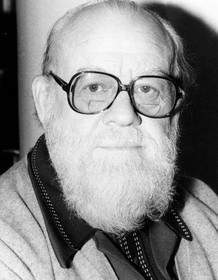
Éphraïm Cabot
Played by Burl Ives
A widower and ruthless New England farmer who treats the land as a legacy to be guarded at all costs. He overworked his wives, and his obsession with keeping the farm fuels the conflict between children and lovers. He condemns both Eben and Anna in the end, clinging to control until the last moment.
- 🗝️ Patriarch
- 💼 Wealth
- 🧱 Domineering
-
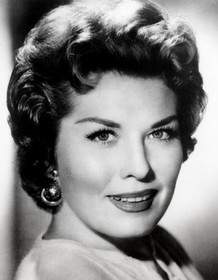
Florence Cabot
Played by Jean Willes
An elder member of the Cabot family whose death and memory linger over the farm’s history. Her presence through the farm’s legacy underscores how past owners influence present tensions. Her role is largely as a historical undertone shaping inheritance and reputation.
- 🕯️ Legacy
- 🧭 Ancestry
- 👵 Family history
- SC
Simeon Cabot
Played by Frank Overton
One of Ephraim's sons who, along with Peter, heads toward California to seek their fortune. He embodies the restless pursuit of wealth and the break from the old farmer’s grip. His relationship to the farm is defined by the choices of leaving or staying tied to the family business.
- 🚶♂️ Frontier
- 💸 Ambition
- 🏞️ Away from home
- PC
Pierre Cabot
Played by Pernell Roberts
Another Cabot son who shares the family burden and the drive for a better future away from the farm. He participates in the family’s search for fortune and the internal conflict between loyalty and opportunity. He, too, is drawn into the interplay of love, land, and legacy.
- 🤝 Family ties
- 🌍 Frontier
- 💼 Wealth
- LC
Lucinda Cabot
Played by Rebecca Welles
A member of the Cabot family who appears in the household dynamic. Her presence highlights the social network around the farm and the expectations of women in the family. She contributes to the tension and social judgment within the community.
- 👥 Social network
- 🗣️ Gossip
- 🏡 Household
- LM
La mère d’Eben
Played by Anne Seymour
The mother of Eben, one of Ephraim's wives, who is dead by the time the main action unfolds. Her memory and the farm's history haunt the living characters, and her passing underlines the tragedy of a family broken by greed.
- 💔 Maternal memory
- 🪶 Tragedy
- 🧭 Inheritance
- F
Farmer
Played by Jamie Forster
A local farmer who appears in the rural setting, reflecting the agrarian world surrounding the Cabot family. His presence underscores the community's view of the family’s fortune and status.
- 👨🌾 Rural neighbor
- 🗣️ Gossip
- 🪵 Working
- F
Fiddler
Played by Roy Fant
A local fiddler who provides rural color and atmosphere, hinting at the social scene around the farm. His music frames the mood between tension and tenderness in the story.
- 🎻 Music
- 🕰️ Small-town flavor
- 🕊️ Mood-setter
Where and When Is Desire Under the Elms Set?
Desire Under the Elms is set in New England (19th century). Here is why the time and place matter to the story.
When
19th century
Set in rural New England during the 19th century, the tale reflects patriarchal farming life and a strict social order. Life centers on the farm, with limited technology and clear expectations of marriage and inheritance. The era's emphasis on property and reputation heightens the stakes of the lovers' affair and the father's control.
Where
New England
The story unfolds on a stubborn New England farm, framed by a rural community. The landscape is harsh and wind-swept, reflecting generations of labor tied to the land. The Cabot family farm acts as the social and economic center, a constant source of tension and legacy.
- 🏡 Farmstead
- 🌾 Rural landscape
- 🗺️ New England
What Are the Themes of Desire Under the Elms?
4 ideas the story keeps returning to, among them Desire and Jealousy, Ownership and Power and Violence and Consequences.
-
01
Desire and Jealousy
Desire drives the central romance between Eben and Anna, pulling them toward forbidden union and reckless risk. Jealousy fuels conflict with Ephraim and blinds characters to consequences. The intense passion destabilizes the family, turning affection into a weapon and threatening the farm's future.
-
02
Ownership and Power
The farm represents ancestral wealth and control, and Ephraim's grip on it embodies patriarchal authority. Eben's calculated theft to buy out his brothers shows how money and inheritance drive ambition. The landscape becomes a battleground where family loyalty is traded for land and status.
-
03
Violence and Consequences
The infanticide marks the moral rupture at the story's core, revealing how desperation and passion can lead to irreversible guilt. Characters wrestle with blame, denial, and punishment as the law and community close in. The farm's prosperity is overshadowed by the blood-stained actions of those who love it.
-
04
Secrets and Deception
The lovers' lies and the father’s blind pride create a web of deceit that none can escape. Anna and Eben conceal the truth about the baby and their relationship, while Ephraim and others misread loyalty and desire. The sheriff's inquiry and social mockery expose the cost of secrets in a small, judgmental community.
What Kind of Film Is Desire Under the Elms?
Dark in tone, with steady pacing and a moderate story, going by the plot summary.
- Tone
- Dark
- Pacing
- Steady
- Story
- Moderate
- Intensity
- High
- Ending
- Bleak
A heavy and oppressive drama about a family poisoned by greed and resentment, leading to a passionate but destructive adulterous affair that culminates in a shocking act of violence and a bleak, tragic conclusion.
- oppressive
- claustrophobic
- passionate
- tragic
- resentful
- greedy
- family conflict
- illicit love
- inheritance
- generational resentment
Content notes: infanticide, adultery, incest themes.
Quiz
How well do you remember Desire Under the Elms? Test yourself on the story.