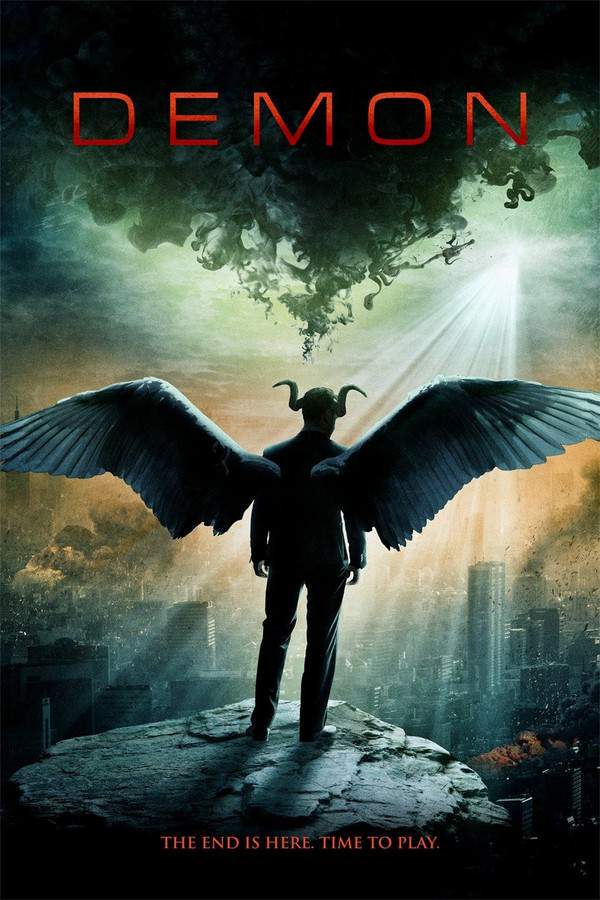
Demon 2016


Directed by

Marcin Wrona
Made by

Orchard, The
Where to Watch Demon
See current US streaming, rental, and purchase options for Demon (2016) via JustWatch.

Amazon Prime Video
HD
Amazon Prime Video with Ads
HD
AMC Plus Apple TV channel
HD
AMC+
HD
The Roku Channel
HD
Tubi TV
SD
Amazon Video
SD
Apple TV Store
HD
Fandango At Home
SD
Google Play Movies
SD
YouTube
SD Streaming availability powered by 
Demon Plot Summary
Read the complete plot summary and ending explained for Demon (2016). From turning points to emotional moments, uncover what really happened and why it matters.
Polish-British Piotr, who has lived and worked in England for many years, is preparing to marry Żaneta, a Polish woman he has only met online. He knows her brother and, though his Polish is awkward, he carries memories of his ancestors more vividly than of his own experiences. He moves into a run-down rural estate that once belonged to Żaneta’s grandfather, a place steeped in history and the weight of the past.
While digging in the yard with a backhoe just before the wedding, Piotr makes a chilling discovery—a skeleton buried in the grounds. He keeps the find to himself at first,likely weighing the implications of what it might mean for the upcoming ceremony. Soon afterward, he is haunted by the persistent vision of a woman in a wedding dress, a spectral presence named Hana, whose appearance grows more insistent as the wedding day approaches. This haunting is not merely a dream; Piotr’s mental state begins to unravel as the figure draws closer and he begins to suffer unsettling seizures.
As the celebrations unfold, the vision intensifies and Piotr becomes increasingly unmoored, culminating in a possession by Hana—the woman he keeps seeing. Żaneta’s family, comfortable and powerful, acts to keep the growing trouble from the wedding guests. They distract everyone with vodka and loud music while they lock Piotr away in the basement, first under medical supervision and then under priestly intervention, attempting to contain the crisis without drawing attention.
In a pivotal turn, a teacher who appears to be the town’s last surviving Jewish resident from the pre-war era recognizes a telling detail: Piotr is speaking in Yiddish, signaling that Hana’s spirit has taken hold of him. This discovery anchors the story in a supernatural explanation and deepens the interpretation of what is happening to Piotr.
The film is a careful re-telling of the classic dybbuk tale, using the possession of a single man to explore broader themes. It also functions as an allegory for Polish-Jewish relations before and after the war, suggesting that the traumas and memories of the past still reverberate in the present. A chilling implication runs through the narrative: Żaneta’s grandfather may have enriched himself, at least in part, by exploiting the property after its Jewish residents disappeared, a detail that adds a murky layer to the family’s wealth and the estate’s fate.
Throughout, the atmosphere stays taut and unsettled, blending personal anguish with historical resonance. The haunted romance, the eerie visions, and the uneasy revelations work together to create a meditation on memory, guilt, and the lingering shadows of history—crafted in a style that remains accessible while inviting viewers to reflect on the ways in which the past continues to claim the present.
Demon Timeline
Follow the complete movie timeline of Demon (2016) with every major event in chronological order. Great for understanding complex plots and story progression.
Skeleton unearthed in the estate yard
As Piotr and the crew operate the backhoe in the dusty yard, he uncovers a human skeleton buried beneath the soil. The discovery unsettles him, and he keeps silent about it at first, sensing the past lingering in the ground. This grisly find seeds a sense of foreboding that threads through the upcoming wedding.
Hana's haunting vision begins
Soon after the skeleton is found, Piotr is haunted by a vision of a woman in a wedding dress named Hana. The apparition grows clearer as the wedding approaches, and Piotr starts experiencing troubling episodes. The line between memory and nightmare begins to blur.
Piotr moves into the run-down estate
Piotr relocates to the large but dilapidated estate that Zaneta's family owns. Living there intensifies the sense of history and exile, as he confronts his own Polish roots and the past of Hana. The move anchors the story in a place tied to both love and loss.
The wedding reception opens the haunting
During the wedding reception, Hana’s figure grows closer to Piotr and the episodes escalate into apparent seizures. Guests sense something wrong as the atmosphere thickens with dread and the sense that the living are nearby the dead. This spectacle foreshadows a deeper possession at work.
Family hides the breakdown in the basement
To keep the wedding from turning into a scandal, Zaneta’s family distracts the guests with vodka and loud music while locking Piotr away. The basement becomes a shrouded stage for the supernatural events to unfold. The tension between revelation and secrecy dominates the late-night hours.
A doctor tends Piotr in confinement
Inside the basement, a doctor is brought in to observe Piotr and attempt to quell the disturbances. The medical approach clashes with the supernatural as Piotr's condition worsens. The hospital-like setting in the basement heightens the sense of a trial.
A priest is called to perform rites
As the phenomena continue, a priest arrives to perform blessings and exorcism-like rites. The attempt to banish Hana's spirit underscores the fusion of ritual and superstition in the community. The presence of the priest marks a turning point toward a decision between science and faith.
The teacher uncovers the linguistic sign of possession
The teacher, Wlodzimierz Press, realizes Piotr is speaking Yiddish, signaling that a non-Christian force possesses him. His discovery becomes the key to understanding Hana’s history and the supernatural strand running through the tale. This moment connects the present crisis with a pre-war Jewish community.
Hana’s backstory is divulged
The teacher explains Hana was a beautiful Jewish girl who vanished before the war, now inhabiting Piotr’s body as a dybbuk. The revelation ties the haunting to a specific historical trauma and to the town’s hidden memories. The possession is framed as a link between personal crisis and collective history.
The town's last Jewish witness speaks
The teacher is presented as one of the town’s last surviving Jewish residents and becomes a voice for the past. Through him, the audience learns about the fragile memory of the community and the impact of the war on those who remained. The narrative uses his perspective to deepen the dybbuk lore.
The grandfather’s wealth and the land's dark history
It is implied that Zaneta’s grandfather may have profited from dispossessing the Jewish residents and acquiring the property. The story uses this rumor to critique Polish-Jewish relations and the complicity of memory. The ghostly presence of Hana doubles as a reminder of that history.
The dybbuk tale as allegory
The film reframes the events as a retelling of a classic dybbuk story, using Hana’s possession to explore guilt and memory in post-war Poland. The mystery blends personal horror with historical allegory as the characters confront the past they inherit. The ending suggests a larger conversation about identity and responsibility.
Open-ended memory and history linger
The narrative closes with an unresolved tension, leaving Hana’s spirit and Piotr’s fate lingering. The audience is invited to grapple with how love, memory, and national history intersect within a single family and a single estate. The film leaves the moral question hanging in the air.
Demon Characters
Explore all characters from Demon (2016). Get detailed profiles with their roles, arcs, and key relationships explained.
Piotr (Itay Tiran)
Piotr is a Polish-British man who has lived in England for years and is about to marry Żaneta. He speaks Polish awkwardly, carrying memories of his ancestors. He moves into the run-down estate and becomes increasingly haunted by visions, ultimately being possessed by Hana.
Żaneta (Agnieszka Żulewska)
Żaneta is a Polish woman engaged to Piotr, from a well-to-do family. She wants to keep the engagement quiet and distract the wedding guests as Piotr's breakdown unfolds. The estate and its history are tied to her grandfather, adding a layer of familial secrecy and complicity.
Hana
Hana is the woman in the wedding dress whose spirit haunts Piotr, embodying a pre-war Jewish girl who vanished. Her presence drives the possession and reveals the estate's buried history.
The Teacher (Włodzimierz Press)
A teacher who appears to be the last surviving Jewish resident of the town pre-war and who recognizes Hana's influence. He realizes Piotr is speaking Yiddish and contributes crucial historical insight into the possession.
Demon Settings
Learn where and when Demon (2016) takes place. Explore the film’s settings, era, and how they shape the narrative.
Time period
Present-day (contemporary England)
The story unfolds in modern England, juxtaposing a contemporary wedding with a long shadow of the estate's history. Piotr's visions and possession occur within this present-day setting, while the pre-war past remains a looming memory. The narrative uses this contrast to explore how history penetrates everyday life.
Location
England, run-down rural estate
The setting centers on a decaying rural estate in England, recently inhabited by Piotr after his engagement to Żaneta. The property is tied to Żaneta's grandfather and carries the weight of its past Jewish residents. The atmosphere of the estate—its isolation, the basement, and the dig sites—furnishes a claustrophobic stage for the haunting events.
Demon Themes
Discover the main themes in Demon (2016). Analyze the deeper meanings, emotional layers, and social commentary behind the film.
👻
Possession
A dybbuk-like possession drives Piotr, forcing him to confront Hana and to reveal buried memories. The haunting raises questions about agency, identity, and the power of history to override the living. It also reframes Piotr's body as a battleground between present self and ancestral past.
🧭
Memory
The film ties memory to guilt, linking the pre-war Jewish residents with the grandfather's wealth and the estate's fate. A skeleton uncovered in the yard anchors the moral inquiry about dispossession and complicity. The narrative suggests that forgetting past wrongs perpetuates harm across generations.
💎
Wealth
Wealth and inheritance are shown as morally ambiguous forces tied to historical wrongdoing. Żaneta's well-to-do family aims to shield the wedding from scandal, hinting that their fortune may rest on the estate's past dispossession. The film uses the wedding as a stage to expose these hidden truths.
🗝️
Secrets
The story functions as an allegory for Polish-Jewish relations before and after the war, with secrecy about the estate's past a central driver. Characters conceal what they know about the property's history, keeping guests and truth at arm's length. Uncovering these secrets requires confronting uncomfortable moral realities.

Coming soon on iOS and Android
The Plot Explained Mobile App
From blockbusters to hidden gems — dive into movie stories anytime, anywhere. Save your favorites, discover plots faster, and never miss a twist again.
Sign up to be the first to know when we launch. Your email stays private — always.
Explore the mobile appDemon Ending Explained
Unravel the ending of Demon (2016) with our detailed explanation. Understand the final scenes, character fates, and unresolved questions.
The ending of The Demon Disorder reveals that, after a final battle with the parasitic creature inside Phillip, Graham manages to shoot and kill the monster, which had been growing inside him as well. However, before the creature dies, parts of it are transferred into Graham, leaving him with a slimy parasitic fragment embedded in his chest. Believing he is doomed and wanting to end the nightmare, Graham is about to take his own life, but his brothers Jake and Phillip, along with Cole, intervene just in time. They carve out the parasite from his chest and kill it, seemingly ending the demonic affliction. In the aftermath, the police arrive, but the characters realize they cannot trust the law to understand or help them with this supernatural horror. They decide to leave town, speeding away into the distance to escape the cycle of the parasitic curse.
However, the story closes with a chilling final scene: back at the abandoned Reilly house, a trail of slime indicates that the parasitic creature is not entirely gone. A severed tongue, which Graham had pulled from Phillip’s body, is seen slithering around, suggesting that a part of the creature still survives and continues to pose a threat. This leaves the story open to the possibility that the demonic disorder could reignite, spreading its parasitic evil once more, and hinting that the terror may not truly be over. It’s a haunting reminder that some evil, once unleashed, can never be completely eradicated.
Demon Spoiler-Free Summary
Discover the spoiler-free summary of Demon (2016). Get a concise overview without any spoilers.
In the quiet reaches of rural Poland, an isolated estate inherited from a bygone generation stands as both a home and a relic. The weathered walls and overgrown grounds hold the weight of history, their silence broken only by the preparations for a celebration that promises to breathe new life into the place. Yet the very soil seems to remember what has been buried, hinting that the past is not entirely at rest.
Piotr, a Polish Briton who has spent years abroad, arrives with a mixture of excitement and nervousness. He has known his bride-to-be, Żaneta, only through screens and fleeting conversations, and now steps into her family’s world, where the language he speaks feels as much a heritage as it is a hurdle. Their relationship, built on hope and digital intimacy, is tested by the unfamiliar rhythms of the countryside, the weight of ancestral expectations, and the looming presence of an ancient, unseen force whispered about in local folklore.
The mood is a careful balance between the joyous anticipation of a wedding and an undercurrent of unease that permeates every creaking floorboard. A strange discovery in the yard hints that something older than the celebration itself lingers beneath the surface, a dybbuk whose legend still haunts the region. The estate’s decay mirrors the fragile veneer of festivity, and the community’s attempts to drown out discomfort with music and revelry only deepen the impression that an unresolved history is watching, waiting.
As the ceremony draws near, the lines between the present and the lingering echoes of the past begin to blur. Piotr finds his perception subtly shifting, as if the very act of joining two lives is entangled with the restless spirit of the land. The film lingers in this liminal space, where love, tradition, and an enigmatic, age‑old presence converge, inviting viewers to feel the tension that hangs over every smile and every whispered promise.
Movies with Similar Twists and Themes
Uncover films that echo the narrative beats, emotional arcs, or dramatic twists of the one you're exploring. These recommendations are handpicked based on story depth, thematic resonance, and spoiler-worthy moments — perfect for fans who crave more of the same intrigue.
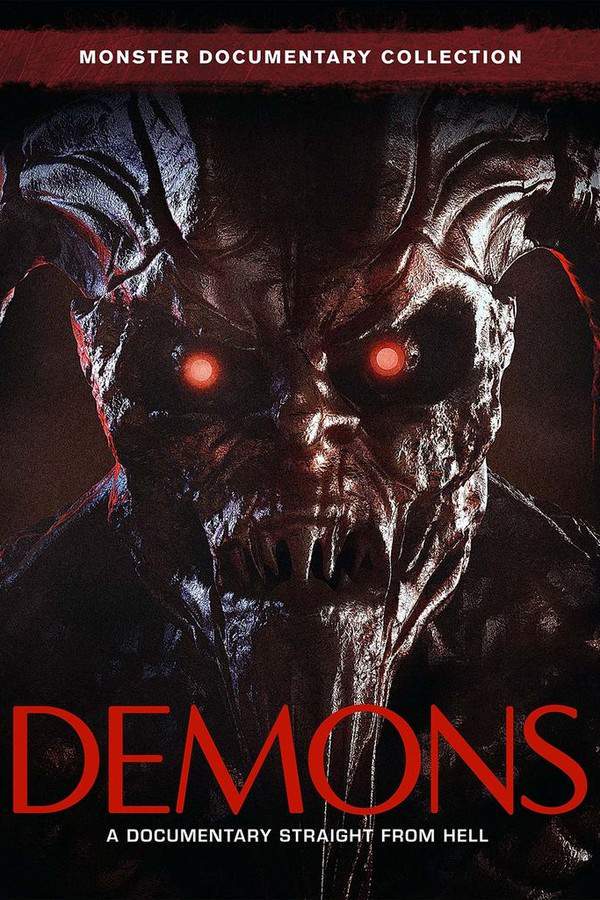
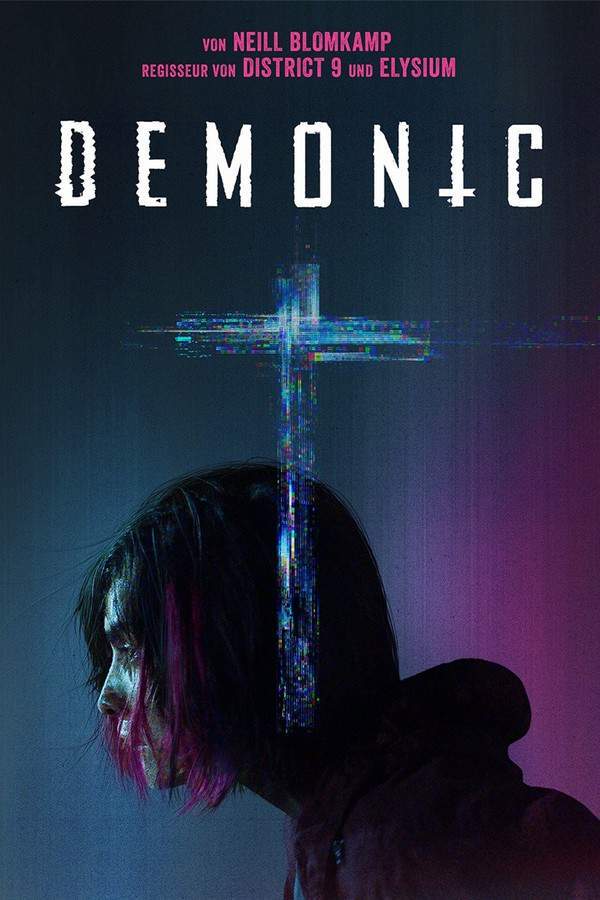
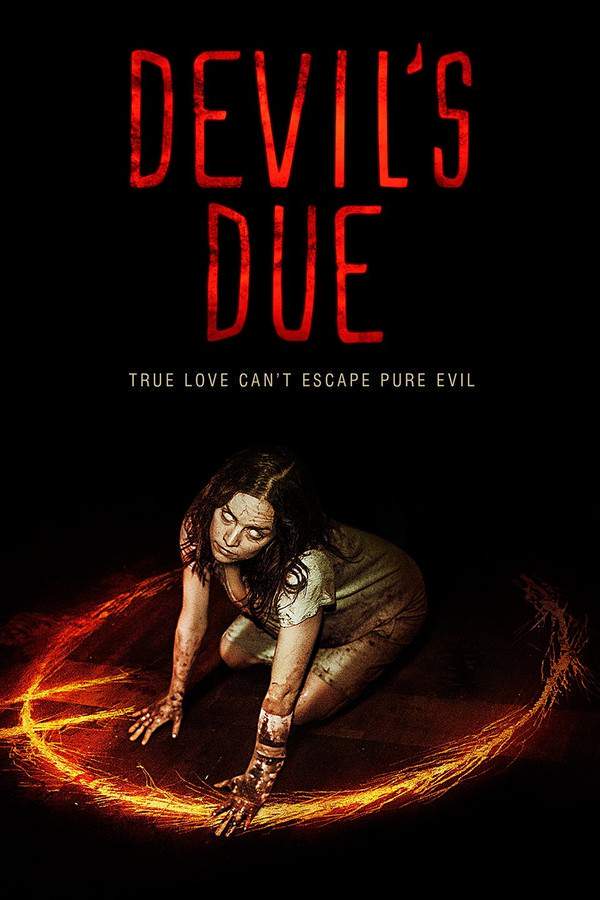


Featured on this page

What's After the Movie?
Not sure whether to stay after the credits? Find out!
Check out our other apps:

SAT Sphere
Build confidence for the Digital SAT.

Mori Atlas
Discover wild places worth protecting.

Luntero
Search smarter for a home in Amsterdam.

Plot Explained
Unravel movie endings and hidden clues.

Pokechamp
Dive into Pokémon data and battle logic.

Driving Theory
Get ready for your European theory test.

Movie Dust
Plan your next cinema trip with ease.

Musemap
Find art and culture as you travel.

Selkobase
Compare credentials before committing.

Local Manual
Turn an unfamiliar country into practical next steps.

Lernavi
Compare school systems before your next move.

GymRoam
Find a workout stop wherever your plans take you.
Explore Our Movie Platform
New Movie Releases (2026)
Famous Movie Actors
Top Film Production Studios
Movie Plot Summaries & Endings
Major Movie Awards & Winners
Best Concert Films & Music Documentaries
Movie Collections and Curated Lists
© 2026 What's After the Movie. All rights reserved.
Privacy Policy