
Death on the Diamond 1934

Directed by
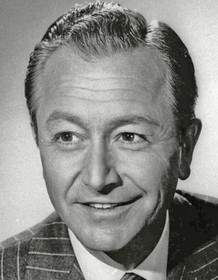
Robert Young
Made by

Metro-Goldwyn-Mayer
Death on the Diamond Plot Summary
Read the complete plot summary and ending explained for Death on the Diamond (1934). From turning points to emotional moments, uncover what really happened and why it matters.
Pop Clark, David Landau, owner-manager of the St. Louis Cardinals, sits down with newspaperman Jimmy Downey to take stock of a season that started as a favorite yet has slipped into trouble. He reveals a bold move: he has signed star pitcher Larry Kelly, Robert Young, hoping one standout ace can seal the pennant. Kelly arrives amid flirtation and friction, striking a chord with Frances Clark, Madge Evans who works in the front office as team secretary, and then suiting up for practice. On the field, catcher Hogan, Nat Pendleton — often at odds with umpire O’Toole, Ted Healy — becomes a flashpoint as Pop chases away two former players tied to organized gambling who try to recruit the team. Pop insists the club will stay clean and tells the players to steer clear of any gambling influence, even as he confides to Frances that a pennant may decide his future: if they don’t win, the franchise could pass to Henry Ainsley, John Hyams, after Pop borrowed every penny to hire Kelly.
Reporter Downey spots Joe Karnes, C. Henry Gordon, in the stands and threatens to print a story about his gambling links, increasing the pressure from the underworld. Karnes offers Kelly a ride to a team dinner and invites him to visit his yacht, though Kelly declines to break training. At the dinner, Downey reveals Karnes’s gambling prominence, and Mickey Rooney, Mickey Rooney, bursts in with news that someone tampered with the gloves in the clubhouse by applying a chemical designed to incapacitate players. Suspicion rises, and Spencer, the team’s star hitter, accuses Kelly of taking advantage of the scheme, though Frances forces the two to settle things for the moment. The team then faces a stern test: Ainsley taunts Pop at a home game, while Karnes and his men keep a close watch from the stands. Kelly answers with a brilliant performance, and Spencer delivers a walk-off hit that hands the Cards a victory and lifts them to a strong standing.
With the Cardinals now in second place, Karnes and his peers confront the mounting risk of a ruined payoff. In a hotel room, Kelly discovers an envelope containing $10,000 and a note claiming a “friend” hopes he will lose the next game. The squad, along with Downey, grows wary and resolves to uncover who is behind the money. The next day, Kelly again takes the mound against the Reds, and this time he pitches a no-hitter in a game that puts pressure on the gamblers. As he and Hogan ride back in a taxi, a hidden rifle shot blows out a tire and they crash; Kelly is injured and sidelined for two weeks. In the hospital, the team’s doctor announces that Kelly should be sent home to recover, but Downey bursts in with the news that the police have found a bullet hole in the taxi.
Despite Kelly’s absence, the team continues to shine, and after 151 games they surge into first place in the National League. With three games remaining, they must win two to clinch. On a train home, Kelly and Spencer quarrel over Frances, and Ainsley quietly instructs a man to disembark at Springfield without explanation. In the next matchup against the Chicago Cubs, the Cardinals tie the score in the 6th, but Karnes’s men execute a quiet order that shifts the momentum. In the bottom of the 8th, with two outs and two on, Spencer delivers a key hit, the tying runs score, and then tragedy strikes: Spencer is shot as he rounds home, and the Cardinals lose the game.
Police questions follow, focusing on Kelly’s absence and the train quarrel with Spencer. Kelly insists he wasn’t avoiding Spencer’s moment of glory; he simply didn’t want to “take a bow” at a moment that might endanger others. Downey presses Karnes for more information, but Karnes remains defiant, threatening the journalist before walking away. The sport’s drama thickens as the Cardinals prepare for more games while the investigation narrows toward the endgame: a final showdown against Cincinnati.
Before the final match, wives and girlfriends plead with the players to stay safe. In the clubhouse, security scrambles to keep Karnes’s crooked men away. As Higgins—Robert Livingston as Frank Higgins with Higgins warming up to pitch—goes inside the clubhouse to take a call, he disappears. Pop summons Warmack to the mound in a tense moment, only to discover Higgins’s body in a locker: he has been strangled. The team rallies, and Warmack delivers a solid performance, but the game’s outcome hinges on late drama.
A distraction near the end leads to a dramatic sequence where Hogan, after eating his usual hot dog, falls ill and dies just as a detective probes a tip about a call for Higgins. Downey’s suspicions refocus on Patterson, the trainer, DeWitt Jennings whose jealousy and fear seem to surface at pivotal moments. Patterson attempts to use force, but he’s overpowered and confronted with the truth: his envy and fear of Pop’s control over the team pushed him toward violent acts.
The final game against Cincinnati ends on a razor’s edge. Kelly returns to prove himself, and on a climactic moment Pop’s instinct pays off: he lets Kelly swing, and the ball sails over the outfield for an inside-the-park home run. O’Toole, Ted Healy behind the plate, calls the play correctly as the winning run crosses the plate and the Cardinals clinch the pennant with a 3-2 victory. Pop confronts Ainsley about the earlier promise to install Patterson as manager, while Downey explains his growing suspicion of Patterson to Kelly and Frances. The film closes with Kelly and Frances sharing a quiet kiss, and Downey warning him not to strain his arm before the World Series arrives.
Death on the Diamond Timeline
Follow the complete movie timeline of Death on the Diamond (1934) with every major event in chronological order. Great for understanding complex plots and story progression.
Pop Clark signs Larry Kelly to boost pennant bid
The film opens with Pop Clark meeting newspaperman Jimmy Downey and declaring he will do whatever it takes to win the pennant. He reveals he has signed star pitcher Larry Kelly to bolster the team’s chances. The decision signals Pop’s willingness to take big risks to save the franchise.
Kelly arrives and connects with Frances; pre-season practice
Kelly arrives at the Cardinals' camp and flirts with Frances, who works as team secretary. He suits up and joins the first practice of the season. Tension blends with ambition as the roster heads into the season.
Practice turmoil and Pop's warning about gambling
During practice, catcher Hogan taunts umpire O'Toole, stirring tension in the locker room. Pop chases off two men with gambling ties who are trying to recruit players. He makes clear to the team that he will root out any criminal influence and keep the game clean.
Karnes observed; Kelly's dinner meeting; glove tampering discovered
Downey spots Karnes in the stands and warns he may print a damaging story about his gambling connections. Karnes tries to recruit Kelly with a yacht visit, trying to bend the star to his will. At the team dinner, Downey explains Karnes’s role and Mickey reports that someone has tampered with gloves, arousing suspicion.
First big game turning point; Spencer walk-off win
At the next home game, Ainsley taunts Pop by declaring the team will be his by October. Karnes and his men watch from the stands, hoping to manipulate outcomes. Kelly pitches brilliantly and Spencer delivers a walk-off hit to win the game.
Gambling scheme expands; cash gift to Kelly
Karnes and other gamblers discuss the odds promised to bettors. Kelly receives an envelope with $10,000 and a note implying a 'friend' hopes he will lose the next game. The teammates and Downey grow suspicious and vow to uncover the criminals behind the money.
Reds game; Kelly’s no-hitter; taxi attack and injury
Against the Reds, Kelly again pitches superbly and throws a no-hitter in the ninth inning. After the game, a hidden rifleman shoots the taxi’s tire, causing a crash that injures Kelly and forces him to sit out for two weeks. Doctors reveal a bullet hole in the tire, prompting fresh police involvement.
Cardinals surge to first; train tensions
Even with Kelly sidelined, the Cardinals climb to first place with three games remaining. On the train home, Kelly and Spencer quarrel about Frances, and Ainsley quietly directs one man to disembark in Springfield, hinting at further machinations. The mood on the trip is tense as danger seems to close in.
Cubs game tragedy; Spencer is shot and dies
During the Cubs game, the teams are tied 3-3 in the sixth when Karnes signals a mysterious order. In the bottom of the eighth, Spencer hits a clutch run; as he circles third, a rifle shot fells him and he dies, costing the Cards the lead and the game. Police question players about Kelly’s absence and the quarrel on the train.
Higgins murdered; Patterson suspicion grows
In the clubhouse, security chases off Karnes’ crooked men as they menace the team. Higgins warms up to pitch, takes a call, and is later found dead in a locker, strangled. Hogan dies soon after in another suspicious incident, and investigators begin to suspect Patterson’s involvement.
NL meeting; using Kelly as bait
In a tense meeting at the National League offices, the commissioner and police discuss canceling the game. Pop delivers a passionate speech and persuades them to proceed, with Frances and Kelly present. Downey urges Pop to use Kelly as bait to lure the criminals into the open.
Final game: bomb threat and inside-the-park finish
In the final game against Cincinnati, a mysterious hand slips a pocket watch bomb into Kelly’s jacket pocket. Kelly spots the device and throws it away, where it detonates harmlessly. Patterson, the jealous trainer, is revealed after being overpowered when attempting to grab a gun and he admits his motive.
Pennant clinched; Patterson’s exposure
The game ends with Kelly delivering an inside-the-park homer and the Cardinals clinching the pennant, with Crawfish O’Toole confirming the safe call at home. Pop confronts Ainsley about Patterson’s plot, and Downey hints at the unresolved investigation as he urges caution with Kelly’s arm ahead of the World Series. Kelly and Frances share a quiet moment of relief and resolve.
Death on the Diamond Characters
Explore all characters from Death on the Diamond (1934). Get detailed profiles with their roles, arcs, and key relationships explained.
Pop Clark (David Landau)
Owner and manager of the St. Louis Cardinals, Pop fights to keep the club clean and financially afloat. He navigates gambling pressures while striving to secure a pennant, balancing business risk with a commitment to integrity.
Larry Kelly
Star pitcher whose talent drives the pennant chase. He faces suspicion over glove tampering, endures pressure from rivals and teammates alike, and becomes a focal point for those hoping to manipulate the outcome.
Frances Clark
Pop’s daughter and team secretary who becomes involved with Larry. She advocates for the team, balances personal feelings with professional duties, and plays a key role in keeping the players focused on winning cleanly.
Jimmy Downey
Investigative newspaperman pursuing the gambling story. His reporting sharpens the focus on Karnes's scheme and helps rally support to protect the team from corrupt influence.
Joe Karnes
A major gambler who masterminds attempts to fix games and profit from the volatility of the pennant race. He lurks in the stands, coordinating with henchmen to disrupt the Cardinals' success.
John 'Truck' Hogan
Catcher who endures taunts and intimidation, serving as a steady, loyal presence in the clubhouse and a key ally in the fight against the gambling plot.
Mickey
Teammate and fan favorite who helps uncover glove tampering and contributes to the crew’s resolve to prove the team's integrity.
Dunc Spencer
Cardinals teammate who participates in the season's tensions and supports the pursuit of a rightful pennant, even as personal frictions emerge.
Frank Higgins
Pitcher whose murder shocks the team and intensifies the investigation into who is orchestrating the crime. His death accelerates the pursuit of truth.
Crawfish O'Toole
Umpire with a notable nickname who becomes entangled in the plot and ultimately helps reveal the conspiracy behind the tampering and threats.
Patterson
Trainer whose jealousy and ambitions pull him into the scheme to gain control of the team, exposing the darker side of competition.
Cato
Security figure in the NL setting, his presence underscores the enforcement of order as the investigation into the plot unfolds.
Henry Ainsley
Rival owner figure connected to the broader power struggle over the team; his hidden influence frames much of the season's tension.
Death on the Diamond Settings
Learn where and when Death on the Diamond (1934) takes place. Explore the film’s settings, era, and how they shape the narrative.
Time period
1930s
The events unfold during a 1930s baseball season, a period marked by economic hardship and the rising influence of organized crime in sports. The Cardinals battle rivals through a long, grueling schedule that tests loyalty and nerve. Gambling pressures and investigative work heighten the tension, giving the era its distinctive noir-inflected atmosphere.
Location
St. Louis, Missouri, Chicago, Illinois, Cincinnati, Ohio
The story centers on the St. Louis Cardinals' pennant chase, anchored in their home city and fleshed out through key games in Chicago and Cincinnati. The clubhouse, dugout, hotels, and train rides provide the stage for both on-field drama and off-field intrigue. The setting captures 1930s baseball culture, where big dreams clash with shady schemes and high-stakes decisions.
Death on the Diamond Themes
Discover the main themes in Death on the Diamond (1934). Analyze the deeper meanings, emotional layers, and social commentary behind the film.
💰
Gambling
Criminal gamblers try to tilt the pennant race by bribing players and orchestrating threats. Cash envelopes, hidden wagers, and a plotted scheme to control outcomes drive the plot and threaten the team's integrity. Investigators and a determined reporter race to expose the network before more harm is done.
⚾️
Integrity
Pop Clark fights to run a clean club, warning against any ties to gambling and demanding accountability from his players. The narrative emphasizes sportsmanship, honesty, and the dangers of greed undermining a franchise. The characters’ commitment to fair play becomes a test of character under pressure.
🔥
Heroism
Larry Kelly embodies courage, stepping into danger to pitch and protect his teammates. The climax hinges on quick thinking, resolve, and personal sacrifice as the team pursues the pennant amid threats. Romantic tensions, detective work, and a high-stakes finale amplify the sense of calculated bravery.

Coming soon on iOS and Android
The Plot Explained Mobile App
From blockbusters to hidden gems — dive into movie stories anytime, anywhere. Save your favorites, discover plots faster, and never miss a twist again.
Sign up to be the first to know when we launch. Your email stays private — always.
Explore the mobile appDeath on the Diamond Spoiler-Free Summary
Discover the spoiler-free summary of Death on the Diamond (1934). Get a concise overview without any spoilers.
In the gritty world of 1930s baseball, a struggling franchise teeters on the brink of ruin. Pop Clark, the owner‑manager of the St. Louis Cardinals, faces a mounting debt that could cost him more than just the club. Desperate to turn the tide, he brings in a legendary pitcher whose talent could be the key to a pennant, hoping that a single ace can lift the whole team out of the shadows.
Larry Kelly arrives in St. Louis with a reputation for brilliance on the mound and a magnetic charm that quickly catches the eye of the team’s spirited secretary, Frances Clark. Their budding romance adds a personal stake to the high‑stakes chase for the championship, while the press hangs on every swing, every pitch, and every whispered rumor swirling through the ballpark. The atmosphere crackles with a blend of hopeful optimism and simmering tension, as the season’s final stretch draws nearer.
Beyond the diamond, the stakes are amplified by a web of rival clubs and menacing underworld figures who see the Cardinals’ success as a chance to further their own agendas. The notion of “clean” baseball clashes with the ever‑present lure of gambling and sabotage, casting a pall of uncertainty over every game. As the race for the pennant tightens, the team must navigate not only the pressures of performance but also the unseen forces that threaten to undermine their progress.
Against this backdrop of ambition, love, and looming danger, Larry finds himself caught between the desire to prove his worth on the field, the need to protect those he cares about, and the relentless pursuit of a mystery that could change the fate of the Cardinals forever.
Movies with Similar Twists and Themes
Uncover films that echo the narrative beats, emotional arcs, or dramatic twists of the one you're exploring. These recommendations are handpicked based on story depth, thematic resonance, and spoiler-worthy moments — perfect for fans who crave more of the same intrigue.


Featured on this page

What's After the Movie?
Not sure whether to stay after the credits? Find out!
Check out our other apps:

SAT Sphere
Build confidence for the Digital SAT.

Mori Atlas
Discover wild places worth protecting.

Luntero
Search smarter for a home in Amsterdam.

Plot Explained
Unravel movie endings and hidden clues.

Pokechamp
Dive into Pokémon data and battle logic.

Driving Theory
Get ready for your European theory test.

Movie Dust
Plan your next cinema trip with ease.

Musemap
Find art and culture as you travel.

Selkobase
Compare credentials before committing.

Local Manual
Turn an unfamiliar country into practical next steps.

Lernavi
Compare school systems before your next move.

GymRoam
Find a workout stop wherever your plans take you.
Explore Our Movie Platform
New Movie Releases (2026)
Famous Movie Actors
Top Film Production Studios
Movie Plot Summaries & Endings
Major Movie Awards & Winners
Best Concert Films & Music Documentaries
Movie Collections and Curated Lists
© 2026 What's After the Movie. All rights reserved.
Privacy Policy