
What Is Dead Ringer About?
The premise of Dead Ringer in 267 words, with nothing given away. The full story follows below.
In a world of post‑war opulence and lingering class divides, two identical sisters have spent decades on opposite sides of a bitter rift. The story follows Edith, a gritty, working‑class woman whose life has been defined by hardship, and her affluent twin, Margaret, whose privileged existence is wrapped in wealth and social respectability. When a fierce desire for vengeance drives Edith to a daring and irreversible act, she steps into Margaret’s polished world, intent on claiming the mansion, the fortune, and the future that have always seemed out of reach.
The film drapes its narrative in a sleek, noir‑inflected atmosphere, where grand interiors echo with whispers of the past and every polished surface reflects a hidden tension. The luxurious estate, filled with polished servants, elegant soirées, and an ever‑watchful household, becomes a labyrinth that Edith must navigate while keeping up the illusion of her sister’s refined demeanor. The contrast between her rough edges and the genteel expectations of haute society creates a constant sense of unease, as she learns that the price of a borrowed identity is far higher than she imagined.
As Edith walks the tightrope between her own instincts and the performance demanded by high society, the audience is drawn into a psychological tug‑of‑war. The tone remains taut, blending suspense with a lingering melancholy that hints at the fragile nature of truth when filtered through deception. Every interaction, every lingering glance, suggests that the veneer of wealth may conceal as many dangers as the shadows of a broken past, leaving Edith—and the viewer—questioning how far one can truly become someone else before the mask shatters.
What Happens in Dead Ringer?
The complete story of Dead Ringer, from the first scene to the last, in 728 words (about 3 minutes). Spoilers throughout. Names in the text link to 1 cast member page.
Spoilers ahead
For 18 years, identical twin sisters Margaret Bette Davis and Edith Bette Davis have been estranged, each carrying the weight of a long-ago rift. The split began when Margaret faked a pregnancy to “steal” Edith’s fiancé, Francesco “Frank” DeLorca, a wealthy American military officer whom both sisters had dated during World War II. The stakes are personal and financial: Margaret enjoys the security of Frank’s vast wealth, while Edith’s cocktail lounge business teeters on the brink of eviction and bankruptcy.
The two sisters unexpectedly cross paths again at Frank’s funeral, where the pair must confront their painful history. Edith, desperate to reclaim control of her life and her own future, concocts a ruthless plan to settle the score once and for all. She phones Margaret, inviting her to a room above the bar to finally settle their vendetta. When Margaret arrives, Edith murders her in a staged shooting, then swaps clothes with the corpse and makes it look like Margaret killed herself. With this brutal ruse, Edith seizes control of the DeLorca mansion and steps into Margaret’s identity, hoping to erase the past and secure her own position.
Yet the mansion’s atmosphere begins to feel unsettled, and the signs of Edith’s deception accumulate. The household staff grow wary: the Great Dane that had once shown clear animosity toward Margaret now treats Edith with unusual familiarity, almost curiously protective. Edith herself, unlike Margaret, is a smoker—a small but telling habit that jars with the memories the servants hold of the late Margaret. The suspicious eyes of the house’s inner circle grow louder as Edith assumes two crucial roles at once: the widowed heiress and the living portrait of Margaret.
Into this carefully constructed illusion steps Jim, a police detective who had been seeing Edith before she faked her own suicide. Jim’s inquiries begin as casual questions but soon chip away at Edith’s cover, as he repeatedly encounters the supposed Margaret and she must improvise to maintain the facade. The plot thickens when Tony, Margaret’s former lover, unexpectedly returns and immediately senses something is off. He recognizes Edith, not Margaret, and begins to press for truth. In a dangerous turn, he tries to leverage Edith by threatening exposure, demanding expensive jewelry as payment for his silence. Edith’s plan encounters trouble when she discovers that Margaret and Tony had previously conspired to poison Frank, a revelation that shatters her confident control.
A confrontation with Tony escalates as he taunts Edith, and the two exchange heated words. In a dramatic moment, Margaret’s loyal Great Dane intervenes, attacking Tony and fatally ending the threat. This act—seemingly a final reminder of the dog’s loyalty to Margaret—further unsettles Edith’s already precarious mask.
As suspicion deepens, Jim advances the investigation with more determined resolve. He arranges the exhumation of Frank’s body and finds traces of arsenic, a damning clue that reopens the case and points toward murder rather than suicide. When Jim finally confronts the woman he believes to be Margaret, Edith makes a last, desperate bid to maintain the deception by denying her true identity. Yet Jim remains skeptical, holding to the line that “Edie would never hurt a fly” and thus refusing to accept Edith’s confession as truth.
The evidence mounts, and Edith’s carefully constructed lie begins to crumble under the weight of forensic findings and inconsistent testimonies. Convinced of Edith’s central role in the killings, the authorities proceed with a formal arrest and a high-stakes trial. Edith is convicted of murder, condemned to the death sentence, and led from the courthouse with no immediate hope of reprieve. As she is taken away to face the gas chamber, Jim approaches her and repeats the old line, challenging her final identity: is she truly Edith, or has the person she has been all along been someone else? Her response—an assertion of defiance in the face of judgment—leaves the truth suspended in the tense air of the courtroom and the inevitable consequences of a life built on deception.
In the end, the film lingers on the courtroom’s conclusions and the chilling transformation of Edith, a woman who chose power through a fatal act of impersonation and murder. The story remains a stark study in identity, loyalty, and the cost of revenge, carried by a performance that juxtaposes tenderness with ruthlessness and a plot that twists the line between illusion and reality until the final, irrevocable moment.
Dead Ringer Timeline: Every Key Event in Order
14 key events in the order they happen, from “Margaret fakes a pregnancy to win Frank” to “Edith faces the gas chamber”. 13 events name a place, across 6 locations.
- 1
Margaret fakes a pregnancy to win Frank
During World War II, Margaret fakes a pregnancy to steal Edith's fiancé, Francesco DeLorca. The ruse piles pressure on both sisters and sets Margaret up as the heiress while Edith's prospects dim. This early deception fuels the deadly feud that dominates the rest of the story.
When:World War II era
- 2
At Frank's funeral, the sisters are forced to confront each other
The estranged twins meet and mourn Frank, the man who connected them once and now symbolizes their rivalry. They exchange guarded pleasantries while the threat of betrayal hangs over them. The moment reopens old wounds and hints at the revenge to come.
When:Funeral day Where:Funeral
- 3
Edith hatches revenge and summons Margaret to her room above the bar
Edith, desperate to regain control of her life, schemes revenge and summons Margaret to her room above the bar. She plans to settle their scores and secure Frank's fortune by any means necessary. The setup marks a shift from rivalry to calculated deceit.
When:Soon after the funeral Where:Edith's room above the bar
- 4
Edith shoots Margaret and swaps clothes to fake her suicide
Margaret arrives and Edith shoots her, then quickly swaps clothes with the corpse to stage a suicide and make the murder look like Margaret's. The ruse buys Edith time to impersonate Margaret and assume her wealth and status. The audience learns that murder can be a doorway to power.
When:Soon after meeting Where:Edith's room above the bar
- 5
Edith assumes Margaret's identity and takes over the DeLorca mansion
With the body disposed and the disguise in place, Edith moves into the DeLorca mansion as Margaret. She carefully maintains the ruse to keep the servants and others from noticing inconsistencies. The mansion becomes a battlefield of appearances as suspicion begins to grow.
When:Shortly after the murder Where:DeLorca mansion
- 6
Suspicion creeps in as the mansion's Great Dane and staff react oddly
The Great Dane, who despised Margaret, unexpectedly befriends Edith, a clue that unsettles the household. Edith's smoking habit, unlike Margaret's aversion, deepens the sense that something is wrong. Servants also notice small inconsistencies that hint at the imposture.
When:Early weeks after impersonation Where:DeLorca mansion
- 7
Detective Jim begins questioning the fake Margaret
Jim, a police detective who had been seeing Edith, visits the fake Margaret and asks questions. He senses contradictions and begins to doubt the story she presents. His interview plants seeds for a formal investigation into Frank's death.
When:Shortly after impersonation Where:DeLorca mansion
- 8
Tony uncovers the impersonation and becomes entangled
Tony, Margaret's lover, arrives and quickly sees through Edith's disguise. He becomes entangled in the deception and refuses to stay silent about what he knows. The tension between old loyalties and Edith's ruse escalates the danger.
When:Soon after Jim's visits Where:DeLorca mansion
- 9
Edith and Tony’s blackmail over the murder of Frank
Edith learns that Margaret and Tony plotted to murder Frank by poisoning him, and she confronts the betrayal. The revelation deepens Edith's peril and forces her to navigate Tony's coercive demands. The looming exposure threatens to topple Edith's precarious ruse.
When:After Tony's confrontation Where:DeLorca mansion
- 10
Great Dane attacks Tony after a threatening moment
During a confrontation, Tony threatens Edith, and Margaret's Great Dane attacks and kills him. The brutal turn intensifies the house's peril and removes one of Edith's most dangerous liabilities. The killing underscores how far Edith's plan has spiraled.
When:Immediately after the threat Where:DeLorca mansion
Show the other 4 events of Dead Ringer Hide the last 4 events
- 11
Jim exhumes Frank's body and finds arsenic
Jim intensifies the case by exhuming Frank's body and discovering traces of arsenic. The forensic evidence links Frank's death to foul play and confirms a poisoning plot. The discovery shifts the investigation from suspicion to solid proof.
When:Weeks after the murder Where:Grave site / morgue
- 12
Jim arrests the impostor Margaret; Edith confesses
Jim arrives to arrest the impostor 'Margaret' as Edith finally confesses her true identity, but he refuses to believe her, saying 'Edie would never hurt a fly.' The conflicting loyalties and skepticism stall the immediate consequences. The arrest proceeds, but the deception has taken a toll.
When:As the arrest nears Where:Courthouse
- 13
Edith is tried, convicted, and sentenced to death
Edith is tried for murder, and the verdict condemns her to death. The courtroom drama seals the public end of her impersonation and crime. The sentence marks the culmination of the years-long ruse and its violent outcomes.
When:Post-trial Where:Courthouse
- 14
Edith faces the gas chamber
As she is taken from the courthouse, Edith denies being Edith when Jim asks, clinging to her constructed identity. She departs for the gas chamber, facing the ultimate punishment for her deception and murder. The story ends with the definitive punishment for her crimes.
When:Final sequence Where:Gas chamber facility
Who Are the Main Characters in Dead Ringer?
5 characters, among them Margaret DeLorca (Bette Davis), Edith DeLorca (Bette Davis) and Jim (Karl Malden): who each one is and the part they play in the story. Every profile links to the actor’s page.
-

Margaret DeLorca (Bette Davis)
Played by Bette Davis
Margaret is the elder twin whose social charm and wealth secure her status. She uses cunning and manipulation to maintain control, including a past pregnancy trick to steal Francesco DeLorca. Her presence anchors the world of luxury and danger at the DeLorca mansion, and her murder becomes the pivot for Edith's impersonation.
- 👑 Wealth
- 🎭 Deception
- 🪪 Identity
-
Edith DeLorca (Bette Davis)
Played by Bette Davis
Edith is Margaret's ruthless twin, driven by revenge and a hunger for wealth. She assassins Margaret and assumes her identity to seize the mansion and her fortune, orchestrating a flawless facade until the truth surfaces. Her calculated disguise and willingness to manipulate those around her propel the suspense.
- 🎭 Deception
- 🪞 Reflection
- 💎 Wealth
-
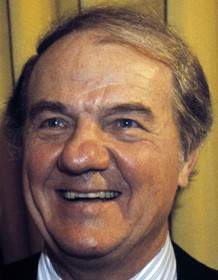
Jim (Karl Malden)
Played by Karl Malden
Jim is a police detective who has been seeing Edith. He embodies skepticism and moral resolve as he pieces together the clues around Margaret's death. His investigation, including the exhumation of Frank's body, drives the pursuit of truth and the danger Edith faces as her lie corrodes.
- 🕵️ Investigation
- ⚖️ Justice
- 🧭 Mystery
- FD
Frank DeLorca (Philip Carey)
Played by Philip Carey
Frank is the wealthy American military officer whose death triggers the central mystery. His fortune and status set the stakes for the sisters' rivalry. His poisoning and the ensuing investigation reveal the hidden tensions behind the glamorous DeLorca façade.
- 💎 Wealth
- 🏰 Elite
- 🗝 Secret
-
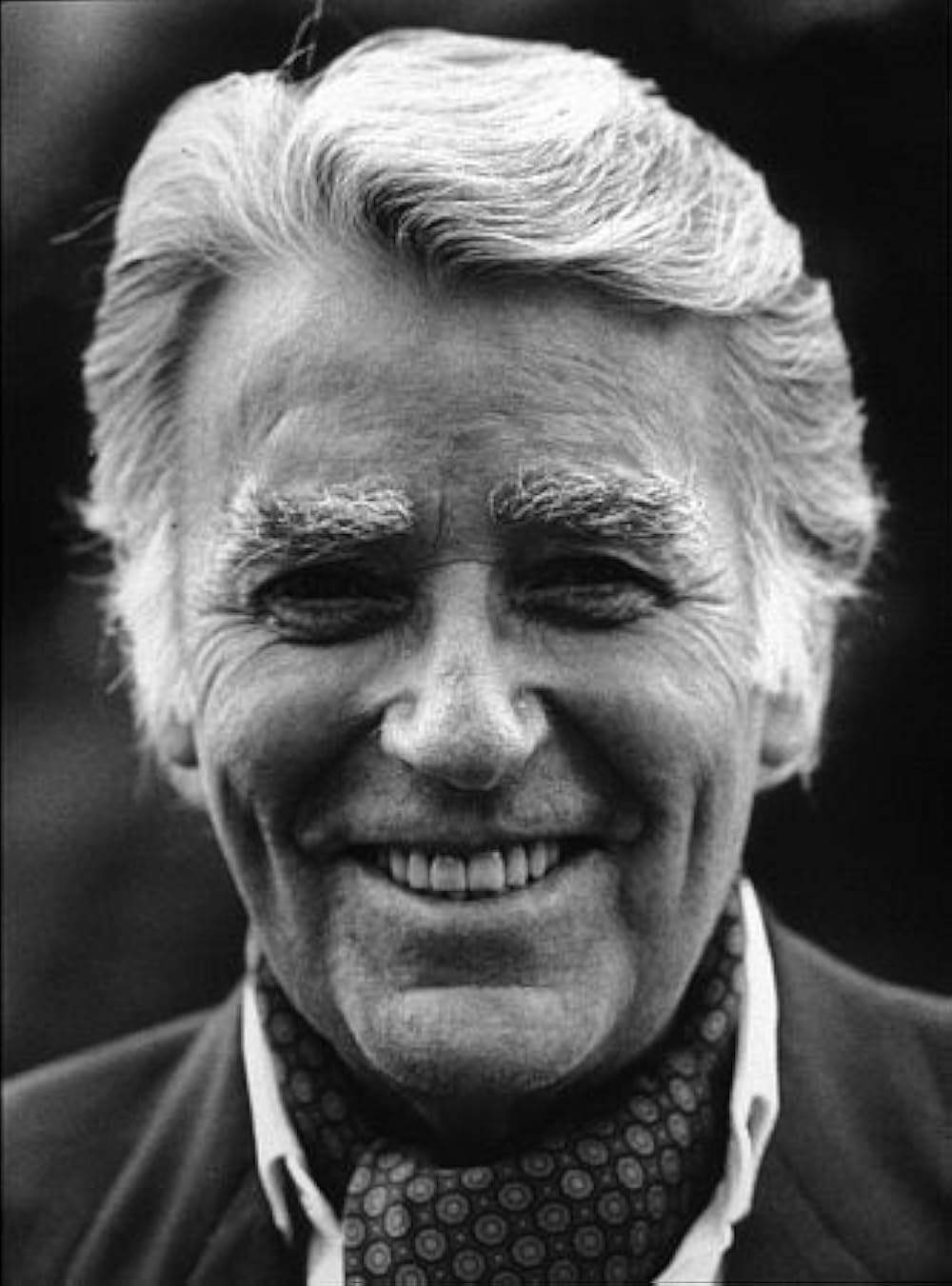
Tony (Peter Lawford)
Played by Peter Lawford
Tony is Margaret's lover who becomes entangled in the murder plot with Edith. He bargains for jewels and becomes a casualty of Edith's ruse when he is killed after a confrontation. His presence heightens the tension between desire, loyalty, and betrayal.
- 💬 Betrayal
- 💎 Wealth
- 🗝 Secrecy
Where and When Is Dead Ringer Set?
Dead Ringer is set in DeLorca Mansion, Cocktail lounge above the bar, City police station and… (Early 1960s). Here is why the time and place matter to the story.
When
Early 1960s
The present timeline sits in the early 1960s, built on a World War II–era romance between the sisters and Francesco DeLorca. The backstory of the sisters’ feud anchors the plot, while postwar glamour and social expectations shape their choices. The contrast between wartime loyalties and postwar ambition provides the mood and stakes of the narrative.
Where
DeLorca Mansion, Cocktail lounge above the bar, City police station, Courthouse
Most of the action unfolds inside the DeLorca mansion and the upstairs cocktail lounge above the bar, where the twins’ scheming and confrontations play out. The mansion embodies wealth and social status, with its rooms becoming stages for deception and confrontation. The story moves to the police station and courthouse as the investigation tightens around the impostor and the truth behind the murders begins to surface.
- 🏰 Opulent mansion
- 🕰 Postwar setting
- 🎭 Intrigue
What Are the Themes of Dead Ringer?
3 ideas the story keeps returning to, among them Identity, Murder & Deception and Justice & Investigation.
-
01
Identity
The two sisters share a face but pursue different lives, and Edith's impersonation of Margaret drives the drama. The plot explores how appearance and social performance can mask true intentions and loyalties. The masquerade frays as clues and emotions threaten to expose the ruse.
-
02
Murder & Deception
Edith's plan to murder Frank, and the subsequent efforts to maintain the disguise, show how deceit escalates into deadly consequences. The fake suicide and the possession of Margaret's identity become weapons in a dangerous game between sisters. The unraveling culminates in violent confrontation.
-
03
Justice & Investigation
Jim's investigation digs into the arsenic poisoning and the truth behind the impersonation. He challenges Edith's facade and ultimately confronts the reality of the case, despite initial disbelief. The courtroom and the execution scene frame the final judgement.
What Kind of Film Is Dead Ringer?
Tense in tone, with steady pacing and a moderate story, going by the plot summary.
- Tone
- Tense
- Pacing
- Steady
- Story
- Moderate
- Intensity
- High
- Ending
- Bleak
A steadily escalating and deeply suspenseful thriller about a woman consumed by revenge, creating a palpable atmosphere of paranoia and claustrophobia as her fragile deception unravels with lethal consequences.
- suspenseful
- paranoid
- claustrophobic
- melancholic
- ruthless
- deceptive
- revenge
- assumed identity
- murder
- twin sisters
Content notes: murder, suicide depiction, poisoning, death penalty.
Where to Watch Dead Ringer
Stream it on Plex and Tubi TV, or rent or buy it from Amazon Video and Apple TV Store. US availability and prices from JustWatch.
 Plex
Plex  Plex Channel
  Tubi TV




Streaming availability in the US, powered by