What Is Day of the Animals About?
The premise of Day of the Animals in 378 words, with nothing given away. The full story follows below.
In a near‑future where a thinning ozone layer bathes high‑altitude wilderness in relentless ultraviolet radiation, the natural order begins to unravel. Scientists warn that wildlife above roughly 5,000 feet grows increasingly aggressive, prompting governments to seal off the affected zones and enforce strict quarantines. The film opens on the stark, sun‑bleached ridgelines of Northern California, a landscape rendered both beautiful and hostile, its silence broken only by the unsettling calls of animals that no longer behave as they once did. The tone is chilly and methodical, a blend of environmental dread and looming survival horror that keeps the viewer’s pulse steady with anticipation.
Into this precarious world a diverse party of tourists is air‑dropped to begin a guided trek. Steve Buckner, a seasoned tour operator, leads the expedition with a pragmatic calm, while Santee, a Native American guide, adds quiet expertise and a deep respect for the land. Among the participants, the bickering couple Mandy Young and Frank Young bring nervous humor and underlying tension, whereas the elderly Mrs. Shirley Goodwyn travels with her quiet son John Goodwyn, seeking a rare adventure beyond their ordinary lives. The academically inclined Prof. Taylor MacGregor offers scientific insight that often clashes with the more pragmatic members, and the affable Paul Jenson serves as the group’s unofficial mediator. Supporting them are the pragmatic Bob Denning and his partner Beth Hughes, the resilient Terry Marsh, and the stoic Roy Moore, each adding a distinct thread to the group’s dynamic.
From the moment they set foot on the alders and granite, the hikers sense an invisible pressure pressing from the surrounding forest. The air is thick with the knowledge that the very creatures they once admired now move with a strange ferocity, and the ever‑present threat of the quarantine looms like a distant siren. Interpersonal frictions surface as the group grapples with differing attitudes toward risk, authority, and the unknown, making the human drama as compelling as the environmental crisis itself.
As the trek continues, the travelers must balance their own doubts and conflicts with an escalating sense that the wilderness itself is turning hostile. Their journey becomes a study in endurance—not only of body, but of will, curiosity, and the fragile trust that binds strangers together when faced with a world gone awry.
What Happens in Day of the Animals?
The complete story of Day of the Animals, from the first scene to the last, in 511 words (about 2 minutes). Spoilers throughout. Names in the text link to 12 cast member pages.
Spoilers ahead
The film examines a troubling environmental crisis: the depletion of the Earth’s ozone layer driven by aerosols has begun to flood high-altitude environments with intense UV radiation. Scientists warn that animals above about 5,000 feet become unusually aggressive, and a small-town sheriff narrowly escapes a deadly mauling by rats as authorities order the evacuation and quarantine of all settlements above that altitude.
Against this perilous backdrop, a group of tourists in Northern California sets out on a wilderness trek, led by tour operator Steve Buckner and Native American guide Santee. The party includes the bickering Mandy Young and Frank Young, Mrs. Shirley Goodwyn and her son John Goodwyn, Paul Jenson, the scholarly Prof. Taylor MacGregor, the team of Bob Denning and Beth Hughes, Terry Marsh, and Roy Moore.
With no outside contact, the hikers remain blissfully unaware of the strange animal activity burgeoning around them. A wolf attack at their camp unsettles the group, but they press on. Mandy and Frank eventually descend from the higher terrain, only to be struck again by danger as hawks dive in and Mandy is killed. Frank survives while wandering through the forest until he happens upon a little girl, abandoned when the government quarantined her town, and together they begin a tense trek toward safety.
Meanwhile, the balance of the party discovers that their helicopter-dropped food cache has been raided by animals, forcing them to camp again under the threat of further predation. The group’s dangers multiply when a night-time attack by mountain lions imperils them. The tense mood culminates when Jenson, now in charge, brutally pushes the others to keep moving in search of help, dragging along Mrs. Goodwyn, John, and Beth.
The conflict within Jenson reaches a brutal climax when he murders Bob amid rising fear and pressure. A confrontation with a bear ends in tragedy for Jenson as he is fatally mauled while attempting to assault Beth, leaving the remaining members to flee in the aftermath—Mrs. Goodwyn, John, and Beth taking refuge inside an abandoned helicopter as wild dogs close in. The rest of the hikers press on toward a lower-altitude town, only to find it deserted.
Another peril unfolds as a pack of wild dogs and venomous dangers threaten the group at the river’s edge. Roy and the professor are killed by a pack of German shepherds, and Buckner leads the survivors toward a safer path by rafting down a nearby stream. By dawn, Beth, Mrs. Goodwyn, and John awaken inside the downed helicopter while a rescue helicopter and army personnel in hazmat gear appear on the horizon. They encounter a living little girl who is brought to safety by the soldiers, marking a hopeful turning point as Buckner, Terry, and Santee reach a Ranger station after floating downriver.
In the end, most of the transformed wildlife have perished, victims of the very solar radiation that once drove them mad. The survivors are saved, and a sense of fragile calm returns as the film closes with one final, eerie image—a hawk lunging toward the screen just before the credits roll.
Day of the Animals Timeline: Every Key Event in Order
14 key events in the order they happen, from “Ozone depletion triggers high-altitude danger” to “Final rescue and closing image”. 14 events name a place, across 14 locations.
- 1
Ozone depletion triggers high-altitude danger
Scientists explain that ozone layer depletion increases UV radiation at elevations above 5,000 feet, amplifying wildlife stress and aggression. The phenomenon foreshadows the later outbreaks of hostile behavior among animals. In response, the government orders evacuation and quarantine for all settlements above that altitude.
When:Beginning Where:Global high-altitude regions
- 2
Hikers depart into the Northern California wilderness
A tour group sets off on a hike through the Northern California mountains under Buckner and Santee. The travelers include Mandy, Frank, Mrs. Goodwyn and her son John, Paul Jenson, Prof. MacGregor, Bob, Beth, Terry, and Roy. They have no means of communication with the outside world as they press on.
When:Start of hike Where:Northern California wilderness
- 3
Wolf attack on camp signals danger
A wolf attacks the group’s camp, shocking the hikers and confirming the anomaly’s reach. The campers recover and decide to continue the trek despite the threat. The encounter foreshadows the broader danger ahead.
When:Early Where:Mountain camp
- 4
Mandy and Frank are allowed to descend
After the initial scare, Mandy and Frank Young are permitted to descend the mountain with a portion of the group. They begin moving toward lower elevations as the rest press on. The separation reduces the group size but keeps the search for safety ongoing.
When:Shortly after Where:Down the mountain trail
- 5
Hawks attack; Mandy dies
Later, the hikers are beset by hawks, and Mandy is killed during the encounter. Frank survives the avian assault and continues moving toward safety with the group. The losses heighten the tension among the survivors.
When:Soon after Where:Ridgeline / high altitude
- 6
Frank rescues a girl in a quarantined town
Frank, traveling with the little girl he finds in the devastated region, comes upon an empty town abandoned during quarantine measures. He and the child press on together in search of help, navigating isolation and danger. They form a fragile bond born of mutual need.
When:Continuing journey Where:Deserted town in the mountains
- 7
Food cache raided; group plans to descend
The group's helicopter-dropped food cache has been raided by animals, draining their supplies. Facing dwindling resources, the hikers decide to abandon the mountain trek in favor of a lower-altitude route in search of help. The decision underscores the severity of the crisis.
When:Afternoon Where:Food cache site
- 8
Night mountain lion attack tests the group
At night, mountain lions strike near the campsite, creating chaos and fear. The group fights to defend themselves as danger intensifies. The event marks another brutal manifestation of the altitude-driven madness.
When:Night Where:Campsite on the mountain
- 9
Jenson's violence culminates in murder and a bear attack
Jenson’s grip on the group deteriorates as he becomes abusive and violent, culminating in the murder of Bob. His attempted assault on Beth draws a lethal response from a charging bear that fatally mauls him. The survivors are left to flee and cope with the fallout.
When:Night Where:Camp vicinity
- 10
Frank and the girl reach the road; car fails; Frank is killed
Frank and the little girl reach the road and find an empty town and a broken car with a dead driver. He sacrifices himself in a futile bid to protect the girl, and dogs and venomous snakes later kill him in view of the child. The girl is left alone again in a dangerous world.
When:Day Where:Road outside mountain town
Show the other 4 events of Day of the Animals Hide the last 4 events
- 11
Goodwyns and Beth shelter in a wrecked helicopter; dogs attack
John, Mrs. Goodwyn, and Beth seek shelter inside an abandoned helicopter when wild dogs swarm the area. They fight off the attack and survive the onslaught, hoping for rescue. The helicopter becomes their temporary fortress against the external predators.
When:Night Where:Abandoned helicopter
- 12
Town below 5,000 feet becomes a battleground; Roy and MacGregor die
The remaining group reaches a town below the critical 5,000-foot line, only to find it deserted. A pack of German shepherds overruns the town and kills Roy and the professor. Buckner continues to shepherd the survivors toward a safer downstream route.
When:Morning Where:Town below 5,000 feet
- 13
Rescue helicopter arrives; little girl saved; mad animals die
An army rescue helicopter finally arrives to secure the towns and recover the little girl, who has survived the ordeal. By this point the mad animals have died from the solar radiation that caused the madness. Buckner, Terry, and Santee are brought to safety as they float toward a ranger station.
When:Morning/Day Where:Rescue zone / river near ranger station
- 14
Final rescue and closing image
After the survivors are rescued, Buckner, Terry, and Santee are saved and escorted to a Ranger station for safety. The film ends with a hawk lunging toward the screen as the credits begin, signaling ongoing danger in the world.
When:Credits Where:Ranger station vicinity
Who Are the Main Characters in Day of the Animals?
16 characters, among them Paul Jenson (Leslie Nielsen), Steve Buckner (Christopher George) and Mandy Young (Susan Backlinie): who each one is and the part they play in the story. 15 of them link to the actor’s page.
-

Paul Jenson (Leslie Nielsen)
Played by Leslie Nielsen
Arrogant and selfish leader of the hiking group who pushes others to extreme ends in the search for help. His confidence falters as stress reveals his darker, controlling side, culminating in violence. The character embodies the film's critique of moral collapse under crisis.
- 😡 Aggressive
- 🧭 Leadership under pressure
- 💥 Moral collapse
-
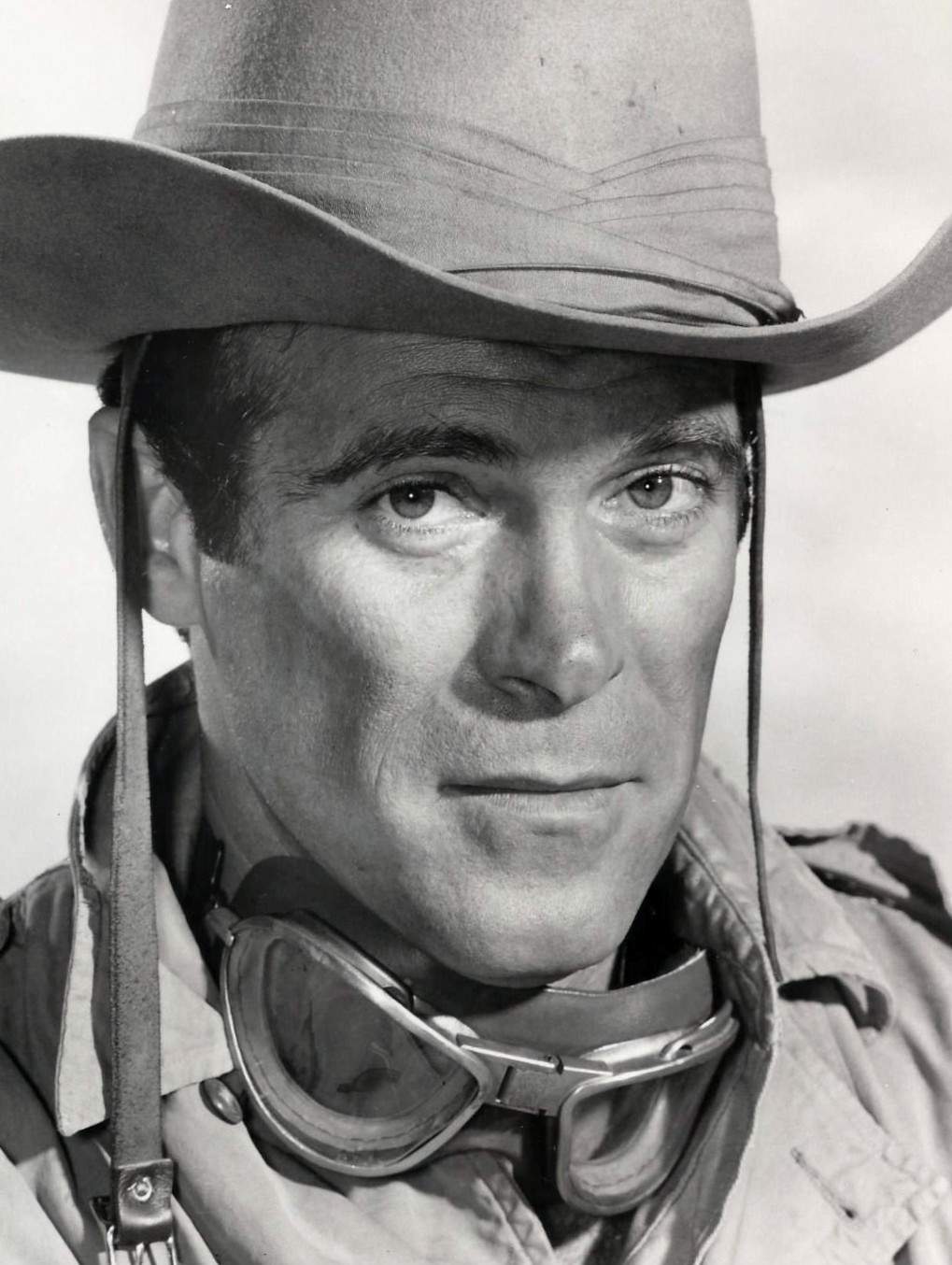
Steve Buckner (Christopher George)
Played by Christopher George
Tour operator and guide who keeps the group focused on survival. Resourceful and protective, he tries to maintain order and safety amid escalating danger. His stewardship is tested by the group's deteriorating dynamics and the environment.
- 🧭 Leader
- 🛡️ Protector
- 🧰 Problem solver
- MY
Mandy Young (Susan Backlinie)
Played by Susan Backlinie
One of the hikers who becomes a victim of the animal attacks. Her arc contrasts vulnerability with moments of resilience, highlighting the peril faced by those with less power in a collapsing group.
- 😢 Vulnerable
- 💔 Tragic
- 🌟 Survivor in memory
- MS
Mrs. Shirley Goodwyn (Ruth Roman)
Played by Ruth Roman
A elder matriarch within the group whose experience and steadiness provide a thread of humanity amid chaos. She navigates peril and protects her son as danger mounts.
- 👵 Experience
- 🛡️ Protector
- 🧭 Steadiness
- JG
John Goodwyn (Bobby Porter)
Played by Bobby Porter
The Young Goodwyn son whose instincts for safety and family loyalty are tested as the group faces relentless threats. His presence underscores the stakes of the crisis for ordinary people.
- 🧒 Youth
- 🛡️ Loyalty
- 🧭 Survival instinct
-

Bob Denning (Andrew Stevens)
Played by Andrew Stevens
A member of the hiking group who joins the exodus toward lower elevations. His actions reflect the strain of leadership and the moral decisions people face when escaping danger.
- 🧭 Risk-taking
- 🗣️ Influence
- 🧪 Pragmatism
- BH
Beth Hughes (Kathleen Bracken)
Played by Kathleen Bracken
A member of the couple with Bob Denning; she works with the group to endure the harsh conditions and confronts personal danger with courage.
- 💪 Survivor
- 🧭 Alliance
- 🛡️ Courage
- TM
Terry Marsh (Lynda Day George)
Played by Lynda Day George
A female hiker who contributes to group dynamics and coping strategies as the crisis intensifies. Her perspective adds emotional depth to the survival narrative.
- 👥 Team member
- 🧭 Grounded
- 💬 Communicator
- FY
Frank Young (Jon Cedar)
Played by Jon Cedar
A member of the hiking party who navigates the dangers of the forest and later encounters the desolate aftermath of quarantine and evacuation.
- 🧭 Navigator
- 🧱 Resilience
- 🗡️ Tension
- DS
Daniel Santee (Michael Ansara)
Played by Michael Ansara
A Native American guide accompanying the group, offering wilderness knowledge and a grounded perspective on survival amid unusual ecological events.
- 🗺️ Guide
- 🛡️ Wisdom
- 🌿 Connection to nature
- RT
Ranger Tucker (Walter Barnes)
Played by Walter Barnes
A park ranger who embodies authority and experience in the mountains, aiding the group in the effort to reach safety and understand the escalating threat.
- 🏞️ Ranger
- 👮 Authority
- 🧭 Experience
-

Prof. Taylor MacGregor (Richard Jaeckel)
Played by Richard Jaeckel
A scientist who interprets the anomalies and seeks to explain the phenomena, providing intellectual context amid panic and decision-making.
- 🔬 Scientist
- 🧠 Thinker
- 🗣️ Rational voice
- RM
Roy Moore (Paul Mantee)
Played by Paul Mantee
A hiker who is part of the early group’s dynamics and faces the escalating dangers, illustrating the constant threat to life in the wilderness.
- 🧭 Participant
- ⚖️ Moral test
- 🐾 Risk-taker
- LG
Little Girl (Michelle Stacy)
Played by Michelle Stacy
A young survivor found after the evacuation, representing innocence amid disaster and the human instinct to protect the vulnerable.
- 🧒 Innocence
- 🛟 Hope
- 🌟 Survivor
- S(
Sam (uncredited)
A minor character present in the town environment, contributing to the texture of the evacuation setting.
- 🚶 Background
- HP
Helicopter Pilot (Jan Andrew Scott)
Played by Jan Andrew Scott
A pilot associated with the rescue and evacuation efforts, illustrating the limited but crucial infrastructure remaining during the crisis.
- 🚁 Rescue
- 🛟 Transportation
- 🧭 Coordination
Where and When Is Day of the Animals Set?
Day of the Animals is set in Northern California and High-altitude wilderness (1970s). Here is why the time and place matter to the story.
When
1970s
The events are presented in a contemporary 1970s setting, echoing environmental worries of the era. Ozone depletion and unexplained animal aggression reflect the period's scientific and political anxieties, influencing public policy and emergency responses. The technology and atmosphere—helicopters, hazmat gear, and government evacuations—ground the story in late-20th-century capabilities and concerns.
Where
Northern California, High-altitude wilderness
The story unfolds in the remote, high-altitude wilderness of Northern California, moving from forested trails to exposed ridges above 5,000 feet. The terrain features rugged mountains, empty valleys, and distant towns evacuated by government order. This isolation amplifies the danger as aggressive wildlife encroaches on human presence and the group struggles to stay alive.
- 🌄 Northern California mountains
- 🐾 Wildlife danger
- 🚫 Quarantine zone
What Are the Themes of Day of the Animals?
4 ideas the story keeps returning to, among them Environment, Survival and Human Nature.
-
01
Environment
The premise ties ecological crisis directly to human danger, showing how environmental stressors ripple through ecosystems and communities. The film uses the ozone-depletion premise to explore how fragile the balance between nature and civilization can be. Animals turning aggressive becomes a metaphor for how quickly neglect of planetary boundaries can spiral into chaos.
-
02
Survival
Characters are stripped of contact with the outside world and must navigate perilous terrain with limited resources. Leadership fractures and fear push individuals toward desperate, sometimes violent choices. The narrative centers on decision-making under duress, perseverance, and the constant threat from both animals and the environment.
-
03
Human Nature
Crisis exposes flaws: arrogance, selfishness, and a thirst for control surface under pressure. One character's slide into aggression demonstrates how quickly ethics erode when survival is at stake. The story contrasts cooperation with destructive self-interest.
-
04
Science
Scientific observations of UV exposure and anomalous animal behavior ground the plot, while authorities struggle with containment and evacuation. The tension between cautious interpretation and decisive action explores how knowledge and fear shape policy. Science is both explanation and obstacle, driving the suspense and ethical questions.
What Kind of Film Is Day of the Animals?
Tense in tone, with steady pacing and a straightforward story, going by the plot summary.
- Tone
- Tense
- Pacing
- Steady
- Story
- Straightforward
- Intensity
- High
- Ending
- Bittersweet
A relentlessly tense and brutal survival horror film that traps a group of hikers in a wilderness turned hostile by environmental collapse, forcing them to confront both rampaging animals and their own disintegrating humanity.
- tense
- paranoid
- desperate
- claustrophobic
- oppressive
- brutal
- eco-horror
- survival horror
- environmental disaster
- rampaging animals
Content notes: animal attacks, graphic death, attempted sexual assault, mauling.
Quiz
How well do you remember Day of the Animals? Test yourself on the story.
Where to Watch Day of the Animals
Stream it on Amazon MX Player and Amazon Prime Video, or rent or buy it from Amazon Video and Apple TV Store. US availability and prices from JustWatch.
Stream 19
-
Amazon MX Player With ads
-
Amazon Prime Video
-
Amazon Prime Video Free with Ads With ads
-
Amazon Prime Video with Ads
-
Artiflix
-
Cultpix
-
Eternal Family
-
Fawesome Free
-
JustWatch TV Free
-
Midnight Pulp Amazon Channel
-
Mometu With ads
-
Philo
-
Plex With ads
-
Plex Channel With ads
-
Pluto TV With ads
-
Screambox Amazon Channel
-
The Roku Channel With ads
-
Tubi TV With ads
-
YouTube Free With ads




Streaming availability in the US, powered by