What Is Daivanamathil About?
The premise of Daivanamathil in 271 words, with nothing given away. The full story follows below.
In the volatile aftermath of a historic demolition that reverberates across the nation, everyday life is tinged with uncertainty and quiet tension. The film places its story against a backdrop of communal unease, where university corridors, market streets, and family homes all feel the lingering echo of a society grappling with its own fractures. The atmosphere is one of solemn introspection, inviting viewers to feel the weight of a nation at a crossroads.
Anwar arrives on screen as a bright, idealistic scholar at Aligarh Muslim University, fresh from his marriage and still carrying the tenderness of youthful love. His world, once filled with academic pursuits and simple domestic hopes, begins to shift as the larger unrest seeps into his consciousness. The narrative charts his internal oscillation between the gentle person he has been and the magnetic pull of a more radical worldview that is gaining prominence around him.
Sameera, an educated and perceptive woman, stands beside him as both partner and moral compass. She embodies a quiet strength, striving to keep the warmth of their shared past alive while confronting the growing shadows that threaten to eclipse it. Their relationship becomes a delicate dance of affection, concern, and the longing to preserve humanity amid an environment that increasingly encourages division.
Through measured pacing and evocative realism, the film explores how long silence can endure in the face of collective suffering and what might await a man when the doors of confinement finally open. Its tone is contemplative and resonant, drawing the audience into a profound meditation on love, identity, and the fragile hope of redemption without stepping beyond the initial premise.
What Happens in Daivanamathil?
The complete story of Daivanamathil, from the first scene to the last, in 365 words (about 2 minutes). Spoilers throughout. Names in the text link to 2 cast member pages.
Spoilers ahead
The story follows Anwar, who, soon after his marriage, continues his studies at Aligarh Muslim University. During this period, the Babri Masjid demolition sparks a radical shift in his beliefs, and he slides into fundamentalism. His wife, an educated Muslim woman Sameera, tries to steer him away from extremism and restore his previous gentleness, but the pull toward a harsher path proves hard to resist.
Instead of finding reform through dialogue, Anwar opts for a route that lands him in prison, where a new chapter begins and the possibility of a fresh start emerges. The narrative threads through the broader aftermath of both the Babri Masjid demolition and the Gujarat riots, setting a tense backdrop for the personal transformation at the center of the film.
On a train, Anwar encounters a group of kar sevaks who are headed toward the Babri Masjid demolition. The meeting unsettles him deeply, and he is no longer the loving husband or the engaged PG student he once was. He writes a letter to [Sameera], outlining his intentions and his decision to join Jihad as a means of revenge, signaling a dramatic turn from romance to radicalism.
As Anwar descends into extremism, he becomes a full-time extremist and even plants a bomb in a hotel during Ramzan, a act that wounds his grandfather, a man who has always stood against extremism. The elder warns him of the consequences his deeds will unleash upon the community, but his pleas fall on deaf ears. The conflict intensifies as he persists in his path, convinced that civilian deaths are an unfortunate but unavoidable part of his proclaimed Jihad.
Ultimately, Anwar lands in jail. [Sameera] longs for the return of the man she loves—the old Anwar, the romantic and compassionate student. Through the long imprisonment, he slowly reconnects with his former kindhearted self, while she waits with quiet resolve for his release. When the day finally comes, she boards a bus bound for the prison, only to be caught in a bombing that kills everyone aboard, including her. The film closes on a stoic note as the reformed and released Anwar waits at the prison gate, hopeful for a reunion that will never come.
Daivanamathil Timeline: Every Key Event in Order
12 key events in the order they happen, from “Marriage and studies at AMU” to “The bombing and tragic reunion that never happens”. 12 events name a place, across 11 locations.
- 1
Marriage and studies at AMU
Anwar marries soon after beginning his studies and continues his work at Aligarh Muslim University. He is depicted as a loving husband and a diligent student trying to balance romance with his academic ambitions.
When:Early in the story Where:Aligarh, India
- 2
Babri Masjid demolition triggers radicalization
The Babri Masjid demolition triggers a radical shift in Anwar's beliefs. He begins to drift toward a harsher, more fundamentalist worldview, moving away from his previous gentleness.
When:Around the demolition period Where:India
- 3
Sameera tries to steer him away
Sameera, educated and steadfast, tries to steer him away from extremism and restore the gentleness he once showed. She hopes to anchor him to their shared values and a peaceful future.
When:Following the shift Where:Home
- 4
Train encounter with kar sevaks
On a train toward the Babri demolition site, Anwar meets a group of kar sevaks that unsettles him deeply. The encounter marks a turning point, pulling him away from his former self.
When:During the Babri period Where:Train to Ayodhya
- 5
Letter declaring Jihad
Anwar writes a letter to Sameera outlining his decision to join Jihad as a means of revenge. The letter documents a formal break from romance and a commitment to violence.
When:After the train encounter Where:Anwar's room
- 6
Descent into extremism
Anwar becomes a full-time extremist, embracing violence as a supposed duty. He rationalizes civilian deaths as unfortunate but unavoidable consequences of his proclaimed Jihad.
When:Post-letter Where:Various
- 7
Bombing in a hotel during Ramzan
During Ramzan, he plants a bomb in a hotel, an act that wounds his grandfather, who has long stood against extremism. The grandfather warns him of the catastrophic consequences for the community, but Anwar remains unmoved.
When:Ramzan period Where:Hotel
- 8
Grandfather's warning and fallout
The grandfather confronts him, warning about the consequences for the community and for those he loves. Anwar remains unmoved as the conflict hardens.
When:After the bombing Where:Family home
- 9
Imprisonment begins
Anwar ends up in jail, marking the end of his violent trajectory and the start of a potential reform. The film uses his imprisonment to explore the possibility of redemption amid a climate of riots.
When:After escalation Where:Prison
- 10
Sameera's long wait
Sameera longs for the return of the old Anwar and waits patiently for his release. Her quiet endurance embodies the personal cost of his transformation.
When:During imprisonment Where:Outside prison
- 11
Slow reformation in prison
Through the long imprisonment, Anwar slowly reconnects with his former kindness and contemplates a life beyond extremism. The narrative frames a possible new beginning as he confronts the consequences of his past choices.
When:Latter part of sentence Where:Prison
- 12
The bombing and tragic reunion that never happens
On the day of his release, Sameera boards a bus bound for the prison to visit him, but the bus is struck by a bombing that kills everyone aboard, including her. The film closes with Anwar waiting at the prison gate, hopeful for a reunion that will never come.
When:Day of release/visit Where:Bus bound for prison
Who Are the Main Characters in Daivanamathil?
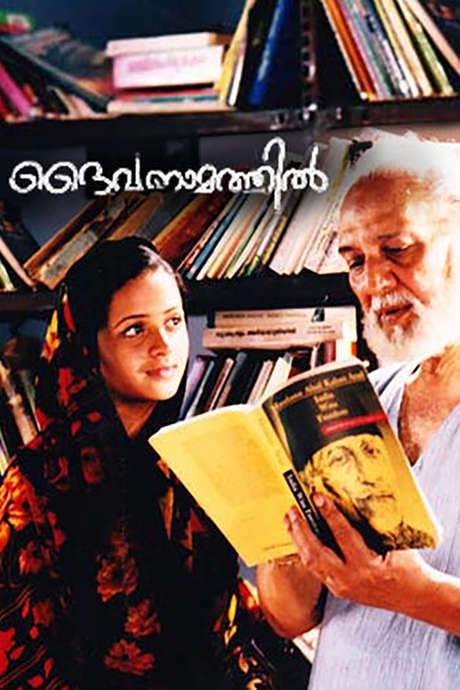
2 characters, among them Anwar (Prithviraj Sukumaran) and Sameera (Bhavana): who each one is and the part they play in the story. Every profile links to the actor’s page.
-

Anwar (Prithviraj Sukumaran)
Played by Prithviraj Sukumaran
A studious young man at AMU who is swept toward extremism after a nationalist spark. His tenderness and intellect give way to radical certainty, and he becomes willing to violence in the name of a perceived Jihad. His arc moves from romance to revenge to a fragile, slow redemption behind bars.
- 🎯 Transformation
- 🕊️ Conflict
- 🔥 Violence
- S(
Sameera (Bhavana)
Played by Bhavana
An educated Muslim wife who attempts to steer her husband away from hardline beliefs. She embodies patience and devotion, longing for the old, gentle Anwar while facing the risk of loss as violence encroaches on their life. Her endurance and faith are tested across years of separation and fear.
- ❤️ Love
- 🧭 Loyalty
- 🕊️ Hope
Where and When Is Daivanamathil Set?
Daivanamathil is set in Aligarh, Uttar Pradesh, India, Ayodhya, Uttar Pradesh, India, Gujarat, India (1992–2002). Here is why the time and place matter to the story.
When
1992–2002
The film unfolds against the early 1990s to early 2000s Indian political landscape. The 1992 Babri Masjid demolition exposes sectarian fault lines, shifting public sentiment and personal loyalties. The 2002 Gujarat riots deepen communal tensions and affect the fate of many characters. These events form the historical frame for Anwar's transformation and his subsequent imprisonment.
Where
Aligarh, Uttar Pradesh, India, Ayodhya, Uttar Pradesh, India, Gujarat, India
Aligarh hosts the prestigious Aligarh Muslim University, serving as the early setting for Anwar's studies. The backdrop emphasizes a center of learning that becomes a stage for ideological conflict. Ayodhya, with the Babri Masjid site, marks a flashpoint that catalyzes Anwar's radicalization. Gujarat's communal riots form a volatile national climate that intensifies the personal crisis.
- 🎓 University town
- 🕌 Cultural hub
- 🏛️ Historic site
What Are the Themes of Daivanamathil?
3 ideas the story keeps returning to, among them Radicalization, Loss and Imprisonment.
-
01
Radicalization
The narrative charts Anwar's journey from a gentle student to a zealously minded extremist following political upheaval. Propaganda, peer influence, and identity politics steer him toward a violent path he once dismissed. The film exposes how individual choices are shaped by a charged social atmosphere and selective information. It questions whether reform through dialogue could have prevented the descent into violence.
-
02
Loss
Loving relationships strain under the pressure of radicalization. Sameera tries to anchor Anwar to his former self, showing resilience in the face of growing distance and danger. The couple's hopes are repeatedly dashed by escalating violence and tragedy. The final separation—both physical and emotional—leaves a stark, unresolved sorrow.
-
03
Imprisonment
Anwar's radical acts land him in prison, where distance from his past self becomes a crucible for potential redemption. The film uses the jail setting to explore introspection, remorse, and slow reform. Sameera's quiet endurance contrasts with the harsh conditions of confinement. The incarceration frames the hopeful, but bittersweet, possibility of reconciliation that never arrives.
What Kind of Film Is Daivanamathil?
Dark in tone, with steady pacing and a moderate story, going by the plot summary.
- Tone
- Dark
- Pacing
- Steady
- Story
- Moderate
- Intensity
- High
- Ending
- Bleak
This is a heavy and tense drama that chronicles a man's descent into religious extremism and its devastating consequences, building a somber and ultimately tragic atmosphere of lost love and shattered hope.
- tense
- somber
- tragic
- hopeless
- gripping
- reflective
- religious extremism
- political turmoil
- personal transformation
- marital strain
Content notes: terrorism, bombing, religious violence, imprisonment.
Quiz
How well do you remember Daivanamathil? Test yourself on the story.
Where to Watch Daivanamathil
. US availability and prices from JustWatch.
Streaming availability in the US, powered by