
Cry for the Strangers 1982

Directed by
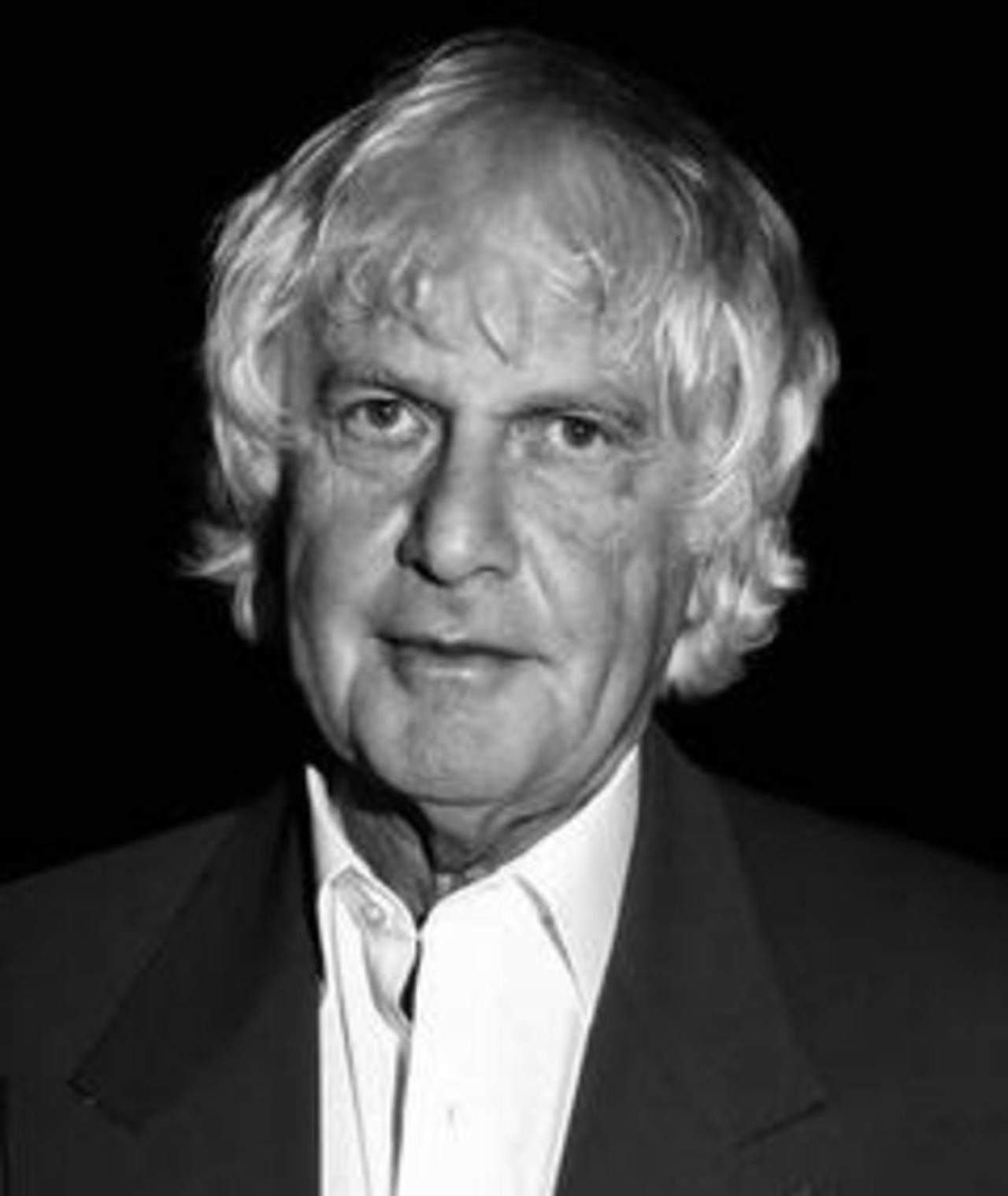
Peter Medak
Made by

David Gerber Productions
Cry for the Strangers Plot Summary
Read the complete plot summary and ending explained for Cry for the Strangers (1982). From turning points to emotional moments, uncover what really happened and why it matters.
In 1937, a young boy wakes in the middle of the night and glimpses the eerie figures of Native Americans dancing on the beach, only to uncover his grandparents’ bodies buried up to their heads in the sand. That night marks a turning point that shapes his future, and he eventually rises to lead the town as its police chief, widely known as Chief Whalen.
Flash forward to 1982. Dr. Brad Russell, a Seattle psychiatrist, and his wife Elaine Russell relocate to a quiet fishing town along the Pacific coast. There, they encounter a local legend: storms are said to summon apparitions of Native Americans dancing on the shore. The town’s atmosphere thickens with unease as a local fisherman, Riley, insists these visions are the ghosts of the “storm dancers,” a feared tribal faction that once performed brutal executions by burying victims up to their necks in sand, so the incoming tide would drown them. Riley believes the strange sightings are tied to a string of unexplained deaths plaguing the community. The aging, skeptical Chief Whalen dismisses the tale with a wary grin, proclaiming that legends don’t kill people—people do.
Meanwhile, Robby Palmer, a once hyperactive boy who Dr. Russell treated years before, now seems normal and lives with his family in the same town. One stormy night, Robby slips into a trance on the beach. Nearby, his mother Rebecca Palmer has fallen into a pit and is crying out for help, a cry that Robby does not seem able to answer. She is rescued only when her husband, Glen Palmer, arrives on the scene. Later, when questioned about the incident, Robby insists he cannot recall what happened. The following night, Robby sneaks out again to the beach, and his sister Missy Palmer trails after him.
As the investigation unfolds, Dr. Russell and his colleagues stumble upon Riley’s corpse, and the town is shaken by another shocking twist: Chief Whalen, painted in fierce war colors, appears determined to strike at Missy. He is ultimately shot dead by his own deputy, a moment that forces the town to confront the possibility that the storms have awakened something long buried in the past. Dr. Russell weighs a troubling theory: the storms may have triggered Whalen’s own traumatic childhood memories, driving him to reenact those dark scenes by killing others. Elaine wonders aloud who might have been responsible for Whalen’s grandparents’ deaths in the first place, setting the stage for a haunting, storm-lashed mystery. The ending scene lingers on Robby looking out at the shore as the apparitions dance once more in the rising tempest, leaving the truth unresolved and the town forever gripped by the legend of the storm dancers.
Cry for the Strangers Timeline
Follow the complete movie timeline of Cry for the Strangers (1982) with every major event in chronological order. Great for understanding complex plots and story progression.
1937: Apparitions on the beach and grandparents' discovery
In 1937, a young boy wakes in the night and sees apparitions of Native Americans dancing on the beach. He then discovers his grandparents buried up to their heads in the sand, a grisly sight that will haunt the town for decades. The chilling event foreshadows a legacy of memory and violence tied to the sea and storms.
A future police chief rises from the boy
Years later, the same boy grows into Chief Whalen, the head of the town police. He governs with a wary eye toward legends, but the past colors his judgments. His ascent connects the 1937 trauma to present-day authority.
Dr. Russell and Elaine move to the coastal town
In 1982, Dr. Brad Russell and his wife Elaine relocate to a fishing town on the Pacific coast. They soon learn of a local belief that thunderstorms bring apparitions to the beach. The couple becomes entangled in the town's eerie history.
Storm legends and dancing apparitions
Locals claim that during storms, apparitions of Native Americans dance on the beach. A fisherman named Riley believes these visions are ghosts of the storm dancers, a coastal tribe tied to deaths in the community. The legends set the stage for investigators to connect weather with murder.
Riley's belief and the storm-dancers' legend
Riley explains that the storm dancers carried out executions by burying victims up to their necks in sand so the tide would drown them. He ties these legends to the recent mysterious deaths plaguing the town. The belief intensifies the tension between superstition and police work.
Robby Palmer returns to a normal life
Robby Palmer, a previously hyperactive child whom Dr. Russell treated years before, is now a normal boy living with his family in the town. His presence links the psychiatrist's past to the present case. The town's legends appear to touch him as well.
Robby's trance during a thunderstorm and Rebecca's fall
One night during a thunderstorm, Robby goes into a trance on the beach. His mother Rebecca falls into a pit and screams for Robby to help, but he does not move. She is eventually rescued by her husband.
Robby can't recall the incident
Later, when questioned about the incident, Robby claims he cannot recall what happened. The memory gap deepens the mystery and fuels speculation among the grownups. The boy's unexplained trance becomes a central puzzle.
Next night: Robby and Missy on the beach; Riley's corpse and Whalen's attack
On the next night, Robby sneaks out to the beach with his sister Missy. Dr. Russell and others discover Riley's corpse nearby and observe Chief Whalen in fake war paint attempting to kill Missy. The scene makes the investigators question the true cause of the deaths.
Whalen is shot dead by his own deputy
Whalen is shot dead by his own deputy, ending his violent storm-driven rampage. The deputy's action reveals a tipping point between trauma and homicide. The town continues to grapple with the mystery of how memories can drive real harm.
Russell links the storms to Whalen's trauma
Dr. Russell theorizes that the storms brought on by the town's legends trigger Whalen's traumatic childhood memories, causing him to reenact the deaths of others. The explanation blends psychology with folklore to account for the killings. The theory places the storm as a catalyst rather than a plain killer.
Elaine questions the killer of Whalen's grandparents
Elaine wonders aloud who killed Whalen's grandparents years earlier and how that mystery ties to the current deaths. The question hints at a longer, unresolved backstory behind the town's haunting. Her curiosity keeps the investigation alive.
Final shot: Robby watches the storm-dances
The film dissolves to a night shot of Robby watching the apparitions dance as another storm approaches. The visions persist, suggesting the haunting is far from over. The closing image implies that memory and myth will continue to influence the town.
Cry for the Strangers Characters
Explore all characters from Cry for the Strangers (1982). Get detailed profiles with their roles, arcs, and key relationships explained.
Riley (Jeff Corey)
A seasoned fisherman who anchors the town’s belief in the storm dancers. He treats the beach apparitions as real spirits connected to a former tribal ritual that ends in death. As a link between folklore and current danger, he pushes the community to confront what they fear.
Chief Whalen ( Brian Keith )
The head of the town police, he scoffs at legends and wants rational explanations. His refusal to treat folklore as a killer hides a deep, trauma-tinged past revealed by the storms, which pushes him toward drastic actions in a crisis.
Glen Palmer (Lawrence Pressman)
Rebecca’s husband and Robby and Missy’s father; a practical, protective figure whose family history intersects with the coastal tragedy. His presence grounds the human stakes of the mystery in a small-town family.
Robby Palmer (Shawn Carson)
The Palmer children’s son who was once hyperactive and treated by Dr. Russell; now seemingly normal, he experiences trance-like episodes during storms and remains central to understanding the apparitions.
Elaine Russell (Cindy Pickett)
Dr. Russell’s wife; she approaches the events with a rational outlook and questions the supernatural explanations while supporting her husband’s investigation.
Dr. Brad Russell (Patrick Duffy)
A Seattle psychiatrist who moves with his wife to the coastal town to study the storms and their connection to the apparitions and deaths. He seeks psychological explanations for the frightening events.
Rebecca Palmer (Claire Malis)
Robby and Missy’s mother who endures the night terror on the beach and is a focal point of the family’s fear. Her vulnerability during the storm encounter drives the plot’s urgency.
Missy Palmer (Robin Ignico)
Robby’s sister, present in the tense late-night beach events. As a child, she embodies the innocent victims caught in the conflict between legends and violence.
Cry for the Strangers Settings
Learn where and when Cry for the Strangers (1982) takes place. Explore the film’s settings, era, and how they shape the narrative.
Time period
1937, 1982
In 1937 a boy witnesses apparitions on a stormy beach and discovers his grandparents buried in sand. In 1982 a Seattle psychiatrist and his wife relocate to the coastal town to confront a pattern of mysterious deaths tied to violent weather. The narrative juxtaposes these two eras to explore memory, trauma, and superstition.
Location
Seattle, Pacific coast fishing town
The story moves between Seattle and a rugged Pacific coast fishing town known for harsh weather and a tight-knit community. The shoreline and docks frame much of the tension, with legends surfacing during storms. The two eras—1937 beach tragedy and 1982 investigations—anchor the setting in these waterfront places.
Cry for the Strangers Themes
Discover the main themes in Cry for the Strangers (1982). Analyze the deeper meanings, emotional layers, and social commentary behind the film.
🌀
Trauma & Memory
The story centers on how childhood trauma and hereditary fear resurface with storms and ghostly visions. Apparitions act as triggers that awaken repressed memories in adults, guiding dangerous decisions. Across characters, memory shapes their actions and blurs the line between superstition and threat. The past refuses to stay buried, driving the present toward violence.
🌧️
Legends vs Reality
Residents split between belief in the storm dancers and rational explanations. Riley embraces folklore as a guide to understanding deaths, while Chief Whalen champions a skeptical, evidence-based view. The storms become a testing ground where myth clashes with physics and motive. The tension reveals how folklore can influence behavior even when it cannot explain outcomes.
⚖️
Moral Ambiguity
Characters face difficult choices as violence intertwines with family loyalty and survival. The line between protector and danger blurs when past traumas drive present actions. Chief Whalen's skepticism, Riley's legends, and Robby's trance episodes force a reevaluation of responsibility. The film leaves questions about who bears blame when fear and memory converge.

Coming soon on iOS and Android
The Plot Explained Mobile App
From blockbusters to hidden gems — dive into movie stories anytime, anywhere. Save your favorites, discover plots faster, and never miss a twist again.
Sign up to be the first to know when we launch. Your email stays private — always.
Explore the mobile appCry for the Strangers Spoiler-Free Summary
Discover the spoiler-free summary of Cry for the Strangers (1982). Get a concise overview without any spoilers.
In the wind‑blown enclave of Clark’s Harbor, the rhythm of the Pacific dictates life. When the clouds gather, the sea swells, and the town seems to hold its breath, caught between the soothing hush of a summer calm and the raw, unsettling power of a coming storm. Locals speak in low tones about an old legend that the tempest awakens ghostly dancers on the sand—shadows of a forgotten Native tribe whose steps are said to echo through the tide.
Brad Russell arrives with his wife, Elaine Russell, seeking the peace of a quiet fishing community after years of city practice. As a psychiatrist, Brad is drawn to the undercurrents of fear that ripple beneath the town’s surface, while Elaine hopes the ocean’s lull will soothe her own restless spirit. Their new home, perched on the edge of the water, becomes a focal point for whispered stories and uneasy glances, as the couple tries to settle into a place that feels both welcoming and distant.
The town’s heartbeat is measured by its weather‑worn residents. Chief Whalen, the aging police chief, carries the weight of generations and a skeptical smile that masks deeper anxieties. Riley, a weathered fisherman, is the one who repeats the old tale of the “storm dancers,” insisting that the legends are more than myth. Robby Palmer, a former patient of Brad’s who now lives among the townsfolk, offers a subtle bridge between the outsider’s perspective and the community’s hidden past. Together, these individuals navigate a landscape where every gust of wind seems to carry a secret, and each lightning flash hints at stories buried in the sand.
The atmosphere of Cry for the Strangers is one of brooding suspense, where the sound of waves crashing against the shore blends with the murmurs of ancient folklore. The film invites viewers to feel the tension of a place caught between the natural world’s awe‑inspiring beauty and the lingering, unspoken dread that storms may unearthed something far older than any resident can fully understand.
Movies with Similar Twists and Themes
Uncover films that echo the narrative beats, emotional arcs, or dramatic twists of the one you're exploring. These recommendations are handpicked based on story depth, thematic resonance, and spoiler-worthy moments — perfect for fans who crave more of the same intrigue.



Featured on this page

What's After the Movie?
Not sure whether to stay after the credits? Find out!
Check out our other apps:

SAT Sphere
Build confidence for the Digital SAT.

Mori Atlas
Discover wild places worth protecting.

Luntero
Search smarter for a home in Amsterdam.

Plot Explained
Unravel movie endings and hidden clues.

Pokechamp
Dive into Pokémon data and battle logic.

Driving Theory
Get ready for your European theory test.

Movie Dust
Plan your next cinema trip with ease.

Musemap
Find art and culture as you travel.

Selkobase
Compare credentials before committing.

Local Manual
Turn an unfamiliar country into practical next steps.

Lernavi
Compare school systems before your next move.

GymRoam
Find a workout stop wherever your plans take you.
Explore Our Movie Platform
New Movie Releases (2026)
Famous Movie Actors
Top Film Production Studios
Movie Plot Summaries & Endings
Major Movie Awards & Winners
Best Concert Films & Music Documentaries
Movie Collections and Curated Lists
© 2026 What's After the Movie. All rights reserved.
Privacy Policy