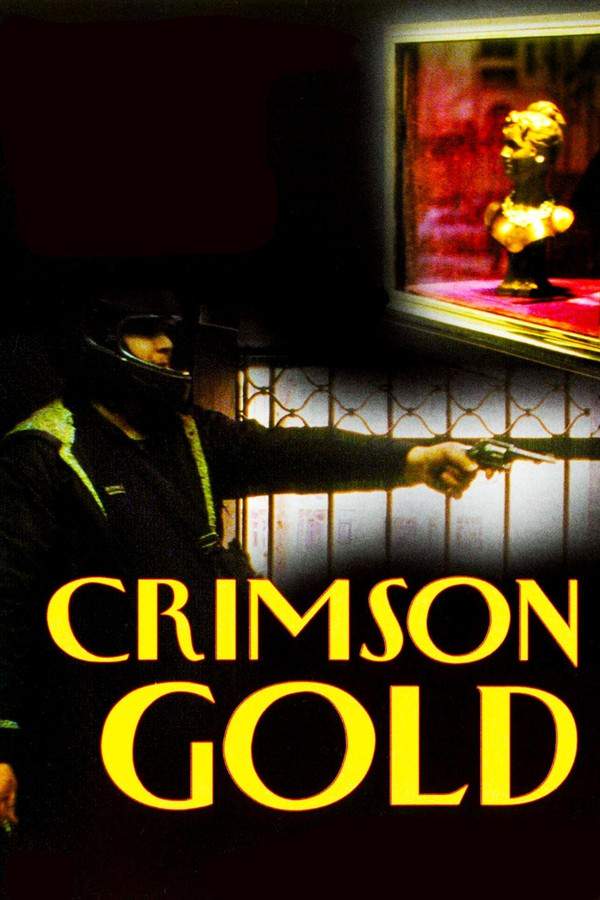
What Is Critical Zone About?
The premise of Critical Zone in 325 words, with nothing given away. The full story follows below.
In the neon‑lit hours of Tehran, a city that hums with restless traffic and whispered deals, a solitary figure roams the shadowed arteries of the metropolis. Amir lives in a modest apartment, his only constant companion a loyal bulldog named Mr. Fred. Their days blend together in a quiet routine of night‑time drives, the city’s familiar chaos reflected in the steady glow of a GPS voice that becomes both guide and confidante. The streets he navigates are a patchwork of tunnel‑wound highways and narrow alleys, each turn echoing the isolation that defines his existence.
Guided by the disembodied female narration of his navigation system, Amir drifts through the underworld not merely as a dealer but as a reluctant shepherd for those who wander lost. He offers a strange kind of comfort, dispensing relief to a spectrum of strangers—a jittery youth on a roadside, a gentle yoga instructor for children, an elderly patient in a quiet hospital ward, and those living on society’s margins. In these brief encounters, he adopts the quiet authority of a modern prophet, delivering solace while remaining detached from the lives he brushes past.
The film settles into a mood that is both gritty and oddly lyrical, painting Tehran’s nocturnal landscape with muted colors and a persistent, low‑key pulse. Amir’s reliance on substances becomes a double‑edged shield, a way to blur the starkness of a seemingly bleak future while simultaneously lighting a faint ember of resistance. His aimless wandering, though rooted in personal survival, hints at the emergence of something larger—an unspoken promise that even the most solitary journeys can stir the undercurrents of change.
Through atmospheric cinematography and a soundtrack that mirrors the city’s restless heartbeat, the story invites viewers to linger in the spaces between encounters, to feel the tension of a world where every turn is both a map and a mystery, and to wonder what quiet rebellion may arise from a life lived on the edge of anonymity.
What Happens in Critical Zone?
The complete story of Critical Zone, from the first scene to the last, in 511 words (about 2 minutes). Spoilers throughout. Names in the text link to 1 cast member page.
Spoilers ahead
In present-day Tehran, a man named Amir makes a living by dealing drugs, choosing a solitary life that centers around his small apartment and the company of his loyal bulldog Mr. Fred. Each day, he returns from the town’s labyrinthine tunnel systems beneath the ring roads, carrying a bag that holds marijuana, hashish, and opium. Back at home, he carefully sorts the drugs and bakes two trays of hash cookies, turning his routine into a ritual of distribution and relief.
When night falls, Amir climbs into his car and begins his rounds, guided by the steady, almost musical voice of his GPS. The device not only navigates the streets but also steers him away from danger, warning him about roadblocks, speed traps, and other threats that flicker through Tehran’s darkened lanes. This nocturnal journey is more than a simple delivery run; it’s a quiet treadmill of human contact, where each customer represents a different need, a different story.
Among the people who crave his offerings are seemingly lost young men lingering by the roadside, hoping for a moment of escape. There is also a young yoga teacher who works with children, seeking calm and relief in a city that never fully slows down. An old palliative care patient in a hospital becomes part of his widening circle, as Amir and a nurse themselves distribute a dose of comfort—hash cookies—into someone whose days are numbered. The drug-sweetened acts ripple outward, touching various lives in small, sometimes dangerous ways.
Amir does not stop there. He shares his wares with prostitutes, including a trans man, offering a gratis lifeline amid the shadows. He even tries to help a widow by prescribing a mixture of pills and opium tea to save her son from the grip of addiction. The web of transactions grows more tangled as he receives drugs and beer from an Iranian flight attendant traveling from Amsterdam, exchanging opium for a fleeting alliance. The two of them share a moment of intimacy as they snort cocaine together, their bond forged in shared risk and the moonlit hush of hotel corridors and transit lounges.
As Amir navigates this precarious world, the pressure tightens. Unnamed assailants begin to close in, and a tense car chase erupts, pushing Amir’s carefully balanced life toward a cliff’s edge. The pursuit underscores a simple, unsettling truth: in a city where every street holds a memory, the relief Amir provides carries a price—and the line between savior and target can blur in an instant.
This portrait of Amir’s nights blends gritty realism with a meditation on what it means to offer relief in a world that often privatizes pain. The GPS’s guiding voice, the hum of the city at 2 a.m., the fragrance of hash cookies lingering in the air—these details cohere into a striking, patient narrative about dependency, vulnerability, and the delicate line between care and harm. Through Amir’s eyes, the film observes a society where desire, desperation, and dubious benevolence intersect, creating a mosaic of nocturnal Tehran that feels lived-in, unflinching, and unexpectedly human. > “like a modern prophet.”
Critical Zone Timeline: Every Key Event in Order
12 key events in the order they happen, from “Return from the tunnel run” to “Car chase continues into the night”. 12 events name a place, across 8 locations.
- 1
Return from the tunnel run
Amir arrives home in Tehran from the tunnel system of the ring roads with a bag containing marijuana, hashish and opium. He sorts the stash and bakes two trays of hash cookies, preparing for his late-night rounds. The city hums as he plans how to distribute relief to his growing clientele.
When:Night Where:Tehran – tunnel system and Amir's apartment
- 2
Nightly deliveries begin
He climbs into his car and sets out to meet his customers, offering them relief 'like a modern prophet.' The female voice of his GPS guides the route and warns him about roadblocks, speed traps, and other dangers. The nocturnal Tehran streets become his market.
When:Night Where:Tehran streets
- 3
A seemingly lost young man on the roadside
Among the roadside travelers he encounters a young man who seems lost; Amir offers him hash cookies and a form of solace. The interaction underscores Amir's role as a guide through the city’s shadows. The GPS continues to direct him as danger lurks nearby.
When:Night Where:Side of a Tehran road
- 4
A yoga teacher for children as a customer
Another client appears in the dim streets—a young yoga teacher for children—receiving drugs from Amir's supply. The exchange shows the breadth of his clientele, from vulnerable to the everyday. The nighttime city and his vehicle become a moving stage for his operations.
When:Night Where:Tehran street
- 5
Old palliative care patient in hospital
Amir and a nurse bring hash cookies to an elderly palliative care patient in a hospital ward, offering relief as a form of care. The scene blurs boundaries between street deals and compassionate acts. The patient’s world intersects with Amir’s midnight distribution.
When:Night Where:Hospital ward
- 6
Prostitutes and a trans man receive drugs for free
Amir supplies a few prostitutes, including a trans man, with drugs at no charge. He treats them as customers who navigate the margins of the city under cover of darkness. The streetlights and the car’s glow frame these exchanges.
When:Night Where:Tehran streets
- 7
Widow seeking help for her addicted son
A widow seeks help for her son, whom Amir prescribes a mix of pills and opium tea to curb his addiction. The act shows a more complex, almost caregiving side of his trade. The scene unfolds within the hush of home life contrasted with his street routine.
When:Night Where:Widow's home
- 8
Flight attendant from Amsterdam delivers opium in exchange for it
An Iranian flight attendant arriving from Amsterdam drops off drugs and beer in exchange for opium. The interaction ties Amir to an international conduit of substances. The setting shifts to an intimate, late-night exchange.
When:Night Where:Amir's apartment
- 9
Cocaine session with the stewardess and budding intimacy
Amir and the stewardess snort cocaine together and become intimate, intensifying their clandestine bond. The private moment contrasts sharply with his public, transactional life. The night tightens around them as their chemistry deepens.
When:Night Where:Amir's apartment
- 10
Unseen pursuers close in
As the night deepens, unnamed assailants begin to close in on Amir and the flight attendant pair. The danger escalates, turning the streets into a pressure cooker. The GPS and the city’s maze-like roads become a visual map of looming threat.
When:Night Where:Tehran city streets
- 11
Mr. Fred the bulldog stays close
Amir’s affectionate bulldog Mr. Fred stays by his side, anchoring him amid the chaos of the night. The dog’s presence offers a tenderness that tames the volatility of Amir’s world. The companion animal grounds the man who moves through Tehran’s shadows.
When:Night Where:Amir's apartment
- 12
Car chase continues into the night
The pursuit intensifies as the assailants wage a high-stakes chase through Tehran’s streets. Amir relies on skill and the GPS’s warnings to escape danger. The night ends without a clear resolution, leaving the outcome uncertain.
When:Night Where:Tehran city streets
Who Are the Main Characters in Critical Zone?
10 characters, among them Amir, Mr. Fred and GPS Voice: who each one is and the part they play in the story. 1 of them link to the actor’s page.
- A
Amir
Amir is a solitary drug dealer who sustains himself through Tehran's nighttime drug trade. He lives alone with his affectionate bulldog Mr. Fred and bakes hash cookies to offer his customers relief. Guided by a female GPS voice, he navigates the city through tunnels and ring roads, delivering to a diverse clientele. His actions reveal a morally gray figure who can both help and harm.
- 💊 Crime
- 🧠 Morality
- 🚗 Nightlife
- MF
Mr. Fred
Played by Mr. Fred
Mr. Fred is Amir's affectionate bulldog, a loyal companion that anchors his solitary life. The dog's warmth contrasts with the harsh urban world of drug dealing and offers a small beacon of normalcy amidst risk. He embodies a rare humanizing presence in a city where fear and danger dominate.
- 🐶 Companion
- 💖 Loyalty
- GV
GPS Voice
The female GPS navigation system guides Amir through Tehran's nocturnal streets, warning about roadblocks and speed traps and shaping his decisions. The voice renders the city as a programmable map, blurring lines between help and surveillance. It embodies the unsettling collaboration between technology and crime in the film.
- 🎧 Technology
- 🧭 Guidance
- YT
Yoga Teacher (Children)
A young yoga teacher for children appears among Amir's clients, illustrating how substances reach diverse demographics. Her presence underscores the absurd reach of addiction into everyday life. The contrast between innocence and drug dependence deepens the film's moral complexity.
- 🧘♀️ Wellness
- 💊 Addiction
- PC
Palliative Care Patient
An elderly patient in a hospital is given hash cookies by Amir, with a nurse assisting. The scene highlights the vulnerability of illness to addiction and the ease with which care can be entangled with drug use. It broadens the scope of the drug economy to even the most fragile individuals.
- 🏥 Healthcare
- 💊 Addiction
- 🧡 Vulnerability
- N
Nurse
A nurse participates in the scheme, helping feed hash cookies to the patient and collaborating with Amir. Her involvement exposes professional complicity in a narcotic ecosystem. The character adds a layer of systemic ethics to the criminal activity.
- 👩⚕️ Caregiver
- ⚠️ Risk
- P(
Prostitute (Trans Man)
One of Amir's clients is a transgender sex worker who receives drugs for free, illustrating the fragility and marginalization encountered in the drug economy. The scene highlights the commodification of bodies and the reach of addiction across identities.
- 👤 Identity
- 💊 Addiction
- 🕯️ Exploitation
- P
Prostitute
A few prostitutes appear among Amir's clients, revealing power dynamics and coercion within the drug trade. The interactions expose how vulnerability and survival intersect with crime in the urban landscape.
- 💎 Sex Work
- 💊 Addiction
- W
Widow
A widow seeks help to save her son from addiction, and Amir prescribes a mixture of pills and opium tea. This act portrays the blurred line between care and exploitation and personalizes the cost of addiction for families.
- 👵 Widow
- 💊 Addiction
- 🩺 Care
- FA
Flight Attendant
An Iranian flight attendant coming from Amsterdam exchanges opium for drugs and snorts cocaine with Amir. The encounter adds an element of international supply and risky hospitality, intensifying the film's dangerous undertow.
- 🛫 Travel
- 💊 Addiction
Where and When Is Critical Zone Set?
Critical Zone is set in Tehran and Iran (Present-day (2020s)). Here is why the time and place matter to the story.
When
Present-day (2020s)
The events unfold in contemporary Tehran, reflecting current urban dynamics and social tensions. Modern technologies, like a female GPS, guide the night runs, while a persistent underworld of drugs and addiction drives the plot. The setting emphasizes a city in flux, where anonymity and proximity coexist in the same streets.
Where
Tehran, Iran
Present-day Tehran provides the backdrop for a nocturnal drug economy. The film follows Amir through Tehran's ring roads and underground tunnels, where the city at night becomes a maze of risks and possibilities. The urban landscape — crowded, bright, and perilous — shapes the mood and actions of the characters.
- 🌃 Urban Tehran
- 🏙️ Capital City
- 🚦 Nightlife
What Are the Themes of Critical Zone?
3 ideas the story keeps returning to, among them Addiction, Urban Isolation and Morality.
-
01
Addiction
Amir's drug-dealing life exposes how addiction shapes relationships and social interactions. The film follows a wide range of clients—from a yoga teacher to a palliative patient and sex workers—showing how substances provide momentary relief while deepening harm. It questions whether relief justifies harm and whether the dealer is a savior or a predator. The portrayal avoids glamorizing crime, instead presenting addiction as a pervasive pressure in modern life.
-
02
Urban Isolation
Nighttime Tehran becomes a labyrinth where Amir moves through crowds yet remains unseen. The GPS voice that guides him functions as both ally and watchful overseer, turning technology into a double-edged guide. The city’s density and anonymity compound vulnerability and loneliness. A car chase and constant pursuit amplify the sense of danger lurking in the urban maze.
-
03
Morality
Amir operates in a gray zone where care and exploitation blur. The film presents acts of help—feeding a patient, guiding a widow to save her son—alongside illegal drug dealing and exchanges. The description of himself as a 'modern prophet' raises questions about authority, mercy, and consequences. The narrative probes whether good intentions can absolve harm or if the outcomes define morality.
What Kind of Film Is Critical Zone?
Melancholic in tone, with slow pacing and a straightforward story, going by the plot summary.
- Tone
- Melancholic
- Pacing
- Slow
- Story
- Straightforward
- Intensity
- Medium
- Ending
- Ambiguous
A slow, melancholic immersion into the lonely and oppressive underworld of Tehran, following a drug dealer who offers solace to troubled souls while drifting through a bleak urban landscape.
- lonely
- atmospheric
- grim
- meditative
- oppressive
- somber
- drug trade
- urban isolation
- addiction
- palliative care
Content notes: drug abuse, addiction, palliative care.
Quiz
How well do you remember Critical Zone? Test yourself on the story.