What Is Colors About?
The premise of Colors in 336 words, with nothing given away. The full story follows below.
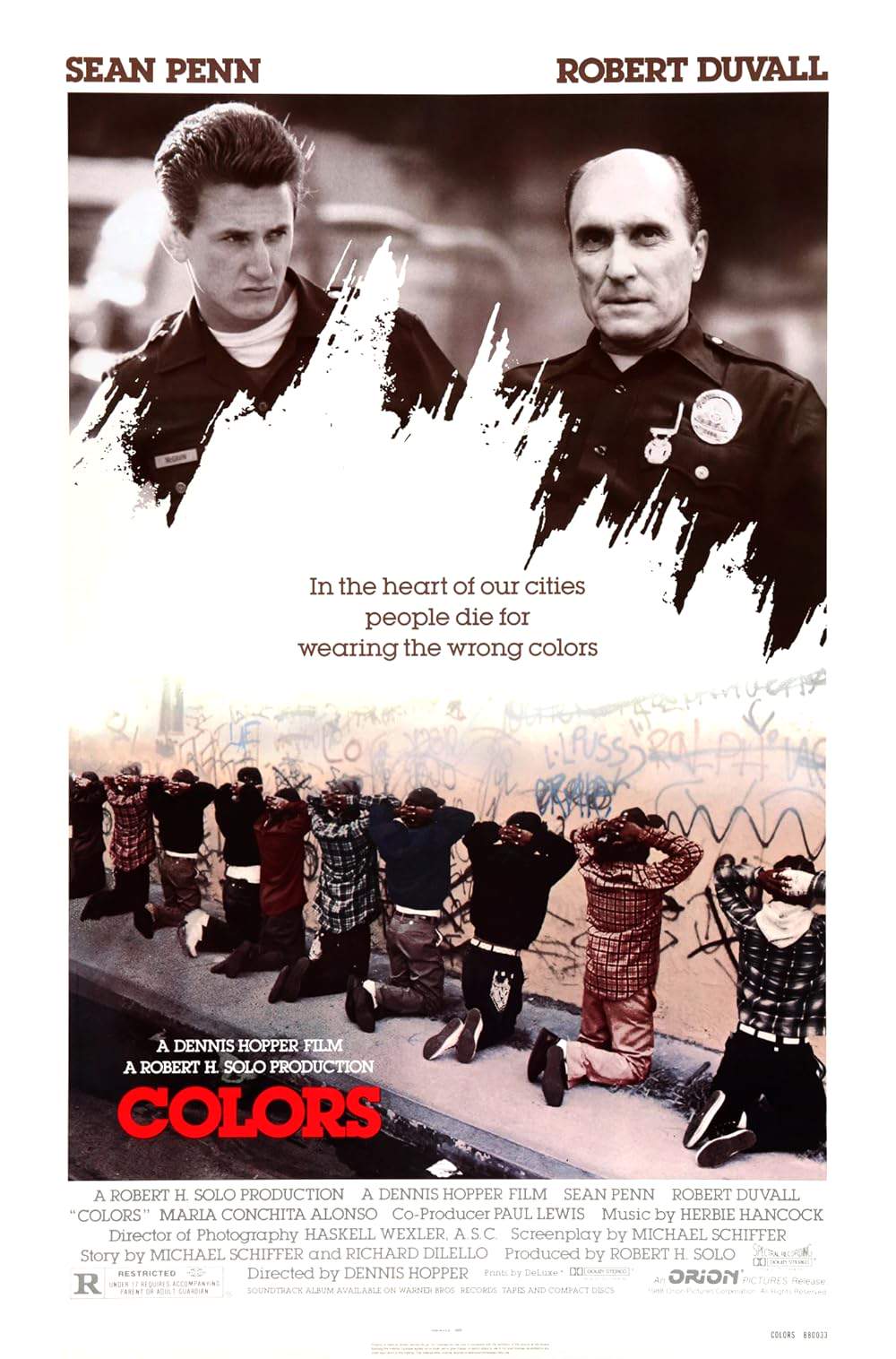
In the restless streets of Los Angeles, a special police detail known as CRASH (Community Resources Against Street Hoodlums) patrols the city’s most volatile neighborhoods. The unit exists in a world where gang allegiances shift like shadows and every interaction carries the weight of a community’s hope or suspicion. The film opens on a landscape pulsing with tension, where the line between order and chaos is drawn in graffiti, sirens, and whispered truces, setting a gritty, uncompromising tone that never lets the viewer forget the stakes.
Uncle Bob Hodges serves as the seasoned anchor of the team, a veteran who values patience and genuine connection over brute force. He teaches his partner that building rapport can turn hostile streets into reluctant allies, and his quiet diplomacy often earns the respect of those the police are meant to protect. His measured approach stands in stark contrast to the impulsive energy that courses through the squad, highlighting a generational clash that drives much of the narrative’s emotional core.
Danny McGavin arrives as the eager rookie, brimming with swagger and a desire to prove himself. His instinctive bravado frequently clashes with Hodges’ calm methodology, creating a dynamic partnership that oscillates between friction and begrudging respect. Alongside his work, McGavin navigates a budding romance with a local waitress, a relationship that adds a personal dimension to his immersion in the neighborhood’s complexities. Their interactions hint at the delicate balance between personal ambition and the larger, often unseen, consequences of life on the streets.
Together, the duo embodies the film’s exploration of duty, loyalty, and the moral gray zones of urban policing. The atmosphere is heavy with the hum of car engines, distant gunfire, and the constant buzz of street life, all underscored by a palpable sense that every decision reverberates far beyond a single precinct. As the officers move deeper into the city’s hidden currents, the audience is left to wonder how far the fragile peace can stretch before it snaps under the weight of unspoken histories and looming danger.
What Happens in Colors?
The complete story of Colors, from the first scene to the last, in 737 words (about 3 minutes). Spoilers throughout. Names in the text link to 2 cast member pages.
Spoilers ahead
Uncle Bob Hodges Robert Duvall and rookie officer Danny McGavin Sean Penn are paired in the LAPD’s Community Resources Against Street Hoodlums (CRASH) unit, a squad sent to calm the most volatile corners of Northwest, East, and South Los Angeles. The film follows their uneasy partnership as they navigate a landscape where gang alliances shift like smoke and every move is scrutinized by the communities they vow to protect.
Hodges is a steadying presence on the streets, patient and diplomatic, preaching a notion of “rapport” to gang members so they’ll offer help when it’s truly needed. He explains policing to his younger partner with a light, almost rueful joke about bulls and cows, a hint at the delicate balance between force and trust. The two respond to a rock thrown at Hodges’s car by the 21st Street Gang, and when a young member named Felipe is caught, Hodges acts with restraint that earns him respect from locals—even as the streets grow tenser around them.
In the shadows of the city’s gang culture, McGavin’s bravado often gets ahead of his judgment. He becomes entangled with a waitress named Louisa, a brief romance that juxtaposes his reckless stunts and the more measured approach of Hodges. McGavin’s impulsive actions—like spraying paint in a graffiti artist’s eyes in a public confrontation—draw sharp rebukes, first from Hodges at the station and then from Louisa herself, who reveals a personal stake in the neighborhood’s tensions. The couple’s bond frays as the violence between the Bloods and Crips intensifies, with a Bloods funeral interrupted by Crip gunfire that sets off a chain reaction of pursuit and retaliation.
A brutal clash around drugs intensifies the stakes. A dealer named T peddles to young kids, and when McGavin and Hodges confront him, McGavin punches T in front of onlookers, straining their relationship and drawing anger from bystanders. Hodges’s disciplinary response underscores the difference between danger bravado and disciplined service, a difference that Louisa helps illuminate when she sees the collateral pain caused by the conflict—her cousin was the graffiti artist McGavin harmed. The violence expands as a murder within the Bloods and a growing feud between rival crews pull both officers deeper into a war neither can fully control.
The investigation intensifies when the detectives connect a dark blue van to the crime, leading to arrests and interrogations that bring Rocket—the Crips’ elusive leader—into sharper focus. A raid on Rocket’s girlfriend’s house produces a deadly mistake: Officer Baines shoots a Crips member named Killa Bee while he’s reaching for his belt, mistaken for a weapon. The aftermath feeds rumor and fear, with the Crips believing McGavin killed Killa Bee, and the police forced to answer questions about the deadly misfire.
Tensions peak as Frog, leader within the 21st Street Gang, tries to broker a fragile peace to stop the bloodshed. Hodges, unaware of the full danger, reveals Frog as a key informant to the Crips, tipping off a plan to ambush McGavin. The Crips strike during a party at Louisa’s residence, and McGavin returns to find Louisa in the aftermath of a dangerous encounter with a gang member. He leaves, and the violence explodes outward: the 21st Street Gang retaliates with brutal force, and a devastating wave of gunfire devastates both sides, making it painfully clear that the city’s cycles of vengeance will not be easily broken.
CRASH closes in on the gang leadership, and in a final confrontation, Hodges is fatally shot by a 21st Street Gang member nicknamed “Bird.” CRASH responds in kind, killing Bird, but the win feels hollow as Hodges lies dying. McGavin stays by his mentor’s side, offering comfort as Hodges drifts into delirium and death, a stark reminder of the price exacted by years of policing a city at war with itself.
In the aftermath, a more restrained McGavin takes on a new rookie partner, a young Black cop raised in the neighborhood who carries the same swagger as the departed Pac-Man—so nicknamed for his own flashy driving. As the two patrol together, McGavin repeats the same joke that Hodges taught him about the bulls and cows, and the younger officer replies in kind, signaling a bitter, enduring cycle. The closing images linger on the road ahead, with McGavin contemplating the violence that persists around him as they drive back into the streets, their resolve tempered by loss and the hard-won lessons of a city that never fully quiets itself.
Colors Timeline: Every Key Event in Order
14 key events in the order they happen, from “CRASH unit formed and Hodges partners with McGavin” to “Epilogue: cycle of violence continues”. 11 events name a place, across 11 locations.
- 1
CRASH unit formed and Hodges partners with McGavin
Two veteran officers are paired in the Community Resources Against Street Hoodlums (CRASH) unit to patrol troubled parts of Los Angeles. Hodges preaches a 'rapport' approach and explains policing with humor, setting the tone for their partnership. They head into the field aiming to reduce violence in their neighborhoods.
When:Opening sequence Where:NW Los Angeles and surrounding areas
- 2
21st Street Gang targets Hodges’ car
The gang throws a rock at Hodges’ car and flees, while Hodges catches a young member named Felipe. The incident tests their resolve and hints at how quickly ordinary street life can escalate into danger. The men begin to understand the risk of taking a tough stand in the community.
When:Early Where:21st Street Gang hangout / Northwest LA streets
- 3
Crips attack Bloods at a funeral
During a Bloods funeral for Robert Craig, the Crips open fire on the church, shattering the service and igniting a wider cycle of violence. Hodges and McGavin chase the Crips through the streets, culminating in a high-speed pursuit. The crash ends with their car flipping and exploding, killing several gang members.
When:Funeral service Where:Church, Los Angeles
- 4
Community leaders urge restraint
Ron Delaney counsels the 21st Street Gang to walk away from gang life, but the members dismiss his advice and decide to stay in the gang. The scene underscores how stubborn loyalty and fear of leaving the gang can be beyond the reach of outreach efforts. The cycle of violence continues to draw the officers deeper into the conflict.
When:Shortly after the funeral incident Where:21st Street Gang hangout
- 5
McGavin’s recklessness tested; Louisa connection
McGavin shows off risky street instincts, including an assault on a graffiti artist with a spray can. He bonds quickly with Louisa, a waitress connected to the community, but Hodges disciplines him at the police station for unlawful actions. The tension grows when Louisa reveals the graffiti artist is her cousin, complicating McGavin’s personal ties.
When:Early to mid-film Where:Street encounters; police station
- 6
Gangs’ feud intensifies
The murder of a Bloods member escalates tensions and provokes retaliation from rival Crips. The violence spills from the gangs into the broader community, pulling Hodges and McGavin deeper into a street war they try to manage. The increase in violence tests their ability to restore order.
When:Early to mid-film
- 7
PAC-Man car arrives
During a pursuit, McGavin wrecks their unmarked car, and the team replaces it with a bright yellow vehicle, instantly earning him the nickname ‘Pac-Man’ among officers and gang members. The moniker reflects his central role in the escalating chase and danger. It foreshadows the persistent attention their actions draw.
When:Mid-film Where:On patrol in LA
- 8
Oso raid and Hi Top’s capture
CRASH raids the house of gang member Oso and arrests him, and Oso’s information points to Hi Top as a dealer. Hi Top steals a motorcycle during the chase, leading them on a dangerous pursuit through a restaurant window. He is eventually subdued and arrested, tightening the net around the gang leadership.
When:Mid-film Where:Oso’s house; streets and restaurant
- 9
Hi Top beaten in jail; Rocket blamed
In jail, Hi Top is badly beaten by other inmates while the sheriff presses him about the Robert Craig murder. Under coercion, Hi Top claims Rocket, the Crips’ leader, is responsible. The interrogation adds another layer of mystery about who orchestrates violence from within the gangs.
When:Mid to late film Where:Jail
- 10
Van linked to murder; suspects questioned
Hodges, McGavin and the LAPD spot a dark blue van linked to the murder, leading to interrogations of two black males. The chase narrows the suspects but does not resolve the case, keeping Rocket as the target and heightening tension in the community. The investigation shows how informants and street loyalties influence the pursuit.
When:Investigation phase
Show the other 4 events of Colors Hide the last 4 events
- 11
Frog’s peace bid collapses; informant exposed
Frog, leader of the 21st Street Gang, attempts to broker peace, but Hodges inadvertently exposes Frog as a police informant to the Crips. The Crips retaliate by planning an attack on the 21st Street Gang, intensifying the volatile dynamic. The move increases friction and pushes both sides toward open conflict.
When:Before the party Where:21st Street Gang territory
- 12
Drive-by, violence peaks, Hodges’ death
The Crips carry out a drive-by during Louisa’s party, and the 21st Street Gang retaliates with heavy weaponry, leading to a brutal street battle. McGavin discovers Louisa having sex with a 21st Street gangster and leaves in frustration, deepening personal tragedy amid the violence. The confrontation culminates with Hodges’s final stand and his death.
When:Late film Where:Louisa’s party and surrounding streets
- 13
Final arrest and Hodges’ death
CRASH moves in on the 21st Street Gang and arrests Frog; in the exchange Hodges is fatally shot by a 21st Street Gang member named Bird. CRASH returns fire, killing Bird in retaliation. McGavin consoles the dying Hodges, who speaks with regrets as he dies, leaving the squad to carry on without him.
When:Climax Where:Arrest scene; city streets
- 14
Epilogue: cycle of violence continues
With Hodges dead, McGavin takes on a new rookie partner who grew up in the neighborhood and shares the Pac-Man nickname. He repeats Hodges’ bulls-and-cows joke, signaling a cautious acceptance that the cycle of violence may continue. The film ends with them patrolling together, facing an uncertain future.
When:After the climax
Who Are the Main Characters in Colors?
6 characters, among them Uncle Bob Hodges, Danny McGavin and Frog: who each one is and the part they play in the story. 2 of them link to the actor’s page.
-
Uncle Bob Hodges
Played by Robert Duvall
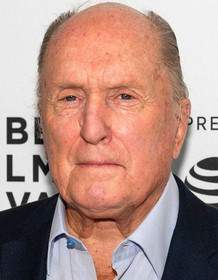
An experienced LAPD officer and Vietnam veteran known for his calm, diplomatic approach. He champions 'rapport' and community trust, guiding his younger partner through complex gang policing. Respected on the streets, he balances enforcement with understanding and mentorship. His death marks a pivotal emotional moment for the story.
- 👮 Police
- 🕊️ Peacekeeping
- 🧭 Mentor
- 🎯 Duty
-
Danny McGavin
Played by Sean Penn
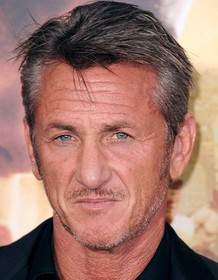
A rookie LAPD officer whose charisma and impulsiveness push the limits of conduct. He forms a quick bond with Louisa and often acts before fully considering consequences, creating tension with civilians and colleagues. His growth arc centers on learning restraint and responsibility, especially after Hodges' death.
- 🚓 Officer
- 💥 Impulsiveness
- 💔 Romance
- 🎯 Ambition
- F
Frog
Leader of the 21st Street Gang, a strategic player who uses information to influence gang dynamics. He becomes a key informant figure whose actions connect police operations to gang conflicts, ultimately facing arrest as the CRMASH crackdown tightens.
- 🧭 Gang politics
- 🗡️ Rivalry
- 🧩 Betrayal
- R
Rocket
Leader of the Crips, a central figure in the gang conflict that drives the plot. His leadership motivates escalations and drives the pursuit by police as the violence intensifies around his crew.
- 🕶️ Gang leadership
- 🗡️ Violence
- 🧭 Power
- HT
Hi Top
A drug dealer whose activities come under investigation by Hodges and McGavin. He represents the supply side of the street violence, and his capture is a milestone in the crackdown on drug networks.
- 💊 Drug trade
- ⚖️ Incarceration
- KB
Killa Bee
A Crips member killed by an officer due to a mistaken identity, illustrating the tragic costs of rapid, escalating violence and misidentification within the turf wars.
- 💣 Violence
- 🕵️ Mistaken identity
Where and When Is Colors Set?
Colors is set in Los Angeles, California, Northwest Los Angeles, East Los Angeles and South Los… (Late 1980s). Here is why the time and place matter to the story.
When
Late 1980s
Colors is set during the late 1980s Los Angeles gang era, focusing on the escalating violence between the Crips, Bloods, and local Hispanic gangs. The period is marked by a tense police culture, where street-level policing, community relations, and vigilantism collide. The city is portrayed at a peak moment of gang influence and law enforcement response.
Where
Los Angeles, California; Northwest Los Angeles; East Los Angeles; South Los Angeles
The film unfolds across several Los Angeles neighborhoods, highlighting the urban landscape where police work intersects with street life. It follows the CRASH unit as it patrols the northwest, east, and south parts of the city. The setting emphasizes the dense, interconnected communities affected by gang activity and constant tension between residents and law enforcement.
- 🏙️ City
- 🚓 Crime
- 🧭 Urban
- 🎭 Social tensions
What Are the Themes of Colors?
3 ideas the story keeps returning to, among them Cycle of Violence, Community Policing and Loyalty and Identity.
-
01
Cycle of Violence
The narrative shows how retaliatory actions spiral into deeper violence, pulling both communities and police into a loop of harm. Encounters with gangs heighten mistrust and set off chain reactions that are difficult to halt. The film suggests that vengeance perpetuates itself, impacting bystanders and reshaping loyalties.
-
02
Community Policing
Hodges emphasizes building rapport with gang members as a tool for safety, contrasting it with brute force. The partnership with McGavin illustrates how trust, diplomacy, and restraint can influence street realities. The film portrays police work as a balance between enforcement and relationship-building within troubled neighborhoods.
-
03
Loyalty and Identity
Loyalty is tested between gang allegiance, family ties, and professional duty. Characters navigate conflicting identities as violence reshapes friendships and rivalries. The story probes how individuals define themselves when pressure from gangs, love interests, and colleagues converges.
What Kind of Film Is Colors?
Dark in tone, with steady pacing and a moderate story, going by the plot summary.
- Tone
- Dark
- Pacing
- Steady
- Story
- Moderate
- Intensity
- High
- Ending
- Bittersweet
A gritty and tense police drama that immerses the viewer in the oppressive cycle of gang violence, where brief moments of human connection are overshadowed by relentless tragedy and moral compromise.
- gritty
- tense
- oppressive
- melancholic
- anxious
- bleak
- gang violence
- police partnership
- urban decay
- cycle of violence
Content notes: gang violence, police shootout, massacre, death, blood splatter, dead body.
Quiz
How well do you remember Colors? Test yourself on the story.