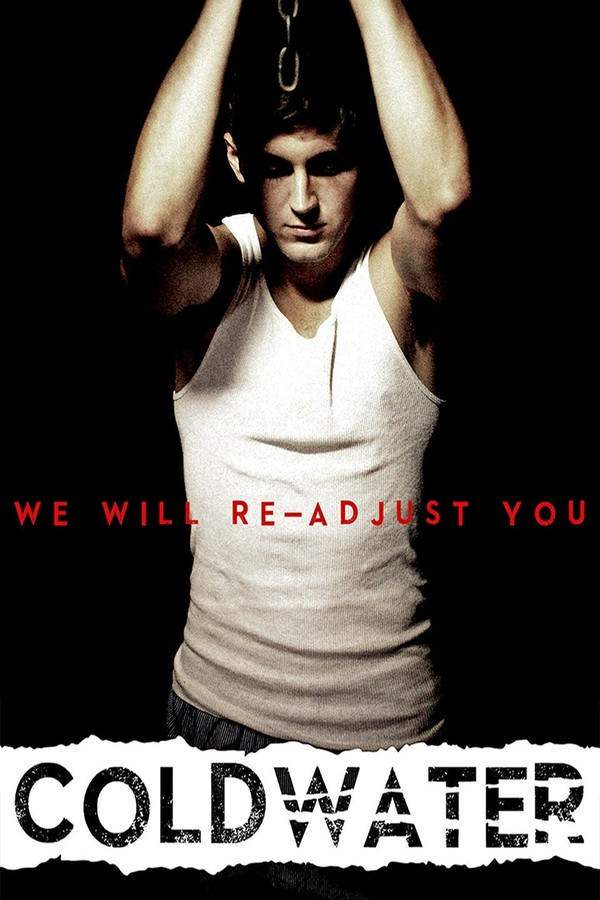
Coldwater 2014

Directed by

Vincent Grashaw
Made by

Breaking Glass Pictures
Coldwater Plot Summary
Read the complete plot summary and ending explained for Coldwater (2014). From turning points to emotional moments, uncover what really happened and why it matters.
Coldwater follows the grim reality of abused teenage inmates at a so-called wilderness rehabilitation facility in California. The camp is run by a former Marine, Colonel Frank Reichert, whose personal demons—alcoholism, a failed family life, and a war-tired temperament—shape a brutal regime. The staff are a rough crew, many with military backgrounds or histories as former residents, and they exercise a “might makes right” philosophy that offers little in the way of real rehabilitation. The facility becomes a pressure chamber where fear and control replace care, and the line between punishment and cruelty is easily crossed.
The story centers on Brad Lunders, a teenager who has a strained relationship with his mother and her new partner, who is also behind bars for low-level drug dealing and for his involvement in the death of Brad’s girlfriend, Erin. Brad’s best friend, Gabriel, eventually joins him at Coldwater, and the two form a tense bond amid the harsh climate. A staff member named Josh becomes a focal point of conflict as tensions escalate, especially after a disturbing punishment: an inmate is maimed and left permanently injured while handcuffed to a ceiling in an overnight episode that tests the limits of what is deemed acceptable in the facility. The environment grows more volatile as fear and resentment simmer beneath a veneer of routine.
Brad’s resolve hardens as he experiences attempts at control through intimidation. He does manage to escape from Coldwater at one point, but a sheriff’s deputy—concerned by what Brad has disclosed about the abuses—ends up returning him to the camp. The situation inside the facility continues to deteriorate: Reichert’s alcoholism worsens, his day drinking becomes more conspicuous, and with weak leadership the staff ratchet up pressure on the inmates. Josh, unable to maintain restraint, loses his temper and challenges Brad to a fight. Although Brad is younger, he is physically larger, more capable, and quickly overpowers Josh, with other staff intervening only to prevent a more severe outcome. The following day, a humiliating scene unfolds when a vehicle driven by the drunken Reichert runs dry; Josh has to refuel it, only to discover the gas can has been filled with water. Forced to push the car back to camp, Josh is left to endure the humiliating spectacle while Reichert passes out in the passenger seat.
Brad seizes an opportunity while the chaos unfolds: he steals a master key that grants access to nearly every part of the facility. He also works to identify who is behind the water-prank incident, initially pinning the blame on Gabriel, while he secretly gathers information. Quietly, he regroups and begins to assemble evidence of the abuse. That night, Brad frees Gabriel from the torture shed and hides the medical files that document the injuries suffered by each inmate. He cross-references these with his own observations and discreetly mails the compiled dossier to the sheriff’s department via a mail drop at the end of a hiking trail, attempting to bring the truth to light.
With the documentation in hand, the inmates rise up, driven by a need for accountability and protection from the brutal regime. The staff are overwhelmed as chaos erupts, and the confrontation culminates in Brad confronting Reichert in his office. In a final act of defiance and desperation, Brad shoots Reichert, then stages it as a suicide to obscure the truth and shield himself from immediate consequences. The facility descends into carnage as the other inmates carry out a violent purge, and the authorities struggle to restore order.
The film closes with a grim aftermath: Brad is released from police custody without charges, awaiting a life beyond Coldwater as his mother arrives to pick him up. The news broadcasts the shocking footage of the massacre at the facility, leaving viewers with a stark meditation on power, abuse, and the pursuit of justice within a system that is supposed to heal.
Coldwater Timeline
Follow the complete movie timeline of Coldwater (2014) with every major event in chronological order. Great for understanding complex plots and story progression.
Brad arrives at Coldwater
Brad Lunders arrives at Coldwater, entering a brutal wilderness rehab facility run by Colonel Reichert. The staff are hand-picked former military types who treat inmates with a survival of the fittest mindset. The environment signals that rehabilitation here is more about control and punishment than actual help.
Brad's fragile home life
Brad has a tenuous relationship with his mother and her new boyfriend, a fragile dynamic that shadows his time at Coldwater. The lack of stable support in his home life helps explain his guarded behavior and his resolve to survive inside the facility.
Gabriel arrives at Coldwater
Brad's best friend Gabriel is sent to the same camp later, joining him in the brutal regime. Together they navigate the staff’s harsh rules and the growing sense that help is a lie. The bond between them becomes crucial as abuse escalates.
Overnight punishment leaves a resident maimed
During an ethically questionable overnight punishment, an inmate is maimed and permanently injured. The staff's hands-on, punitive approach reveals the facility's brutal philosophy. The incident intensifies tensions between the inmates and staff, especially with Josh.
Brad and Josh clash in a staff fight
Tensions between Brad and Josh boil over when the staff member challenges Brad to a fight. Brad, bigger and more capable, quickly overpowers Josh, and other staff must intervene to prevent a severe injury. The incident marks a turning point in the power dynamics at Coldwater.
Drunken Reichert drives the car; gas can is water
In a chaotic episode, a drunken Reichert sits in the car while Josh is tasked with refilling it. He discovers the gas can has been filled with water, not fuel, forcing them to push the car back to camp. Reichert passes out in the passenger seat as Brad drives, exposing the leadership's fragility.
Brad steals a master key
That night Brad steals a master key, giving him access to virtually every area of Coldwater. He begins to move more freely and quietly, gathering opportunities to observe and document abuses. This is the first clear step toward building a case against the facility.
Brad blames Gabriel for the water prank
To buy time and deflect suspicion, Brad blames Gabriel for the water prank on the gas can. The deception buys him some space to plan without alerting the staff to his broader goals. The choice sets in motion a chain of consequences that will shape the uprising.
Brad frees Gabriel and steals medical files
That night Brad frees Gabriel from the torture shed and steals medical files detailing inmates' injuries. He compiles these with his own notes, then mails them to the sheriff via a trail mail drop. The documents become crucial evidence for the investigation into Coldwater.
Inmates rise up and Brad confronts Reichert
The inmates rise against the staff, killing several and dismantling the regime. Brad pursues Reichert to his office and shoots him, staging the scene as a suicide. The brutal ending marks the collapse of Coldwater's control and the beginning of accountability, at least for Brad.
Brad is released without charges
Brad is released from police custody without charges as the investigation continues in the aftermath. He is picked up by his mother, who provides a fragile sense of normalcy amid the chaos. News reports show the carnage at Coldwater that led to his escape and actions.
Coldwater Characters
Explore all characters from Coldwater (2014). Get detailed profiles with their roles, arcs, and key relationships explained.
Brad Lunders
A determined teenager who endures relentless abuse at Coldwater and gradually shifts from silence to action. He becomes resourceful and strategic, secretly collecting evidence and planning a way to expose the facility’s mistreatment. His resilience drives the plot as he risks escape, confrontation, and his own safety to protect others.
Gabriel
Brad’s loyal best friend who is brought to Coldwater later in the story. He becomes a crucial ally in Brad’s plan, enduring the same brutal environment and contributing to the group effort to challenge the staff.
Colonel Frank Reichert
Former Marine and the camp's hands-on leader. His chronic alcoholism and ruthless temperament drive the brutal, 'might makes right' ethos of Coldwater, fueling the cycles of abuse and fear.
Josh
A staff member who embodies the brutal, hot-headed authority at Coldwater. His volatile temper and aggression contribute to the hostile atmosphere and the conflicts Brad faces.
Coldwater Settings
Learn where and when Coldwater (2014) takes place. Explore the film’s settings, era, and how they shape the narrative.
Location
Coldwater Wilderness Rehabilitation Facility, California
Coldwater is a wilderness rehabilitation facility located in a remote part of California. The camp operates under a rigid, militaristic regime where staff exercise coercive control over inmates. Despite its stated goal of rehabilitation, the environment becomes a breeding ground for abuse, power plays, and fear. The isolated setting amplifies the tension between residents and staff and shields the mistreatment from outside scrutiny.
Coldwater Themes
Discover the main themes in Coldwater (2014). Analyze the deeper meanings, emotional layers, and social commentary behind the film.
⚖️
Abuse of Power
The facility is governed by unchecked authority, where staff treat inmates with brute force rather than care. Reichert's leadership, worsened by alcoholism, turns the camp into a tool for control. The system's secrecy and favoritism allow mistreatment to go unchallenged, until a plan to expose it begins to form.
✊
Resistance and Exposure
Brad collects evidence by accessing medical files and staff notes. He compiles a dossier and mails it to the sheriff, seeking external accountability. The revelation fuels the inmates' uprising as they fight back against the staff. The plan shows how truth can disrupt corrupt power.
💔
Trauma and Consequence
Reichert's past and ongoing alcoholism shape the abusive culture, amplifying trauma among the residents. The abuse leaves lasting scars that influence behavior within the camp and beyond. The film highlights the fallout of unchecked trauma and the need for intervention and accountability.

Coming soon on iOS and Android
The Plot Explained Mobile App
From blockbusters to hidden gems — dive into movie stories anytime, anywhere. Save your favorites, discover plots faster, and never miss a twist again.
Sign up to be the first to know when we launch. Your email stays private — always.
Explore the mobile appColdwater Spoiler-Free Summary
Discover the spoiler-free summary of Coldwater (2014). Get a concise overview without any spoilers.
In a remote stretch of California wilderness, a stark rehabilitation camp promises “second chances” for troubled teens, but its isolated location and austere routine quickly reveal a world where discipline borders on domination. The facility’s rugged surroundings—dense pine, biting cold, and endless trails—serve as both backdrop and silent judge for those who enter, setting a tone that feels as unforgiving as the landscape itself. Into this enclave arrives Brad Lunders, a teenager whose strained family ties and lingering grief thrust him into a crucible far removed from any ordinary summer camp.
The camp’s authority rests in the hands of a former Marine commander, Colonel Frank Reichert, whose presence exudes a disciplined severity that filters through every corner of the institution. His leadership style, shaped by personal battles and a militaristic philosophy, creates an atmosphere where rules are absolute and empathy is scarce. The staff, many bearing similar backgrounds, reinforce this regime, turning daily routines into a tightly controlled dance that leaves little room for the kind of healing the program claims to offer.
Within these walls, Gabriel—Brad’s longtime confidant—finds himself drawn into the same oppressive rhythm, their bond tested by the relentless pressure of the camp’s hierarchy. A younger counselor named Josh adds another layer to the social dynamic, embodying the tense interplay between authority and vulnerability that permeates the facility. Friendships flicker, rivalries simmer, and every interaction hints at deeper undercurrents of distrust and survival.
The film lingers on the stark contrast between the promise of rehabilitation and the brutal reality of a regime that prizes order over compassion. As the days wear on, the oppressive silence of the wilderness amplifies the characters’ internal struggles, inviting viewers to contemplate how far individuals will go when forced to confront a system that seems designed to break rather than to mend.
Featured on this page

What's After the Movie?
Not sure whether to stay after the credits? Find out!
Check out our other apps:

SAT Sphere
Build confidence for the Digital SAT.

Mori Atlas
Discover wild places worth protecting.

Luntero
Search smarter for a home in Amsterdam.

Plot Explained
Unravel movie endings and hidden clues.

Pokechamp
Dive into Pokémon data and battle logic.

Driving Theory
Get ready for your European theory test.

Movie Dust
Plan your next cinema trip with ease.

Musemap
Find art and culture as you travel.

Selkobase
Compare credentials before committing.

Local Manual
Turn an unfamiliar country into practical next steps.

Lernavi
Compare school systems before your next move.

GymRoam
Find a workout stop wherever your plans take you.
Explore Our Movie Platform
New Movie Releases (2026)
Famous Movie Actors
Top Film Production Studios
Movie Plot Summaries & Endings
Major Movie Awards & Winners
Best Concert Films & Music Documentaries
Movie Collections and Curated Lists
© 2026 What's After the Movie. All rights reserved.
Privacy Policy