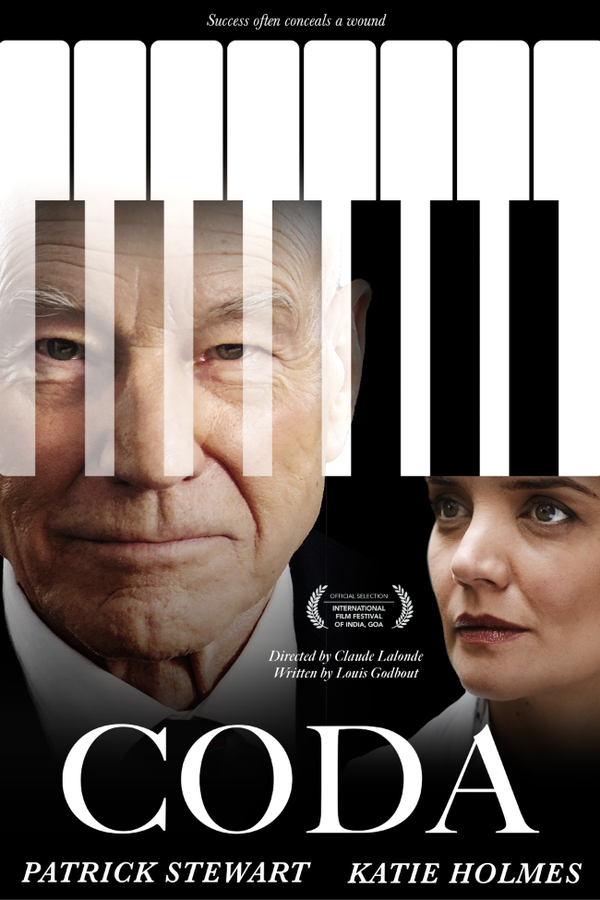
Coda 2020


Directed by

Claude Lalonde
Made by

Where to Watch Coda
See current US streaming, rental, and purchase options for Coda (2020) via JustWatch.








Coda Plot Summary
Read the complete plot summary and ending explained for Coda (2020). From turning points to emotional moments, uncover what really happened and why it matters.
Henry Cole is an acclaimed classical pianist at the twilight of his career. He returns to the stage after a long absence following the death of his wife, only to discover that his performance is marred by stage fright and overall mental instability. He barely escapes catastrophe as he suffers an anxiety attack on stage, running outside after finishing a number and smoking a cigarette.
At a post-recital press conference, he meets Helen Morrison, a music critic for The New Yorker. She wants to write a story about him and unsuccessfully asks for an interview. They meet again a few days later at Steinway Hall, where Henry suffers another episode while attempting to perform. Helen rescues him in extremis and earns his trust. Henry finally agrees to the interview.
Meanwhile, despite his agent’s best efforts, Henry’s mental condition declines steadily. His recitals become more and more perilous, thus jeopardizing his comeback tour and his much anticipated and publicized final concert in London.
Helen urges Henry to travel to Sils Maria in the Swiss Alps to hear another pianist she once knew, famous for the therapeutic effect of his interpretation of Beethoven’s late piano sonatas. Once there, Henry’s symptoms at first worsen, but he gradually finds solace through walks in nature, curious but empathetic encounters with strangers, and the music of Beethoven.
Coda Timeline
Follow the complete movie timeline of Coda (2020) with every major event in chronological order. Great for understanding complex plots and story progression.
Comeback recital marred by stage fright
Henry Cole returns to the stage after a long absence, but his performance is undermined by severe stage fright and mental instability. An anxiety attack erupts during the recital, and he rushes outside to smoke a cigarette as the audience watches in concern. The incident casts a shadow over his comeback and foreshadows deeper struggles ahead.
Meeting Helen Morrison at a press event
Immediately after the recital, Henry attends a post-performance press conference where he meets Helen Morrison, a music critic for The New Yorker. Helen expresses interest in writing a story about him but struggles to secure an interview. His initial resistance hints at his fragility and growing distrust of the media.
Another episode at Steinway Hall; trust begins
A few days later at Steinway Hall, Henry experiences another episode while attempting to perform. Helen intervenes, rescuing him in extremis and earning his trust. The performance ends early, but a cautious bond forms between them.
Agreement to be interviewed
Following the rescue, Henry loosens his guard and agrees to sit for an interview with Helen. The candid exchange promises a more intimate portrait than a mere recital review. Helen's persistence turns a fragile moment into a potential breakthrough.
Mental decline threatens the comeback tour
Despite his agent Paul's best efforts, Henry's mental condition continues to deteriorate. His recitals become increasingly perilous, threatening the planned comeback tour and the highly anticipated final London concert. The public return hangs in the balance as his symptoms worsen.
Helen suggests Sils Maria for therapy
Helen urges Henry to travel to Sils Maria in the Swiss Alps to hear another pianist renowned for the therapeutic interpretation of Beethoven's late sonatas. The idea is to find calm through music and a change of scene. Henry agrees, hoping for relief from his symptoms.
Arrival in Sils Maria and initial worsening
Upon arriving in Sils Maria, Henry's symptoms initially worsen as he confronts the unfamiliar alpine setting. The acute anxiety makes even simple movements feel arduous. The quiet surroundings hint at a potential path to steadiness, if he can endure the initial storm.
Solace through nature and new encounters
In the days that follow, Henry begins to find solace through walks in nature and curious encounters with strangers. He also discovers relief in small joys and in the music that surrounds him, which starts to calm his racing thoughts. Beethoven's late sonatas gradually act as a gentle balm, guiding his mood toward steadiness.
Chess with Felix and personal connections
A spirited chess match with Felix, a hotel porter, becomes a warm, communal ritual that loosens Henry's defenses. The simple game and friendly conversation help him reconnect with everyday life. These small moments contribute to a gradual reassessment of his identity as a performer.
Beethoven's late sonatas as therapeutic beacon
Henry is drawn to Beethoven's late piano sonatas performed by the renowned pianist in Sils Maria and experiences the therapeutic effect described by Helen. The music provides a concrete emotional anchor that calms his mind and deepens his belief in music's healing power. This deeper engagement helps him decompress further.
Stable progress and renewed hope
With the psychological pressure eased, Henry's condition shows clear signs of improvement. He moves with more confidence, and the fear that once gripped him begins to loosen its hold. The stay in Sils Maria becomes a turning point in his comeback.
New outlook on performance and future
Helen's belief in Henry deepens as he regains a sense of purpose. He recognizes that Beethoven's interpretations can guide his own artistry and future stages. The experience hints at a potential return to performance with a steadier, more assured presence.
Coda Characters
Explore all characters from Coda (2020). Get detailed profiles with their roles, arcs, and key relationships explained.
Henry Cole (Patrick Stewart)
A celebrated classical pianist approaching the twilight of his career, Henry grapples with debilitating stage fright and mental instability. His comeback is threatened by intense anxiety and fading confidence, setting him on a personal journey toward resilience. The film follows his efforts to regain control on stage while navigating public expectations.
Helen Morrison (Katie Holmes)
A New Yorker music critic for The New Yorker who becomes Henry's advocate. She pursues his story, earns his trust through persistence, and catalyzes his interview, ultimately helping him face his fears. Her steady empathy and persistence push Henry toward openness and healing.
Paul (Giancarlo Esposito)
Henry's agent who fights to salvage the comeback tour. He balances professional obligations with Henry's fragile condition, navigating public appearances and the pressures of a high-profile return. The dynamic reveals tension between artistic integrity and commercial demands, as he seeks a workable path forward.
Beethoven (Beat Marti)
A symbolic figure named Beethoven who embodies the therapeutic power of music. His presence anchors Henry's emotional journey, with Beethoven's late works offering guidance and insight during moments of doubt. The character represents the healing potential of listening and interpretation.
Third Reporter (Don Anderson)
A press figure who frames the media narrative surrounding Henry's comeback, representing the scrutiny and public interest that cloud his every move. His questions and presence amplify the pressure Henry faces.
Attendant (Nicholas Haze)
Hotel staff who interacts with Henry during his retreat, providing practical support and small moments of human connection amid the journey.
Guard (Abdul Ayoola)
A security figure who appears as part of the film's world of performance venues and travel, underscoring tension and safety around the comeback.
Patrick Ryan
A member of the ensemble cast; a minor role that helps populate the world of Henry's story.
Coda Settings
Learn where and when Coda (2020) takes place. Explore the film’s settings, era, and how they shape the narrative.
Time period
Contemporary
The story unfolds in a modern-day setting, within the world of classical music and media culture. Henry's comeback is framed by contemporary venues, press conferences, and a global concert circuit. The Swiss Alps retreat and London recital anchor the narrative in a current era of touring artists and public scrutiny.
Location
London, Sils Maria
London hosts Henry's comeback tour and press events in prestigious venues. Sils Maria, in the Swiss Alps, offers a serene retreat where Henry confronts his anxiety amid nature and quiet Alpine landscapes.
Coda Themes
Discover the main themes in Coda (2020). Analyze the deeper meanings, emotional layers, and social commentary behind the film.
🧠
Mental Health
Henry's descent into stage fright and anxiety drives the drama, highlighting the fragility of mental health in a high-pressure artistic career. The film tracks his recurring panic attacks and the effort required to regain composure on stage. It explores how fear can shape performance and identity.
⏳
Aging
An aging virtuoso faces a career crossroads, balancing legacy with the demands of a comeback. The film frames aging as both a challenge and a source of wisdom as Henry navigates expectations. The story uses the passage of time to weigh what remains valuable in a long career.
🎶
Music Therapy
Beethoven's late sonatas act as a therapeutic guide, offering Henry moments of calm and clarity. The music functions as a bridge between anxiety and expression, helping him find footing on stage. Nature and patient, gentle encounters reinforce the restorative power of art.
🤝
Empathy
Helen's empathy and steady trust unlock Henry's defenses and pave the way for a deeper connection. The relationship becomes a catalyst for truth-telling, healing, and a more honest portrayal of the man behind the musician.

Coming soon on iOS and Android
The Plot Explained Mobile App
From blockbusters to hidden gems — dive into movie stories anytime, anywhere. Save your favorites, discover plots faster, and never miss a twist again.
Sign up to be the first to know when we launch. Your email stays private — always.
Explore the mobile appCoda Ending Explained
Unravel the ending of Coda (2020) with our detailed explanation. Understand the final scenes, character fates, and unresolved questions.
The ending of “CODA” emphasizes the importance of understanding and acceptance beyond physical hearing. Throughout the film, Ruby’s family communicates through sign language, and Ruby acts as their bridge to the hearing world. When Ruby prepares to audition for Berklee College of Music, her family initially struggles with the idea of her leaving and pursuing her dreams. After a heated argument, Ruby decides to put her ambitions on hold to support her family, especially as they face financial hardships and legal obstacles related to their fishing business.
At the family’s fall concert, Ruby performs beautifully, but her parents are unaware of her singing because they cannot hear her. The emotional power of the scene is heightened when Frank places his hand on Ruby’s neck as she sings, feeling the vibrations of her voice—this moment beautifully illustrates that emotional connection can transcend physical differences like deafness. Frank’s realization that he can physically feel Ruby’s music deepens their bond, allowing him to understand what her singing truly means to her.
Later, Ruby travels to Boston to audition for Berklee, giving a stunning performance that convinces the college of her talent. Her family, recognizing her dedication and talent, decides to support her without feeling threatened by her leaving. They accept her dreams before the audition results are announced, symbolizing their growth and unconditional love. When Ruby receives her acceptance, she prepares to leave for college, but she also leaves a piece of herself with her family in Gloucester. The film ends with her stepping into a new chapter, having achieved her dream but always carrying a part of her family’s love and support with her. The ending highlights the idea that true understanding and connection go beyond words, emphasizing that love and family can be felt deeply—even in silence.
Coda Spoiler-Free Summary
Discover the spoiler-free summary of Coda (2020). Get a concise overview without any spoilers.
In a world where concert halls echo with centuries of tradition, Henry Cole stands as one of its most revered voices. The acclaimed classical pianist has spent a lifetime building a reputation for flawless interpretation, yet the loss of his wife has left a lingering shadow that surfaces whenever he steps on stage. The film opens amid his tentative return to performing, a delicate balance between the expectation of brilliance and a growing, invisible tremor of anxiety that threatens to dissolve his artistry at the very moment the lights brighten.
Amid the tense quiet of a post‑recital press conference, Helen Morrison, a sharp‑tongued music critic for a prestigious magazine, arrives with a curiosity that borders on obsession. She is drawn to the paradox of a master musician whose greatest obstacle is internal rather than technical, and she presses for an interview that could reveal the hidden fissures beneath his public composure. Their first encounter crackles with intellectual sparring, each recognizing in the other a restless desire to understand what drives and confines a creative soul.
The tone of the story is intimate and contemplative, rendered through the hushed reverence of concert venues and the stark contrast of bustling city life. It paints a portrait of a man whose career has become a fragile performance in its own right, and a woman whose incisive observations cut through the veneer of celebrity to expose raw vulnerability. Together they navigate a fragile partnership that hovers between professional curiosity and a deeper, unspoken quest for redemption.
Hints of a possible retreat to the serene Swiss Alps surface as Helen suggests a journey to a remote hotel famed for its connection to a pianist whose Beethoven interpretations are said to possess a therapeutic quality. The promise of nature, quiet conversation, and the simple act of listening offers a tantalizing counterpoint to the relentless pressure of the concert stage, setting the stage for an exploration of art’s capacity to heal without revealing the outcomes that await them.
Movies with Similar Twists and Themes
Uncover films that echo the narrative beats, emotional arcs, or dramatic twists of the one you're exploring. These recommendations are handpicked based on story depth, thematic resonance, and spoiler-worthy moments — perfect for fans who crave more of the same intrigue.

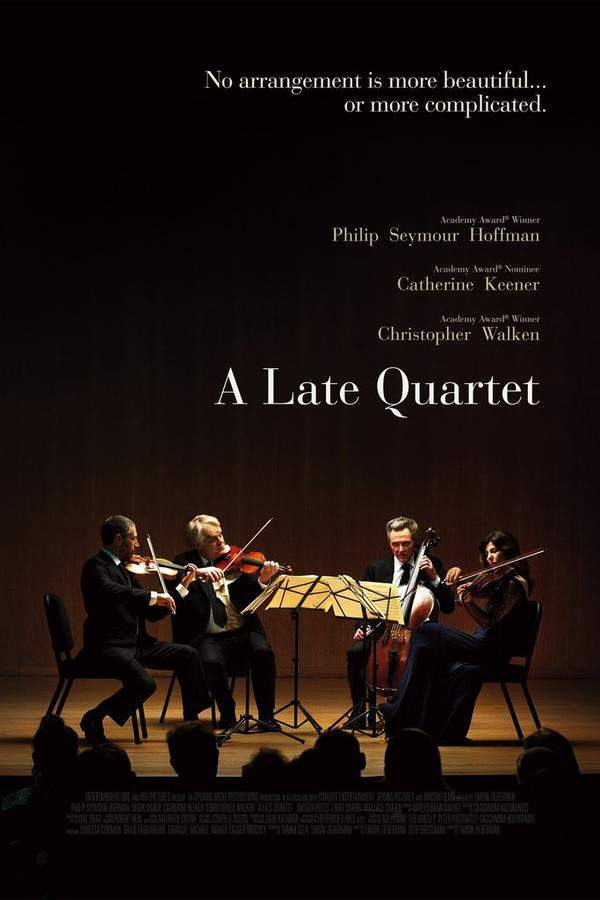


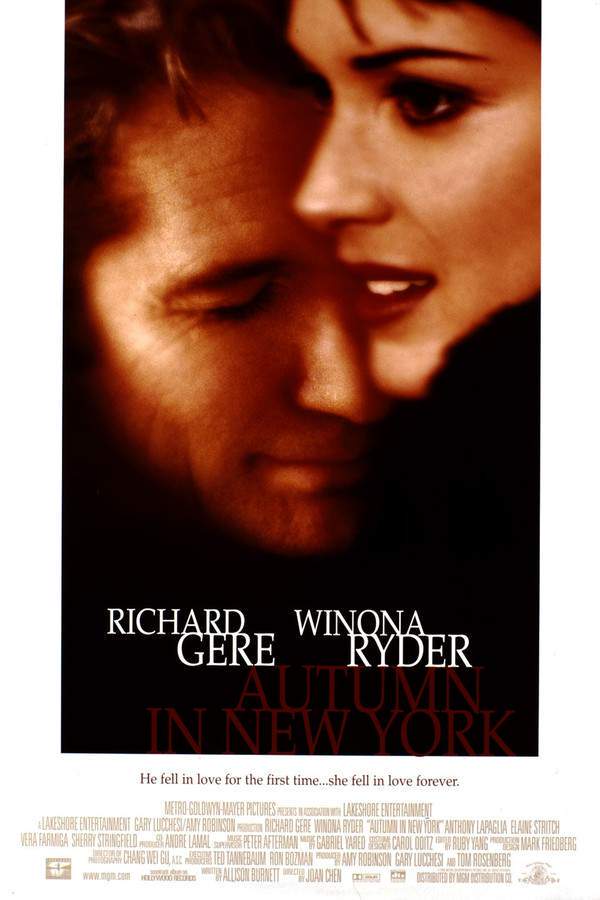
Featured on this page

What's After the Movie?
Not sure whether to stay after the credits? Find out!
Check out our other apps:

SAT Sphere
Build confidence for the Digital SAT.

Mori Atlas
Discover wild places worth protecting.

Luntero
Search smarter for a home in Amsterdam.

Plot Explained
Unravel movie endings and hidden clues.

Pokechamp
Dive into Pokémon data and battle logic.

Driving Theory
Get ready for your European theory test.

Movie Dust
Plan your next cinema trip with ease.

Musemap
Find art and culture as you travel.

Selkobase
Compare credentials before committing.

Local Manual
Turn an unfamiliar country into practical next steps.

Lernavi
Compare school systems before your next move.

GymRoam
Find a workout stop wherever your plans take you.
Explore Our Movie Platform
New Movie Releases (2026)
Famous Movie Actors
Top Film Production Studios
Movie Plot Summaries & Endings
Major Movie Awards & Winners
Best Concert Films & Music Documentaries
Movie Collections and Curated Lists
© 2026 What's After the Movie. All rights reserved.
Privacy Policy