What Is City Hall About?
The premise of City Hall in 292 words, with nothing given away. The full story follows below.
In the restless pulse of New York City, a single tragic accident rattles the fragile balance between public service and shadowed power. The incident, centered around a child’s sudden loss, ignites a chain reaction that forces the city’s leadership to confront the hidden currents beneath its glossy façade. The film paints a weary, rain‑slick metropolis where every street corner seems to whisper secrets, and the ordinary rhythm of municipal life is suddenly underscored by an uneasy tension that hints at far‑reaching consequences.
At the heart of the investigation is Kevin Calhoun, the deputy mayor whose polished exterior masks a fierce dedication to uncovering the truth. Guided by a blend of bureaucratic savvy and personal conviction, she navigates the corridors of City Hall with a mixture of reverence for democratic ideals and a growing awareness of the compromises that keep the machine running. Opposite her, John Pappas, the charismatic mayor, embodies the public face of the administration—charismatic, ambitious, yet increasingly aware of the weight of expectation that sits upon his shoulders.
Supporting them are figures who represent the tangled web of law, crime, and politics: Eddie Santos, a seasoned NYPD detective; Tino Zapatti, a man from the city’s underworld; Marybeth Cogan, a pragmatic lawyer striving to protect those caught in the crossfire; Frank Anselmo, a seasoned political boss whose influence reaches deep into the boroughs; and Walter Stern, a judge whose role hints at the judiciary’s fragile independence. Together they populate a world where loyalty is tested, moral lines blur, and every decision carries the promise of reform—or the danger of deeper entanglement. The tone remains a gritty, atmospheric political thriller, inviting viewers to wonder how far a single pursuit of justice can ripple through a city built on both ambition and compromise.
What Happens in City Hall?
The complete story of City Hall, from the first scene to the last, in 660 words (about 3 minutes). Spoilers throughout. Names in the text link to 4 cast member pages.
Spoilers ahead
New York City Mayor John Pappas, Al Pacino, finishes a public speech as his admiring deputy mayor Kevin Calhoun, John Cusack, watches and serves as the scene’s narrator. The moment sets the stage for a city-wide reckoning that will test loyalty, truth, and power as the narrative threads pull taut around crime, politics, and reform.
Across a busy Brooklyn street, NYPD Detective Eddie Santos [Richard Schiff] and mob figure Tino Zapatti open fire in a deadly confrontation that ends with both men killed, a tragedy compounded by a stray bullet that strikes a 6-year-old boy. The immediate fallout hardens the sense that violence and corruption have seeped into every corner of city life, from the most public displays of authority to the quiet corners of family life.
Tino Zapatti is described as the nephew of mob boss Paul Zapatti, and questions are immediately raised about why he was ever released on probation. The uproar forces Deputy Mayor Calhoun to pivot from narration to action as he begins a formal investigation intent on uncovering the truth behind the body count and the murky ties binding crime to politics. Internal Affairs signals its own agenda, aiming to present Santos as a dirty cop, while the Detective’s Endowment Association lawyer Marybeth Cogan Bridget Fonda does her best to shield Santos’s family and becomes a wary ally to Calhoun as the inquiry deepens.
Calhoun’s pursuit of the truth soon leads him to Frank Anselmo Anthony Franciosa, a Brooklyn political boss who maintains influential connections to the Zapatti family. In a calculated maneuver, Anselmo plants money at Zapatti’s urging to frame Santos, a move that intertwines legal jeopardy with the city’s criminal networks and suggests a larger conspiracy at work. Undeterred, Calhoun and Cogan persist, drawing on a wide range of sources—including Santos’s partner and another Zapatti relative—as they piece together how the pieces fit.
The investigation takes a darker turn with the murder of probation officer Larry Schwartz, which becomes the catalyst that reveals a larger pattern: Judge Walter Stern [Martin Landau] is suspected of receiving illegal income. The scandal pressures Mayor Pappas to demand Stern’s resignation, framing a crucial moment where civic duty clashes with personal survival and political calculation. The strain intensifies as Zapatti directs Anselmo to die by suicide rather than face informant pressure or a jail sentence, a stark example of how fear can shape decisions at the highest levels of power.
In a painful turn of events, Anselmo shoots himself to protect his family, a moment that jolts Calhoun into a sharper realization of how far the city’s web of influences has stretched. His investigation reveals that Stern’s judgeship rested on a bribe delivered by Anselmo on behalf of the Zapattis, with Pappas named as the mastermind behind the scheme. The revelation leaves Calhoun reeling and positions him at a crossroads: expose the rot or stay within a system that rewards quiet complicity.
Shocked and disheartened, Calhoun tells Pappas that he must resign, a plea that strains their professional bond and personal loyalties. Pappas, while eager to fight the impending fallout, recognizes the integrity of Calhoun’s stance and ultimately yields, accepting the need for accountability even at the expense of his own legacy. The moment crystallizes a larger question about leadership, responsibility, and the costs of reform in a city where power often speaks louder than the truth.
With the smoke of scandal beginning to clear, Calhoun pivots decisively toward a future in public service, setting his sights on the city’s political map once more. He announces his run for New York City’s 6th City Council district, vowing to dedicate himself to honest governance and to building a city where transparency and reform can take root. In the end, the story remains a portrait of a city under pressure—a place where investigations, bribes, loyalties, and a citizen’s clear-eyed pursuit of the greater good collide in a drama that asks whether true change is possible within the machinery of power.
City Hall Timeline: Every Key Event in Order
15 key events in the order they happen, from “Pappas's public speech and Calhoun's narration” to “Calhoun shifts toward reformist politics”. 15 events name a place, across 14 locations.
- 1
Pappas's public speech and Calhoun's narration
New York City Mayor John Pappas delivers a public address while Deputy Mayor Kevin Calhoun watches and narrates the scene. The speech frames the political crisis that will unfold and foreshadows the scrutiny to come. The moment establishes the close but uneasy dynamic between the mayor and his deputy.
When:opening scene Where:City Hall / public square
- 2
Santos and Zapatti amid a fatal shootout
In a Brooklyn street corner, NYPD Detective Eddie Santos and mob figure Tino Zapatti exchange fire and are killed in a deadly shootout. A stray bullet from Zapatti's gun also kills a 6-year-old boy, shocking the city and deepening the scandal. The tragedy becomes the catalyst for the ensuing investigation.
When:midday Where:Brooklyn street corner
- 3
Outrage prompts an internal inquiry
With the public outrage mounting, Deputy Mayor Calhoun launches an internal inquiry to contain the fallout. He navigates political risk as officials face escalating corruption allegations. The investigation signals that the mayoral team will be forced to confront uncomfortable truths.
Where:City Hall / Calhoun's office
- 4
Internal Affairs targets Santos
Internal Affairs seeks to portray Santos as a dirty cop, aiming to undermine him. Marybeth Cogan, lawyer for the Detective's Endowment Association, works to shield Santos's family and becomes Calhoun's reluctant ally. The clash between law enforcement and political interests intensifies.
Where:Internal Affairs / police offices
- 5
Calhoun follows a lead to Anselmo
Calhoun's investigation leads to Frank Anselmo, a Brooklyn political boss with ties to the Zapatti family. The connection suggests a broader web of corruption linking city politics to organized crime. Calhoun begins to map how money and influence flow through Anselmo and his associates.
Where:Brooklyn political circles
- 6
Anselmo plants money to frame Santos
Anselmo arranges to plant money at Zapatti's direction to frame Santos. The move shows how deeply the conspiracy manipulates evidence to derail the investigation. Calhoun and Cogan press on despite these obstructions.
Where:Anselmo's operations
- 7
Pursuing truth from multiple sources
Calhoun and Cogan seek truth from Santos's partner and another Zapatti relative, triangulating lies and loyalties. Their inquiries reveal a wider network of influence and the difficulty of separating truth from power. The process deepens the investigation but also heightens danger for the investigators.
Where:Various locations
- 8
Murder of Larry Schwartz shifts the investigation
The murder of probation officer Larry Schwartz intensifies the probe and pushes investigators to pursue a link to the judiciary. They begin connecting irregular income to Judge Walter Stern and the Zapatti network. The event propels the case from police corruption toward a systemic scandal.
Where:Brooklyn / probation office area
- 9
Stern's illicit income comes to light
Calhoun and Cogan conclude that Judge Walter Stern is receiving illegal income, tying the judge's position to the Zapatti family and their associates. The revelation expands the scandal into the judiciary, challenging the legitimacy of the legal system. Mayor Pappas is drawn into the implications of this corruption.
Where:City / judiciary
- 10
Pappas orders Stern to resign
Mayor Pappas agrees that Stern must resign in the wake of the bribery revelations. The decision aims to restore some measure of accountability and political viability. Calhoun's insistence on integrity underscores the moral pivot in the story.
Where:City Hall
Show the other 5 events of City Hall Hide the last 5 events
- 11
Zapatti pressures Anselmo toward self-destruction
As the net tightens, Zapatti instructs Anselmo to die by suicide rather than become an informant or face jail. The mob darkly leverages loyalty and fear to eliminate a potential witness. Anselmo takes the deadly step to protect his family’s future.
Where:Anselmo's residence / hideout
- 12
Anselmo commits suicide
Anselmo shoots himself, removing a key insider from the investigation and underscoring the lethal costs of the city’s corruption. The act serves as a grim reminder of the stakes faced by those who oppose the powerful. Investigators lose a potential source of crucial information.
Where:Brooklyn
- 13
New evidence ties Stern's judgeship to a bribe
Calhoun uncovers that Stern owes his judgeship to a bribe delivered by Anselmo on behalf of the Zapattis to keep Tito out of jail. The finding implicates the mayor’s circle in manipulating the system. The revelation reframes the crisis as a direct assault on the integrity of the judiciary.
Where:City Hall / judiciary
- 14
Calhoun confronts Pappas and pressure to resign
Calhoun confronts Pappas and states that he must resign from office. Although Pappas wants to fight the imminent scandal, he admires Calhoun's integrity and ultimately concedes. The exchange marks a turn toward accountability and political recalibration.
Where:City Hall
- 15
Calhoun shifts toward reformist politics
In the aftermath, Calhoun announces his bid for New York City's 6th City Council district, signaling a transition from investigation to political reform and leadership. He commits to making the city a better place through public service. The arc closes on a hopeful note for reform-minded governance.
Where:New York City
Who Are the Main Characters in City Hall?
8 characters, among them John Pappas (Al Pacino), Kevin Calhoun (Richard Schiff) and Eddie Santos (John Cusack): who each one is and the part they play in the story. Every profile links to the actor’s page.
-
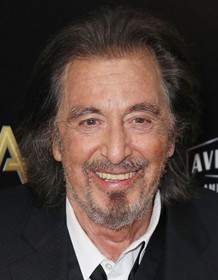
John Pappas (Al Pacino)
Played by Al Pacino
The city’s mayor, publicly charismatic but entangled in a scheme to protect the powerful. He engineers political arrangements that shield allies, yet he admires Deputy Mayor Calhoun’s integrity. His resignation at the height of the scandal underscores a belief that leadership requires accountability.
- 🎭 Ambition
- 🗳️ Politics
- 💼 Corruption
-

Kevin Calhoun (Richard Schiff)
Played by Richard Schiff
The deputy mayor and narrator who pursues the truth behind the scandal. He is principled and relentless, navigating political pressure while aiming to reform the system. His investigation pushes him toward public service in a bid to restore trust.
- 🕵️ Investigation
- 🏛️ Politics
- 💡 Integrity
-
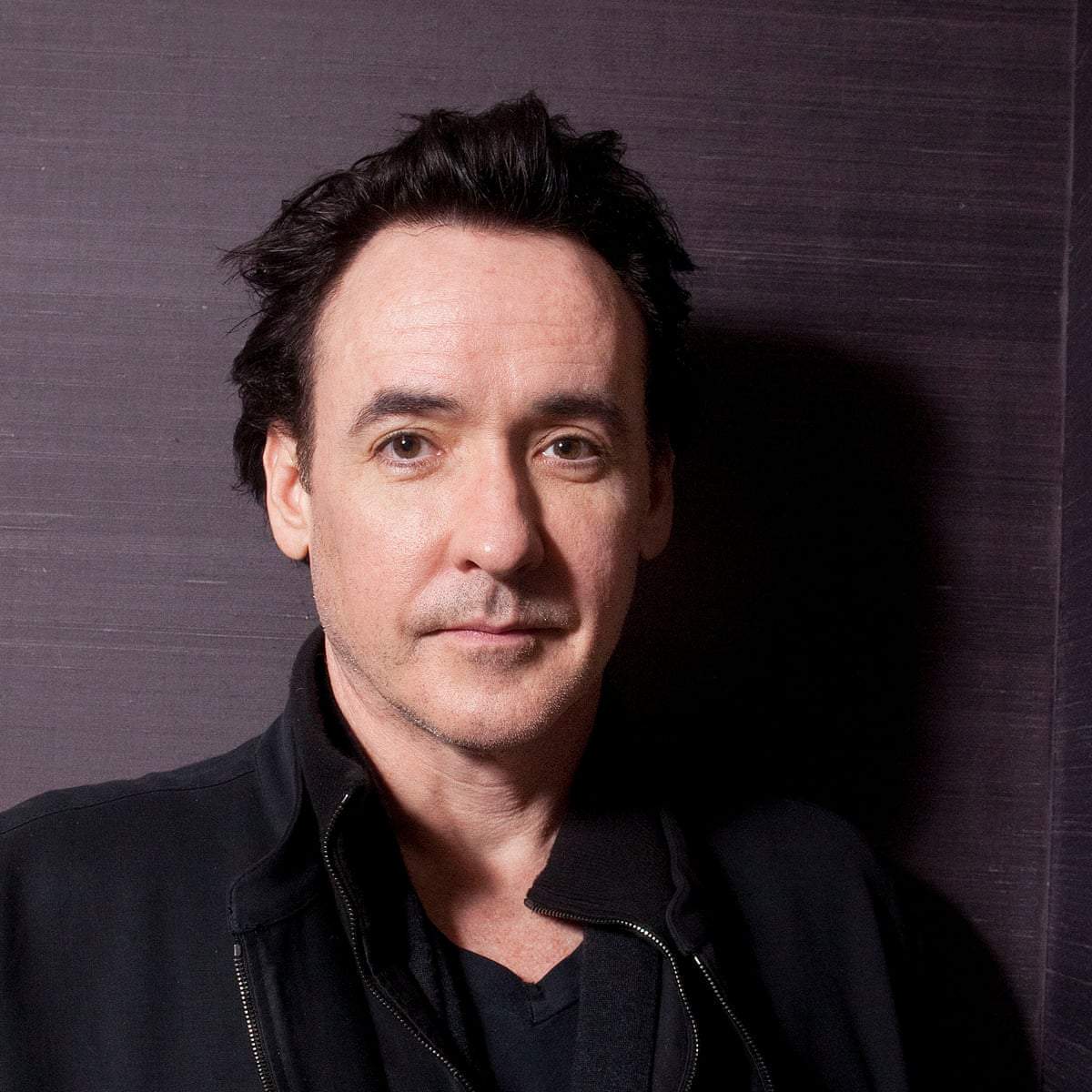
Eddie Santos (John Cusack)
Played by John Cusack
An NYPD detective caught in IA’s smear campaign, trying to prove his innocence while protecting his family. He embodies the tension between personal loyalty and the duty to expose corruption. His fate becomes a test of whether the system can be trusted to vindicate the honest.
- 🕵️ Detective
- ⚖️ Justice
- 💫 Loyalty
- TZ
Tino Zapatti (Nestor Serrano)
Played by Nestor Serrano
A mob figure and nephew of the Zapatti family who becomes a focal point of the criminal network’s leverage. His actions and ultimate fate in the Brooklyn shootout illustrate how organized crime intertwines with politics. His death amplifies the drive for reform and truth.
- 💣 Mob
- 💥 Violence
- 🧭 Fallout
-
Paul Zapatti ( Anthony Franciosa)
Played by Anthony Franciosa
A Brooklyn-based mob boss who influences politics and the judiciary through bribery and intimidation. He frames opponents to protect his family’s interests and to maintain control over the criminal-political ecosystem.
- 💼 Boss
- 💰 Bribery
- 🗃️ Influence
-

Marybeth Cogan (Bridget Fonda)
Played by Bridget Fonda
Lawyer for the Detective’s Endowment Association who defends Santos’s family and becomes Calhoun’s reluctant ally. She balances legal ethics with the brutal realities of political maneuvering, pushing for accountability.
- ⚖️ Legal
- 🛡️ Protection
- 🧠 Strategy
-
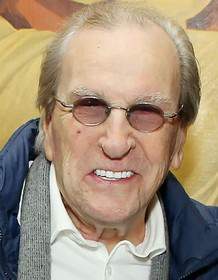
Frank Anselmo (Danny Aiello)
Played by Danny Aiello
A Brooklyn political boss who orchestrates schemes to frame Santos and protect the Zapattis. Facing pressure, he ultimately chooses self-preservation over cooperation, killing himself to avoid jail or informing.
- 🏛️ Politics
- 🧪 Intrigue
- 💣 Corruption
-
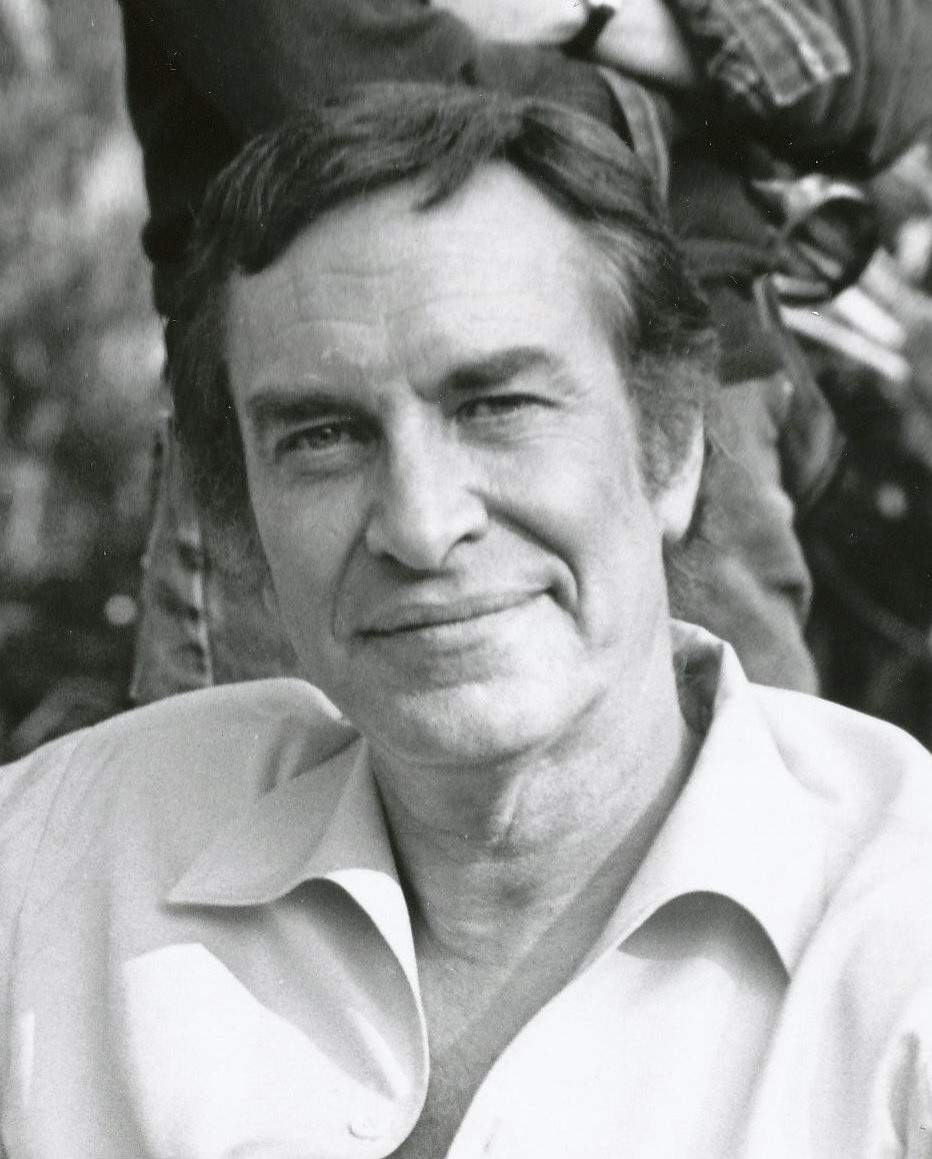
Judge Walter Stern (Martin Landau)
Played by Martin Landau
A judge whose seat is maintained through a bribe delivered by a political broker, linking him to the Zapattis’ scheme. His compromised position reveals how institutions can be bought, undermining justice.
- ⚖️ Justice
- 🏛️ Institutions
- 💸 Bribery
Where and When Is City Hall Set?
City Hall is set in New York City and Brooklyn (Mid-1990s). Here is why the time and place matter to the story.
When
Mid-1990s
Set in the mid-1990s New York City, the film frames a period of heightened scrutiny of corruption and municipal affairs. The era's media climate and political reform debates provide the backdrop for investigations, scandals, and power struggles within City Hall.
Where
New York City, Brooklyn
The story unfolds across New York City, centering on City Hall and the city's political landscape. A Brooklyn street corner shootout reveals how crime and governance intertwine in this urban environment. The setting highlights the tension between public duty and private interests in a dense, working metropolis.
- 🏙️ Urban setting
- 🗳️ City politics
- 🗞️ Media
What Are the Themes of City Hall?
3 ideas the story keeps returning to, among them Corruption, Media and Justice.
-
01
Corruption
The narrative centers on systemic corruption at City Hall, where bribery and mob influence steer decisions behind the scenes. Characters wrestle with loyalty, self-interest, and the cost of integrity in a web of political machination.
-
02
Media
Media narratives and Internal Affairs investigations shape public perception and pressure officials. The story shows how press coverage, leaks, and investigations influence incentives and accountability.
-
03
Justice
The pursuit of truth pits investigators and reform-minded officials against entrenched power. The arc tracks whether honesty can overcome corruption, and the personal costs of seeking accountability.
What Kind of Film Is City Hall?
Tense in tone, with steady pacing and a complex story, going by the plot summary.
- Tone
- Tense
- Pacing
- Steady
- Story
- Complex
- Intensity
- High
- Ending
- Bittersweet
A tense and morally complex political thriller that steadily builds anxiety as a dedicated investigator uncovers a web of corruption, forcing difficult choices in a gritty urban landscape.
- anxious
- serious
- investigative
- gripping
- morally conflicted
- gritty
- political corruption
- crime investigation
- government conspiracy
- scandal
Content notes: child death, suicide, gun violence, political corruption.
Where to Watch City Hall
Stream it on Kanopy and Plex, or rent or buy it from Amazon Video and Apple TV Store. US availability and prices from JustWatch.
 Kanopy
  Plex
Plex  Plex Channel
  The Roku Channel
  Tubi TV




Streaming availability in the US, powered by