
Circumstantial Evidence 1945

Directed by

Michael O'Shea
Made by

20th Century Fox
Circumstantial Evidence Plot Summary
Read the complete plot summary and ending explained for Circumstantial Evidence (1945). From turning points to emotional moments, uncover what really happened and why it matters.
On a tense day in a small town, Joe Reynolds [Michael O’Shea] confronts Kenny [Ben Welden], a cantankerous baker who has confiscated his son’s toy hatchet; Kenny is killed in the scuffle. Three witnesses testify that they saw Joe raise the hatchet, and the court convicts him, sentencing Joe to death based on their testimony.
On death row, Sam Lord [Lloyd Nolan], the town mailman who coordinates youth activities, believes in Joe’s innocence and arranges a boys’ boxing match that includes Joe’s son, with the governor [John Hamilton] and a prominent judge [John Eldredge] in attendance. After the match, several of the boys stage a fake incident mirroring the murder to show how easily witnesses can misread what they see. The governor and judge are moved and indicate that Joe’s case deserves a review, granting a stay of execution.
Unaware of these developments, Joe seizes a chance to escape by forcing his way into the prison’s medical ward and secretly leaving on a ship with an assumed identity, aided by an accomplice. When he reaches town, he learns that clemency may be possible and is forced at gunpoint by Sam to slip back into the prison.
Just as capture seems likely, a visit from the doctor [Edward Earle] arrives, and the charges are dismissed, allowing Joe to be reunited with his son.
Circumstantial Evidence Timeline
Follow the complete movie timeline of Circumstantial Evidence (1945) with every major event in chronological order. Great for understanding complex plots and story progression.
Confrontation at the bakery
Joe Reynolds confronts Kenny the baker over a confiscated toy hatchet belonging to his son. A scuffle ensues during which Kenny is killed. Three witnesses later claim to have seen Joe raise the hatchet, forming the basis of the murder charge.
Trial and death sentence
In court, the eyewitness testimony leads to Joe's conviction and a death sentence. Joe maintains that Kenny died when his head struck an oven, insisting on his innocence. The judge’s decision hinges on the credibility of the witnesses.
Death row and denied appeals
Joe remains on death row as his appeals for a retrial are denied. The legal process appears stacked against him despite lingering doubts about what actually happened. Time is running out as the execution looms.
Sam Lord's boxing plan
Sam Lord, the town mailman and youth organizer, believes in Joe’s innocence and arranges a boys’ boxing match featuring Joe’s son. The event is attended by the governor and a prominent judge, aiming to draw attention to the case. The crowd presence signals potential reconsideration.
The fake incident to test witnesses
After the boxing match, several boys stage a fake incident mirroring the murder to show how easily witnesses can misread events. The governor and judge are moved by the demonstration and push for a case review.
Stay of execution
Following the public demonstration, the governor grants a stay of execution while the case is reviewed. Joe’s fate remains suspended as new doubt enters the process. The stay offers a glimmer of potential exoneration.
Escape attempt via the medical ward
Unaware of the boxing stunt, Joe seizes an opportunity to escape by forcing his way into the prison’s medical ward. An accomplice arranges for him to secretly depart town on a ship under an assumed identity. The escape sets off a tense race to avoid recapture.
Escape to a new identity
Joe secretly leaves town aboard a ship, assuming a new identity as part of a broader escape plan. The attempt hinges on slipping away before the authorities can act on the stay of execution.
Coerced return to prison
Upon reaching town, Joe learns there may be a clemency chance. At gunpoint, Sam accompanies him as the men urge him to sneak back into prison, fearing the potential fallout of a public escape.
Doctor's visit and turning point
Joe reaches the medical ward just in time for an unexpected visit from the doctor. The presence and information from the doctor begin to undermine the prosecution’s case and shift the momentum toward release.
Charges dismissed and reunion
With new information, the charges against Joe are dismissed. He is finally reunited with his son, closing the chapter of a wrongful conviction and offering a hopeful future.
Circumstantial Evidence Characters
Explore all characters from Circumstantial Evidence (1945). Get detailed profiles with their roles, arcs, and key relationships explained.
Joe Reynolds (Michael O'Shea)
A man condemned to death based on eyewitness claims who maintains his innocence. His desperation is tempered by a stubborn hope that the truth will surface. He attempts an escape, but ultimately the charges are dismissed and he is reunited with his son.
Sam Lord (Lloyd Nolan)
The town mailman who believes Joe's innocence and champions a public display of evidence. He coordinates the boxing match that gathers officials and voters, using it as a catalyst for a potential retrial. His actions reveal the power of community advocates to challenge official judgments.
Kenny (Ben Welden)
The cantankerous baker whose altercation with Joe triggers the fatal chain of events. Though ordinary, he becomes a catalyst for the misunderstanding that drives the trial. His role underscores how a single moment can define a lifetime for all involved.
Gov. Hanlon (John Hamilton)
The governor who attends the boxing event and is moved by the community’s demonstration, granting a stay of execution. His decision marks the potential turning point toward clemency and review. He embodies the political weight that mercy can carry in a case of doubt.
Judge White (John Eldredge)
A prominent judge who witnesses the boxing demonstration and participates in reconsidering the case. He represents the legal authority that is capable of bending under public pressure toward justice. His involvement signals a more open path to mercy and review.
Doctor (Edward Earle)
The prison doctor who visits Joe in the medical ward, playing a pivotal role in the medical ward’s accessibility for Joe’s return. His presence becomes a catalyst for Joe’s eventual exoneration and the resolution of the charges.
Prosecutor (Reed Hadley)
The state's prosecutor who helped secure the original conviction. His role underscores the formal side of the case and the consequences of prosecutorial decisions. His perspective anchors the legal process that is later tested by new evidence and public pressure.
Circumstantial Evidence Settings
Learn where and when Circumstantial Evidence (1945) takes place. Explore the film’s settings, era, and how they shape the narrative.
Time period
Mid-20th century
The events unfold in a mid-20th-century American town where capital punishment and legal appeals drive the plot. There is a focus on courtroom theatrics, procedural delays, and the role of public figures like the governor in influencing justice. Social norms of the era emphasize order, authority, and communal action in resolving disputes.
Location
Small Town
Set in a close-knit American town with a working courthouse and a town jail, the setting places judges and officials at the center of life-or-death decisions. The town's public spaces—courts, a prison ward, and a local boxing gym—become stages for the drama. The close community amplifies how witnesses and authorities shape outcomes.
Circumstantial Evidence Themes
Discover the main themes in Circumstantial Evidence (1945). Analyze the deeper meanings, emotional layers, and social commentary behind the film.
⚖️
Justice
The film centers on death-row consequences based on eyewitness claims and the possibility of misreading a crime. The story questions whether three witnesses truly prove guilt or if memory and perception can corrupt truth. It highlights the fragile line between guilt and innocence in a high-stakes legal system.
🕊️
Redemption
Sam Lord's organizing of a youth boxing event becomes a vehicle for mercy, showing how ordinary citizens can influence official decisions. The boxing match reveals how public demonstrations can sway governors and judges toward reconsidering a case. Mercy and second chances emerge as central motives.
🗳️
Witness & Perception
The narrative exposes how witnesses' perceptions drive verdicts and how a dramatic stunt can expose flaws in testimony. The film underscores that justice depends not only on evidence but also on how a crowd interprets it. It suggests that truth can be obscured by pressure, spectacle, and haste.

Coming soon on iOS and Android
The Plot Explained Mobile App
From blockbusters to hidden gems — dive into movie stories anytime, anywhere. Save your favorites, discover plots faster, and never miss a twist again.
Sign up to be the first to know when we launch. Your email stays private — always.
Explore the mobile appCircumstantial Evidence Spoiler-Free Summary
Discover the spoiler-free summary of Circumstantial Evidence (1945). Get a concise overview without any spoilers.
In a tight-knit community where neighbors are quick to judge, a sudden tragedy sets the stage for a harrowing examination of the justice system. Joe Reynolds, a regular man with everything to lose, finds himself ensnared in a nightmare when he is accused of a brutal crime he insists he did not commit. The atmosphere is heavy with the weight of condemnation, as the town and the courts seem satisfied with a narrative of guilt built on shaky ground. Facing the ultimate penalty, Joe stands at the mercy of a system that believes it has found its culprit, leaving him on death row with few options and fading hope.
The case against him appears formidable, hinging on the testimony of witnesses who believe they saw the truth. Yet, the film probes the reliability of perception, asking how easily an innocent man can be convicted on little more than circumstance and assumption. The premise sets up a tense conflict between the letter of the law and the spirit of justice, exploring the terrifying ease with which a life can be forfeit. As the execution date draws near, the tension mounts, painting a portrait of a society grappling with the consequences of its own certainty.
Standing against the tide is Sam Lord, a local postman and friend who refuses to accept the finality of the verdict. Along with Joe’s son, he becomes a beacon of resistance in a dark time, determined to unearth the facts that were overlooked in the rush to judgment. Their struggle is not just a legal battle but a moral crusade, driven by the desperate need to prove that what the witnesses saw was not the whole story. As they fight to dismantle the circumstantial evidence, they must navigate a labyrinth of legal hurdles and public opinion, hoping to save Joe before time runs out.
Movies with Similar Twists and Themes
Uncover films that echo the narrative beats, emotional arcs, or dramatic twists of the one you're exploring. These recommendations are handpicked based on story depth, thematic resonance, and spoiler-worthy moments — perfect for fans who crave more of the same intrigue.
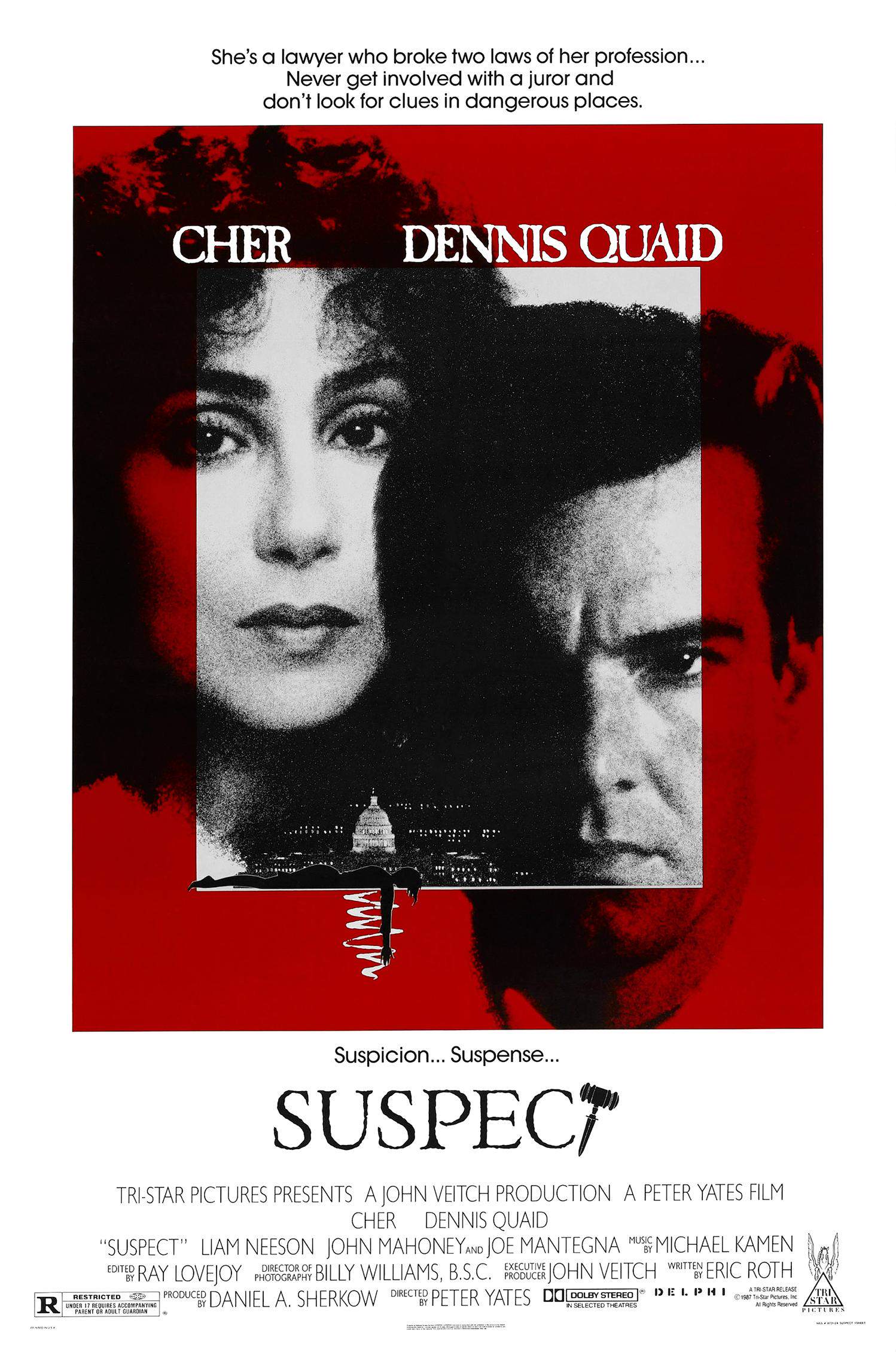


Featured on this page

What's After the Movie?
Not sure whether to stay after the credits? Find out!
Check out our other apps:

SAT Sphere
Build confidence for the Digital SAT.

Mori Atlas
Discover wild places worth protecting.

Luntero
Search smarter for a home in Amsterdam.

Plot Explained
Unravel movie endings and hidden clues.

Pokechamp
Dive into Pokémon data and battle logic.

Driving Theory
Get ready for your European theory test.

Movie Dust
Plan your next cinema trip with ease.

Musemap
Find art and culture as you travel.

Selkobase
Compare credentials before committing.

Local Manual
Turn an unfamiliar country into practical next steps.

Lernavi
Compare school systems before your next move.

GymRoam
Find a workout stop wherever your plans take you.
Explore Our Movie Platform
New Movie Releases (2026)
Famous Movie Actors
Top Film Production Studios
Movie Plot Summaries & Endings
Major Movie Awards & Winners
Best Concert Films & Music Documentaries
Movie Collections and Curated Lists
© 2026 What's After the Movie. All rights reserved.
Privacy Policy