



Chandni Bar Plot Summary
Read the complete plot summary and ending explained for Chandni Bar (2001). From turning points to emotional moments, uncover what really happened and why it matters.
Mumtaz Tabu is a naive young woman from a rural background who endures the brutal aftermath of communal riots—the loss of her family and the destruction of her village. With only her uncle left as family, she travels to Mumbai where poverty closes in on every corner. Her uncle pushes her to become a dancer at Chandni Bar, insisting that this is only temporary and that a real job will follow. She is reluctant, but the harsh reality of their situation leaves her little choice, and she begins to dance and flirt to survive. Yet her uncle does not keep his word; he siphons off her earnings, drinks away what little money they have, and never secures a job for himself. The bar becomes the only world she knows, a place where she both endures and endures through.
One night, after a bout of drinking and revelry among the bar’s dancers, Mumtaz’s uncle rapes her. The violation shatters her, and she confides in the other women who work at Chandni Bar. They offer quiet empathy, and she learns that many other women carry similarly painful histories. Despite the pain, she steels herself and continues to perform, determined to carve out a path that might lead to something steadier than the life she’s currently living. The bar becomes a crucible in which she tests her limits, inching forward day by day.
Mumtaz’s fortunes shift when a gangster named Pottya Sawant notices her. Atul Kulkarni portrays the man who tries to lure her with something more than money. He tempts her, regards her past with interest, and finally offers support in exchange for her body as a form of sex work. She cannot go through with the act and reveals to him the rape she endured. Enraged by what he learns, Pottya kills her uncle and then marries Mumtaz. She leaves Chandni Bar behind, but Pottya’s power and reach quickly elevate him through the criminal ranks. The couple builds a life together with their son, Abhay, and daughter, Payal, and Mumtaz dreams of educating them and shielding them from the world she knows all too well.
Pottya’s volatile temper and bold violence strain their life. He kills a police informant to protect his own position, a move that splinters his alliances and makes him a target for law enforcement. A high-stakes crackdown culminates in his capture and a police operation designed to wipe out Mumbai’s gang networks, leaving Mumtaz to confront a shattered household and a debt that Pottya never fully cleared. With money in short supply, she discovers that Pottya’s debts live on, and she is compelled to return to Chandni Bar to make ends meet.
Years roll on, and Mumtaz has grown into a steady, if worn, presence at Chandni Bar, now serving as a waitress and the emotional anchor for two teenagers. She fosters a home where education matters and where her children might escape the shadows of crime. Abhay is bright and studious, but he slips into the wrong circle and is arrested for extortion. He is held in a juvenile facility, and the weight of his surname—Pottya’s son—casts a long shadow over his pleas of innocence. In the prison’s harsh environment, he is assaulted by older inmates, an atrocity that leaves him scarred.
Mumtaz races from one appointment to another, seeking help from influential people who can secure her son’s release. The price they demand is steep, and with no other option, she borrows against her body to raise the funds. When even that does not suffice, Payal steps forward—she begins dancing at Chandni Bar and delivers the money her mother needs to free Abhay. The relief is bitter, as Mumtaz notices a troubling transformation in Abhay: the warmth of a boy who once dreamed of education is replaced by a cold, calculating ruthlessness. He acquires a gun and uses it to avenge the abuse he suffered and the life that has warped him, killing the boys who raped him.
The film closes on a sobering note. Mumtaz’s life has become a cycle of sacrifice and resilience, and the family’s path remains shadowed by the world they inhabit. It’s implied that Payal’s future may echo her mother’s choices, while Abhay appears to be treading a path that mirrors Pottya’s criminal legacy. The story remains a stark meditation on survival, memory, and the costs of a society that feeds on vulnerability.
Chandni Bar Timeline
Follow the complete movie timeline of Chandni Bar (2001) with every major event in chronological order. Great for understanding complex plots and story progression.
Rural riots force Mumtaz to leave home
A naive young woman from a rural village endures the aftermath of communal riots that destroy her family and home. With only her uncle for family, she travels to Mumbai where he pushes her into Chandni Bar as a temporary solution. He siphons off her earnings and never secures a real job for himself.
Uncle pushes Mumtaz into Chandni Bar
In Mumbai, her uncle pushes her to become a dancer at Chandni Bar, insisting it’s only temporary. He siphons off her earnings and drinks away what little money they have, never securing a real job for himself.
Chandni Bar becomes her world
Chandni Bar becomes her survival system as she endures exploitation and peril to keep herself afloat. She dances, flirts, and endures the rough edges of bar life while the outside world tightens its grip. The bar is both refuge and trap, shaping her decisions day by day.
Rape and the sisterhood of dancers
One night, after revelry, her uncle rapes Mumtaz, shattering her sense of safety. She confides in the other women who work at Chandni Bar, who offer quiet empathy and reveal their own painful histories. The incident steels her resolve to continue performing and survive.
Pottya Sawant notices her
A gangster named Pottya Sawant spots Mumtaz and begins courting her with promises beyond bar life. He tempts her with support in exchange for her body as sex work, but she reveals the rape she endured, enraging him. This confrontation propels a dramatic shift in their relationship.
Pottya kills the uncle and marries Mumtaz
Enraged by her disclosure, Pottya kills Mumtaz’s uncle and then marries her. The couple’s power grows as they navigate the criminal underworld, and Mumtaz leaves Chandni Bar behind. They start a family, hoping to build a steadier life for Abhay and Payal.
Family life and the dream of education
Years pass as Mumtaz tends to a household with two teenagers while guiding them toward education and a chance to escape crime. Pottya’s volatile temper and violent tendencies strain the marriage and threaten their fragile stability. Mumtaz remains the emotional anchor, keeping hope alive for Abhay and Payal.
Abhay is arrested for extortion
Abhay, once bright and hopeful, is arrested for extortion and sent to a juvenile facility. In the harsh environment, he is assaulted by older inmates, leaving him scarred both physically and emotionally. The family name shadows his pleas for help.
Borrowing against her body to pay debts
With money in short supply, Mumtaz borrows against her body to raise funds, paying steep prices for help to free Abhay. The exploitative costs threaten her dignity and safety as she negotiates the price of survival. The burden weighs heavily on her as debts linger.
Payal starts dancing to help
Payal steps forward to dance at Chandni Bar, delivering the money needed to secure Abhay’s release. Her willingness to take on Mumtaz’s burden marks a shift in the family’s resilience and the transfer of risk to the next generation. The bar remains their lifeline, for better or worse.
Abhay is released and turns ruthless
Abhay is freed but returns with a hardened, calculating ruthlessness. He acquires a gun and uses it to avenge the abuse he suffered and the life that has warped him, turning his trauma into violence. The cycle of violence threatens to consume Mumtaz’s family from within.
Cycle of sacrifice continues
The film closes on a sobering note, with Mumtaz continuing to endure for her children despite the costs. Payal’s future remains uncertain, and Abhay seems to follow a criminal path inspired by Pottya’s world. The story remains a meditation on survival, memory, and the price of vulnerability.
Chandni Bar Characters
Explore all characters from Chandni Bar (2001). Get detailed profiles with their roles, arcs, and key relationships explained.
Mumtaz P. Sawant (Tabu)
A village girl turned survivor who travels to Mumbai to escape ruin. She endures a brutal rape and uses her resilience to support her family, becoming the emotional anchor for her children while navigating exploitation in Chandni Bar and beyond.
Potya Sawant (Atul Kulkarni)
A hot-tempered gangster who notices Mumtaz and rises through the criminal ladder by violence and manipulation. He marries Mumtaz after killing her uncle, but his volatile temper keeps the family in constant danger and under threat from law enforcement.
Abhay Sawant
Potya and Mumtaz's son who grows up amid crime and repression. After a prison assault, he becomes wary and ruthless, using a gun to avenge past abuses and stepping into a morally compromised path.
Payal Sawant
Mumtaz's daughter who helps support the family by dancing at Chandni Bar, artfully navigating danger to fund her brother's release. Her growth hints at the next generation's struggle to escape the cycle of exploitation.
Chandni Bar Settings
Learn where and when Chandni Bar (2001) takes place. Explore the film’s settings, era, and how they shape the narrative.
Location
Rural village, Mumbai
The story begins in a rural village scarred by communal riots, pushing the protagonist toward upheaval. Mumbai serves as the harsh urban backdrop where poverty and crime mold the characters' fates. The city is depicted as a place of risk and survival rather than glamour.
Chandni Bar Themes
Discover the main themes in Chandni Bar (2001). Analyze the deeper meanings, emotional layers, and social commentary behind the film.
💪
Survival
Mumtaz navigates exploitation and uses Chandni Bar as a space to endure and regain some control over her life. The film portrays how vulnerability can be transformed into resilience through daily acts of courage. Sacrifice for her children and a longing for stability drive her choices in a hostile environment.
💔
Trauma
The rape and violence inflicted by family and criminal worlds leave deep scars that shape later decisions. The women in Chandni Bar support each other and share their pain, revealing the social costs of exploitation. Trauma becomes a catalyst that both constrains and motivates survival strategies.
🎭
Crime & Power
Gangs and corrupt networks exert control over the city, pressing vulnerable women into servitude or crime. Potya Sawant embodies the volatility of power, rising through the ranks even as violence looms over his family. Law enforcement actions threaten the criminal underworld and force a tense balance between protection and coercion.

Coming soon on iOS and Android
The Plot Explained Mobile App
From blockbusters to hidden gems — dive into movie stories anytime, anywhere. Save your favorites, discover plots faster, and never miss a twist again.
Sign up to be the first to know when we launch. Your email stays private — always.
Explore the mobile appChandni Bar Spoiler-Free Summary
Discover the spoiler-free summary of Chandni Bar (2001). Get a concise overview without any spoilers.
In the restless neon glow of Mumbai’s back‑streets, the city’s underbelly throbs with music, money and the unspoken rules of survival. Dance bars pulse like hidden sanctuaries where the ordinary and the illicit intertwine, offering a fragile refuge for those who have nowhere else to turn. The film paints this world in muted tones, trading sparkle for the gritty textures of cracked pavement, smoky rooms and the ever‑present hum of a metropolis that never truly rests.
* Mumtaz * arrives from a shattered rural life, carrying the weight of loss and the hope of a fresh start. She is taken in by * her uncle *, a man whose promises of a better future quickly dissolve into the harsh reality of poverty. Pressed to join the rotating troupe at Chandni Bar, she steps onto a stage where performance is both livelihood and armor, navigating a space populated by women who have forged their own rules to endure the city’s relentless pressures.
Within the bar’s dim corridors, whispers of the wider underworld drift in, hinting at powerful figures who move unseen behind the music. A charismatic gangster takes notice, embodying the seductive pull of power that looms over the dancers’ lives. Yet Mumtaz remains anchored by a quiet resolve, determined to carve a path that might one day lead beyond the bar’s flashing lights.
The narrative balances the starkness of daily struggle with moments of fragile hope, as Mumtaz dreams of education, stability and a future for the children she will later raise. The atmosphere is one of relentless endurance, where each night at the bar is both a test of spirit and a testament to the resilience of those who refuse to be defined solely by the shadows around them.
Movies with Similar Twists and Themes
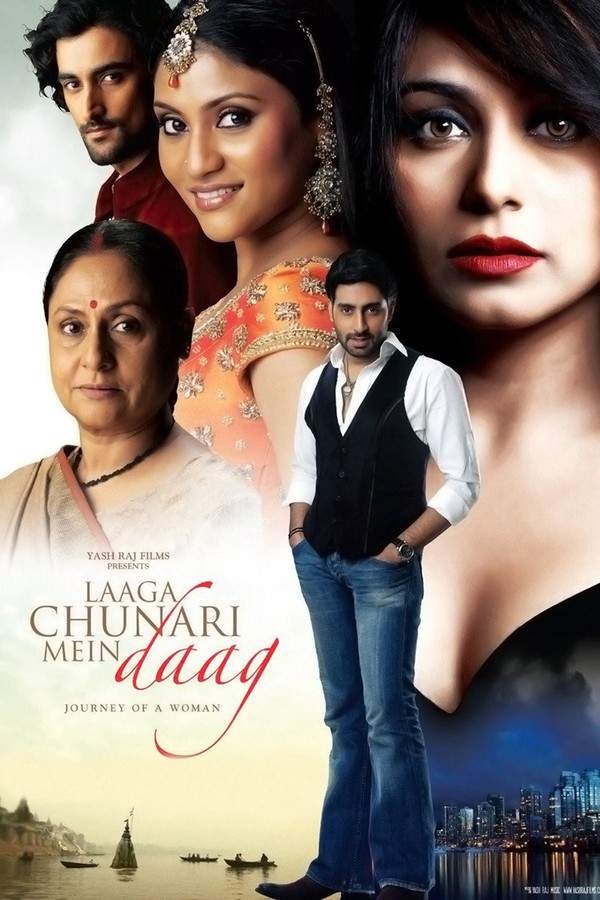
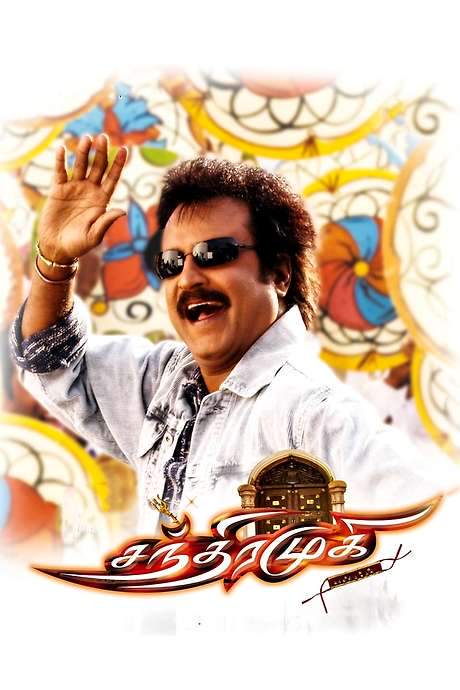
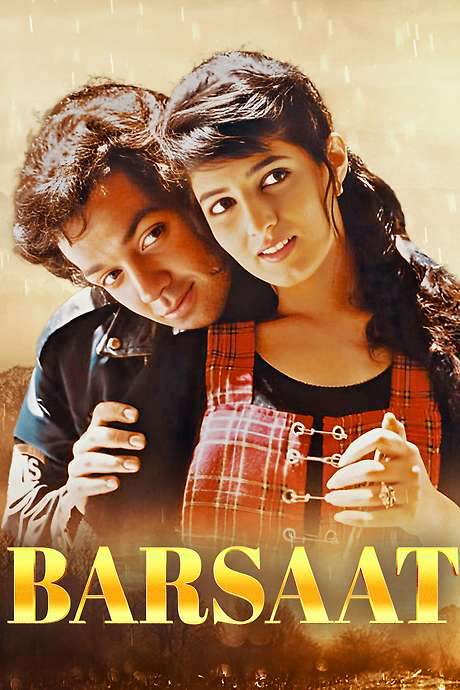
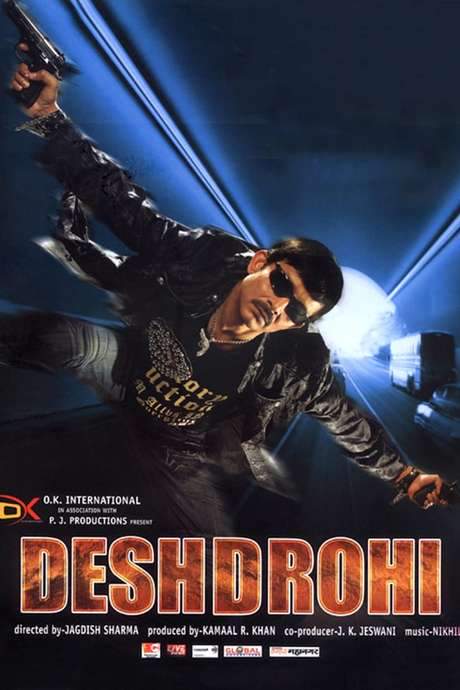
Uncover films that echo the narrative beats, emotional arcs, or dramatic twists of the one you're exploring. These recommendations are handpicked based on story depth, thematic resonance, and spoiler-worthy moments — perfect for fans who crave more of the same intrigue.






Featured on this page

What's After the Movie?
Not sure whether to stay after the credits? Find out!
Check out our other apps:

SAT Sphere
Build confidence for the Digital SAT.

Mori Atlas
Discover wild places worth protecting.

Luntero
Search smarter for a home in Amsterdam.

Plot Explained
Unravel movie endings and hidden clues.

Pokechamp
Dive into Pokémon data and battle logic.

Driving Theory
Get ready for your European theory test.

Movie Dust
Plan your next cinema trip with ease.

Musemap
Find art and culture as you travel.

Selkobase
Compare credentials before committing.

Local Manual
Turn an unfamiliar country into practical next steps.

Lernavi
Compare school systems before your next move.

GymRoam
Find a workout stop wherever your plans take you.
Explore Our Movie Platform
New Movie Releases (2026)
Famous Movie Actors
Top Film Production Studios
Movie Plot Summaries & Endings
Major Movie Awards & Winners
Best Concert Films & Music Documentaries
Movie Collections and Curated Lists
© 2026 What's After the Movie. All rights reserved.
Privacy Policy