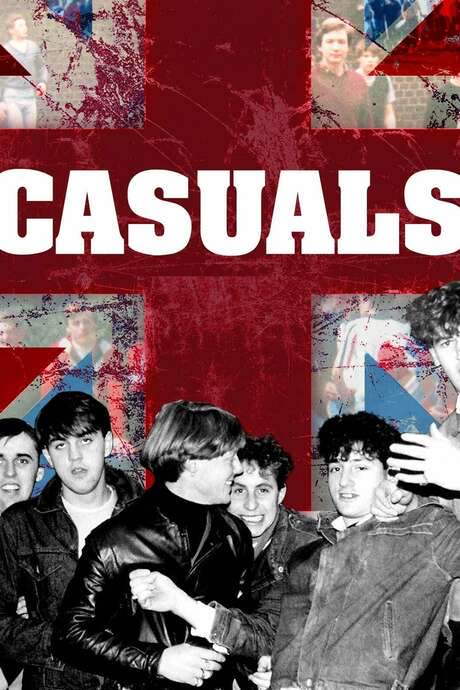



Casuals Plot Summary
Read the complete plot summary and ending explained for Casuals (2011). From turning points to emotional moments, uncover what really happened and why it matters.
Late 1ate 70s Britain was awash with a torrent of youth culture—punks, mods, skins, rockers, soulboys, greebos, rockabillys, new romantics, blitz kids, and more—yet one subculture rose to the top by linking football terraces with the world of fashion: the Casuals. This documentary dives deep into that seldom-charted movement, presenting it as more than a clash of styles. It traces how the Casuals grew from a terrace-born phenomenon into a powerful cultural force that influenced both streetwear and high fashion, shaping looks that would echo for years to come.
From humble beginnings rooted in subcultures like the soul boy scene, the Casuals drew inspiration from Jamaican dress and the laid‑back swagger of the era. The film charts a remarkable evolution: the early sportswear aesthetic that defined their daily wear gradually gave way to an upmarket designer sensibility, moving from practical gear to pieces associated with Armani and Stone Island. This shift is presented not as a marketing trend but as a living thread of identity—a continuous thread that connects past and present fashion consciousness.
Although violence associated with the movement is acknowledged, the documentary treats it as an undercurrent rather than the defining feature that the press often fixates on. The film emphasizes that the Casuals’ world was about more than confrontation: it was a complete lifestyle—music, fashion, swagger, attitude, and a fierce zest for life. There was a shared sense of anger toward “the machine,” authority, and the policing of youth culture, but also a strong sense of community and mutual respect among friends and rivals alike.
What makes this documentary particularly engaging is its method. The director takes us on a coast‑to‑coast journey across Scotland, Wales, London, Liverpool, and Manchester, gathering voices from the scene itself. Rather than relying on a single presenter, the film lets the people who lived the movement tell their stories—movers and shakers, as well as teenagers who were part of the culture. This approach gives the narrative a vivid immediacy, drawing a broader, more nuanced picture of daily life, personal ambitions, and communal rituals.
The result is a rich, multi‑voiced portrait of the UK during a turbulent era—economically challenging, politically charged, and socially vibrant. It captures how fashion and football intersected with music, youth politics, and urban life, offering insights that resonate beyond fashion history. The documentary stands as a fascinating snapshot of a moment when youth culture asserted itself with confidence and style, leaving an imprint on both subcultural and mainstream culture.
Fans of football culture, sneaker enthusiasts, fashionistas, and social‑studies students will find this film especially enlightening. It not only documents a movement but also invites reflection on how subcultures shape identity, belonging, and the way a society understands youth. In a concluding voice that lingers after the screen fades, the documentary reminds viewers that the Casuals were more than a dress code or a trend—they were a decisive statement of youth potential and a lasting influence on fashion and culture.
Bob Morris, April 2021
Casuals Timeline
Follow the complete movie timeline of Casuals (2011) with every major event in chronological order. Great for understanding complex plots and story progression.
Origins of the Casuals
The film traces the Casuals as a late-70s youth movement that sprang from terraces and subcultures like soul boys. It shows how their style evolved from Jamaican-influenced dress and weed culture into a distinctive sportswear look. This origin story sets the stage for the movement's cultural influence on fashion and attitude.
From soul boys to designer looks
The Casuals transition from casual sportswear to upmarket designer labels such as Armani and Stone Island. The film traces the incremental shift in wardrobe as a sign of status, swagger, and unity. This evolution illustrates how fashion became a language for the movement.
The undercurrent of violence
While the press framed them as mindless thugs, the documentary presents violence as an undercurrent within a broader youth culture. It emphasizes that the scene was about life, music, swagger, and attitude, and a resistance to authority. The film avoids glamorizing aggression, instead showing how these elements fit the movement's identity.
Music, swagger and attitude
The landscape was defined by music and swagger, with DJs and club culture driving the terrace scenes. The film shows how attitudes toward 'the machine' and the police shaped daily life and interactions. It presents these traits as core to the Casuals' identity rather than sensationalized violence.
Across the UK: a national snapshot
The crew travels from Scotland to Wales to London to Liverpool and Manchester, gathering voices from different regions. This geographic sweep captures how the movement manifested differently while sharing a common fashion and ethos. The documentary uses these journeys to illustrate the national scope of Casual culture.
Interviews: the voices of the scene
The director lets movers, shakers, and teens tell their stories directly. This approach avoids a single presenter and gives authenticity to the narrative. Viewers gain firsthand context for how the scene lived and felt.
Youth-led media and fashion influence
DJs, fanzine runners, and fans are shown as central players in the movement. Their youth drives the pace of fashion, music, and underground press. The film highlights how youth leadership kept the scene evolving.
Fashion's cross-pollination with high street
The Casuals' sportswear look gradually morphed into both upmarket and designer aesthetics, a continuum the film traces to the present. It shows the fashion line from streetwear to recognizable labels. This evolution underlines the movement's lasting influence on fashion culture.
Cultural and economic context
The documentary situates the Casuals within the political, social, and economic climate of late-70s Britain. It shows how youth culture responded to economic hardship and authority structures. The film connects street style to the broader societal currents of the time.
Reception and legacy
Among football fans, sneakerheads, fashionistas, and students, the documentary is a vivid snapshot of a moment and its impact. It emphasizes the lasting influence on fashion and subcultures beyond football terraces. The film invites viewers to reassess the movement's legacy.
Documentary style
The film eschews a presenter in favor of direct interviews, letting participants shape the narrative. This stylistic choice invites viewers to draw their own connections between fashion, music, and social life. It creates a more intimate, crowd-sourced portrait of the Casuals.
A last true youth movement
The film argues the Casuals may represent the last true youth movement, with youth at the forefront of cultural expression. It celebrates energy, subculture, and a defiance of the machine. The piece frames the movement as a distinct historical moment in British culture.
Casuals Characters
Explore all characters from Casuals (2011). Get detailed profiles with their roles, arcs, and key relationships explained.
Gary Aspden
Himself in the documentary, Gary Aspden shares memories from the Casuals scene and discusses how street fashion and football culture intersected. He reflects on the movement’s energy, swagger, and its ongoing influence on both high fashion and streetwear. His perspective anchors the film’s exploration of late 1970s youth culture.
Cass Pennant
Himself in the documentary, Cass Pennant recounts personal experiences within the Casuals scene and the social dynamics of clubs, terraces, and fashion. He discusses how identities were formed through style, music, and allegiance, offering insight into the movement’s community. His memories highlight the interpersonal networks that sustained the subculture.
Peter Hooton
Himself/Narrator, Peter Hooton provides guiding commentary and contextual framing for the film. He shares anecdotes that connect interviews, scenes, and historical backdrop, helping viewers understand the Casuals’ place in late 70s Britain. As narrator, he helps knit together diverse voices into a cohesive narrative.
Jonny Owen
Himself in the documentary, Jonny Owen speaks from within the scene, recounting experiences and memories tied to the Casuals. He discusses how youth culture, fashion, and attitude formed a shared identity among peers. His contributions add texture to the film’s portrait of community and tension.
Garry Bushell
Himself in the documentary, Garry Bushell offers perspective on how the Casuals movement interacted with music and media. He reflects on the public perception of the scene and its underground influence. His part contributes an insider view of the era’s cultural currents.
Paolo Hewitt
Himself in the documentary, Paolo Hewitt shares memories related to the Casuals, touching on music, fashion, and youth culture. He discusses the cross-pollination of subcultures and how the movement influenced broader cultural scenes. His insights help situate Casuals within a wider historical context.
Pat Nevin
Himself in the documentary, Pat Nevin contributes reflections on the social and cultural dimensions of the Casuals scene. He discusses how fashion and football intersected to shape identity and community. His memories illuminate the lived experience of youth during that era.
Ian Hough
Himself in the documentary, Ian Hough speaks about his experiences within the Casuals and the role of fashion in creating group identity. He highlights personal stories from terraces and events that defined the movement. His perspective adds to the film’s mosaic of voices.
Tony Graham
Himself in the documentary, Tony Graham discusses the social environment that produced the Casuals and how the scene navigated class, politics, and style. He shares anecdotes that emphasize camaraderie and collective energy. His contribution helps illustrate the human side of the subculture.
Riaz Khan
Himself in the documentary, Riaz Khan offers his recollections of being part of the Casuals and the way fashion, music, and peer groups intertwined. He highlights how the movement bridged different social circles. His stories add depth to the film’s portrayal of youth culture.
Nic Dunnaway
Himself in the documentary, Nic Dunnaway shares memories of the Casuals and their evolving style. He discusses the interplay between streetwear and designer influences that defined the era. His account contributes a personal slice of the subculture’s history.
Robert Wade Smith
Himself in the documentary, Robert Wade Smith reflects on the Casuals’ social dynamics and the role of fashion in forming group identity. He recalls experiences on the terraces and at gatherings that illustrate the movement’s energy. His memories enrich the film’s oral history.
Ricky Magowan
Himself in the documentary, Ricky Magowan recounts personal stories from the Casuals era, including fashion choices and peer networks. He discusses the scene’s sense of belonging and its clash with authorities. His testimony adds to the collective memory of the movement.
Chris Donnelly
Himself in the documentary, Chris Donnelly shares experiences within the Casuals, focusing on how fashion and music shaped social life. He reflects on community bonds and the tensions that accompanied the movement. His contribution helps map the subculture’s human landscape.
Mick Robinson
Himself in the documentary, Mick Robinson speaks about the Casuals from a firsthand perspective, detailing the interactions between fans, clubs, and fashion. He emphasizes the movement’s vitality and its enduring influence on street style. His memories round out the portrait of the era.
Bev Thompson
Herself in the documentary, Bev Thompson offers female perspectives within the Casuals milieu, highlighting participation, fashion, and social life. She discusses how gender interacted with the subculture’s norms and expectations. Her insights provide a broader view of the community dynamic.
Martin Pel
Himself in the documentary, Martin Pel recounts involvement in the Casuals and how the movement intersected with music scenes and fashion trends. He shares memories of gatherings, style choices, and the sense of belonging among peers. His stories contribute to the documentary’s tapestry of voices.
Bob Morris
Himself in the documentary, Bob Morris reflects on the Casuals era, describing the social atmosphere, fashion evolution, and the group’s attitudes. He talks about the thrill of belonging to a youth-driven movement and the challenges faced from authority. His reflections help illuminate the scene’s lasting impact.
Phil Thornton
Himself in the documentary, Phil Thornton shares personal anecdotes from the Casuals scene, focusing on how fashion, music, and social networks intersected. He discusses the sense of identity and the collective energy of the movement. His account adds depth to the movie’s historical record.
Neil Primett
Himself in the documentary, Neil Primett offers recollections from the Casuals era, including style choices and community gatherings. He describes the atmosphere of youth culture and the persistence of subcultural pride. His perspective enriches the portrait of the time.
Phil Tucker
Himself in the documentary, Phil Tucker discusses his involvement in the Casuals and the role of fashion in shaping group identity. He recalls the interplay between street life and designer influences. His memories help map the era’s distinctive style landscape.
Ravi Grewal
Himself in the documentary, Ravi Grewal shares experiences from within the Casuals scene, highlighting how fashion and social networks formed a sense of belonging. He discusses the movement’s energy and its impact on peers. His testimony adds another layer to the movement’s collective memory.
Jason Reeves
Himself in the documentary, Jason Reeves reflects on his time in the Casuals, focusing on personal memories of fashion choices and social circles. He describes the camaraderie and the tensions that came with belonging to a youth movement. His account contributes to the film’s multi-voiced history.
Nick Serjeant
Himself in the documentary, Nick Serjeant recounts involvement in the Casuals and the ways fashion and music shaped group identity. He shares anecdotes about the scene’s dynamics and its legacy. His perspective helps illustrate the era’s community spirit.
Mab Jiwa
Himself in the documentary, Mab Jiwa offers a first-hand account from within the Casuals, describing experiences on the streets and in social spaces that defined the movement. He discusses the importance of belonging, style, and shared attitudes. His memories contribute to the documentary’s broader historical mosaic.
Casuals Settings
Learn where and when Casuals (2011) takes place. Explore the film’s settings, era, and how they shape the narrative.
Time period
Late 1970s
Set in late 1970s Britain, a period of economic and social change that shaped youth culture. The film places the Casuals within a landscape of club nights, football terraces, and fashion trends that defined an era. The tensions with authority and a rising sense of youth identity provide the backdrop for the movement’s energy.
Location
Scotland, Wales, London, Liverpool, Manchester
The documentary travels across Scotland, Wales, London, Liverpool and Manchester, capturing local scenes from terraces to fashion venues. It shows how different cities contributed to the Casuals movement through on-the-ground interviews and street footage. The varied locales paint a nationwide snapshot of a youth culture in flux.
Casuals Themes
Discover the main themes in Casuals (2011). Analyze the deeper meanings, emotional layers, and social commentary behind the film.
🎭
Identity
The Casuals use fashion and swagger to build a sense of belonging and distinction. The film examines how clothing, stance, and attitude served as personal and group identifiers within a wider subculture. It highlights the importance of self-presentation in navigating peers, rivals, and authority.
🧥
Fashion
Fashion is shown as a language that communicates status, allegiance, and aspiration. The documentary tracks the shift from practical sportswear to high-end designer influences, illustrating how attire became a symbol of group identity. Clothing is presented as both armor and expression within the subculture.
✊
Youth & Rebellion
The movement embodies youthful energy, confidence, and a defiance of mainstream norms. The film portrays rebellion not merely as aggression, but as a zest for life, camaraderie, and resistance to ‘the machine’ and policing. It emphasizes a desire for autonomy in a changing society.
🗣️
Oral History
Interviews with DJs, fanzine runners, teens, and other movers preserve first-hand memories. The documentary relies on spoken testimonies to present a living history of the Casuals. It foregrounds diverse perspectives on fashion, violence, and community.

Coming soon on iOS and Android
The Plot Explained Mobile App
From blockbusters to hidden gems — dive into movie stories anytime, anywhere. Save your favorites, discover plots faster, and never miss a twist again.
Sign up to be the first to know when we launch. Your email stays private — always.
Explore the mobile appCasuals Spoiler-Free Summary
Discover the spoiler-free summary of Casuals (2011). Get a concise overview without any spoilers.
In the late 1970s Britain, a new kind of street tribe began to stitch its identity onto the terraces of football grounds, the alleyways of city centres, and the buzzing clubs that pulsed with dub and early hip‑hop. This movement—later dubbed the “Casuals”—borrowed the crisp lines of Jamaican‑inspired reggae fashions, then escalated into a daring mix of designer sportswear and high‑end tailoring that would ripple across Europe for decades. The documentary opens the door to that restless epoch, inviting viewers to wander through the grime‑kissed stadium stands of Liverpool, the neon‑lit streets of Manchester, and the gritty pubs of Glasgow, where style was both armor and anthem for a generation eager to rewrite the rules of youth culture.
The film’s tone balances reverent nostalgia with a sharp, investigative edge. Rather than deploying a conventional narrator, the director lets the voices of the era speak for themselves, creating a collage of anecdotes that feel simultaneously personal and communal. Interviews unfold against a backdrop of archival footage and flickering fanzine covers, letting the rhythm of the period’s music—dub, early techno, and the pounding chants of football crowds—underscore each recollection. This restrained storytelling approach maintains an inquisitive mood, hinting at the deeper social and economic forces that shaped the scene without ever reducing it to a simple saga of violence or rebellion.
Through the eyes of a former firm member who remembers the first stolen designer jackets, a fashion historian tracing the lineage from streetwear to runway, and a teenage sneaker‑head still cataloguing the iconic silhouettes, the documentary paints a vivid portrait of a subculture that was as much about swagger and solidarity as it was about clothing. Their testimonies reveal a world where music, attitude, and a disdain for authority intersected, forming a lifestyle that fed back into mainstream fashion and continues to echo in today’s street style. The result is a richly textured glimpse into a pivotal chapter of British youth history—one that feels as alive now as it did on the terraces three decades ago.
Featured on this page

What's After the Movie?
Not sure whether to stay after the credits? Find out!
Check out our other apps:

SAT Sphere
Build confidence for the Digital SAT.

Mori Atlas
Discover wild places worth protecting.

Luntero
Search smarter for a home in Amsterdam.

Plot Explained
Unravel movie endings and hidden clues.

Pokechamp
Dive into Pokémon data and battle logic.

Driving Theory
Get ready for your European theory test.

Movie Dust
Plan your next cinema trip with ease.

Musemap
Find art and culture as you travel.

Selkobase
Compare credentials before committing.

Local Manual
Turn an unfamiliar country into practical next steps.

Lernavi
Compare school systems before your next move.

GymRoam
Find a workout stop wherever your plans take you.
Explore Our Movie Platform
New Movie Releases (2026)
Famous Movie Actors
Top Film Production Studios
Movie Plot Summaries & Endings
Major Movie Awards & Winners
Best Concert Films & Music Documentaries
Movie Collections and Curated Lists
© 2026 What's After the Movie. All rights reserved.
Privacy Policy