
Carnival in Costa Rica 1947

Directed by
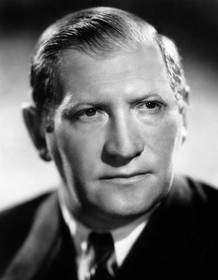
Gregory Ratoff
Made by

20th Century Fox
Carnival in Costa Rica Plot Summary
Read the complete plot summary and ending explained for Carnival in Costa Rica (1947). From turning points to emotional moments, uncover what really happened and why it matters.
When Luisa(/actor/vera-ellen), the daughter of the Molinas, returns from school in the United States to Costa Rica, she discovers her parents have arranged for her to marry Pepe Castro(/actor/cesar-romero), a family acquaintance she has never met. The news lands with a mix of confusion and ceremony, as the household prepares for a formal introduction of the couple. Pepe has just returned from the States, bringing with him his girlfriend, Celeste(/actor/celeste-holm), who plans to work in Costa Rica and make herself known to Pepe’s parents. The situation grows delicate: Pepe reveals to Celeste that he hasn’t yet told his father about Luisa, sparking Celeste’s suspicions and prompting him to explain the predicament without naming Luisa outright.
The Castros arrive for the visit, and the tension rises as Pepe tries to project a sense of sickness and exhaustion. He arrives wearing dark glasses and fakes a bad cold to buy time and keep the arrangement quiet from both families. Meanwhile, in the plaza by the Gran Hotel Estrada, Jeff Stephens(/actor/dick-haymes), an American coffee buyer, is wandering around after his evening flight is canceled. A breezy, almost fate-like flirtation unfolds as Jeff and Luisa cross paths in a lively Spanish-language world, and he quickly sweeps her off to the El Sestéo nightclub. There, Luisa spots Pepe dancing with Celeste in a scene that crackles with unintended irony. Overwhelmed and curious, Luisa bolts from the club, and Jeff follows as the fiesta atmosphere spills into a kind of spontaneous romance.
Back at the hotel, Jeff reconnects with Pepe, who speaks in hushed tones about his own dilemma but still avoids naming Luisa. The next morning, Jeff serenades a delighted Luisa at breakfast, sending flowers and asking her to meet him at his hotel by noon. As the couple walk toward a light luncheon, Luisa sees Pepe and his parents approaching from opposite directions and makes a quick exit by leaping onto a carnival float where Celeste is performing as “The Spirit of the Melon.” The moment underscores the clash between affection and tradition that threads through the story.
Later, still feigning illness, Pepe takes Luisa dancing again, and they encounter Jeff escorting Celeste. Celeste, discovering that Luisa is Pepe’s intended, tells her she could have Pepe if she wants him. The adults around them—parents on both sides—are introduced to Celeste and Jeff, and Jeff confesses to Luisa’s American-born mother that he is from Kansas. The situation grows more tangled as Father Rafael, a visiting priest, becomes a blunt narrator of cultural norms, cautioning Jeff about the conservative courtship traditions of Costa Rica and the way passion must be tempered by social expectations.
As doubts creep in, Jeff questions whether love between people from such different backgrounds can endure. The New Year’s Eve party becomes a focal point where fate and choice collide: Pepe insists that Jeff is leaving, and Luisa seems ready to be swept away by the moment. After a tense moment where Luisa disappears, the two families scramble to the hotel. There they discover Pepe has checked in with his new bride, but the truth—as the adults piece it together—unfolds in a surprising way: Pepe reveals that Jeff and Luisa are the ones truly in love, and rumors of elopement have circulated. The two fathers confront the confusion, only to be confronted by Mrs. Molina, who remains calm and practical in the face of swirling passions. In a quiet, decisive moment, she and her husband affirm their own consent: the boy from Kansas may marry the girl from Costa Rica.
In the end, the film’s thread of humor-softened romance remains intact as the families adjust to the evolving feelings of their children. The resolution hinges not on stubborn tradition alone but on a pragmatic, hopeful acknowledgment that love can bridge cultural divides. Throughout, the cast—led by the performances of Luisa(/actor/vera-ellen), Pepe Castro(/actor/cesar-romero), Celeste(/actor/celeste-holm), Jeff Stephens(/actor/dick-haymes), and Padre Rafael(/actor/nestor-paiva)—grounds the story in a warm, human tone. The result is a charming, emotionally resonant tale about youthful pursuit, parental concern, and the quiet power of consent and communication in the face of social expectations.
Carnival in Costa Rica Timeline
Follow the complete movie timeline of Carnival in Costa Rica (1947) with every major event in chronological order. Great for understanding complex plots and story progression.
Luisa returns home and discovers an arranged marriage
Luisa comes back from the United States to Costa Rica and learns her parents have arranged for her to marry Pepe Castro. Pepe has just returned from the States with his girlfriend Celeste, who plans to meet the family. The revelation sets up a clash between duty, tradition, and Luisa's own feelings.
Pepe and Celeste arrive; Pepe fakes illness; formal introduction
The Castros come to visit for the formal introduction. Pepe arrives wearing dark glasses and fakes a bad cold, while Celeste grows suspicious of the ruse. The staged illness underscores the deception surrounding the engagement.
Jeff meets Luisa at the Gran Hotel Estrada and escorts her to the nightclub
Jeff Stephens, the American coffee buyer, meets Luisa in the Gran Hotel Estrada area after learning his flight is canceled. He escorts her to the El Sestéo nightclub, and a dangerous attraction begins to bloom between them. The encounter kicks off a forbidden romance that crosses the couple's arranged engagements.
Luisa and Jeff fall in love during the fiesta on the Ferris wheel
During fiesta-time, Luisa spots Pepe dancing with Celeste, heightening the stakes. In a moment of thrill on a Ferris wheel ride, Luisa and Jeff realize they are falling in love despite the social constraints.
The morning serenade and the noon meeting invite
The next morning Jeff serenades Luisa at breakfast and sends her flowers, asking to meet him at his hotel by noon. Luisa rides the emotional wave of their new romance but is wary of Pepe's looming influence. The scene marks the romance becoming a real, conflicting choice.
Luisa escapes as Pepe and his parents approach
As Pepe and his parents approach from different directions, Luisa escapes by jumping onto a carnival float where Celeste is performing as the Spirit of the Melon. The escape relocates their drama to the public space of the plaza and the festive crowd. It also deepens Luisa's resolve to pursue her feelings despite looming consequences.
Pepe resumes the illusion of illness and dances with Luisa; Jeff pretends not to know her
Pepe resumes feigning illness and takes Luisa dancing, while Jeff pretends he doesn't know Luisa to avoid exposing their affair. Celeste discovers that Luisa is Pepe's intended, intensifying the pressure on Pepe to tell his father the truth. The tangled loyalties push the situation toward a confrontation.
Jeff reveals Kansas roots to Luisa's mother; Celeste pushes confession
Jeff reveals to Luisa's American-born mother that he is from Kansas, sharing his background with the Costa Rican family. Celeste pushes Pepe to tell his father the truth and end the charade before the wedding plans collapse. The revelation raises the stakes as cross-cultural differences and honesty collide.
New Year's Eve party deepens doubts about the cross-cultural romance
At the New Year's Eve party, Jeff begins to doubt the viability of a cross-cultural romance due to their different backgrounds. Father Rafael voices caution about Costa Rican courtship traditions and the need for a proper match. The scene crystallizes the cultural tension at the heart of the story.
Pepe tells Luisa that Jeff is leaving and the couple's fate becomes uncertain
During the party, Pepe tells Luisa that Jeff is leaving town, and Luisa disappears, leaving both families anxious. The sudden disappearance heightens the sense that something irreversible may be happening between Jeff and Luisa. The holiday celebration becomes a turning point in their choices.
The fathers confront the truth about Pepe, Celeste, and Luisa
The two fathers rush to the hotel, then to Luisa's home, expecting that Pepe and Luisa have eloped. Instead, Pepe reveals that he has married Celeste, while Jeff and Luisa are indeed in love and may have left together. The adults confront the reality of the couples' choices and their own roles in them.
Mrs. Molina grants consent for Jeff to marry Luisa; the future is secured
Mrs. Molina calmly states that she and Luisa's father have given consent for the Kansas-born Jeff to marry the Costa Rican Luisa. The revelation resolves the central tension between family duty and personal desire. The film closes on a cautious, hopeful note that love can prevail with family approval.
Carnival in Costa Rica Characters
Explore all characters from Carnival in Costa Rica (1947). Get detailed profiles with their roles, arcs, and key relationships explained.
Luisa Molina (Vera-Ellen)
Luisa returns from the United States to Costa Rica, where her parents arrange a marriage to Pepe Castro. She is charming, spirited, and torn between family duty and a growing love for Jeff. Her choices drive the romance and the comedic complications of the plot.
Pepe Castro (Cesar Romero)
Pepe is the Castros' son who tries to uphold the arranged match while juggling a secret romance with Luisa and Celeste's interference. He feigns illness to hide the situation from his father and family. His actions catalyze the misdirection and the eventual marriage twist.
Celeste (Celeste Holm)
Celeste is Pepe's American girlfriend who arrives in Costa Rica prepared to advance her own agenda. She suspects Luisa and becomes a rival in the romantic triangle. Her presence accelerates the clash between personal desire and social expectations.
Jeff Stephens (Dick Haymes)
Jeff is an American coffee buyer who falls for Luisa during a chance encounter in the plaza and at the El Sestéo nightclub. He embodies an open, modern approach to romance while navigating cultural differences. His Kansas roots surface as a bridge to Luisa's family and their expectations.
Papa Rico Molina (J. Carrol Naish)
Rico Molina is Luisa's protective father and the family patriarch who initially upholds traditional authority. He is surprised by the pace of romance and the possibility of cross-cultural happiness, and he must weigh his daughter's future against social norms.
Padre Rafael (Nestor Paiva)
Padre Rafael is the family priest who embodies conservative Catholic values and serves as the moral compass. He questions the rapid romance and influences how the families respond to the developing relationship. His guidance underscores the clash between faith, tradition, and modern love.
Mama Elsa Molina (Anne Revere)
Elsa Molina is Luisa's mother, an American-born matriarch who bridges cultures. She supports Luisa's happiness and navigates the tension between traditional Costa Rican expectations and the allure of a cross-cultural romance.
Papa Castro (Pedro de Cordoba)
Pepe's father, a stern patriarch who reinforces traditional values and reputation. He is initially skeptical of the cross-cultural romance but must contend with the reality of his son's choices and the possibility of happiness for his family.
Mama Castro (Mimi Aguglia)
Mama Castro is Pepe's mother, a guardian of family expectations who supports the arranged match while contending with the evolving romance. She plays a key role in maintaining family dynamics through the fiesta season.
Maria Molina (Barbara Whiting)
Maria Molina is Luisa's relative who participates in the Molina family's social world and observes the romance firsthand. She contributes to the family dynamics that influence Luisa's decisions.
Juan Molina (Tommy Ivo)
Juan Molina is a younger member of the Molina family who adds youthful energy to the fiesta scenes. He lightens the mood amidst the romance and family drama.
Carnival in Costa Rica Settings
Learn where and when Carnival in Costa Rica (1947) takes place. Explore the film’s settings, era, and how they shape the narrative.
Time period
Mid-20th century (late 1940s)
The story is set in a mid-20th-century Costa Rica, a period when travel between the United States and Central America was growing and traditional courting norms remained strong. Catholic ceremony and family approval heavily influence the characters' choices. The festive ambiance of the era offers a playground for romance, deception, and cross-cultural encounters.
Location
Costa Rica, Gran Hotel Estrada, El Sestéo nightclub, the plaza
Carnival in Costa Rica unfolds across a Costa Rican setting during fiesta season. The Molinas' home, the Gran Hotel Estrada, and the lively plaza provide the backdrop for romance, family negotiations, and social maneuvering. The El Sestéo nightclub and the carnival atmosphere mix Costa Rican culture with American influences, shaping the events and interactions of the characters.
Carnival in Costa Rica Themes
Discover the main themes in Carnival in Costa Rica (1947). Analyze the deeper meanings, emotional layers, and social commentary behind the film.
💞
Romance vs Tradition
Romance in Carnival in Costa Rica is tested by conservative courtship norms and strong family expectations. Pepe's arranged match with Luisa clashes with Luisa's growing feelings for Jeff, while Padre Rafael embodies tradition and questions the new love. The film uses the festive setting to explore whether love can override custom and parental consent. The resolution hinges on balancing duty with desire.
🎭
Deception and Masks
Characters employ disguises and half-truths to advance their romantic aims. Pepe pretends to be ill, Celeste manipulates situations, and the group engages in playful misdirection about who loves whom. The carnaval and hotel scenes turn social performance into comedy and tension. Deception drives the plot toward a surprising reconfiguration of couples at the year's end.
🌎
Cross-Cultural Romance
American visitors enter a Costa Rican social world, highlighting contrasts in dating norms, family involvement, and public propriety. Jeff embodies open, modern romance, while Luisa represents traditional Costa Rican values and propriety. The narrative uses these differences to explore compatibility, miscommunication, and the ultimate union that bridges two cultures. Parental consent becomes crucial to the final pairing.

Coming soon on iOS and Android
The Plot Explained Mobile App
From blockbusters to hidden gems — dive into movie stories anytime, anywhere. Save your favorites, discover plots faster, and never miss a twist again.
Sign up to be the first to know when we launch. Your email stays private — always.
Explore the mobile appCarnival in Costa Rica Spoiler-Free Summary
Discover the spoiler-free summary of Carnival in Costa Rica (1947). Get a concise overview without any spoilers.
In the balmy heart of a Costa Rican fiesta, the streets pulse with music, lantern‑lit parades and the promise of new beginnings. The city’s vibrant plazas and the historic Gran Hotel Estrada provide a kaleidoscopic backdrop where tradition and celebration sway together like partners in a slow dance, setting a tone that is both festive and tenderly intimate.
Luisa returns home from school in the United States, only to discover that her family has already begun planning her future with an arranged marriage. The prospect of joining lives with Pepe Castro, a familiar face from her parents’ social circle, introduces a quiet tension between filial duty and the yearning for personal choice. Their families, steeped in local customs, prepare for a formal introduction that feels as much like a ritual as a party.
Meanwhile, Jeff Stephens, an American coffee buyer whose flight has been delayed, wanders the lively streets and finds himself drawn into the same whirlwind of colors and rhythm. His chance encounter with Luisa hints at a different kind of melody—one that blends his Midwestern honesty with her bicultural perspective. Adding to the mix, Celeste, Pepe’s confident girlfriend, arrives with ambitions of making herself known to his family, while Padre Rafael serves as a gentle, outspoken reminder of the island’s deeply rooted courtship conventions.
Against a backdrop of serenades, carnival floats and the ever‑present scent of tropical fruits, these young adults navigate the delicate balance between expectation and desire. The film invites viewers to feel the heat of summer, hear the echo of guitars, and wonder whether love can flourish amid the colorful clash of ancient customs and modern longing.
Movies with Similar Twists and Themes
Uncover films that echo the narrative beats, emotional arcs, or dramatic twists of the one you're exploring. These recommendations are handpicked based on story depth, thematic resonance, and spoiler-worthy moments — perfect for fans who crave more of the same intrigue.

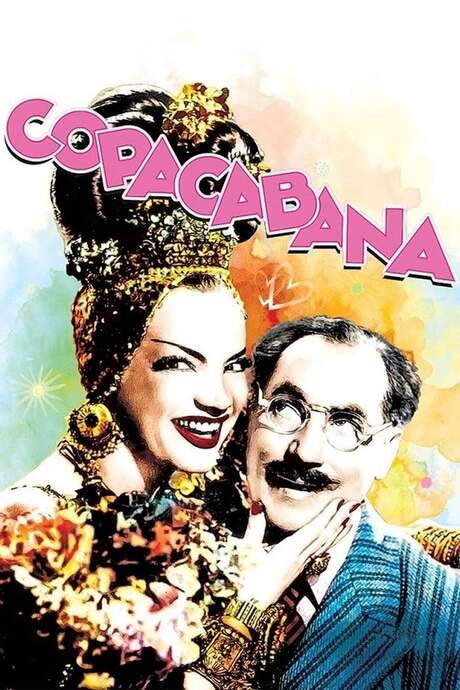

Featured on this page

What's After the Movie?
Not sure whether to stay after the credits? Find out!
Check out our other apps:

SAT Sphere
Build confidence for the Digital SAT.

Mori Atlas
Discover wild places worth protecting.

Luntero
Search smarter for a home in Amsterdam.

Plot Explained
Unravel movie endings and hidden clues.

Pokechamp
Dive into Pokémon data and battle logic.

Driving Theory
Get ready for your European theory test.

Movie Dust
Plan your next cinema trip with ease.

Musemap
Find art and culture as you travel.

Selkobase
Compare credentials before committing.

Local Manual
Turn an unfamiliar country into practical next steps.

Lernavi
Compare school systems before your next move.

GymRoam
Find a workout stop wherever your plans take you.
Explore Our Movie Platform
New Movie Releases (2026)
Famous Movie Actors
Top Film Production Studios
Movie Plot Summaries & Endings
Major Movie Awards & Winners
Best Concert Films & Music Documentaries
Movie Collections and Curated Lists
© 2026 What's After the Movie. All rights reserved.
Privacy Policy