
Calm Yourself 1935

Directed by
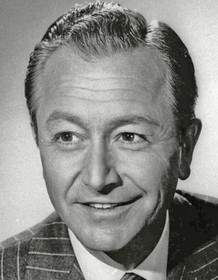
Robert Young
Made by

Metro-Goldwyn-Mayer
Calm Yourself Plot Summary
Read the complete plot summary and ending explained for Calm Yourself (1935). From turning points to emotional moments, uncover what really happened and why it matters.
Preston ‘Pat’ Patton [Robert Young] is fired from his advertising job by Col. Allenby [Claude Gillingwater] when he is caught kissing Allenby’s daughter, Mary Elizabeth Allenby [Betty Furness]. This sharp setback sparks a quirky new plan: Pat creates Confidential Services Incorporated, a one‑man operation that promises to help clients calm themselves in any situation. He becomes the sole employee and even pretends to be a female secretary on the phone, yet his ambitious scheme floods New York with his letters advertising the service.
On his first assignment, Pat quickly veers off course by delivering the wrong drunk to a wife’s bed, a blunder that sets off a chain of comic missteps. Prominent banker Kenneth S. Rockwell [Ralph Morgan], well aware of Pat’s deceptions, nonetheless likes the idea and hires him. Rockwell is juggling a complicated family situation: his first wife left almost twenty years ago with their three‑month‑old daughter Rosalind Rockwell [Madge Evans], and Rockwell has just remarried a younger wife. He has arranged to keep Rosalind away while he evaluates his new wife.
Pat meets Rosalind at the afternoon train and concocts a tale designed to push her away from Rockwell. He claims her father is ready to ship her back to California and paints a picture of the ill‑tempered Col. Allenby, while insinuating that Pat and Mary Elizabeth are engaged. Rosalind, overhearing the argument from the car but hearing nothing precise, loses interest in her father. With only $25 to her name and a stubborn desire to remain in New York, she agrees to become Pat’s secretary. Mary Elizabeth grows jealous, and the two women clash as Pat refuses to fire Rosalind.
What follows is a wild, tangled web of misadventure that pulls in a baby, a Great Dane, and the police, all swirling around Pat and Rosalind in a brisk, farcical rhythm. As the misunderstandings accumulate, Rosalind and her father slowly inch toward a reunion, and she discovers that his age and a disappeared California backstory don’t quite line up with the image she had of him. The moment of truth arrives when Rockwell is about to introduce Rosalind to her father; instead, Rosalind and Pat share a private, affectionate kiss, and Pat declares their plans to marry. Rosalind resists briefly, but Pat’s charm wins the day as he breaks into a warm, confident embrace, closing the story with a hopeful, comic promise.
Calm yourself!
Calm Yourself Timeline
Follow the complete movie timeline of Calm Yourself (1935) with every major event in chronological order. Great for understanding complex plots and story progression.
Patton is fired after kissing Mary Elizabeth
Col. Allenby catches Preston 'Pat' Patton kissing his daughter, Mary Elizabeth, and fires him from his job. The humiliation becomes the spark that inspires Pat to reinvent himself as the head of a new venture, Confidential Services Incorporated, a business that undertakes every kind of difficult task so that clients may calm themselves. He vows to make his own luck in New York despite the personal setback.
Patton launches Confidential Services Incorporated
Pat negotiates his new approach by pretending to be a female secretary to handle calls. He inundates the city with letters advertising his services, building a bold, if dubious, reputation. He becomes the sole employee of the company.
Patton's first assignment goes awry
On his first assignment, Pat delivers the wrong drunk to a wife's bed, triggering a cascade of comic misadventures. The mistake shows that his unorthodox methods can create more problems than they solve. The chaotic setup foreshadows the ensuing complications.
Rockwell hires Pat; sees potential despite deceit
Kenneth Rockwell summons Pat to his office. He is aware of Pat's deceits, yet he admires the cleverness of the letter and believes Pat can help him maneuver Rosalind.
Rosalind's backstory and arrival planned
Rockwell explains that his first wife took their three-month-old daughter Rosalind to California almost twenty years ago. He has since remarried and just received word that Rosalind will arrive by an afternoon train. The family dynamics set the stage for Pat's matchmaking ruse.
Pat meets Rosalind at the train
Pat meets Rosalind at the train and tells her her father is ready to ship her back to California. He uses a mix of charm and deception to position himself as her guide in New York.
A staged confrontation with Allenby on 6 pm
Pat describes her supposed engagement with Mary Elizabeth and takes Rosalind to Col. Allenby's building at 6 p.m. This timing sets up a heated quarrel with Allenby on the street as the colonel exits his office. The scene is the catalyst for Rosalind's growing skepticism about her father.
Rosalind loses interest in her father
Rosalind witnesses, but does not overhear, the argument from Pat's car and loses all interest in her father. The deception begins to backfire as she questions her father's role in the plan. The tension between the central players deepens.
Rosalind stays in New York as Pat's secretary
With only $25 and a wish to stay in New York, Rosalind agrees to become Pat's secretary to support herself. Pat's eccentric business arrangements become a makeshift family structure around her. This turn cements Pat's central role in Rosalind's life.
Mary Elizabeth's jealousy and quarrel
Mary Elizabeth grows jealous and their arrangement sparks a quarrel when Pat refuses to fire Rosalind. The tension among the trio edges toward a larger misadventure. Rockwell's desire to control the situation clashes with Pat's unconventional methods.
Comic misadventure escalates: baby, Great Dane and police
The trio becomes entangled in a comic misadventure that involves a baby, a Great Dane, and a police chase. The absurdity amplifies the chaos surrounding Pat's service scheme. The episode showcases the film's farcical tone.
Rosalind and Rockwell's reunion; not Allenby
Rosalind and her father finally meet, and she is relieved to discover he is not Col. Allenby. The moment softens her skepticism and suggests a possible reconciliation. It heightens the tension as Pat's influence grows.
Pat and Rosalind's kiss; engagement
Rockwell is about to introduce Rosalind to Pat, but the pair share a kiss instead. Pat proclaims they will be married, and Rosalind's reaction is hopeful but cautious.
Calm yourself! ending
Pat delivers his signature line, 'Calm yourself!' as the couple embraces. The film closes on a comic, affectionate ending that cements their impending marriage.
Calm Yourself Characters
Explore all characters from Calm Yourself (1935). Get detailed profiles with their roles, arcs, and key relationships explained.
Preston 'Pat' Patton (Robert Young)
A fired advertising executive who launches Confidential Services Incorporated and becomes its sole operator. He thrives on improvisation, using misdirection and impersonations to keep clients calm while chasing a romantic outcome. His charm and nerve propel the farce, even as his schemes threaten to unravel.
Rosalind Rockwell (Madge Evans)
Daughter of Kenneth S. Rockwell, she arrives in New York and gets swept up in Patton’s elaborate plans. She is pragmatic, curious, and gradually drawn to Patton, providing emotional balance to the plot’s chaos. Her interactions drive the central relationship arc.
Col. Allenby (Claude Gillingwater)
A stern, irascible authority figure who clashes with Patton. His rigid demeanor triggers much of the conflict, forcing Patton to improvise to keep the situation from spiraling out of control.
Mary Elizabeth Allenby (Betty Furness)
Col. Allenby’s jealous daughter who becomes entangled in the social dynamics surrounding Patton. Her reactions heighten misunderstandings while adding a layer of romantic tension to the farce.
Kenneth S. Rockwell (Ralph Morgan)
A banker with a complicated history with Rosalind’s family. He navigates between suspicion and affable warmth, driving the plot’s family and financial subplots as the farce unfolds.
Mr. Lansell (Charles Trowbridge)
A formal, influential figure in the Lansell circle whose presence underscores the era’s etiquette and power dynamics. He serves as a counterpoint to Patton’s improvisational flair.
Calm Yourself Settings
Learn where and when Calm Yourself (1935) takes place. Explore the film’s settings, era, and how they shape the narrative.
Time period
1908
The narrative references 1908 as the era when Confidential Services Incorporated claims to have been founded, placing the events in the early 20th century. The period features early advertising schemes, formal attire, and a social climate ripe for comedic manipulation. The atmosphere blends emerging modern business with classic stage farce.
Location
New York City
The story unfolds in New York City at the turn of the century, with busy offices, trains, and bustling streets as the backdrop. It highlights the city’s fast pace and social hustle, which amplify the farcical schemes Patton hatches. The urban setting anchors the comedy as characters dart between offices, trains, and apartments in pursuit of calm.
Calm Yourself Themes
Discover the main themes in Calm Yourself (1935). Analyze the deeper meanings, emotional layers, and social commentary behind the film.
🎭
Deception
Preston Patton’s scheme hinges on disguises, misdirection, and role-swapping, which snowball into a web of misunderstandings. The plot leans on mistaken identities and comic escalations that blur truth and fiction. The comedy critiques how easy it is to calm others through clever deceit in a bustling city.
💘
Romance
Amid the chaos, a romance blossoms between Patton and Rosalind, offering warmth amid farce. Their attraction survives the lies and social tensions, gradually resolving in a hopeful embrace. The romance provides a human center to the film’s high-energy antics.
💼
Entrepreneurship
The movie parodies early entrepreneurial culture by following a one-person service empire that claims to calm clients. Patton’s marketing ingenuity, rather than traditional problem-solving, drives the narrative’s drive and humor. It’s a playful look at how business ideas take off in a crowded urban landscape.

Coming soon on iOS and Android
The Plot Explained Mobile App
From blockbusters to hidden gems — dive into movie stories anytime, anywhere. Save your favorites, discover plots faster, and never miss a twist again.
Sign up to be the first to know when we launch. Your email stays private — always.
Explore the mobile appCalm Yourself Spoiler-Free Summary
Discover the spoiler-free summary of Calm Yourself (1935). Get a concise overview without any spoilers.
In the bustling world of 1930s New York, where boardrooms echo with bravado and advertising slogans spin dreams, a new kind of enterprise takes shape. “Confidential Services” promises to help anyone “calm themselves” no matter how tangled the situation, positioning itself as a witty antidote to the relentless pressure of the business elite. The film’s tone is a playful satire of corporate culture, treating each client’s absurd dilemma as a chance for clever subversion and rapid‑fire humor.
Preston “Pat” Patton is the restless spirit behind the venture. Recently dismissed from a high‑powered advertising agency after an ill‑timed romance, he channels his knack for persuasive rhetoric and a willingness to bend every convention into a one‑man operation. Advertising his services with a flood of handwritten letters, Pat even adopts a masquerade on the phone, posing as a genteel female secretary to secure his first commissions. His entrepreneurial zeal is matched only by his charm, making him both a self‑made salesman and an unwitting catalyst for the oddball predicaments that soon follow.
Among the colorful figures drawn into his orbit is Mary Elizabeth Allenby, the spirited daughter of the colonel whose disapproval sparked Pat’s departure. Their chemistry adds a flirtatious undercurrent to the business‑centric chaos. Meanwhile, a young woman who answers Pat’s call for help steps into the role of a real‑world secretary, inadvertently becoming part of the farcical tapestry. High‑society clients—bankers, socialites, and other power players—bring requests that range from the merely inconvenient to the outright ridiculous, ensuring that every solution must be as inventive as it is humorous.
The film rides a brisk, farcical rhythm, blending rapid dialogue with slapstick set‑pieces that lampoon the quirks of ambition and deception. Its style is light‑hearted yet sharply observant, inviting the audience to watch a man who, armed with wit and a fabricated office, navigates a city where every problem can be turned into a comedy of errors. As Pat’s unconventional agency gains notoriety, the promise that anyone can “calm themselves” becomes the delightful premise that fuels the merriment throughout the picture.
Movies with Similar Twists and Themes
Uncover films that echo the narrative beats, emotional arcs, or dramatic twists of the one you're exploring. These recommendations are handpicked based on story depth, thematic resonance, and spoiler-worthy moments — perfect for fans who crave more of the same intrigue.



Featured on this page

What's After the Movie?
Not sure whether to stay after the credits? Find out!
Check out our other apps:

SAT Sphere
Build confidence for the Digital SAT.

Mori Atlas
Discover wild places worth protecting.

Luntero
Search smarter for a home in Amsterdam.

Plot Explained
Unravel movie endings and hidden clues.

Pokechamp
Dive into Pokémon data and battle logic.

Driving Theory
Get ready for your European theory test.

Movie Dust
Plan your next cinema trip with ease.

Musemap
Find art and culture as you travel.

Selkobase
Compare credentials before committing.

Local Manual
Turn an unfamiliar country into practical next steps.

Lernavi
Compare school systems before your next move.

GymRoam
Find a workout stop wherever your plans take you.
Explore Our Movie Platform
New Movie Releases (2026)
Famous Movie Actors
Top Film Production Studios
Movie Plot Summaries & Endings
Major Movie Awards & Winners
Best Concert Films & Music Documentaries
Movie Collections and Curated Lists
© 2026 What's After the Movie. All rights reserved.
Privacy Policy