
Burn 2008

Directed by

Pisut Praesangeam
Made by

Sahamongkolfilm
Burn Plot Summary
Read the complete plot summary and ending explained for Burn (2008). From turning points to emotional moments, uncover what really happened and why it matters.
In 1844, the British Admiralty dispatches Sir William Walker, an agent provocateur, to the island of Queimada — a Portuguese colony in the Lesser Antilles whose name literally means “Burned” or “Burnt.” The overarching goal is to open the island to economic exploitation by the Antilles Royal Sugar Company, and Walker’s mission is to spark an uprising of enslaved Africans against the Portuguese regime, paving the way for a government that would bend to the company’s interests.
Upon arriving, Walker forms an uneasy alliance with the charismatic José Dolores, convincing him to lead the slave rebellion and persuading leading landowners to reject Portuguese rule. Dolores’s rebellion gains rapid momentum, and Walker orchestrates the nighttime coup that results in the assassination of the Portuguese governor. With the political landscape shaken, Walker installs a puppet regime beholden to the Antilles Company, headed by the idealistic but ultimately ineffectual Teddy Sanchez. He then urges Dolores to recognize the new regime and to lay down his arms in exchange for the abolition of slavery. Having accomplished his mission, Walker moves on to another assignment in Indochina, leaving behind a landscape of shifting power.
By 1848, Dolores, frustrated by the regime’s collaboration with the Antilles Company, rekindles resistance and leads a second uprising aimed at expelling remaining British influence from Queimada. The conflict continues for six years, until 1854, when the Company retrieves Walker—found in Plymouth, England—with the Admiralty’s consent to return and crush the revolt, restoring order on the island. President Sanchez proves uncooperative, and a coup engineered by Walker ousts him, inaugurating a regime that serves the company’s interests. British forces arrive under Walker’s guidance, and the revolt is swiftly quelled; Dolores is captured.
Walker’s desire to spare Dolores clashes with the force of circumstance, and his attempt to save his old comrade ends in tragedy when Dolores declines aid, insisting that true freedom must be earned rather than handed over. The government executes Dolores by hanging, and as Walker readies to depart Queimada, a man greets him in the same way Dolores did on Walker’s first arrival—then stabs him to death. In his final moments, Walker looks out over the port and sees the eyes of the poor, a mix of accusation and apathy, surrounding him as the island’s fate remains unresolved.
This story unfolds against a backdrop of colonial ambition, shifting loyalties, and the brutal calculus of empire, where promises of abolition collide with profit, and where a single agent’s clandestine schemes can both spark liberation and seal a grimmer fate for those who fight for it.
Burn Timeline
Follow the complete movie timeline of Burn (2008) with every major event in chronological order. Great for understanding complex plots and story progression.
Arrival and mission in Queimada
In 1844, the British Admiralty dispatches Sir William Walker to Queimada to organize a slave uprising and replace the Portuguese regime with a government pliant to the Antilles Royal Sugar Company. He moves quickly to set the stage for rebellion, using manipulation to weaken the ruling elite.
Dolores recruited and aligned
Walker befriends the charismatic José Dolores and entices him to lead the rebellion. He also persuades leading landowners to reject Portuguese rule, isolating the colony's power structure.
Rebellion erupts and gains ground
Dolores's uprising sweeps across Queimada, catching the authorities off guard. The movement gains momentum as enslaved people rally to the cause and seize control of key areas.
Nighttime coup and governor's assassination
In a carefully timed night operation, Walker orchestrates the assassination of the Portuguese governor. A new regime loyal to the Antilles Company takes power, with Teddy Sanchez as the figurehead.
Abolition promised as Dolores recognizes regime
Walker bargains abolition of slavery in exchange for Dolores's recognition of the new regime and the surrender of arms. The arrangement solidifies a puppet government under the Company's influence.
Walker departs for Indochina
Having fulfilled his mission in Queimada, Walker leaves for his next assignment in Indochina. He leaves behind a fragile order that serves the Company's interests.
Dolores leads a second uprising
In 1848, Dolores, disenchanted with the regime's collaboration with the Company, launches a second uprising to expel British influence and restore true autonomy. The resistance continues to simmer as the island remains volatile.
Six-year uprising drags on
The insurgency lasts for six years, with Dolores and her allies facing ongoing retaliation from Company-backed forces. The island experiences periodic clashes as the struggle for control continues.
Company recalls Walker to quell revolt
In 1854, the Antilles Company locates Walker in Plymouth, England and summons him back to Queimada with Admiralty consent. His return signals a harsher strategy to suppress the rebellion and pacify the island.
Sanchez ousted and new regime installed
Walker engineers a coup to oust President Sanchez, replacing him with a regime wholly beholden to the Antilles Company. The island's governance becomes a tool of exploitation under Company control.
British troops arrive and repress the revolt
Guided by Walker, British forces arrive and rapidly suppress the ongoing revolt. Dolores is captured, and the rebels face a decisive crackdown that crushes the public face of resistance.
Walker seeks to save Dolores, but she declines
Walker offers to intervene to spare Dolores’s life owing to their shared past, but she refuses his help, insisting that freedom must be earned rather than handed to her people. The moment underscores the cost of autonomy.
Dolores is executed
Dolores is hanged as the rebellion’s symbolic leader falls. The execution marks a grim turn in the struggle for independence and underscores the brutality of the suppression.
Walker is stabbed and dies
Moments after Dolores’s death, a man who had greeted Walker like Dolores did upon arrival stabs him. He dies amid the accusatory or defeated gazes of the port's poor, a final, personal reckoning for his schemes.
Burn Characters
Explore all characters from Burn (2008). Get detailed profiles with their roles, arcs, and key relationships explained.
Sir William Walker
A British agent provocateur who orchestrates the slave uprising on Queimada to topple the Portuguese regime and install a puppet government aligned with corporate interests. He navigates and manipulates local leaders, including Dolores, to achieve his objectives. His actions set in motion a cycle of revolt, consolidation of power, and eventual downfall as guilt and consequences catch up with him.
José Dolores
A charismatic enslaved leader who is enticed to spearhead the initial rebellion and later confronts the consequences of the regime’s betrayal. He plays a central role in uniting oppressed groups and becomes a focal point for the island’s struggle for autonomy. Dolores’s arc transitions from uprising to disillusionment as political expediency overrides abolition promises.
Teddy Sanchez
An idealistic but ineffective revolutionary figure who leads the new regime for a time but fails to implement lasting reforms. He becomes a casualty of Walker’s consolidation of power, ultimately ousted and executed in a coup engineered by Walker. Sanchez embodies the tension between aspirational change and realpolitik.
Portuguese Governor
The colonial authority targeted by Dolores’s early uprising and ultimately assassinated during the initial coup. His death marks a turning point in the island’s struggle for control and signals the volatility of colonial rule. The governor’s fate underscores the fragile balance of power in Queimada.
Burn Settings
Learn where and when Burn (2008) takes place. Explore the film’s settings, era, and how they shape the narrative.
Time period
1844–1854
The story spans mid-19th century Queimada, beginning with Walker's arrival in 1844 and the initial uprising. It follows the ensuing period of rebellions, puppet governance, and counter-repression, culminating in the final suppression of the revolt and Walker's death in 1854.
Location
Queimada, Lesser Antilles
Queimada is depicted as a Portuguese colonial island in the Lesser Antilles. It is the site of intense colonial rule and slave labor underpinning the sugar economy, backed by the Antilles Royal Sugar Company. The narrative unfolds within a power struggle involving Portuguese authorities, British interests, and corporate exploitation.
Burn Themes
Discover the main themes in Burn (2008). Analyze the deeper meanings, emotional layers, and social commentary behind the film.
⚖️
Colonial Exploitation
The island is exploited by a colonial power and a sugar company that seeks to control Queimada for profit. The puppet regime installed by Walker serves corporate interests more than local welfare. The narrative consistently contrasts the rulers’ rhetoric with the harsh reality of enslaved labor and coercive governance.
🔥
Slave Rebellion
Dolores leads a powerful slave uprising against the colonial order, challenging the legitimacy of Portuguese rule. The rebellion succeeds in its early phase, prompting a shift in power dynamics on the island. The cycle of revolt continues, signaling persistent resistance to oppression.
🧭
Power and Puppetry
Walker operates as a master manipulator, steering events to install a regime beholden to the Antilles Company. The puppet government promises abolition of slavery to pacify resistance, yet serves broader corporate interests. This theme explores moral ambiguity as coercive power masquerades as liberation.

Coming soon on iOS and Android
The Plot Explained Mobile App
From blockbusters to hidden gems — dive into movie stories anytime, anywhere. Save your favorites, discover plots faster, and never miss a twist again.
Sign up to be the first to know when we launch. Your email stays private — always.
Explore the mobile appBurn Spoiler-Free Summary
Discover the spoiler-free summary of Burn (2008). Get a concise overview without any spoilers.
In a city where the ordinary flickers with an unsettling, almost electric unease, the sudden, inexplicable loss of a mother’s life grips the community with a cold, whispered dread. Mona watches the world tilt on its axis when her mother disappears in a blaze that seems to have ignited without flame, leaving behind only ash and unanswered questions. The incident feels less like an accident and more like a crack in reality, setting a tone that is both intimate and eerily otherworldly.
Drawn together by shared grief, Ploy, a calm and compassionate nurse, carries the weight of a parallel tragedy—her own mother’s mysterious combustion. Their meeting is less a coincidence than a convergence of two lives haunted by the same bizarre phenomenon. Through quiet conversations in hospital corridors and dimly lit cafés, they begin to sense that the veil between the natural and the supernatural may be thinner than anyone dares to admit, turning their personal loss into a reluctant partnership.
Joining them is an ambitious news reporter, whose relentless curiosity and drive to uncover the truth adds a sharper edge to the trio’s dynamic. While Mona and Ploy navigate their pain with a measured, almost reverent approach, the reporter injects urgency and a investigative hunger that pushes the group to look beyond personal sorrow and toward the unsettling mystery that has silently claimed two mothers.
The film unfolds in a muted palette of shadows and soft light, letting the audience feel the lingering chill of what cannot be explained. Its atmosphere is one of quiet tension, where every ordinary streetlamp casts a hint of the unknown, inviting viewers to linger on the edges of reality alongside the characters, and to wonder what hidden forces might be smoldering just beneath the surface.
Movies with Similar Twists and Themes
Uncover films that echo the narrative beats, emotional arcs, or dramatic twists of the one you're exploring. These recommendations are handpicked based on story depth, thematic resonance, and spoiler-worthy moments — perfect for fans who crave more of the same intrigue.
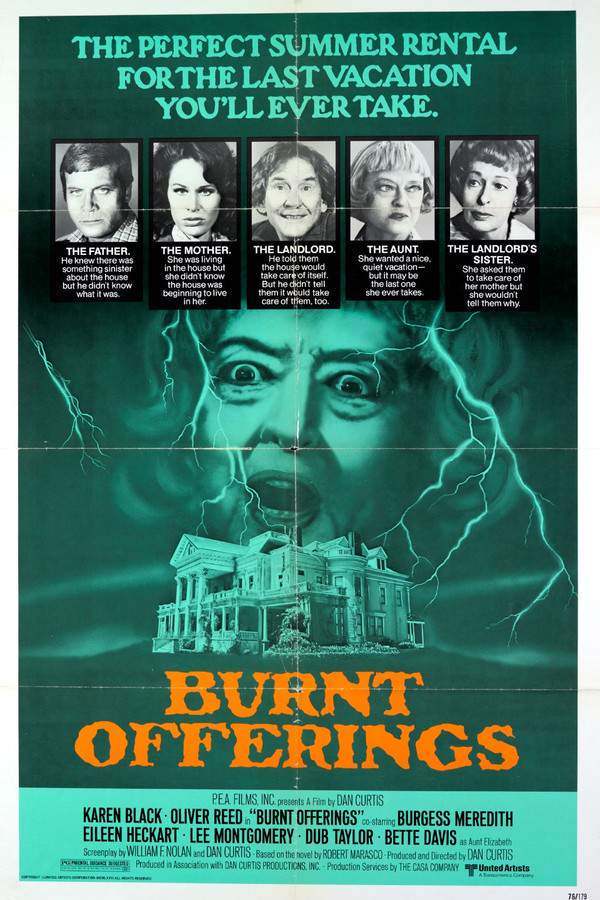
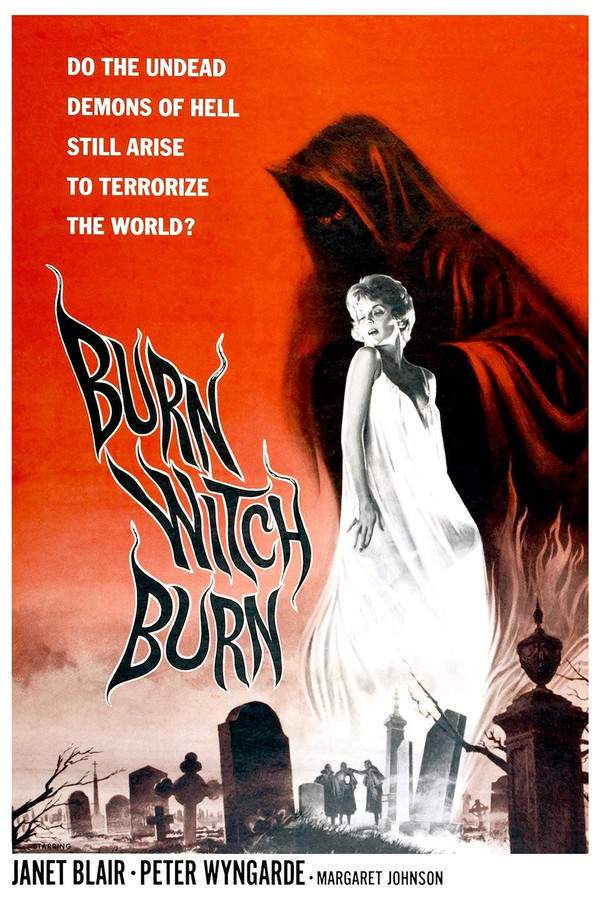




Featured on this page

What's After the Movie?
Not sure whether to stay after the credits? Find out!
Check out our other apps:

SAT Sphere
Build confidence for the Digital SAT.

Mori Atlas
Discover wild places worth protecting.

Luntero
Search smarter for a home in Amsterdam.

Plot Explained
Unravel movie endings and hidden clues.

Pokechamp
Dive into Pokémon data and battle logic.

Driving Theory
Get ready for your European theory test.

Movie Dust
Plan your next cinema trip with ease.

Musemap
Find art and culture as you travel.

Selkobase
Compare credentials before committing.

Local Manual
Turn an unfamiliar country into practical next steps.

Lernavi
Compare school systems before your next move.

GymRoam
Find a workout stop wherever your plans take you.
Explore Our Movie Platform
New Movie Releases (2026)
Famous Movie Actors
Top Film Production Studios
Movie Plot Summaries & Endings
Major Movie Awards & Winners
Best Concert Films & Music Documentaries
Movie Collections and Curated Lists
© 2026 What's After the Movie. All rights reserved.
Privacy Policy