
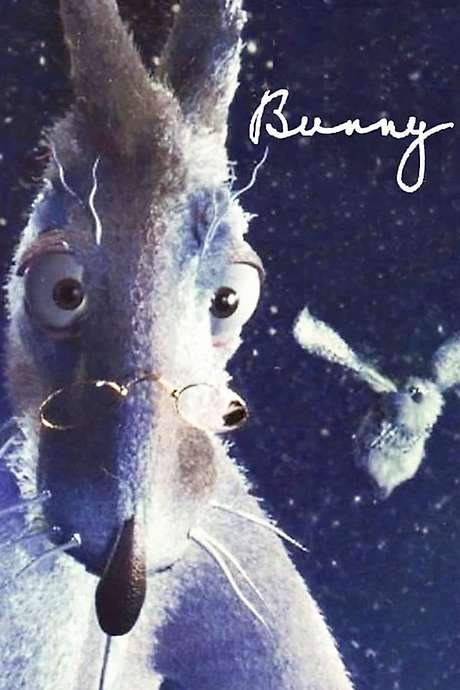
What Is Bunny About?
The premise of Bunny in 266 words, with nothing given away. The full story follows below.
In a moon‑lit forest, an aging rabbit named Bunny tends to a modest cabin that feels both lived‑in and timeless. The walls are lined with quiet symbols of a life well‑spent—a wedding photograph that captures a younger version of herself beside a long‑gone partner, the faint scent of pine, and the soft hum of night insects. The story opens with her preparing a simple cake, a domestic ritual that anchors her days, while the surrounding wilderness whispers of memories and perhaps unfinished chapters.
The kitchen becomes a small stage where ordinary tasks meet subtle unease. A restless moth flutters persistently around the room, its amber wings catching the dim porch light and occasionally intruding on the cherished photograph. Bunny’s attempts to shoo the creature away reveal a blend of gentle humor and quiet frustration, hinting at an inner tension between acceptance and the lingering pull of the past. The moth’s presence feels less like a nuisance and more like a quiet, persistent reminder that something beyond the mundane lingers just out of reach.
Through warm, low‑key lighting and a deliberate pacing, the film cultivates a mood that balances tenderness with a faint, almost whimsical sense of mystery. The atmosphere is both comforting—filled with the rhythm of stirring batter and the glow of a stove—and slightly otherworldly, as the moth’s odd behavior suggests that the world of Bunny may hold hidden pathways. As the night deepens, the audience is invited to wonder how the simple act of baking might intertwine with the lingering echoes of love, loss, and the quiet call of something beyond the familiar hearth.
What Happens in Bunny?
The complete story of Bunny, from the first scene to the last, in 557 words (about 2 minutes). Spoilers throughout. Names in the text link to 1 cast member page.
Spoilers ahead
In a remote forest, Bosmuend Pike voices Bunny, an elderly rabbit who lives alone in a small cabin tucked among pines and quiet snow. Her days are simple, marked by the steady rhythm of baking and the soft creak of the cabin, yet a sense of loneliness hums beneath the routine. One night, a large moth becomes a persistent visitor, buzzing relentlessly around the kitchen as Bunny works on a cake, its flight tracing little circles in the warm air.
The insect’s restless circling grows irritating, and it nudges Bunny toward a memory she keeps tucked away: a wedding photograph of herself with her late husband. The moth collides with the treasured image, sending it flailing into the bowl of cake batter. With a mix of annoyance and heartbreak, she tugs the photo out, smashes it deeper into the batter, and then pours the cake into a pan, setting the oven to heat and the timer to tick away. The room fills with the quiet hiss of heat and the soft clatter of utensils as the cake begins to take shape.
Sleep comes quickly once the timer clicks, but it is not a restful one. The kitchen trembles with loud rumblings, and a blue-white light leaks from the oven door, which suddenly falls open. Bunny, drawn by the glow, crawls toward the opening and slips inside. What follows is a breathtaking transformation: she and the moth seem to glide into an otherworldly space, propelled by a pair of giant moth wings that sprout from Bunny’s back. The glow pulls them onward, and soon Bunny finds herself among dozens of other moths drawn to the same bright beacon.
The journey unfolds with dreamlike clarity, a delicate balance of memory and mystery. The camera lingers on the moment when the oven’s light becomes a doorway to somewhere beyond the forest, and Bunny rises with a quiet, almost peaceful resolve as she moves closer to the source of that light. The sequence is both eerie and tender, underscoring the film’s themes of memory, transformation, and the intimate link between love and loss. The mood remains contemplative, never hurried, inviting viewers to reflect on what it means to be drawn toward a final resting place after a life lived in the quiet shelter of a home.
The film closes with a close-up of the wedding photo, which somehow comes alive: the younger Bunny rests her head on her husband’s shoulder, a small, contented smile playing on her lips. The image shifts with the faint movement of two moths’ shadows and reflections dancing across the picture, as if the past itself is shifting to welcome her into the light. It’s a visual echo of the journey Bunny has undertaken, a quiet affirmation that memories can travel with us beyond the ordinary boundaries of the world we know.
According to the Ice Age DVD introduction by Wedge, Bunny’s journey can be understood as a death-and-afterlife passage: Bunny dies in her sleep, and the oven serves as a gateway to the afterlife. Her spirit is instinctively drawn toward a bright light, much like a moth drawn to a flame, and in that pull she is finally reunited with her husband. This interpretation is offered as a perspective on the film’s dreamlike events, adding a layer of reflective meaning to the luminous voyage Bunny undertakes.
Bunny Timeline: Every Key Event in Order
12 key events in the order they happen, from “Moth intruder disrupts Bunny's kitchen” to “Overall takeaway”. 8 events name a place, across 8 locations.
- 1
Moth intruder disrupts Bunny's kitchen
In the forest cabin kitchen, Bunny the elderly rabbit is trying to bake a cake. A large moth buzzes around relentlessly, thwarting her attempts to concentrate. The insect even collides with a wedding photograph of Bunny and her late husband, setting off a chain of irritation and chaos.
When:Night Where:Bunny's kitchen, forest cabin
- 2
Photo knocked into batter and pan
Frustrated, Bunny knocks the photograph into the cake batter. She tries to rescue it but ends up mixing the image into the batter anyway. She pours the batter into a pan and slides the cake into the oven, setting the timer.
When:Night Where:Bunny's kitchen
- 3
Sleep overtakes the baker as the oven glows
With the timer ticking, Bunny nods off, tired from the night’s irritations. The oven emits loud rumbles and a blue-white light pours from inside. The door creaks open, pulling her attention toward the glow and inviting curiosity she cannot resist.
When:Night Where:Bunny's kitchen, oven
- 4
Bunny enters the oven; wings appear
Crawling toward the opening, Bunny slips inside the oven. A pair of giant moth wings sprouts from her back, enabling her to be propelled along by the insect’s lead. She enters an otherworldly space where light and shadow swirl in unfamiliar patterns.
Where:Inside the oven
- 5
Moths guide the journey toward the light
Bunny finds herself among dozens of moths drawn to the bright light. They drift through a surreal, dreamlike expanse as if mapping a path beyond the oven. The group moves in unison, guiding her toward a destination beyond ordinary space.
Where:Along the luminous path
- 6
Propelled by wings through a shared voyage
The moth wings on Bunny’s back become the propulsion for a collective ascent. The imagery emphasizes movement, transformation, and an escape from the normal world. The journey feels pacifying yet otherworldly as they glide forward together.
Where:The luminous space
- 7
The wedding photo comes to life within the journey
As the voyage continues, the wedding photograph in Bunny’s possession begins to glow. The younger Bunny appears within the image and rests her head on her husband’s shoulder. Shadows and reflections of moths cross the frame, merging memory with a startling new reality.
Where:In the glow of the wedding photograph
- 8
Wedge offers an alternate reading
During the Ice Age DVD intro, Wedge offers his take on these events. He suggests Bunny dies in her sleep and the oven acts as a gateway to the afterlife. He frames the sequence as a spiritual journey toward reunion with her husband.
- 9
The image embodies reunion after life
Following Wedge's interpretation, the narrative emphasizes a peaceful transition rather than a literal voyage. Bunny's spirit is drawn toward the bright light and toward the husband she lost. The scene reinforces themes of memory, love, and continued connection beyond death.
- 10
The final image seals the memory
The film closes with a close-up of the wedding photograph coming to life. The younger Bunny rests against her husband, and moth shadows drift across the image. The frame ties together memory, transformation, and eternal companionship.
When:End Where:Close-up on wedding photograph
- 11
Memory, light, and moths as symbols
Throughout the narrative, light and moths symbolize transcendence and memory. The story suggests love persists in memory and beyond ordinary life, with the kitchen portal and revived photo serving as a bridge between loss and ongoing connection.
- 12
Overall takeaway
The sequence invites interpretation as either a literal voyage or a dreamlike journey of the soul. It centers on the living wedding photograph and the moths as guides through life, death, and memory in a single, haunting vision.
Who Are the Main Characters in Bunny?
Bunny (Bosmuend Pike): who they are and the part they play in the story. The profile links to the actor’s page.
- B(
Bunny (Bosmuend Pike)
Played by Bosmuend Pike
Bunny is an elderly rabbit living alone in a forest cabin. She is irritable toward the moth that disturbs her, but the encounter reveals a tender nostalgia as she recalls her late husband. Her journey through the oven to an otherworldly space marks a turn toward acceptance and reunion, with a gentle, transformative spiritual voyage.
- 🐇 Elderly rabbit
- 🌙 Nostalgic
- 🦋 Transformative
Where and When Is Bunny Set?
Bunny is set in Forest cabin. Here is why the place matters to the story.
Where
Forest cabin
A secluded cabin sits in a dense forest, home to Bunny the elderly rabbit. The setting is quiet, private, and surrounded by trees that create a sense of isolation. The kitchen becomes a stage for the pivotal events as the moth intrudes and the oven gateway opens.
- 🌲 Forest
- 🏚 Cabin
What Are the Themes of Bunny?
3 ideas the story keeps returning to, among them Afterlife, Memory and Transformation.
-
01
Afterlife
The film hints at mortality and an afterlife, with Bunny drawn toward a bright light. The oven acts as a gateway, transporting her consciousness into an otherworldly space inhabited by light and moths. The scene culminates in a reunion with her husband, suggesting closure rather than fear. The alternate reading notes that Bunny may die in her sleep, reinforcing the gentle, spiritual tone.
-
02
Memory
An old wedding photo serves as a powerful trigger for memory, tying Bunny's identity to her life with her husband. The photo comes to life at the end, echoing the film's themes of memory, love, and the persistence of connection.
-
03
Transformation
Bunny grows giant moth wings that allow her to move toward the light, symbolizing transformation in the face of loss. The metamorphosis links personal change to the larger, moth-filled journey toward the light. The ending uses physical transformation to explore transcendence.
What Kind of Film Is Bunny?
Bittersweet in tone, with slow pacing and a straightforward story, going by the plot summary.
- Tone
- Bittersweet
- Pacing
- Slow
- Story
- Straightforward
- Intensity
- Medium
- Ending
- Bittersweet
A gentle, melancholic journey that transforms the quiet loneliness of old age into a serene and magical acceptance of death, culminating in a bittersweet reunion.
- melancholic
- dreamlike
- lonely
- peaceful
- reflective
- grief and loss
- aging
- the afterlife
- reunion
- supernatural transition
Quiz
How well do you remember Bunny? Test yourself on the story.

