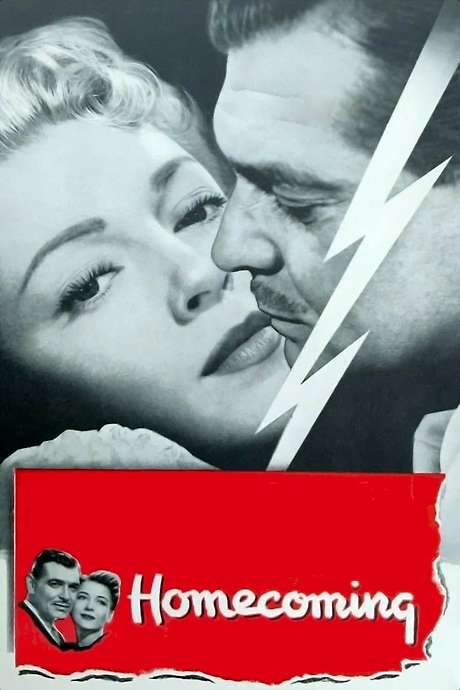
What Is Bright Victory About?
The premise of Bright Victory in 329 words, with nothing given away. The full story follows below.
In the quiet aftermath of World War II, a group of blinded veterans gathers at a Pennsylvania hospital that functions as a small, self‑contained community. The film opens with the stark reality of a soldier who has lost his sight on the battlefields of North Africa and now faces the daunting task of rebuilding a life that no longer fits the world he once knew. The setting is both historic and intimate, a place where the ordinary sounds of a town blend with the muted rhythm of rehabilitation, inviting the audience to feel the slow, deliberate steps of a man learning to navigate again.
Larry Nevins arrives with his military uniform still crisp, but his future uncertain. Within the hospital’s walls he meets fellow blind veteran Joe Morgan, whose quiet resilience offers a counterpoint to Larry’s raw frustration, and Judy, a compassionate bank teller who volunteers her time to bring a steady, personable presence to the otherwise clinical environment. Their interactions are understated yet charged, hinting at the delicate balance between dependence and emerging autonomy that defines the post‑war experience.
The tone is one of measured hope, tinged with the melancholy of loss and the quiet humor that arises from daily adaptations—learning to trust a cane, memorizing corridors, and confronting the social expectations of a society still unaccustomed to such disability. Amid the rehabilitation routines, subtle undercurrents of personal connection begin to surface, suggesting that love and friendship may become the most potent form of therapy. The film asks what it means to redefine identity when the world you once commanded has turned dark, and whether the bonds formed in this sheltered haven can illuminate a path forward.
Through its careful pacing and reverent cinematography, the story paints a portrait of resilience. It leaves viewers with a lingering curiosity about how Larry will reconcile his past heroism with the newfound limits of his present, and whether the community that surrounds him can help reshape his vision of the future.
What Happens in Bright Victory?
The complete story of Bright Victory, from the first scene to the last, in 565 words (about 2 minutes). Spoilers throughout. Names in the text link to 3 cast member pages.
Spoilers ahead
During World War II, American sergeant Larry Nevins is blinded by a German sniper while fighting in North Africa, and he is rushed to a Pennsylvania hospital that functions as a community for blinded soldiers. There, he faces a difficult emotional road as he tries to accept and come to terms with his disability, wrestling with a new sense of limit and dependency.
At first, the transition is heavy, but he gradually learns to orient himself and navigate the grounds and town by steady memorization and with the aid of a cane. In this quiet, patient setting, he forms a bond with Joe Morgan, another blinded veteran, and with Judy, a local bank teller who volunteers by socializing with the men and offering a friendly, steady presence.
Tension arises when Larry, unaware that [Joe Morgan] is black, utters a racial slur, creating a sharp rift between him and the others. Yet the rehab process continues, and he makes tangible progress, passing an important test that checks how well he can handle himself on the street. He earns a furlough, and Judy takes him for a weekend at her sister’s nearby cabin. There, he goes fishing and is welcomed by her family, a respite that offers both warmth and a broader view of life beyond the hospital walls.
From Judy’s brother-in-law, Larry learns about a highly successful blind lawyer, which gives him a glimmer of hope for the future. After dinner, Judy reveals her love for him, and Larry confesses that he needs more security and family support, noting that he already has a fiancée back in his Florida hometown. The revelation brings a bit of turmoil, and upon returning home, he confronts the mixed and often painful racial attitudes of his Southern parents and friends. His fiancée’s family doubts his fitness as a son-in-law, and his own parents feel sorrowful about the disability.
On a visit to see his fiancée Chris, he is pleased to see her but cannot shake the memory of Judy. He describes the upcoming life together as fraught with potential misunderstanding, and he worries about being patronized or stuck in a local, low-prestige job that her successful father could offer. After reviewing the realities of their future, Chris tells him that she does not feel strong enough to marry and move far away while he works to build a new life for both of them.
Back at the hospital, Larry makes a side trip to Philadelphia and encounters the very successful blind lawyer, a meeting that reinforces the message that life, though challenging, can be meaningful and that a devoted spouse can be a powerful partner. The lawyer explains that his wife’s unwavering support has been crucial to his career and independence.
Back in the world outside, the possibility of continued growth through rehabilitation feels within reach as Larry moves toward a more advanced program. On the train station platform, a long-awaited moment arrives: he is unexpectedly reunited with Judy, and they joyfully confess their love. As the journey continues, he hears Joe Morgan’s name called again, pauses to apologize for the hurt he caused, and asks if they can be friends; Joe accepts the apology. With that reconciliation, Larry and Joe board the train and sit together, the rails carrying them toward a future shaped by resilience, renewed friendship, and the uncertain but hopeful path of a newly redirected life.
Bright Victory Timeline: Every Key Event in Order
13 key events in the order they happen, from “Injury and hospitalization” to “Apology and friendship renewed on the train”. 13 events name a place, across 11 locations.
- 1
Injury and hospitalization
During World War II, Sergeant Larry Nevins is blinded by a German sniper while fighting in North Africa. He is evacuated to a Pennsylvania hospital for blinded soldiers, where he must face the loss of his sight and adjust to a radically new life.
When:World War II North Africa Where:North Africa
- 2
Begin rehabilitation and cane training
In the hospital, he learns to orient himself and move around with a cane, guided by memory and routine. The staff oversees a program designed to restore independence and confidence after his injury.
When:Early rehab phase Where:Pennsylvania hospital grounds
- 3
New friendships form
Larry befriends Joe Morgan, another blinded veteran, and Judy, a local bank teller who volunteers with the wounded. Their companionship offers emotional support and a window back to ordinary life.
When:During rehab Where:Hospital, Pennsylvania
- 4
Racial tension arises
A moment of prejudice surfaces when Larry, unaware Joe is Black, utters a racial slur, creating a rift between him and his friends. The incident tests their relationships and triggers reflection on his attitudes.
When:During rehab Where:Hospital grounds
- 5
Crucial street-handling test
Larry passes a crucial test showing he can handle himself on the street, marking a key milestone in his recovery and return to civilian life. The accomplishment reinforces his determination to regain independence.
When:During rehab Where:Hospital grounds
- 6
Furlough to Judy's cabin
He is cleared for furlough and Judy takes him to spend a weekend at her sister's nearby cabin. There, he enjoys fishing and is welcomed by Judy's family, offering a glimpse of a hopeful future.
When:Furlough weekend Where:Judy's sister's cabin (near town)
- 7
Hope from a blind lawyer
From Judy's brother-in-law, Larry learns about a highly successful blind lawyer, fueling his aspiration to carve out a meaningful career despite his disability. The story hints that such a path is possible with support and determination.
When:Furlough weekend Where:Judy's sister's cabin
- 8
Judy's confession and Larry's hopes
After dinner, Judy reveals her love for Larry. He admits he needs more security and family support and explains that he already has a fiancée back home in Florida.
When:Furlough weekend Where:Judy's sister's cabin
- 9
Homefront tensions and doubts
Back home, Larry confronts the Southern attitudes as his parents and his fiancée's family doubt his ability to be a son and future husband. The lack of support weighs on him.
When:After furlough Where:Southern hometown
- 10
Chris questions marriage plans
Larry is greeted by his fiancée Chris, but she confesses she cannot feel strong enough to marry and move away while he builds a new life under his disability. Her decision underscores the personal costs of his rehabilitation and the uncertain path ahead.
When:Post-furlough Where:Florida hometown
Show the other 3 events of Bright Victory Hide the last 3 events
- 11
Philadelphia meeting with the blind lawyer
Returning to the hospital, Larry takes a side trip to Philadelphia and meets a successful blind lawyer who explains that life is hard but worth pursuing and that a wife can be an invaluable partner. The encounter gives him concrete encouragement about balancing love, work, and independence.
When:Between rehab stages Where:Philadelphia
- 12
Reunion with Judy on the train
At the train station en route to a more advanced rehabilitation program, Larry unexpectedly reunites with Judy. They joyfully declare their love for each other.
When:Transition between rehab programs Where:Train station
- 13
Apology and friendship renewed on the train
Boarding the train, Larry apologizes to Joe Morgan for the hurt his earlier words caused, and Joe accepts. They share a quiet moment of reconciliation, and the two friends sit together as the train pulls away.
When:Train departure Where:Train
Who Are the Main Characters in Bright Victory?
4 characters, among them Larry Nevins (Arthur Kennedy), Joe Morgan (James Edwards) and Judy Greene (Peggy Dow): who each one is and the part they play in the story. 3 of them link to the actor’s page.
-
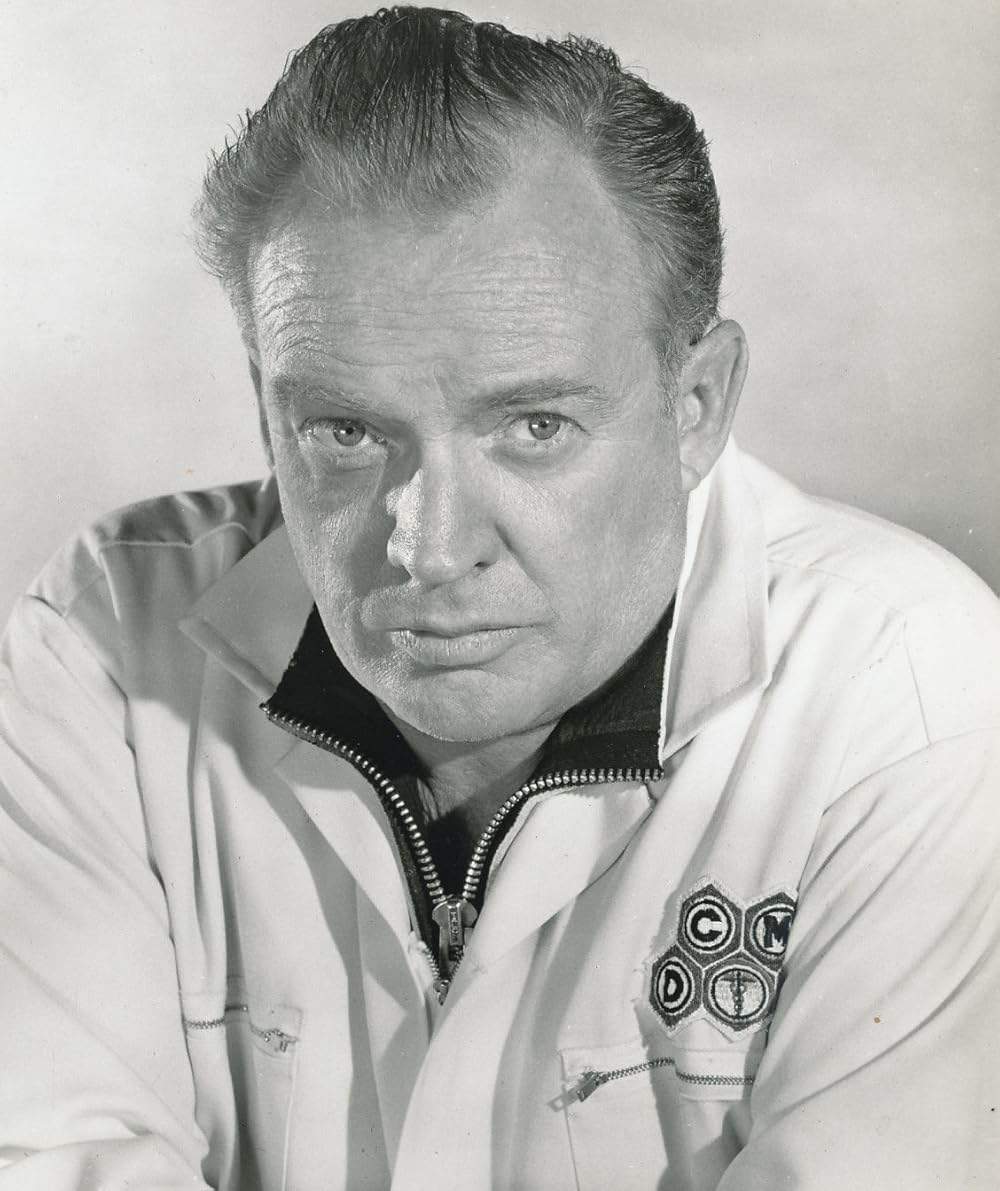
Larry Nevins (Arthur Kennedy)
Played by Arthur Kennedy
An American sergeant blinded by a German sniper in North Africa, he undergoes rehabilitation in a Pennsylvania hospital. He gradually learns to navigate the world with a cane, while wrestling with pride, dependence, and the reality of a life altered by disability. His interactions with Judy and Joe push him toward reconciliation with his own limits and his envisioned future with his fiancée. He longs for independence but fears patronization from family and society.
- 🦯 Disability
- 🏥 Rehabilitation
- 🧭 Independence
- JM
Joe Morgan (James Edwards)
A blinded veteran and Larry’s friend who faces his own struggles with blindness and identity. He embodies resilience and quiet strength, and his relationship with Larry tests the boundaries of forgiveness after Larry’s racial remark. His acceptance at the end underscores the film’s message about enduring friendship across divides.
- 🤝 Racial dynamics
- 🧭 Friendship
- JG
Judy Greene (Peggy Dow)
Played by Peggy Dow
A local bank teller who volunteers with disabled soldiers, socializing with the veterans and offering emotional support. She becomes a key catalyst in Larry’s recovery, and her love for him introduces a personal dilemma that intersects with his commitment to his fiancée. Judy personifies kindness, community, and the push toward a hopeful future.
- 💬 Social support
- 🤝 Community volunteering
-

Chris Paterson (Julie Adams)
Played by Julie Adams
Larry’s fiancée from his Florida hometown who grapples with the realities of his disability and their future together. She questions whether long-distance and a life shaped by medical and social challenges can sustain their relationship. Ultimately, she tells Larry she cannot commit to marriage under those circumstances, highlighting the film’s exploration of love, duty, and personal limits.
- 💖 Love & commitment
- 🏡 Family expectations
Where and When Is Bright Victory Set?
Bright Victory is set in North Africa, Pennsylvania, Philadelphia and Florida (World War II era (1940s)). Here is why the time and place matter to the story.
When
World War II era (1940s)
Set during World War II, the film follows the immediate post-battle period when blinded veterans return home and begin rehabilitation. The hospital environment and community settings reflect the era’s attitudes toward disability and reintegration. The plot moves from wartime trauma to peacetime family and relationship dynamics, underscored by the social norms of the 1940s.
Where
North Africa, Pennsylvania, Philadelphia, Florida
The story shifts from the battlefield in North Africa to a Pennsylvania hospital for blinded veterans, where recovery and adaptation take center stage. It then moves through small-town life, including a weekend at a rural cabin, and a Philadelphia visit that features a pivotal meeting with a successful blind lawyer. The narrative also traces Larry’s Florida hometown connection through his fiancée, framing the path back to civilian life and family expectations.
- 🗺️ World War II
- 🏥 Rehabilitation
- 🏜️ North Africa
- 🏘️ Small-town America
What Are the Themes of Bright Victory?
3 ideas the story keeps returning to, among them Disability & Rehabilitation, Racial Tensions & Friendship and Hope & Identity.
-
01
Disability & Rehabilitation
Larry’s journey from despair to independence centers on rehabilitation through orientation and cane-based mobility. The hospital grounds and therapy sessions illustrate practical ways veterans relearn to navigate their world. The theme highlights resilience, autonomy, and the slow but steady rebuild of a life after blindness.
-
02
Racial Tensions & Friendship
Joe Morgan and Larry’s friendship is tested when Larry’s racial slur causes a rift, exposing prejudices that the story confronts. The film uses their reconciliation to explore forgiveness and the healing power of shared hardship. It ultimately affirms that camaraderie can transcend racial barriers, even in difficult times.
-
03
Hope & Identity
Larry discovers hope through the example of a successful blind lawyer and the encouragement of Judy and others around him. The evolving relationships—romantic, familial, and friendly—shape his sense of identity and future possibilities. The end-of-arc choices reflect a tension between security and independence, and the striving to define oneself beyond disability.
What Kind of Film Is Bright Victory?
Hopeful in tone, with steady pacing and a straightforward story, going by the plot summary.
- Tone
- Hopeful
- Pacing
- Steady
- Story
- Straightforward
- Intensity
- Medium
- Ending
- Bittersweet
A steady, emotionally resonant drama that follows a blinded soldier's difficult but ultimately hopeful journey of rehabilitation, romantic uncertainty, and personal growth in the aftermath of war.
- hopeful
- reflective
- resilient
- melancholic
- uplifting
- patient
- disability adjustment
- wartime trauma
- romantic dilemma
- interracial friendship
Content notes: war injury, racial prejudice.
Quiz
How well do you remember Bright Victory? Test yourself on the story.
Where to Watch Bright Victory
Rent or buy it from Amazon Video and Apple TV Store. US availability and prices from JustWatch.



Streaming availability in the US, powered by