
Brave New World 1980

Directed by

Jonathan Segal
Made by

Universal Television
Brave New World Plot Summary
Read the complete plot summary and ending explained for Brave New World (1980). From turning points to emotional moments, uncover what really happened and why it matters.
[Thomas Grambell], the supervisor of human hatcheries, oversees a world where pregnancy is outlawed and happiness is manufactured through loveless sex and narcotics. Babies are born in laboratories, and every individual is assigned to one of five rigid classes, a system designed to lock in social roles from birth and maintain order.
While many people accept this order, whispers of dissent grow louder. [Bernard Marx], a perceptive but restless rebel within the system, begins to challenge the status quo.
Bernard and his girlfriend [Lenina Disney] visit a primitive reservation that clings to 20th-century values, exposing them to a contrasting way of life. Among the people they meet is a native named John, also known as the Savage. They bring John back to civilization, where his very presence unsettles established ideas.
John becomes a curious celebrity, seen by many as a freak who embodies a forbidden truth about the world they live in. John develops romantic feelings for Lenina, which clash with the society’s strict codes of conduct and are regarded as profoundly inappropriate.
John’s background reveals he was raised with the knowledge of Shakespeare and other banned works, because his parents come from a more technologically advanced part of the world. Realizing that his moral framework is at odds with the modern world, John asks to be assigned to a solitary post. He takes a lighthouse duty, seeking solitude, but even there he cannot escape the memories of Lenina and the clash between his ideals and the society’s values.
Brave New World Timeline
Follow the complete movie timeline of Brave New World (1980) with every major event in chronological order. Great for understanding complex plots and story progression.
World-building: The dystopian order
In this future society, pregnancy is outlawed and citizens must engage in loveless sex while narcotics are used to ensure happiness. Babies are created in laboratories, and every child's future is predestined to one of five social classes. The World State maintains strict control over reproduction, emotions, and personal choice.
Hatcheries overseen by Grahmbell
Thomas Grahmbell is a supervisor of human hatcheries, responsible for producing citizens and enforcing the state's rules. He embodies the system's efficiency and emotional detachment. His role underscores how personal autonomy is sacrificed for social stability.
Dissent begins
Bernard Marx, a malcontent, begins to voice doubts about the happiness-for-all doctrine. Lenina Disney, his partner, remains more compliant, highlighting tensions between conformity and personal desire. Their unease foreshadows the coming disruptions.
Trip to the reservation
Bernard and Lenina visit a primitive reservation that clings to 20th-century values. The encounter with the Savage John exposes them to beliefs and ways of life the World State forbids. The trip plants seeds of curiosity and rebellion.
Meeting John the Savage
On the reservation they meet John, known as the Savage, a native raised outside the World State. John carries education and rage against the system's emptiness. He challenges their assumptions with his own perspective.
John returns to civilization
Bernard and Lenina bring John back to civilization, thrusting him into the center of social attention. His arrival unsettles the World State's equilibrium as his different background clashes with societal norms. He becomes a focal point for critique and fascination.
John becomes a celebrity
In civilization, John becomes a celebrity due to his exotic origins, treated as a freak by the public. The media and citizens scrutinize him while he stands as a symbol of otherness. This exposure intensifies his alienation.
John's forbidden attraction
John develops romantic feelings for Lenina, which are deemed highly inappropriate and obscene by World State standards. His reaction to Lenina's beauty and society's sexual norms creates a personal conflict. He struggles to reconcile his desires with the rules he cannot accept.
Shakespeare and social mores clash
John educates himself with banned works such as Shakespeare, discovering moral and sexual mores that clash with the World State's values. He realizes that his cherished codes are antiquated in this modern society. This knowledge deepens his sense of isolation.
A request for solitude
Feeling overwhelmed, John asks to be assigned a solitary posting away from mainstream life. He seeks a place that might honor his beliefs, away from crowds and expectations. The request marks his decisive step toward isolation.
Lighthouse exile
John mans the lighthouse alone, attempting to isolate himself, yet he cannot escape the memories of Lenina that haunt him. The loneliness underscores the impossibility of reconciling his ideals with the World State. Even in solitude, memories haunt him.
Collision of worlds
John's presence continues to challenge conventional wisdom, forcing others to confront the limits of their happiness-focused society. The clash between his ideals and the state’s order exposes a hollow core to their culture. The story ends with John's isolation and unresolved conflict.
Brave New World Characters
Explore all characters from Brave New World (1980). Get detailed profiles with their roles, arcs, and key relationships explained.
Thomas Grambell (Keir Dullea)
Thomas Grambell oversees the hatcheries, embodying the efficiency and obedience of the dystopian regime. He represents institutional authority and the automation of human life. As resistance grows around him, his perspective becomes a lens on the system's fragility and the cost of upholding it.
Bernard Marx (Bud Cort)
Bernard is a malcontent who questions the status quo and serves as a point of friction within the orderly world. He partners with Lenina to explore forbidden ideas and seeks meaning beyond the predetermined social script. His skepticism drives much of the plot’s tension and rebellion.
Lenina Disney (Marcia Strassman)
Lenina is a product of the system, navigating societal expectations with a mix of conformity and curiosity. She becomes a catalyst for change when interacting with John, challenging the boundaries of acceptable behavior.
John Savage (Kristoffer Tabori)
John is the Savage raised outside the regime who confronts the citizens’ values with his own Shakespeare-informed humanity. He questions the ethics of the world’s happiness machine and longs for solitary, meaningful existence, even as he longs for connection with Lenina.
Brave New World Settings
Learn where and when Brave New World (1980) takes place. Explore the film’s settings, era, and how they shape the narrative.
Time period
Far future
The narrative takes place in a distant future where technology governs reproduction, happiness is chemically enforced, and social classes are predestined. This time period is marked by institutionalized control, mass conformity, and a constant tension between progress and humanity. Cultural artifacts like literature are banned or restricted to maintain order, highlighting the era's central conflict.
Location
Hatcheries Facility, Savage Reservation, Lighthouse
The story unfolds across a highly controlled future world where babies are grown in lab hatcheries and citizens are assigned to rigid castes. The Hatcheries Facility represents the engineered urban core, while the Savage Reservation preserves 20th-century values outside the system. A lonely lighthouse scene anchors personal memory and longing against the backdrop of a society that values efficiency over individuality.
Brave New World Themes
Discover the main themes in Brave New World (1980). Analyze the deeper meanings, emotional layers, and social commentary behind the film.
🔒
Control
The society maintains order through engineered reproduction, pharmacological happiness, and predetermined social roles. Individual desires are suppressed in favor of collective stability. The plot probes the costs of such control when rebels and outsiders challenge the system’s mandate.
💘
Love vs. Freedom
John's forbidden romance with Lenina disrupts the veneer of consensual happiness and exposes the rigid rules governing relationships. The relationship tests social mores and reveals the tension between authentic emotion and manufactured bliss. The narrative investigates whether love can survive in a regime that frowns upon genuine connection.
📚
Knowledge
John's literacy and exposure to banned works like Shakespeare collide with the state’s censorship and anti-intellectual stance. The clash highlights the value of art and critical thought in a society designed to suppress individuality. The theme centers on whether knowledge can liberate people or destabilize social order.

Coming soon on iOS and Android
The Plot Explained Mobile App
From blockbusters to hidden gems — dive into movie stories anytime, anywhere. Save your favorites, discover plots faster, and never miss a twist again.
Sign up to be the first to know when we launch. Your email stays private — always.
Explore the mobile appBrave New World Spoiler-Free Summary
Discover the spoiler-free summary of Brave New World (1980). Get a concise overview without any spoilers.
In a far‑future world where birth is engineered in sterile hatcheries and happiness is dispensed through regulated pleasure, society is divided into rigid castes that dictate every aspect of life. The state monitors emotion, suppresses individual desire, and presents an orderly, almost clinical veneer that masks an undercurrent of quiet conformity. The atmosphere is coldly efficient, with sleek architecture and omnipresent conditioning contrasting sharply with the whispered longing for something deeper and more authentic.
Beyond the polished walls lies a remote reservation that clings to the remnants of a bygone era. Here, a young man named John has grown up among people who still read, feel, and dream in the language of the past. Self‑taught through Shakespeare’s verses, he carries a literary foundation that sets him apart from his peers, giving him a humanist sensibility that feels both an inheritance and a rebellion against the world that will eventually claim him.
When the opportunity finally arrives for John to step beyond the reservation and into the advanced, authoritarian civilization of his parents, the encounter is anything but seamless. The society’s strict customs and engineered contentment clash with his deep‑rooted ideals, creating a tension that pulses through every interaction. As he navigates this alien environment, his curiosity and inner conflict hint at a broader questioning of what it means to be truly free in a world built on control, inviting viewers to wonder how far humanity can stretch when faced with the stark contrast between manufactured order and untamed spirit.
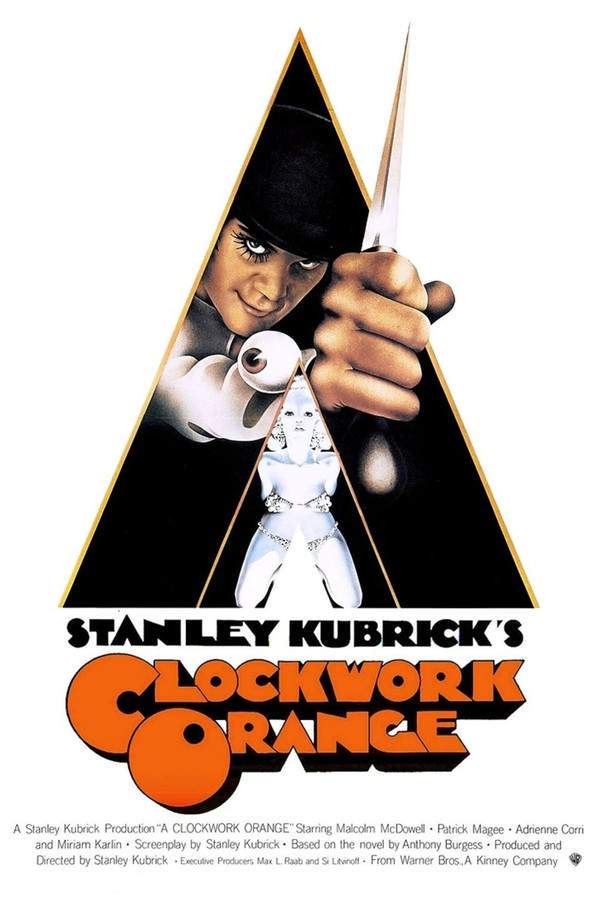
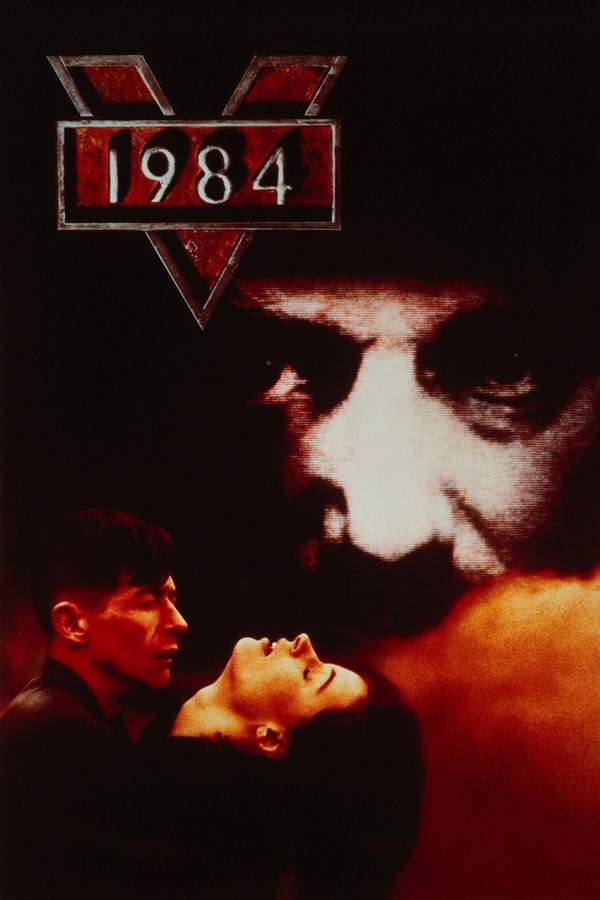
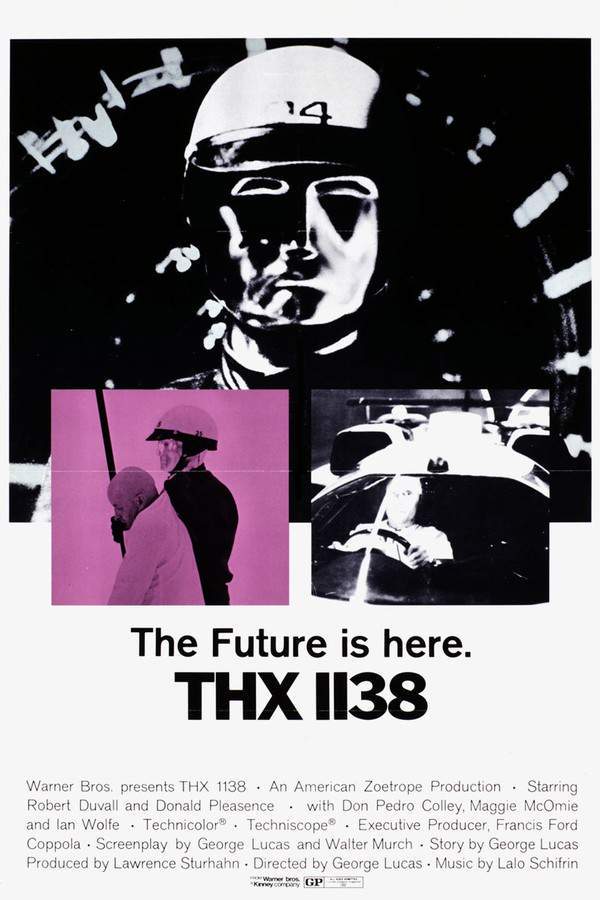
Movies with Similar Twists and Themes
Uncover films that echo the narrative beats, emotional arcs, or dramatic twists of the one you're exploring. These recommendations are handpicked based on story depth, thematic resonance, and spoiler-worthy moments — perfect for fans who crave more of the same intrigue.
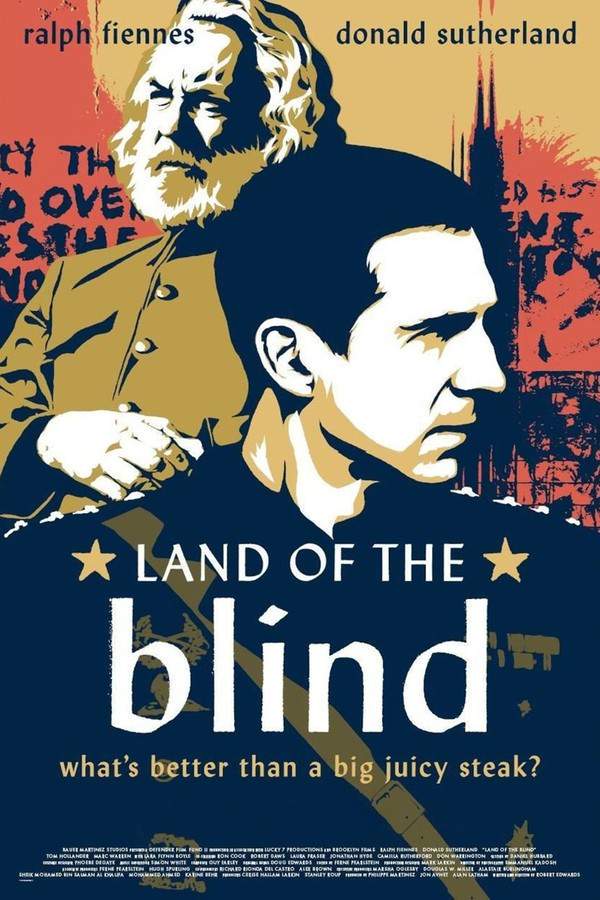
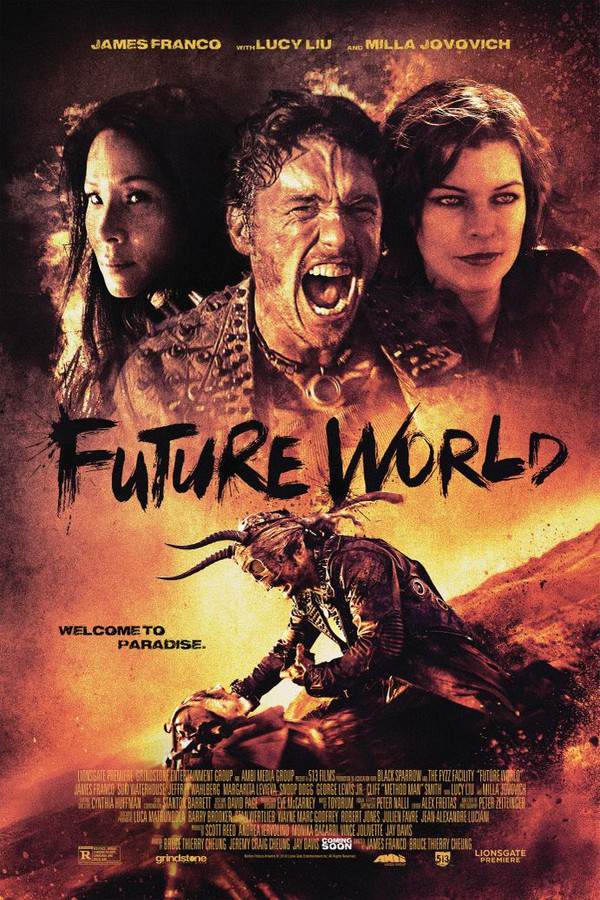
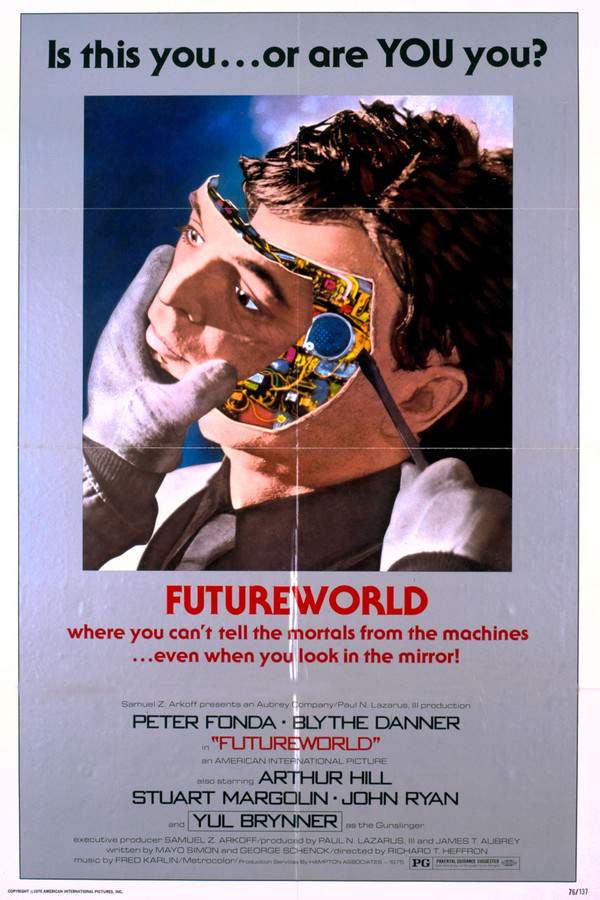

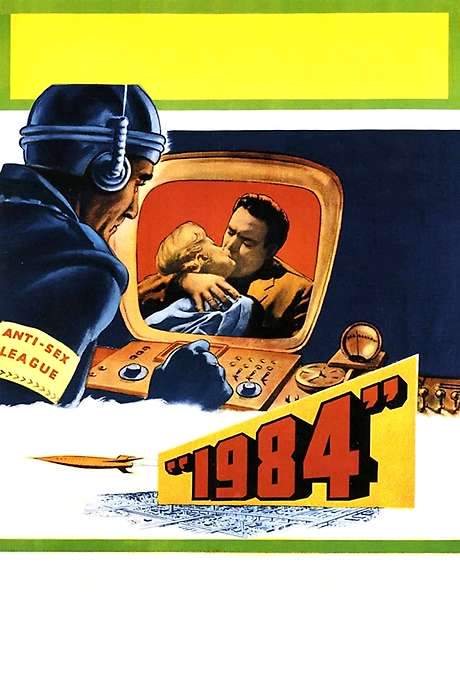

Featured on this page

What's After the Movie?
Not sure whether to stay after the credits? Find out!
Check out our other apps:

SAT Sphere
Build confidence for the Digital SAT.

Mori Atlas
Discover wild places worth protecting.

Luntero
Search smarter for a home in Amsterdam.

Plot Explained
Unravel movie endings and hidden clues.

Pokechamp
Dive into Pokémon data and battle logic.

Driving Theory
Get ready for your European theory test.

Movie Dust
Plan your next cinema trip with ease.

Musemap
Find art and culture as you travel.

Selkobase
Compare credentials before committing.

Local Manual
Turn an unfamiliar country into practical next steps.

Lernavi
Compare school systems before your next move.

GymRoam
Find a workout stop wherever your plans take you.
Explore Our Movie Platform
New Movie Releases (2026)
Famous Movie Actors
Top Film Production Studios
Movie Plot Summaries & Endings
Major Movie Awards & Winners
Best Concert Films & Music Documentaries
Movie Collections and Curated Lists
© 2026 What's After the Movie. All rights reserved.
Privacy Policy