
Bloodstained Clan of Honor 1970

Directed by
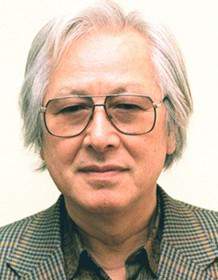
Kinji Fukasaku
Made by

Toei Company
Bloodstained Clan of Honor Plot Summary
Read the complete plot summary and ending explained for Bloodstained Clan of Honor (1970). From turning points to emotional moments, uncover what really happened and why it matters.
In 1965, with the post-WWII era fading into memory, the police tighten their grip on the remnants of the crime networks that once ruled the streets. Amid this shifting landscape, 30-year-old Kensaku Gunji [Bunta Sugawara] steps in as the 4th head of the Hamayasu family, taking over the position left vacant by the imprisoned Tetsuji Kuroki [Koji Tsuruta]. Gunji operates from a cramped corner of the Port of Yokohama, where the old rules still hold sway and where loyalty is tested at every turn.
When Onuma, a Hamayasu member, is arrested under the Port Labor Act, shipping grind to a halt and the entire operation trembles. Onuma’s wife pleads for help, but the crimes of the past haunt him, and another arrest seems likely. Iwakiri, a rival gang boss, eyes a larger prize: a chunk of warehousing rights tied to a colossal new factory complex built by Oriental Heavy Industries. To seize this opportunity, Gunji must clear out the slums that cling to the land where the factory will rise. He refuses to abandon the place where he grew up, but is warned that if he doesn’t move, the Daimon organization from Tokyo will do it for him. The choice is forced: Gunji agrees, yet asks Kasama Tsutomu [Kysuke Machida] to resign so that Kasama won’t have to evict the elderly who still live there. Kasama refuses, vowing to take charge of the eviction himself.
Gunji’s attempt to speak with the slum residents erupts into hostility as the people heft stones and even a dead cat toward the Hamayasu emissaries. Kasama’s father rails against his son’s involvement in the yakuza, while his mother laments that she should have killed him at birth. A brawl spills into the street, but the violence is interrupted by Hayami [Hideo Murota], an old friend who once fled the slums to become a boxer. He returns on a small boat christened the SS Black Dragon and takes a stand to protect the people who raised him. He meets Joe [Ken Sanders], a gifted but battered rookie whose eye injury from a recent bout has left him unable to afford the surgery that could save his sight. Hayami denies Joe an easy return to hustling, promising instead to secure the operation Joe needs so he can chase the dreams Hayami once chased and lost.
The next day, the Hamayasu and Iwakiri gangs descend to destroy the livestock in the slum and torment its residents. With no safe path to the police due to their illegal squat, the people barricade themselves inside their shanties, gaining defensive strength but cutting themselves off from income. Three miners from Kyushu attempt to pass as slum dwellers to claim the compensation Daimon Construction has offered for leaving the land.
Tetsuji Kuroki is released from prison and returns to the Hamayasu, visiting a former lover who now works as a bar waitress. She confesses she has waited years, but he resists letting her become tangled in his dangerous world again.
Hayami accepts money from Daimon, allowing his men to enter the slum and pressure a family into selling by force. The next morning Daimon soldiers arrive, and Kasama, Ozaki, and other Hamayasu fighters are beaten after resisting; the slum’s sale is forced by the deed. Gunji receives a letter with Kasama’s severed pinky as an apology, signaling Kasama’s intent to act alone. Kasama invades Daimon Construction’s office to kill their boss, but is captured and chooses suicide by biting his own tongue. The stern Daimon enforcer Katagiri tells Gunji to come alone to collect Kasama, but Gunji reveals Kasama’s letter and pinky to prove that Kasama acted independently. Daimon demands a 50% share of the warehousing rights in exchange for quiet, and Kuroki arrives, fighting off the Daimon crew and warning that there will be blood if they persist. Kuroki ultimately kills Iwakiri, then collapses after a final, brutal confrontation; the Daimon gang finishes his allies as well.
Daimon Construction moves in heavy machinery to flatten the slum, while the waitress helps pay Gunji’s bail. Gunji and Hayami visit Kuroki’s grave, and then together they survey the wrecked slum and the remnants of the SS Black Dragon. Realizing they have been puppets in a larger scheme, they unite to disrupt the groundbreaking ceremony for the new factory complex. In a climactic clash, they stab Daimon to death but are themselves slain by other Daimon gang members. With the factory’s completion the following year, Japan’s GDP climbs to become the second-largest in the world, trailing only the United States, a stark reminder of the brutal costs paid by those caught in the gears of progress.
Bloodstained Clan of Honor Timeline
Follow the complete movie timeline of Bloodstained Clan of Honor (1970) with every major event in chronological order. Great for understanding complex plots and story progression.
Gunji becomes the 4th head of the Hamayasu
In 1965, Kensaku Gunji is elevated to lead the Hamayasu family in the Port of Yokohama, replacing the imprisoned acting head Tetsuji Kuroki. His ascent comes amid a broad police crackdown on criminal organizations that had thrived in the postwar era. Gunji's new authority sets the stage for pursuing the warehousing deal and the eviction of the slums.
Onuma arrested and warehousing plan proposed
Onuma's arrest under the Port Labor Act halts shipping and shakes the local underworld economy. Iwakiri, the head of a rival group, asks whether Gunji wants to exit the shipping business and proposes seizing warehousing rights to Oriental Heavy Industries' new factory complex. To do so, Gunji is pressured to clear out the slums that stand on the land.
Kasama resigns to avoid eviction
Gunji agrees to clear the slums to secure the warehousing deal, but Kasama Tsutomu chooses to resign rather than witness the eviction of the elderly residents. He refuses to quit and pledges to take charge of the eviction instead. The decision deepens the rift within Hamayasu and foreshadows further confrontation.
Slum clash and Hayami returns to defend it
When Gunji attempts to talk with the slum residents, they hurl objects, including a dead cat, signaling their defiance. Kasama's father scolds his son for joining the yakuza and now pushing out his own people, while his mother laments the consequences. Old ally Hayami, who had left the slum twelve years earlier to box, returns aboard the SS Black Dragon to defend them.
Barricade and eviction by force
By the next morning, Hamayasu and Iwakiri forces move to destroy the slum's livestock and suppress the inhabitants. The residents barricade themselves inside, gaining a defensive but income-sapping stalemate. Three Kyushu miners arrive, trying to pose as locals to secure Daimon Construction’s leaving payments.
Kuroki is released and reconnects with his past
Tetsuji Kuroki is released from prison and returns to the Hamayasu. He visits a former lover working as a bar waitress who reveals she has waited five years, but he resists rekindling their relationship. The encounter underscores personal tensions behind the gang war.
Daimon infiltrates the slum with money
Hayama accepts money from Daimon and allows them into the slum to pressure a family into selling by force. The collaboration marks a sharp escalation in Daimon's influence over the eviction drive. Gunji and his men brace for a brutal campaign.
Deed of sale and Kasama's pinky
The next day Daimon soldiers arrive at the slum with the deed of sale and beat back resistance. Gunji receives a letter—Kasama's severed pinky—an apology for acting on his own and an ominous sign of the orders from above. The attack demonstrates the Daimon group's willingness to use extreme violence.
Kasama's deadly act and death
Kasama storms the Daimon Construction office intending to kill Daimon's boss, but he is captured. In a final act, he bites off his own tongue and dies, a brutal testament to the desperation of the conflict. Gunji and others are left to reflect on the costs of loyalty.
Kuroki arrives to defend Gunji and falls
Daimon and the enforcers demand a 50 percent share of the warehousing rights to overlook the attack; Kuroki arrives to back Gunji and fights off Daimon, killing Iwakiri in the process, but is fatally wounded. He dies with thoughts of the waitress, illustrating the personal costs of the war. The cycle of vengeance tightens its grip on Yokohama.
Police arrest Hamayasu amid the chaos
The night brings confusion as Daimon-backed forces push into the port, and the police arrest Hamayasu members after a stabbing. The crackdown deepens the community's fear and cements the rift between the factions. Gunji is taken away as news of Kuroki's death spreads.
Waitress pays Gunji's bail and Kuroki's grave
The waitress pays Gunji's bail, and they visit Kuroki's grave together, signaling fragile human bonds amid ongoing violence. The moment hints at a fragile alliance forming against Daimon as the power struggle continues. Despite the personal ties, the conflict shows no easy resolution.
Gunji and Hayami strike back at the groundbreaking
Realizing they've been played like marionettes, Gunji and Hayami join with others to disrupt Daimon's groundbreaking ceremony for the new factory complex. They stab Daimon to death but are themselves killed by other Daimon gang members, illustrating the cycle of vengeance. The attempt fails to halt Daimon's plans and costs both men their lives.
Factory completes; GDP rises
The Oriental Heavy Industries factory complex is completed the following year, reshaping the landscape of Yokohama. Japan's GDP soon becomes the second-largest in the world, surpassed only by the United States, underscoring the era's economic consequences amid violence.
Bloodstained Clan of Honor Characters
Explore all characters from Bloodstained Clan of Honor (1970). Get detailed profiles with their roles, arcs, and key relationships explained.
Kensaku Gunji - Bunta Sugawara
A 30-year-old who becomes the 4th head of the Hamayasu family operating in a corner of the Port of Yokohama. He resists evicting the slum dwellers but is pressed by rivals and wealthier interests to compromise. His leadership is tested by personal loyalties and brutal power plays, culminating in his arrest as violence spirals out of control. Gunji embodies duty to his community amid a world of crime and industrial ambition.
Hayami - Tatsuo Umemiya
An old friend of Gunji who left the slum to become a boxer and returns to defend the neighborhood. He embodies grit and loyalty, trying to secure surgery for Joe and to protect the slum from eviction. His alignment with Daimon is complicated by his obligation to his friend and his own desire to help others, ultimately leading to his grim end. His character bridges personal friendship with the harsh realities of power struggles.
Joe - Ken Sanders
A promising rookie boxer whose eye injury jeopardizes his career and life. He escapes from hospital because he cannot afford treatment, embodying the desperation of the working class. His death after being run over by Daimon forces marks a turning point in the conflict and underscores the human cost of the power struggle. Joe represents unfulfilled dreams crushed by organized crime.
Tetsuji Kuroki - Koji Tsuruta
A former head who returns to lead, visiting a former lover and navigating a web of competing interests. He discovers Iwakiri's duplicity and resolves to deny Daimon control of the warehousing rights. He delivers a lethal counterstrike by murdering Iwakiri, but is fatally wounded himself, his final thoughts recalling the waitress. Kuroki embodies a stubborn resolve to outmaneuver his enemies even as fate catches up with him.
Iwakiri - Asao Uchida
The head of his own faction who collaborates with Daimon to secure warehousing rights. He plays a double game, attempting to split profits and orchestrate moves from behind the scenes. His plans unravel when Kuroki exposes the conspiracy, and he is killed in the ensuing conflict. Iwakiri's scheming highlights the dangerous mix of organized crime and corporate ambition.
Kasama Tsutomu - Kyōsuke Machida
A steadfast Hamayasu member who refuses to quit, even when faced with eviction that would hurt his aging parents. He resigns in protest, then commits a dramatic act by sending a severed pinky as an apology, and later takes his own life in despair. Kasama's arc underscores the costs of honor in a world where leverage and violence determine outcomes. His death frames the personal tragedy at the center of the conflict.
Michiyo - Junko Miyazono
A waitress and former lover of Kuroki, she embodies a personal link to the past amid the violence surrounding power struggles. She waits, remembers, and ultimately confronts the consequences of the men who once mattered to her. Michiyo provides a human touch in a world dominated by crime and industrial ambition.
Daimon - Fumio Watanabe
The ruthless head of the Daimon organization who aims to control the warehousing rights through manipulation and force. He orchestrates violence to eliminate rivals and secure a larger share of the lucrative land deals. His schemes, aided by Katagiri and others, drive the escalation of violence and the downfall of multiple factions. Daimon stands as the primary antagonist whose ambition catalyzes the tragedy.
Bloodstained Clan of Honor Settings
Learn where and when Bloodstained Clan of Honor (1970) takes place. Explore the film’s settings, era, and how they shape the narrative.
Time period
1965
Set in 1965, the story unfolds in the postwar era when police crack down on criminal networks and gangster groups are scrambled. The portside slums and shifting power dynamics reflect a Japan in rapid transition, where economic interests increasingly drive violence. The narrative ties local conflict to broader themes of industrial growth and social upheaval.
Location
Port of Yokohama, Yokohama slums
The film centers on the Port of Yokohama and the surrounding slum district where workers and families cling to their homes. A dense urban core near a busy port sets the stage for clashes between labor, crime, and expanding industry. The area becomes a battleground as a new factory complex looms, pushing eviction and displacement into the foreground.
Bloodstained Clan of Honor Themes
Discover the main themes in Bloodstained Clan of Honor (1970). Analyze the deeper meanings, emotional layers, and social commentary behind the film.
🤝
Loyalty & Betrayal
The story constantly tests loyalty to family, friends, and community. Alliances shift as leaders seek power or protect their people, often at a terrible personal cost. Betrayals punctuate the plot, with characters choosing short-term gain over collective safety. The result is a grim meditation on honor, duty, and the cost of staying true.
🏭
Industrial Power
Industrial expansion drives the conflict, culminating in the bid for warehousing rights tied to a new Oriental Heavy Industries factory. The slum eviction and land grabs reveal how industry can reshape communities and destinies. Business interests and gang dynamics collide, turning economic growth into a vehicle for violence. The film uses the factory as a symbol of progress built on coercion.
💥
Violence & Retribution
Violence erupts from the opening skirmishes at the slum to the brutal final confrontations. Characters pay for their choices with blood, and innocent bystanders suffer as power struggles escalate. The deaths of Joe, Kasama, Iwakiri, and others underscore the price of revenge and manipulation. The narrative resolves in a violent reckoning that spares no one.

Coming soon on iOS and Android
The Plot Explained Mobile App
From blockbusters to hidden gems — dive into movie stories anytime, anywhere. Save your favorites, discover plots faster, and never miss a twist again.
Sign up to be the first to know when we launch. Your email stays private — always.
Explore the mobile appBloodstained Clan of Honor Spoiler-Free Summary
Discover the spoiler-free summary of Bloodstained Clan of Honor (1970). Get a concise overview without any spoilers.
In the waning days of the 1970s, Yokohama’s bustling port district feels like a living relic of a bygone era. The once‑all‑powerful yakuza families cling to aging codes while the city’s skyline begins to tilt toward steel factories and modern ambition. Neon signs flicker over cramped warehouses, and the salty air carries the weight of both tradition and the relentless push of progress, setting a mood that is simultaneously gritty, nostalgic, and charged with an uneasy anticipation of change.
At the heart of this fragile balance stands Bunta Sugawara, newly crowned oyabun of a struggling syndicate that has survived on the margins of the port’s underworld. He inherits a legacy of loyalty forged in the narrow alleys and makeshift homes where he grew up, and his ascent forces him to confront the stark contrast between the honor of his past and the ruthless demands of his position. His leadership is marked by a quiet resolve, tempered by the memories of a community that shaped him and the heavy expectations of a criminal hierarchy that now looks to him for direction.
When a wealthy firm offers the gang a lucrative contract to clear a long‑standing shantytown for a new factory, the promise of profit collides with a deep‑seated attachment to the very place the deal threatens to erase. The proposal forces the syndicate into a moral and strategic dilemma: protect the people and memories that lie in the shadows of the port, or embrace a future that could secure their survival. Meanwhile, whispers of a brewing feud with a powerful Tokyo rival add another layer of tension, hinting at a wider struggle that reaches far beyond the dockside streets.
The film’s tone is a slow‑burning blend of melancholy and kinetic energy, where smoky taverns and rain‑slicked alleys become stages for quiet introspection and sudden eruptions of conflict. Characters move through a world caught between decay and development, their loyalties and ambitions reflected in the shifting tides of the harbor. This atmospheric portrait invites viewers to contemplate how far an individual—and an entire community—will go when the foundations of their identity are threatened by the relentless march of progress.
Movies with Similar Twists and Themes
Uncover films that echo the narrative beats, emotional arcs, or dramatic twists of the one you're exploring. These recommendations are handpicked based on story depth, thematic resonance, and spoiler-worthy moments — perfect for fans who crave more of the same intrigue.


Featured on this page

What's After the Movie?
Not sure whether to stay after the credits? Find out!
Check out our other apps:

SAT Sphere
Build confidence for the Digital SAT.

Mori Atlas
Discover wild places worth protecting.

Luntero
Search smarter for a home in Amsterdam.

Plot Explained
Unravel movie endings and hidden clues.

Pokechamp
Dive into Pokémon data and battle logic.

Driving Theory
Get ready for your European theory test.

Movie Dust
Plan your next cinema trip with ease.

Musemap
Find art and culture as you travel.

Selkobase
Compare credentials before committing.

Local Manual
Turn an unfamiliar country into practical next steps.

Lernavi
Compare school systems before your next move.

GymRoam
Find a workout stop wherever your plans take you.
Explore Our Movie Platform
New Movie Releases (2026)
Famous Movie Actors
Top Film Production Studios
Movie Plot Summaries & Endings
Major Movie Awards & Winners
Best Concert Films & Music Documentaries
Movie Collections and Curated Lists
© 2026 What's After the Movie. All rights reserved.
Privacy Policy