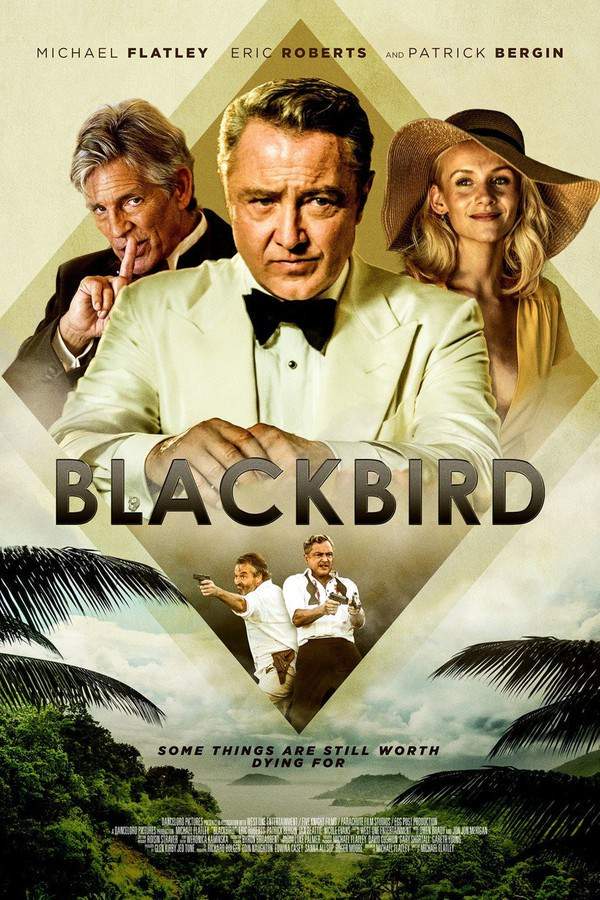
Blackbird 2015


Directed by

Patrik-Ian Polk
Made by

RLJ Entertainment
Where to Watch Blackbird
See current US streaming, rental, and purchase options for Blackbird (2015) via JustWatch.

ALLBLK
SD
ALLBLK Amazon channel
HD
ALLBLK Apple TV channel
HD
Fawesome
HD
Hoopla
SD
Amazon Video
HD
Apple TV Store
HD
Fandango At Home
SD
Google Play Movies
SD
YouTube
SD Streaming availability powered by 
Blackbird Plot Summary
Read the complete plot summary and ending explained for Blackbird (2015). From turning points to emotional moments, uncover what really happened and why it matters.
Over a weekend, Lily and Paul welcome a three-generation family to their rural lakeside home, hoping to share one last, quiet time together as Lily battles an incurable illness. The gathering is meant to be a farewell, but the tensions that have long simmered beneath the surface soon rise to the foreground.
Anna arrives late with her partner Chris, and it’s clear she is estranged from the family in a way that optics of reunion can’t disguise. Jennifer, Lily’s daughter, tries to bridge the gap and reach out to Anna, asking why she hasn’t shown up to various family events. Chris is introduced to relatives who don’t know him, and Anna’s presence becomes a point of quiet friction. Jennifer critiques Anna’s relationship with Chris, while Anna, in turn, is skeptical of Jennifer’s husband Michael. Lily’s long-time friend Liz also feels the weight of complicated history with the family, and her presence stirs its own set of unspoken judgments.
The central thread is Lily’s plan to end her life on her own terms after the weekend—an option her husband Paul supports, even as the rest of the family wrestles with the morality and consequences of such a decision. While the purpose of the visit is sorrowful, the weekend settles into familiar communal rituals—crossword puzzles, charades, shared meals—moments that momentarily mask the weight of the choice looming over them.
As the days unfold, the family becomes a mirror for each other’s stories and secrets. The grandson Jon asks his grandfather how they will carry out the euthanasia, revealing the practical and emotional complexity of the plan: because euthanasia is illegal in their state, Paul intends to tell the 911 dispatcher that Lily must have taken the medication while he was on a walk, effectively outsourcing the truth to a crisis line. Jon senses the fragility of Lily’s health, while Paul explains that Lily is likely to deteriorate quickly once she starts to decline.
A sense of ritual seeps into their routine, and Lily even suggests an early Christmas, assigning tasks and inviting everyone to participate in a family performance of sorts. During a walk, she points out the very land where Jennifer was conceived, a revelation that ties the family’s past to the place they now inhabit. Jennifer’s own conception story, by contrast, feels ordinary in Lily’s telling, underscoring how much of their history remains private and personal.
As Lily’s end approaches, the emotional load becomes hardest for her daughters, Jennifer and Anna. Anna confides in Chris about her sister’s potential plan to call 911, and Jen’s response swings between protective instinct and stubborn loyalty to Lily. In the kitchen, Jen discovers pentobarbital—an object that crystallizes the gravity of Lily’s choice and the stakes for everyone present. Jon, meanwhile, provides a glimpse into a future he longs for, confessing a hidden wish to become an actor, a desire that adds another layer to the family’s portrait of ambition and constraint.
During dinner, Lily marks the moment with tokens that symbolize each person’s role in her life: pieces of jewelry for everyone, a novelty tie for Michael, and an unexpected gift for Jen. The exchange highlights both affection and the control that well-meaning relatives exert over one another, especially as Anna emphasizes they are “messed up,” revealing scars from past struggles and a recent admission of hospitalization for attempted suicide.
As night deepens, Anna reveals to Chris the extent of her sister’s struggles, including bipolar disorder, and Jen confronts Anna about her intentions. A sense of unease settles over the house as Jen discovers Paul and Liz sharing a moment downstairs, prompting sleepless hours spent poring over old photo albums and recognizing Liz’s presence on countless family trips.
The next morning, Lily urges a slower, more relaxed Sunday, but Jen pieces together a plan with Anna to block the euthanasia by calling 911. They press Lily for confessions from Paul or Liz, and Lily, trying to shield those she loves from loneliness, insists that it was her own idea, not theirs. The mood shifts from protective to confrontational as the family eyes the line between memory and mercy.
Ultimately, Lily rallies the participants to be part of the ritual, but Jen and Anna insist on standing by Paul at Lily’s side as she drinks the medication. The moment arrives with heavy sincerity, and one by one the family members depart, each stepping away to honor Lily in their own way as the weekend ends. The film leaves a quiet, unsettled aftermath—a family’s complicated love laid bare, a matriarch’s choice honored and contested, and questions about what it means to say goodbye when life and liberty brush up against one another.
Blackbird Timeline
Follow the complete movie timeline of Blackbird (2015) with every major event in chronological order. Great for understanding complex plots and story progression.
Weekend gathering at the lakeside home
Lily and Paul invite their multi-generational family to their rural lakeside home for a weekend. Anna and her partner Chris arrive late, signaling an underlying estrangement. The family settles in as they begin to say goodbye to Lily, who is suffering from an incurable disease.
Anna's late arrival and estrangement
Anna arrives with Chris, and Jennifer helps her in her room, asking why she hasn't responded to various family events. The relatives start to realize that several important people are out of the loop because of Anna's presence. The tension hints at deeper divides within the family.
Tension and judgments surface
Anna lists all the pursuits she has quit, prompting comments about commitment and self-identity. Jennifer questions Anna's relationship with Chris, and both disapprove of his on-and-off presence. Lily's long-time friend Liz's presence also becomes a point of contention.
Quiet weekend rituals begin
The family spends the weekend doing crossword puzzles and light games to cope with Lily's illness. Paul hints at euthanasia happening after the weekend, and the group drifts between affection and unease. They attempt to preserve normalcy while facing the end of Lily's life.
Morning discussion of euthanasia and legality
The next morning, grandson Jon asks how they will carry out Lily's euthanasia. Paul explains that euthanasia is illegal in the state and that he will report that she took the dose while he was on a walk. He keeps the plan open as they search for a way to make it seem plausible.
Early Christmas and land revelation
At breakfast, Lily suggests an early Christmas and assigns tasks to everyone. They walk the land where Jennifer was conceived, which explains why Lily and Paul own the home there. Anna's conception story is said to be ordinary in comparison.
Anna's mental health revealed by Chris
Chris pulls Jen aside to reveal Anna's suicide attempt and bipolar diagnosis. The revelation heightens the tension around whether Anna should be actively involved in her sister's plan. Jen debates how to handle her sister's mental health in the context of the euthanasia plan.
Pentobarbital discovery in the kitchen
In the kitchen, Jen discovers pentobarbital, the drug planned to end Lily's life. The discovery fractures the family’s plan and forces a confrontation about who has the right to decide Lily's fate. The mood shifts from closeness to secrecy and fear.
Jon's moment of honesty
Jon hangs ornaments and asks Lily for life advice. Lily tells him that elders are not necessarily wiser, a line that resonates with the generational strain in the house. He confesses a hidden longing to become an actor, revealing a small thread of hope amid the sorrow.
Dinner gifts and family control
During dinner Lily distributes meaningful gifts—jewelry for each daughter, a novelty tie for Michael, and a dildo for Jen. The gifts underline the family's complicated dynamics and the boundaries they impose. The moment highlights both affection and control within the clan.
Revelations and exhaustion
Lily proclaims she raised two strong, independent women, but Anna counters that they are both messed up. Anna reveals she has been institutionalised for attempted suicide. Lily becomes suddenly exhausted and goes to bed.
Hidden truths and Liz's involvement
Chris pulls Jen aside to explain Anna's condition. Jen confronts Anna about her plan to call 911 to thwart the euthanasia. Downstairs, Jen discovers Paul and Liz embracing, realizing Liz has been part of their trips for years.
Sunday decision to block euthanasia
Sunday morning arrives, and Lily wants a lazy day, but Jen and Anna vow to block the euthanasia by calling 911. They push for intervention, hoping to stop the plan from proceeding.
Lily explains it was her idea
Lily tells everyone that the idea to proceed with euthanasia came from her, not from anyone else, to avoid loneliness. The confession aims to ease guilt and reassert her control over the choice. The family sits with the revelation as tensions remain.
Final agreement and departure
Lily builds a consensus to proceed with euthanasia, but Jen and Anna insist on staying with Paul at Lily's side as he drinks the medication. Afterward they drive off, one by one, marking the weekend's quiet, unsettled end.
Blackbird Characters
Explore all characters from Blackbird (2015). Get detailed profiles with their roles, arcs, and key relationships explained.
Lily
Lily is the matriarch facing an incurable illness, whose weekend farewell becomes a crucible for family loyalties. She wields warmth and authority, guiding rituals while guarding her autonomy in the face of death. Her presence blends grace with quiet pressure, pushing others to confront their own limits. She embodies dignity and resolve in choosing her own end.
Paul
Paul is Lily’s husband, the family patriarch who quietly steers the conversation toward Lily’s end. He plans the euthanasia with care, considering legal and ethical constraints and even hinting at misleading authorities to protect Lily’s choice. He carries a mix of tenderness and secrecy, balancing loyalty to Lily with the weight of family expectations. His actions catalyze the weekend’s moral storms as old loyalties collide with modern ethics.
Anna
Anna is Lily’s estranged daughter, recently dealing with bipolar disorder and a history of institutionalisation. Her arrival unsettles the family and exposes painful truths about belonging and forgiveness. She is determined to intervene when the euthanasia is proposed, yet she is vulnerable and seeks connection with her sister and parents. Her struggles illuminate the fragility of reconciliation within a family carrying secrets.
Jennifer
Jennifer is Lily’s other daughter, practical and protective of her mother, wary of Anna and interfering dynamics. She acts as a mediator who hides doubts beneath a composed exterior, and she faces the stress of a troubling discovery when the pentobarbital is found. Her loyalty to Lily challenges her to confront painful truths and balance truth with family harmony. She embodies a conflicted devotion to both mother and sisters.
Chris
Anna’s partner, who is not fully aligned with either side and seems uneasy about the plan to block the euthanasia. He worries about Anna’s wellbeing and struggles with loyalty to her while trying to respect Lily’s autonomy. His presence adds tension to the household as ethical choices collide with relationship loyalties. He embodies conflict between personal ethics and family allegiances.
Michael
Jennifer’s husband, a social observer who appears practical and distant, contributing to the family’s dynamics with a sense of tradition and formality. He participates in rituals and conversations with a measured tone, sometimes clashing with newer perspectives. His stance underscores the friction between contemporary attitudes and established expectations within the family.
Liz
Lily’s long-time friend, who has been part of the family trips and holds a discreet place within the weekend’s dynamics. Her presence hints at a hidden closeness with Paul and adds complexity to loyalties and trust. She surfaces as both confidant and potential source of tension, depending on how truths emerge.
Jon
Jon is Lily’s grandson, observant and curious, who asks for life advice and reveals his own dream of becoming an actor. His perspective provides a lens of youth amid adult turmoil and his questions probe meaning, ambition, and the future for the family. He embodies innocence and the hope of pursuing passion despite family struggles.
Blackbird Settings
Learn where and when Blackbird (2015) takes place. Explore the film’s settings, era, and how they shape the narrative.
Time period
Present day
The story unfolds in contemporary times during a summer weekend that doubles as a farewell. The surrounding environment of a lakeside home provides space for slow, domestic routines amid a high-stakes moral decision. The plot uses ordinary family activities to illuminate the drama of autonomy, duty, and mortality in the modern era.
Location
Rural lakeside family home
A sprawling family home set at a tranquil lakeside property where multiple generations converge for a weekend. The house serves as the backdrop for intimate conversations, confrontations, and shared rituals like puzzles and meals. Its quiet exterior contrasts with the emotional intensity inside as the family negotiates illness, memory, and impending loss.
Blackbird Themes
Discover the main themes in Blackbird (2015). Analyze the deeper meanings, emotional layers, and social commentary behind the film.
🧭
Family Duty
The film probes what family owes one another when love collides with obligation. Generational perspectives clash as Lily’s decision exposes long-standing loyalties and unspoken resentments. The weekend becomes a testing ground for who has the right to determine another’s fate. The tension between care and control threads through every interaction.
⚖️
Euthanasia Ethics
Euthanasia sits at the center of the conflict, framed by legality, morality, and personal choice. The family grapples with whether ending a life is a compassionate act or a violation of autonomy. Paul’s plan to conceal Lily’s actions forces a debate about truth, consent, and the limits of family solidarity. The narrative uses dialogue and secrecy to explore ethical gray areas.
⏳
Mortality
The inexorable approach of death shadows every scene, shaping how characters speak and act. Illness elevates ordinary moments—breakfasts, walks, gifts—into anchors of meaning and memory. The film examines aging, fragility, and the desire to control the end while recognizing the inevitability of loss. Through Lily and her loved ones, mortality becomes both a personal journey and a social confrontation.

Coming soon on iOS and Android
The Plot Explained Mobile App
From blockbusters to hidden gems — dive into movie stories anytime, anywhere. Save your favorites, discover plots faster, and never miss a twist again.
Sign up to be the first to know when we launch. Your email stays private — always.
Explore the mobile appBlackbird Spoiler-Free Summary
Discover the spoiler-free summary of Blackbird (2015). Get a concise overview without any spoilers.
In the quiet heat of a small Midwestern town, a teenage boy walks the razor‑thin line between the persona he projects and the feelings he keeps locked inside. Randy carries the weight of expectations from a family that values resilience above all else, and his friends see only the bravado he wears like armor. Beneath that surface lies a storm of unspoken doubts, a yearning to be seen for who he truly is rather than who he feels forced to become.
The world of the film is intimate and familiar—a neighborhood porch, a school hallway, the soft glow of streetlights after dusk—yet each setting feels charged with the tension of a young man’s inner battle. The tone balances tender melancholy with moments of quiet humor, hinting at the ways everyday life can both mask and magnify personal turmoil. As Randy navigates school, family gatherings, and the subtle politics of teenage friendship, the audience is invited to sense the fragile crack in his carefully constructed façade.
When the first stirrings of romance appear, they serve as both a mirror and a catalyst, reflecting back the parts of himself that Randy has long tried to hide. The emerging connection gently nudges him toward confronting the dissonance between his public self and his private insecurities, setting the stage for a subtle yet profound journey of self‑recognition. The film whispers of the universal struggle to reconcile the desire to belong with the courage to be authentic.
Through atmospheric cinematography and a restrained score, the story paints a portrait of a young man on the cusp of change, inviting viewers to linger in the spaces between words and actions, and to wonder how far a quiet, personal awakening can travel before it reshapes the world around it.
Movies with Similar Twists and Themes
Uncover films that echo the narrative beats, emotional arcs, or dramatic twists of the one you're exploring. These recommendations are handpicked based on story depth, thematic resonance, and spoiler-worthy moments — perfect for fans who crave more of the same intrigue.





Featured on this page

What's After the Movie?
Not sure whether to stay after the credits? Find out!
Check out our other apps:

SAT Sphere
Build confidence for the Digital SAT.

Mori Atlas
Discover wild places worth protecting.

Luntero
Search smarter for a home in Amsterdam.

Plot Explained
Unravel movie endings and hidden clues.

Pokechamp
Dive into Pokémon data and battle logic.

Driving Theory
Get ready for your European theory test.

Movie Dust
Plan your next cinema trip with ease.

Musemap
Find art and culture as you travel.

Selkobase
Compare credentials before committing.

Local Manual
Turn an unfamiliar country into practical next steps.

Lernavi
Compare school systems before your next move.

GymRoam
Find a workout stop wherever your plans take you.
Explore Our Movie Platform
New Movie Releases (2026)
Famous Movie Actors
Top Film Production Studios
Movie Plot Summaries & Endings
Major Movie Awards & Winners
Best Concert Films & Music Documentaries
Movie Collections and Curated Lists
© 2026 What's After the Movie. All rights reserved.
Privacy Policy