What Is Billy the Kid About?
The premise of Billy the Kid in 345 words, with nothing given away. The full story follows below.
The story opens on the raw, sun‑scorched plains of New Mexico in the early 1880s, a land where the line between law and lawlessness is as thin as the dust that swirls through the towns and ranches. Frontier towns pulse with the uneasy rhythm of gun‑smoke and whispered deals, while endless horizons hint at both freedom and danger. In this world of stark contrasts—vast open sky against the rigid grip of authority—every face carries a history that can be read in a single glance.
William Bonney, known to the world as Billy the Kid, rides into this landscape with a reputation that precedes him. A hot‑headed gunslinger whose name is spoken in both awe and fear, Billy is a man shaped by violence yet haunted by the possibility of a different life. He moves with the restless energy of someone constantly testing the limits of his own legend, and his quick draw is matched only by the restless turmoil that underlies his swagger.
Eric Keating appears as a stark antidote to the chaos that surrounds him. A peaceful rancher who values steadiness over bloodshed, Keating extends a hand of employment and, more importantly, an invitation to a quieter existence. Through his quiet strength, the ranch becomes a temporary sanctuary where Billy catches a glimpse of what life might be without the constant echo of gunfire. Meanwhile, Jim Sherwood—once a trusted companion and now a marshal—embodies the law that Billy has long skirted. Their shared past adds a layer of complexity to the unfolding drama, suggesting that old loyalties may be tested as new tensions rise.
When tragedy strikes the Keating household, the fragile balance that has kept Billy from a harsher path begins to crumble. The murder that follows pulls him inexorably toward a ruthless quest for retribution, setting him on a collision course with the very forces of law and friendship he has known. In the rugged frontier, the pursuit of vengeance becomes a crucible that forces Billy to confront the stark choices between honor, loyalty, and the relentless pull of his own legend.
What Happens in Billy the Kid?
The complete story of Billy the Kid, from the first scene to the last, in 753 words (about 3 minutes). Spoilers throughout.
Spoilers ahead
1880 marks the era of legendary gunslingers in Lincoln, New Mexico, and the notorious Billy Bonney [Robert Taylor] is already a figure of fear and fascination. In a bold move to help his friend Pedro Gonzales [Frank Puglia], Billy meddles with the local jail, aiding Pedro’s escape from a system that has kept him confined by a sheriff who treats ethnicity as a crime. The two men slip back into a town atmosphere that still carries the sting of prejudice, and they soon run afoul of power. The harsh sheriff Cass McAndrews [Cy Kendall] keeps a tight grip on the region, and his presence looms large as Billy’s past and present collide.
Back at a saloon where Pedro was once ostracized, the brutal Dan Hickey [Gene Lockhart], a cattle baron with his own sense of order, spots Billy and decides to recruit him for a different kind of work—one that involves intimidating farmers into joining Hickey’s territory and business. What starts as a calculated scare evolves into a reckless stampede, as Hickey’s men spark chaos by driving cattle through fields and fences, turning livelihoods into hazards and turning the countryside into a maze of fear. A farmer loses his life amid the confusion, and Billy is left to grapple with a growing guilt that gnaws at him as the consequences of his actions sink in.
Into this volatile mix steps Jim Sherwood [Brian Donlevy], an old friend who now works for Eric Keating [Ian Hunter], a man known for his non-violent approach to mounting trouble. Jim arranges for Billy and Pedro to come under Eric Keating’s protection, a pause from the violence and a chance to find a path that doesn’t spiral into bloodshed. On the Keating ranch, Billy meets Edith Keating [Mary Howard], Eric’s sister, and in her presence he feels a pull toward a sense of belonging that he hasn’t felt in years. The ranch offers him a sense of steadiness, a place where the storms of the past might be tempered by a chance at something steadier and more humane. Yet the shadow of the violence looms large, and tragedy soon follows.
Pedro is shot in the back by one of Hickey’s men, a brutal reminder of the costs of the feud that has gripped the region. Keating, seeking a better way, urges Billy to hold back and wait for a governor’s intervention before taking any revenge. But the moment of caution is short-lived; Keating never returns from his trip to the governor, leaving Billy and the Keating household to face the consequences on their own. At Edith’s birthday party, the tension erupts as Keating’s horse returns riderless, and Billy resolves to confront Hickey and his men directly. Hickey, ever the strategist, sends a messenger to sway Billy’s companions with a hollow claim that Keating has died, but the truth doesn’t bend easily under deceit. Keating’s supporters refuse to walk into a trap, and the confrontation grows teeth as Hickey attempts to stall with negotiations while calling for reinforcements.
As the danger escalates, Jim seems to tilt toward Hickey’s faction, telling the sheriff to lock up Billy and Tim Ward [Henry O’Neill] for their own protection—a move that Billy interprets as betrayal. The sheriff makes a grave miscalculation, and Ward disarms the sheriff, leaving Billy to decide his own course. In a climactic turn, Billy kills the sheriff, believing he still poses a threat, and then Billy and Ward pursue the killers of Keating, tracing them one by one and removing them from the equation.
When the dust settles, Hickey’s gang is no longer a threat to Keating’s world, and the chase brings Billy face to face with Jim once more. A final duel unfolds, but Jim’s skill has shifted with a change of hands—Billy’s habitual quick left draw is met by Jim’s quick right. The duel ends with Billy being shot by Jim after a calculated misdirection of hands, and the terrible truth sinks in. Jim realizes that Billy had let him win, a last, grim lesson about choice, loyalty, and the cost of vengeance.
In the end, the film lingers on the gray morality of its frontier world, where alliances are fragile, violence leaves scars, and even a man as famed as Billy the Kid cannot cheat the arc of fate. The landscape remains vast and unforgiving, much like the choices that define its inhabitants, and the final image lingers on the idea that power, trust, and memory can all be bent by a single moment of decision.
Billy the Kid Timeline: Every Key Event in Order
14 key events in the order they happen, from “Billy helps Pedro escape from Lincoln jail” to “Final duel: Billy vs. Jim; Billy lets Jim win”. 14 events name a place, across 10 locations.
- 1
Billy helps Pedro escape from Lincoln jail
William Bonney, already known as Billy the Kid, helps his friend Pedro Gonzales escape from a jail in Lincoln, New Mexico. The act pits him against the local authorities and marks an early public display of his willingness to bend the law for friends. The escape sets off the chain of events that drags him into the region's rising violence.
When:1880 Where:Lincoln, New Mexico
- 2
Hickey's cattle stampede to scare farmers
Hickey's men orchestrate a stampede among local farmers' cattle to coerce them into joining Hickey's business. The chaotic spectacle results in the death of a farmer and intensifies tensions in the area. Billy experiences guilt over his role and begins to question the path of violence.
When:1880 Where:Outskirts of Lincoln vicinity
- 3
Jim Sherwood points Billy toward Keating's non-violent path
During the aftermath, Jim Sherwood reconnects with Billy and reveals he works for Eric Keating, a man who advocates non-violence. Jim helps arrange for Billy and Pedro to join Keating's ranch instead of Hickey's operation. Billy starts considering a future that avoids reckless bloodshed.
When:1880 Where:Lincoln, New Mexico
- 4
Billy arrives at Keating ranch and meets Edith
At the Keating ranch, Billy is welcomed into a calmer life and is instantly drawn to Edith, Keating's sister. He finds himself fitting in, enjoying hospitality and a sense of belonging away from gunslinger myths. The ranch atmosphere offers a stark contrast to his notorious reputation.
When:1880 Where:Keating Ranch
- 5
Pedro is shot; Keating urges restraint
Pedro Gonzales is shot in the back and killed by one of Hickey's men, shocking Billy to his core. Keating counsels Billy not to seek revenge and instead waits while he tries to negotiate with the governor. The murder amplifies the dilemma between vengeance and peacemaking.
When:1880 Where:Keating Ranch
- 6
Keating leaves for the governor and does not return
Keating leaves to speak with the governor about the violence and vanishes, leaving Billy to face the dangerous situation alone. The absence unsettles the fragile peace at the ranch and pushes Billy toward pursuing Hickey. Billy must decide whether to wait or act.
When:1880 Where:Keating Ranch
- 7
Edith's birthday party; Keating's horse returns empty saddle
At Edith's birthday party, a foreboding sign appears when Keating's horse returns without its rider. The group senses danger and Billy steels himself for the worst. The celebration gives way to a tense atmosphere as the search for Keating and answers begins.
When:1880 Where:Keating Ranch
- 8
Billy decides to pursue Hickey's men
Driven by Pedro's death and a desire to restore justice, Billy sets out with Ward and Pedro's memory in mind to confront Hickey's gang. He abandons any thought of a quiet life and heads into the conflict directly. The pursuit marks a turning point toward open vengeance.
When:1880 Where:Lincoln area
- 9
Hickey uses a false report to stall the pursuit
Hickey sends a messenger to mislead Keating's men, claiming Keating died while fleeing from the sheriff. The lie aims to buy time for reinforcements and to degrade trust among the pursuers. Billy's group remains unswayed, determined to seek justice for Pedro.
When:1880 Where:On the road to Lincoln
- 10
Jim switches sides and the sheriff closes in
Jim appears to switch loyalties, advising the sheriff to lock up Billy and Tim Ward for protection. Billy remains wary of Jim's motives as law enforcement closes the net. The trust between allies fractures, fueling tension and suspicion.
When:1880 Where:Lincoln Sheriff's Office
Show the other 4 events of Billy the Kid Hide the last 4 events
- 11
Ward disarms the sheriff; Billy kills the sheriff
Ward disarms the sheriff, but Billy misreads his intent and shoots the officer, believing he was about to eliminate them. This act expands Billy's vigilante path and deepens the cycle of violence surrounding Hickey's gang. The incident intensifies the pursuit with a more personal vendetta.
When:1880 Where:Sheriff's Office, Lincoln
- 12
Billy and Ward hunt down Hickey's men
Billy and Ward methodically track and shoot Hickey's gunmen one by one as they close in on the mastermind. The killings push the frontier justice narrative to its breaking point and test their loyalties to one another. The pursuit grows increasingly perilous and personal.
When:1880 Where:Lincoln area, various locations
- 13
Confrontation with Jim and Hickey; Hickey is shot in the back
Jim and Hickey arrive on the scene as Billy confronts them directly. Jim tries to intervene and stop Billy from shooting Hickey, but Billy fires, shooting Hickey in the back. The act cements Jim and Hickey as adversaries and plunges Billy deeper into tragedy.
When:1880 Where:Near Hickey's camp
- 14
Final duel: Billy vs. Jim; Billy lets Jim win
Billy challenges Jim to a final duel, but he has secretly shifted his draw hand to the right. Jim is faster and shoots Billy, killing him. Only afterward does Jim realize Billy let him win, marking a bitter and ironic end to their long rivalry.
When:1880 Where:Open range near Lincoln
Who Are the Main Characters in Billy the Kid?
8 characters, among them Billy Bonney (Robert Taylor), Pedro Gonzales and Jim Sherwood: who each one is and the part they play in the story. Every profile links to the actor’s page.
-
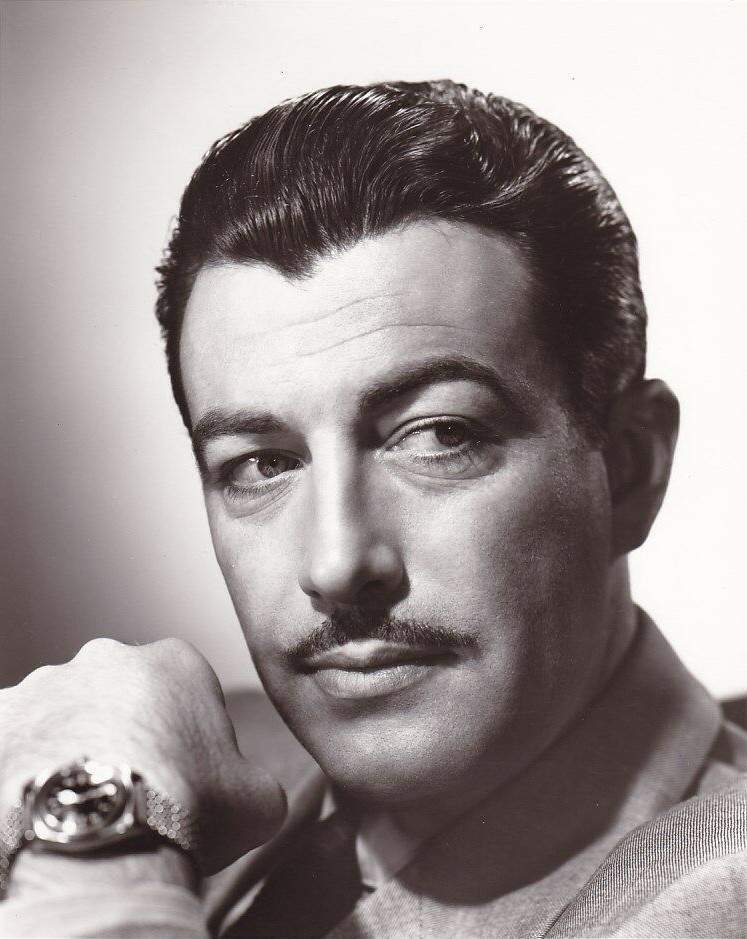
Billy Bonney (Robert Taylor)
Played by Robert Taylor
A famous gunslinger known as Billy the Kid. He helps Pedro escape, is hired to menace farmers by Dan Hickey, feels guilty after the stampede, and wrestles with violence versus restraint as he pursues justice.
- 🗡️ Gunslinger
- 🤝 Complex loyalties
- 💔 Tragic figure
- PG
Pedro Gonzales
Played by Frank Puglia
Billy’s ally who is jailed and escapes with Billy. He’s treated as an outsider by locals, and is killed by Hickey’s men, underscoring the peril faced by those allied with Billy.
- 🧭 Outsider
- 🤝 Loyal ally
- 💔 Victim
- JS
Jim Sherwood
Played by Brian Donlevy
Billy’s childhood friend who works for Eric Keating. He helps bring Billy and Pedro to the Keating ranch but later appears to switch sides, and ultimately participates in the confrontation that leads to Billy’s death.
- 🤝 Ally-turned-enemy
- 🗡️ Conflict
- 🧭 Shifting loyalties
- EK
Eric Keating
Played by Ian Hunter
A non-violent rancher who tries to resolve the conflict through dialogue, inviting Billy to work at his ranch. He travels to the governor to seek a peaceful solution, and his absence fuels the ensuing crisis.
- 🕊️ Peaceful reformer
- 🌿 Ranch life
- 🧭 Mediation
- EK
Edith Keating
Played by Mary Howard
Eric Keating’s sister and Billy’s love interest. She is drawn to Billy and represents a humane counterpoint to the violence surrounding the feud.
- ❤️ Love interest
- 🌹 Compassion
- 👩🌾 Ranch life
-
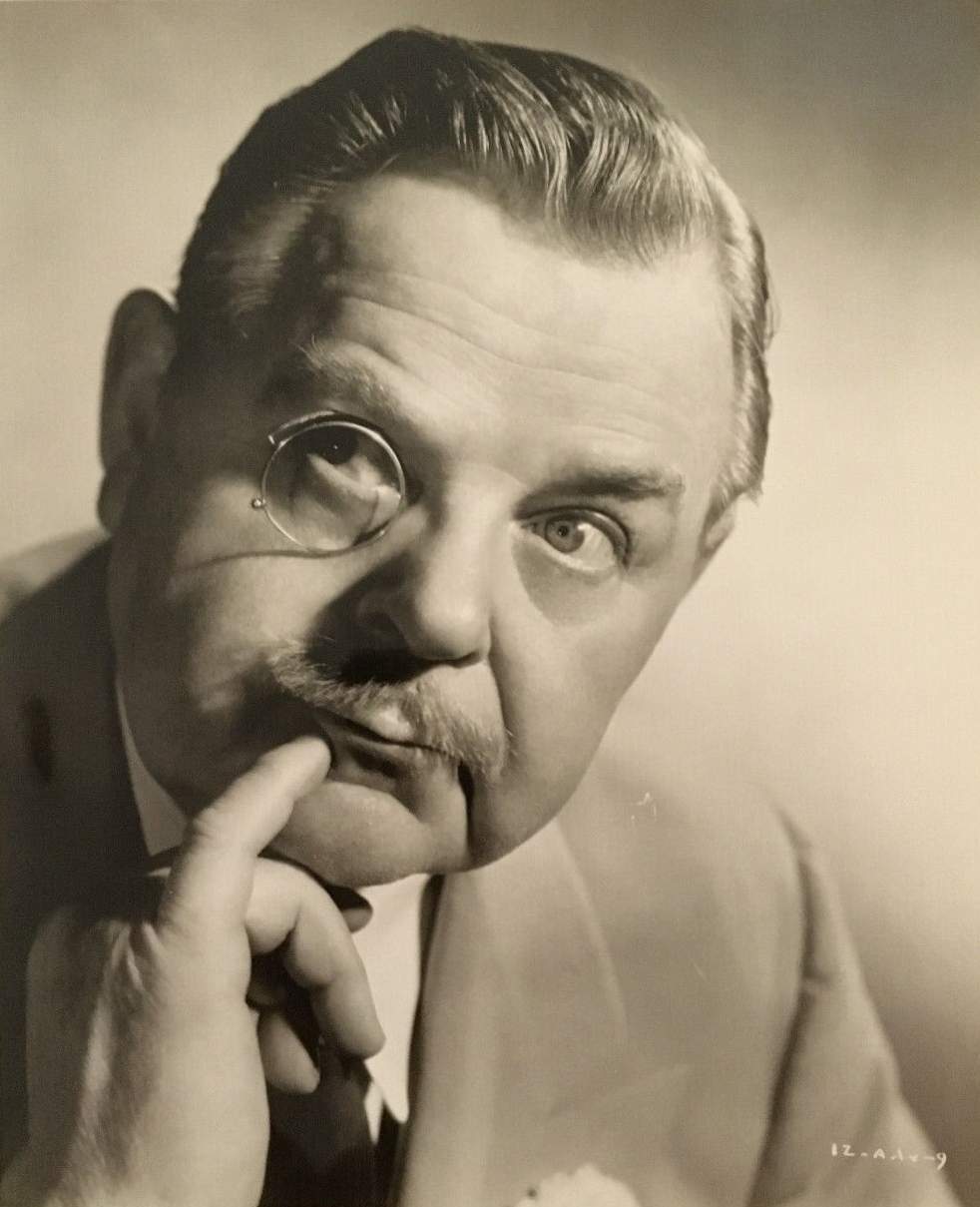
Dan Hickey
Played by Gene Lockhart
A cattle baron who hires Billy to spook farmers into joining his scheme and orchestrates violent turmoil, including the stampede and the pursuit of revenge against Keating’s men.
- 💼 Cattle baron
- 🗡️ Villain
- 🕳️ Manipulator
-
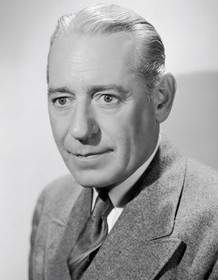
Tim Ward
Played by Henry O'Neill
A member of Keating’s group who becomes entangled in the conflict; disarmed in the pursuit and is present at the climactic confrontations.
- 🛡️ Protector
- ⚖️ Lawman-in-training
- 🗡️ Combatant
- CM
Cass McAndrews
Played by Cy Kendall
A sheriff whose harsh actions contribute to escalating tensions, notably by incarcerating Pedro and confronting Billy and his allies.
- 🏛️ Sheriff
- ⚖️ Law enforcement
- 🗡️ Adversary
Where and When Is Billy the Kid Set?
Billy the Kid is set in Lincoln and New Mexico (1880). Here is why the time and place matter to the story.
When
1880
The events unfold in 1880, a time of rough justice and frontier opportunism in the American West. Frontier towns like Lincoln rely on swift, often vigilante-style responses to conflict. The era's tensions—cattle barons, farmers, sheriffs, and gunfighters—frame Billy the Kid's early adventures and the escalating violence.
Where
Lincoln, New Mexico
Lincoln, New Mexico is a rough frontier town set in the 1880s. The town is a backdrop of saloons, jails, and ranches where law and order are fragile and violence is common. The period's feuds between cattle barons and locals drive the action and shape Billy the Kid's notoriety.
- 🏜️ Frontier town
- 🧭 Old West
- 🐂 Cattle country
What Are the Themes of Billy the Kid?
3 ideas the story keeps returning to, among them Justice, Loyalty and Tragedy.
-
01
Justice
The story probes whether justice can be achieved through lawful means or through force. Billy’s actions swing between protection of others and personal vengeance, revealing the moral ambiguity of frontier justice. The narrative highlights how outcomes depend on fragile institutions that can’t easily stop reprisal. The ending underscores how pursuit of justice can become a trap with deadly consequences.
-
02
Loyalty
Loyalty tests and loyalties shift across friends and allies. Pedro stands by Billy in difficult moments, while Jim Sherwood's allegiance flickers between friends and rivals. Keating’s non-violent approach contrasts with Hickey’s brutality, shaping how characters trust or betray one another. These dynamics drive the plot and amplifiy the cost of loyalty in a violent town.
-
03
Tragedy
Violence exacts a heavy toll on everyone involved. Pedro dies, and Keating disappears, deepening Billy’s sense of guilt and the costs of revenge. The ending culminates in a fatal kill orchestrated through manipulation, underscoring the story’s tragic view of the frontier. The arc suggests that even noble aims can end in irreversible loss.
What Kind of Film Is Billy the Kid?
Dark in tone, with fast pacing and a straightforward story, going by the plot summary.
- Tone
- Dark
- Pacing
- Fast
- Story
- Straightforward
- Intensity
- High
- Ending
- Sad
A tense and grim Western driven by a relentless quest for vengeance, where the protagonist's tragic flaws lead to a fatal and deeply melancholic conclusion.
- vengeful
- grim
- tense
- tragic
- fatalistic
- ruthless
- revenge
- outlaw
- corruption
- friendship betrayed
Content notes: murder, gun violence, racial prejudice.