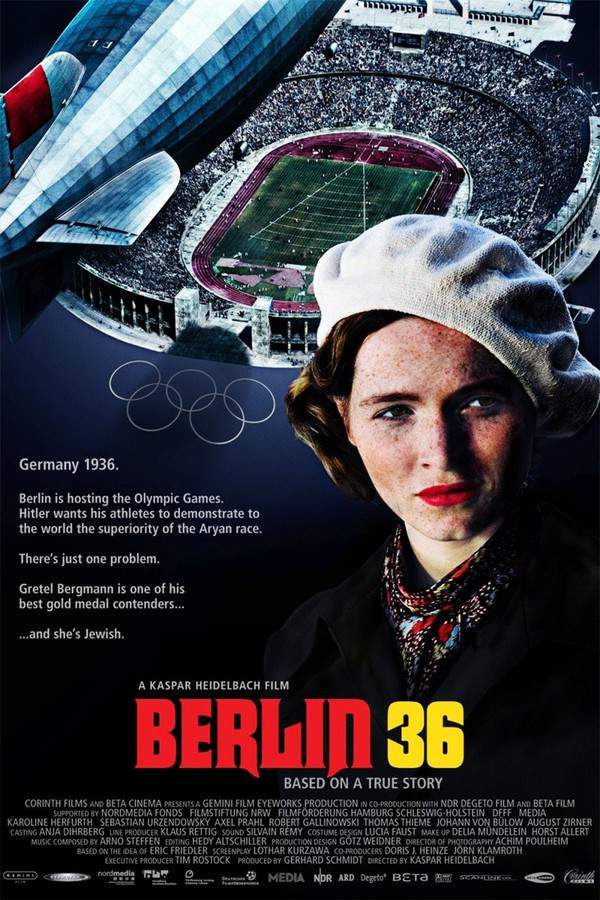



Berlin 36 Plot Summary
Read the complete plot summary and ending explained for Berlin 36 (2011). From turning points to emotional moments, uncover what really happened and why it matters.
As the high jump championships take place in the United Kingdom, German athlete Gretel Bergmann emerges victorious, a true reflection of her relentless dedication and exceptional skill. However, this achievement is overshadowed by the grim reality imposed by Nazi Germany’s racial laws that had previously compelled her father to send her away for her safety. With the Berlin Olympics approaching, Gretel is thrust back into the limelight, as the International Olympic Committee insists on the participation of Jewish athletes, including her.
The implications are monumental—if a Jewish competitor were to win, it would strike a significant blow to the Nazi party’s pride and status. Meanwhile, tensions are escalating, with Gretel’s family back in Germany facing threats, prompting her return home. Although initially embraced by the German Olympic high jump team, Gretel soon finds herself ensnared in a web of deception as her coach, Hans Waldmann, is forced out by Sigfrid Kulmbach, a party loyalist hell-bent on dismantling her confidence and spirit.
Amidst this turbulent environment, Gretel forges an unexpected friendship with her roommate and rival, Marie Ketteler. But as events unfold, the truth becomes clearer: Marie is actually a man desperate to hide his identity from the scrutinizing eyes of the Nazi officials. As the tension mounts, Gretel finds herself unjustly barred from competition under false pretenses, with her position taken by Marie—a cruel betrayal that cuts deep.
Marie’s transformation into a female athlete is remarkable, as he meticulously shaves his legs multiple times daily, adopts feminine behaviors, and even dons women’s clothing to maintain the façade. Despite these extensive efforts, Marie’s true nature remains concealed until Gretel ultimately uncovers the shocking truth. In a final act of defiance, Marie resolves to deliberately fail in the last high jump competition, ensuring that the dislodged bar extinguishes Germany’s hopes for victory.
As this riveting saga concludes, Gretel and Marie share a knowing smile, a silent acknowledgment of their collective struggle against the Nazi regime, culminating in a magnificent setback for the oppressive forces that sought to control them.
Berlin 36 Timeline
Follow the complete movie timeline of Berlin 36 (2011) with every major event in chronological order. Great for understanding complex plots and story progression.
Gretel's Victory
In the high jump championships held in the United Kingdom, German athlete Gretel Bergmann showcases her unmatched skills. Her hard work and dedication culminate in a triumphant win, earning her the recognition she deserves on an international stage.
Nazi Germany's Reality
Despite her victory, Gretel's achievement is overshadowed by the oppressive racial laws of Nazi Germany. These laws previously forced her father to send her away, highlighting the grim reality that Jewish athletes face during this unsettling time.
Approaching Berlin Olympics
As the Berlin Olympics draw near, Gretel finds herself thrust back into the spotlight of the international sports world. The International Olympic Committee insists on including Jewish athletes, creating a complex situation for both them and the Nazi regime.
Family Threats
With rising tensions in Nazi Germany, Gretel's family faces increasing threats due to their Jewish identity. This dire situation compels Gretel to return home, adding a sense of urgency and personal stakes to her challenges.
Joining the German Team
Upon her return, Gretel is initially welcomed into the German Olympic high jump team. This moment represents both hope and irony, as she navigates her complicated identity as an athlete in a country that disparages her.
Deception Unfolds
As Gretel settles into the team, she unknowingly becomes entangled in a web of deception. Her coach, Hans Waldmann, is ousted by Sigfrid Kulmbach, a party loyalist intent on undermining her confidence and sabotaging her ambitions.
Unexpected Friendship
Amidst the turmoil, Gretel develops an unlikely friendship with her roommate and rival, Marie Ketteler. Their camaraderie offers a fleeting sense of normalcy, even as Marie harbors a secret that complicates their bond.
Marie’s Secret Identity
As tensions rise, Gretel discovers that Marie is not who she appears to be. In a desperate attempt to evade Nazi scrutiny, Marie is actually a man, disguising himself as a female athlete to navigate the oppressive regime.
Unjust Exclusion
Gretel is unjustly barred from her rightful place in the competition, a heart-wrenching result of the political machinations surrounding her. Marie, taking Gretel's position, commits an act of betrayal that deeply affects their friendship.
The Transformation
Marie undergoes a profound transformation to maintain his disguise, meticulously adopting behaviors and appearances typically associated with female athletes. This dedication underscores the lengths to which individuals go to survive in a hostile environment.
Truth Revealed
Ultimately, the truth about Marie's identity is revealed to Gretel, shattering her perception of their relationship. This revelation forces both characters to confront their intertwined fates in a world that seeks to redefine who they are.
Final Competition
In a dramatic final moment, Marie resolves to deliberately fail at the last high jump competition. This act ensures that the bar falls, snuffing out Germany’s hopes for victory and serving as a powerful defiance against the oppressive regime.
Defiance Against Oppression
As the competition concludes, a silent understanding forms between Gretel and Marie. They share a profound smile that signifies their shared struggle and resilience in the face of Nazi oppression.
Aftermath of the Saga
In the aftermath of these events, both Gretel and Marie emerge as symbols of resistance against the Nazi regime. Their stories reflect the larger fight for identity and dignity amidst a backdrop of societal intolerance.
Berlin 36 Characters
Explore all characters from Berlin 36 (2011). Get detailed profiles with their roles, arcs, and key relationships explained.
Gretel Bergmann
Gretel Bergmann is a fiercely dedicated athlete whose talent is overshadowed by the oppressive political climate of Nazi Germany. Her resilience is tested as she confronts antisemitism and betrayal within her own team. Ultimately, Gretel's journey is one of empowerment as she navigates her challenges and seeks to assert her identity and right to compete.
Marie Ketteler
Marie Ketteler's character presents a poignant exploration of identity and deception, as he disguises himself as a female athlete to escape persecution. His elaborate efforts to maintain this facade symbolize the extreme lengths to which individuals will go to survive under oppressive regimes. Marie's internal conflict ultimately drives him to make a powerful choice in the climactic moments of the story.
Hans Waldmann
Hans Waldmann serves as Gretel’s supportive coach, embodying compassion amidst a hostile environment. His character reflects the struggle against the Nazi regime's influence over athletes, as he faces pressure and danger for advocating for Gretel's rights. Hans represents the voice of reason and support in a time of fear and uncertainty.
Sigfrid Kulmbach
Sigfrid Kulmbach is portrayed as the antagonist within the narrative, representing the ideological loyalty to the Nazi party. His tactics to undermine Gretel exemplify the high-stakes environment athletes faced during this era, where personal ambition clashed with political agendas. Kulmbach's role is a chilling reminder of the destructiveness of fanaticism.
Berlin 36 Settings
Learn where and when Berlin 36 (2011) takes place. Explore the film’s settings, era, and how they shape the narrative.
Time period
1930s
The movie is set during the tumultuous 1930s, a time marked by the rise of the Nazi party and escalating anti-Semitic policies in Germany. This era saw profound changes in societal structures and a dramatic impact on the lives of Jewish people, notably affecting athletes like Gretel Bergmann as they navigated personal talents against a backdrop of oppression.
Location
Berlin, United Kingdom
The story takes place primarily in Berlin, a city that became a focal point of political tension during the Nazi regime, yet also serves as a stage for athletic excellence. The high jump championships are held in the United Kingdom, showcasing a contrasting environment of sportsmanship and camaraderie amidst growing international strife.
Berlin 36 Themes
Discover the main themes in Berlin 36 (2011). Analyze the deeper meanings, emotional layers, and social commentary behind the film.
🏅
Sportsmanship
The theme of sportsmanship is intricately woven into the narrative as Gretel Bergmann strives to succeed in high jump competitions, reflecting her dedication and skill. However, the theme also highlights the darker aspects of competition under a regime that distorted the purity of sports, revealing the true cost of victory and participation.
🚨
Identity
Identity plays a crucial role, particularly through Marie Ketteler's struggle to conceal his true self as a man competing as a woman. This theme explores the complexities of gender and societal expectations, especially within the repressive environment of Nazi Germany, where conformity could determine one's fate.
✊
Resistance
The theme of resistance is embodied in Gretel and Marie's defiance against the oppressive norms imposed by the Nazi regime. Their friendship and shared struggle culminate in acts of rebellion that challenge the status quo, providing hope in the face of tyranny and a reminder of the power of solidarity.

Coming soon on iOS and Android
The Plot Explained Mobile App
From blockbusters to hidden gems — dive into movie stories anytime, anywhere. Save your favorites, discover plots faster, and never miss a twist again.
Sign up to be the first to know when we launch. Your email stays private — always.
Explore the mobile appBerlin 36 Spoiler-Free Summary
Discover the spoiler-free summary of Berlin 36 (2011). Get a concise overview without any spoilers.
In the shadow of the 1936 Berlin Olympics, a nation bent on projecting an image of perfect Aryan superiority watches the world’s most coveted stage. The city hums with grandiose ceremony, yet beneath the pomp lies a tightening web of ideology that threatens to eclipse the very spirit of sport. Against this austere backdrop, the story breathes with an uneasy elegance, where every stride on the field echoes with political weight.
Gretel Bergmann, a Jewish high‑jump prodigy whose talent has already turned heads across Europe, finds herself thrust into the spotlight as the International Olympic Committee insists on her inclusion. Her extraordinary skill is a quiet rebellion, a singular promise that the regime’s narrative could crumble with a single leap. The film follows her as she returns to a homeland that is both familiar and hostile, navigating a world where triumph and terror sit side by side.
Sharing the cramped quarters of the Olympic village is Marie Ketteler, a fellow competitor whose outward confidence masks a deeper, carefully guarded secret. Their budding friendship becomes a delicate dance of trust and survival, set against the ever‑watchful eyes of officials who would rather see conformity than courage. The tension between personal ambition and the oppressive expectations of the state creates a charged atmosphere that crackles with unspoken stakes.
Through moody cinematography and restrained dialogue, the film paints a portrait of resilience blooming in an environment built to suppress it. The tone balances the stark seriousness of history with the intimate, almost lyrical moments of human connection, inviting viewers to wonder how far a single athlete—and the allies she finds—might go when the world demands they bow.
Featured on this page

What's After the Movie?
Not sure whether to stay after the credits? Find out!
Check out our other apps:

SAT Sphere
Build confidence for the Digital SAT.

Mori Atlas
Discover wild places worth protecting.

Luntero
Search smarter for a home in Amsterdam.

Plot Explained
Unravel movie endings and hidden clues.

Pokechamp
Dive into Pokémon data and battle logic.

Driving Theory
Get ready for your European theory test.

Movie Dust
Plan your next cinema trip with ease.

Musemap
Find art and culture as you travel.

Selkobase
Compare credentials before committing.

Local Manual
Turn an unfamiliar country into practical next steps.

Lernavi
Compare school systems before your next move.

GymRoam
Find a workout stop wherever your plans take you.
Explore Our Movie Platform
New Movie Releases (2026)
Famous Movie Actors
Top Film Production Studios
Movie Plot Summaries & Endings
Major Movie Awards & Winners
Best Concert Films & Music Documentaries
Movie Collections and Curated Lists
© 2026 What's After the Movie. All rights reserved.
Privacy Policy