What Is Balance, Not Symmetry About?
The premise of Balance, Not Symmetry in 259 words, with nothing given away. The full story follows below.
In the atmospheric streets of Glasgow, a young American student finds herself at a crossroads after the sudden loss of her father. Caitlin arrives at the prestigious Glasgow School of Art carrying the weight of grief while navigating a new cultural landscape far from her New York roots. The film opens with her return to a world of vibrant murals, bustling cafés, and the quiet echo of lecture halls, setting a tone that blends melancholy introspection with the gritty pulse of the city.
Within the art school, Hannah, a loyal friend, provides a steady, if sometimes teasing, presence that both grounds and challenges Caitlin’s emerging sense of self. Their circle also includes Mary, Caitlin’s mother, whose own artistic ambitions stir beneath the surface, and Fiona, a passionate lecturer who urges her students to confront the erasures of history and to claim their own narratives. The classroom becomes a micro‑cosm of debate, theory, and creative pressure, where abstract ideas about representation bleed into everyday interactions, creating a fertile backdrop for personal exploration.
As the semester unfolds, the film invites viewers to watch Caitlin wrestle with questions of privilege, identity, and the role of art in processing loss. The mood is quietly urgent, framed by the mist‑kissed Glasgow skyline and the hum of studio spaces alive with unfinished canvases. Through whispered confidences, tentative collaborations, and moments of unspoken tension, the story hints at a journey of self‑discovery that may reshape relationships and redefine what it means to create—both on the canvas and within the fragile balance of a life newly altered.
What Happens in Balance, Not Symmetry?
The complete story of Balance, Not Symmetry, from the first scene to the last, in 781 words (about 3 minutes). Spoilers throughout. Names in the text link to 6 cast member pages.
Spoilers ahead
Caitlin Walker returns to Glasgow to pick up her third-year studies at the Glasgow School of Art after the funeral of her father, Leonard. At the graveside, her mother Mary Walker speaks softly but with honesty about loss and memory, and Caitlin is supported by her best friend Hannah as she begins to process the emotional weight of her father’s death. The atmosphere at home is tense yet intimate, and Caitlin and Hannah lean on each other as they move forward into a new chapter of artist life in a city that feels both intimate and estranging.
In class, Caitlin attends a seminar led by Fiona Miller, who speaks with a fierce clarity about abstract expressionism and the way women have historically been overlooked and erased from art history. Fiona’s words spark something in Caitlin, and she finds herself drawn into a rich conversation about art that no longer wants to be decorative but to be lived and seen in everyday spaces. That night, Caitlin reconnects with the guy from the party, Rory, and agrees to a museum date. Their conversation flows as they move through galleries, and they share a belief that art should be vibrant and present in the world around them, not confined to walls or whispers of the past.
Back in the studio, Caitlin wrestles with her end-of-year presentation and throws herself into a massive canvas. The act of painting becomes a way to contend with her grief, but frustration flares and she deliberately scratches and scars the surface. At home, her mother Mary Walker also struggles to re-enter her own creative life after Leonard’s death, and she too feels the pressure to produce something meaningful. Caitlin’s phone buzzes with a message, and she rushes to check on her mother, discovering that Mary has collapsed from drinking. Caitlin’s concern for Mary is immediate, but she recognizes that she cannot always be the caretaker she wants to be. Mary reassures her, promising that the emotional storm will ease and that she’ll find her footing again.
The social balance among Caitlin, Hannah, Rory, and Stacey shifts as the days go by. In a dinner with Hannah and Stacey, the group navigates the aftershocks of grief and the pull of youth. The drama of relationships—Caitlin with Rory, Hannah with Stacey—unfolds as the night deepens. By night’s end, two couples drift toward Caitlin and Hannah’s house, sharing light kisses and the messy, hopeful energy of late-night companionship. The morning after is tense: Caitlin and Hannah have a fierce argument in the kitchen about who drank the almond milk, but the fight quickly becomes a barrage of deeper resentments and fears. Caitlin stomps off to return to her canvas, while Mary quietly tends to her own work, sketching away the noise of the morning.
That afternoon, a mosaic of apologies and reconciliation begins to take shape. Hannah apologizes in a note-filled, hopeful gesture, leaving a message for Caitlin in her room. Caitlin returns to the studio to pour out her heart, confessing that she feels threatened by Stacey’s presence, and Mary comforts her, reminding her that Hannah is also shouldering her own burdens. When Hannah arrives later to bridge the gap, the two friends embrace, and Caitlin declares that she wants to focus on her own process for the moment—but she also wants to keep working with Hannah, who is invited to participate in the London project alongside her.
The final class is marked by a meeting with Catherine Hendricks, a Turner Prize-winning Scottish artist whose life and work have long been entwined with her art. Catherine speaks with candor about the interplay between personal turmoil and creative achievement, challenging Caitlin to consider how her own story might evolve over time. Catherine accompanies Fiona to examine Caitlin’s presentation, and Caitlin opens up about her father’s passing and how painting has become a way to embody and process loss. Catherine invites Caitlin to join her on a London project as an assistant, and Caitlin accepts—with one condition: her best work comes from working in tandem with Hannah, who is also asked to join.
With a sense of direction finally forming, Caitlin travels to her father’s grave one last time before heading toward what feels like a hopeful future. She tells her dad that London awaits, that the pieces of her life are aligning, and that she is ready to embrace what comes next. Hannah joins her at the graveside, takes Caitlin’s hand, and together they walk toward the car. As the car pulls away, the two friends step into a new chapter, carrying the memory of Leonard and the promise of a shared artistic journey that could change the course of their lives.
Balance, Not Symmetry Timeline: Every Key Event in Order
11 key events in the order they happen, from “Funeral for Caitlin's father” to “Grave visit and hopeful departure”. 11 events name a place, across 11 locations.
- 1
Funeral for Caitlin's father
Caitlin attends her father's funeral and her mother Mary delivers a graveside speech. The family grief anchors the story and compels Caitlin to return to Glasgow to continue her studies at the Glasgow School of Art. This moment sets Caitlin on a path of artistic and emotional reevaluation.
When:Funeral day Where:Graveside, Scotland
- 2
Evening out with Hannah after loss
Still grieving, Caitlin is supported by her best friend Hannah. They venture into the city, chase a graffiti artist through the streets, and end up at a party. The night rekindles Caitlin's social energy and underscores the strength of their friendship.
When:That evening Where:Glasgow streets and party
- 3
Abstract expressionism class and Rory’s invitation
In a seminar on abstract expressionism, Fiona notes how women have been overlooked in art history. Caitlin meets Rory, who invites her on a date to a museum, and they discuss art and the idea that art should be part of daily life rather than merely decorative. The encounter pushes Caitlin to think about her future project.
When:Next day Where:Glasgow School of Art / Museum
- 4
Caitlin's monumental canvas and grief
Caitlin begins a huge canvas for her end-of-year presentation, hoping to channel her grief into something expansive. In a moment of frustration, she scars the canvas with paint. Mary, likewise grieving Leonard's loss, trashes her own piece, echoing the household's upheaval.
When:That night Where:Caitlin's studio, Glasgow
- 5
Mother's relapse and Caitlin's concern
Caitlin receives a text and rushes home to find Mary passed out drunk. Caitlin consoles her mother and tries to stay present, while Mary reassures her that the drinking won't derail her recovery. The moment deepens Caitlin's sense of responsibility and care for her family.
When:Evening Where:Caitlin's home, Glasgow
- 6
A night of art and romance, blurred lines
The next day Caitlin returns to her painting as Hannah and Stacey plan social outings. That night, Caitlin dances with Rory while Hannah connects with Stacey, and both couples end up back at Caitlin and Hannah's house. Rory is too drunk for anything to progress, underscoring the complicated boundaries of youth and romance.
When:That night Where:Glasgow / Club / Caitlin's house
- 7
Morning row and apology mosaic
The following morning Caitlin and Hannah have a vicious kitchen row that spirals into personal resentments. Caitlin retreats to paint, while Hannah creates a mosaic of apology notes and leaves a conciliatory message for Caitlin. The moment tests their friendship but also foreshadows reconciliation.
When:Next morning Where:Glasgow, Caitlin's kitchen and Caitlin's room
- 8
Reconciliation and identity shifts
Hannah arrives to apologize, and Caitlin forgives her. Caitlin tells Rory she wants to do her own thing for a while, signaling a shift toward independent work. Mary watches quietly, offering support as Caitlin navigates her evolving artistic path.
When:That afternoon Where:Glasgow, Caitlin's studio
- 9
Catherine Hendricks visits Caitlin's final lecture
For the final class, renowned artist Catherine Hendricks visits and discusses how a troubled life can intersect with celebrated art. Catherine reviews Caitlin's presentation with Fiona and invites her to be an assistant on a London project, expanding Caitlin's horizon beyond Glasgow.
When:Final lecture day Where:Glasgow School of Art
- 10
London invitation and partnership
Catherine extends an invitation to Caitlin—and implicitly Hannah—to join a project in London. Caitlin accepts, acknowledging that her best work comes with Hannah, who is invited to come along as well. The opportunity marks a new, larger stage for their collaborative art.
When:Shortly after final lecture Where:London, England
- 11
Grave visit and hopeful departure
Caitlin visits her father's grave and tells him she is leaving for London, feeling that things are finally falling into place. Hannah joins her at the grave, and together they walk toward the car, stepping into a future filled with possibility.
When:After invitation Where:Graveyard, Scotland
Who Are the Main Characters in Balance, Not Symmetry?
7 characters, among them Caitlin Walker (Laura Harrier), Hannah (Bria Vinaite) and Mary Walker (Kate Dickie): who each one is and the part they play in the story. Every profile links to the actor’s page.
-
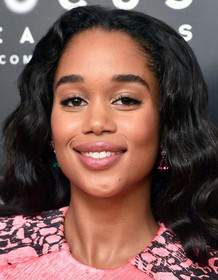
Caitlin Walker (Laura Harrier)
Played by Laura Harrier
Caitlin is a thoughtful third-year painting student at the Glasgow School of Art who channels grief into her art. She pushes for art to be more than decoration and grows through collaboration, especially with her best friend Hannah. Her personal journey is entwined with a desire to redefine her artistic voice and career path.
- 🎨 Artist
- 💔 Grief
- 🧠 Thinker
-

Hannah (Bria Vinaite)
Played by Bria Vinaite
Hannah is Caitlin's upbeat best friend who tries to lift her spirits after Leonard's death and in the face of artistic doubt. She becomes an artistic partner while navigating her own social life, offering both support and vulnerability. Her presence keeps Caitlin grounded as they pursue shared goals.
- 🎭 Friend
- 💬 Support
- 🧪 Catalyst
-

Mary Walker (Kate Dickie)
Played by Kate Dickie
Mary is Caitlin's mother and an artist in her own right, struggling to resume work after her husband's death. She represents resilience and the generational thread of creativity, offering moments of mentorship and emotional grounding for Caitlin.
- 🎨 Artist
- 💔 Grief
- 👩👧 Parent
- R(
Rory (Scott Miller)
Played by Scott Miller
Rory is the guy Caitlin meets at a museum date following the party incident. He embodies the casual, art-loving social scene that surrounds the main characters, with a looseness that clashes with Caitlin's focus at times.
- 🎯 Interest
- 🥂 Social
- 🧪 Chemistry
-

Stacey (Lily Newmark)
Played by Lily Newmark
Stacey is a fellow student who appears in Caitlin and Hannah's circle, providing dynamic interplay within the art class and social outings. Her presence highlights the competitive yet peer-based nature of the Glasgow art world at the time.
- 🤝 Classmate
- 🧷 Peer
- 🕊️ Tension
- FM
Fiona Miller (Tamsin Egerton)
Played by Tamsin Egerton
Fiona is Caitlin's lecturer who advocates for a feminist rethinking of art history and champions student voices. She guides Caitlin's critical thinking about what art should be and how it should function in society.
- 🎓 Mentor
- 🗣️ Educator
- 🧭 Critic
-
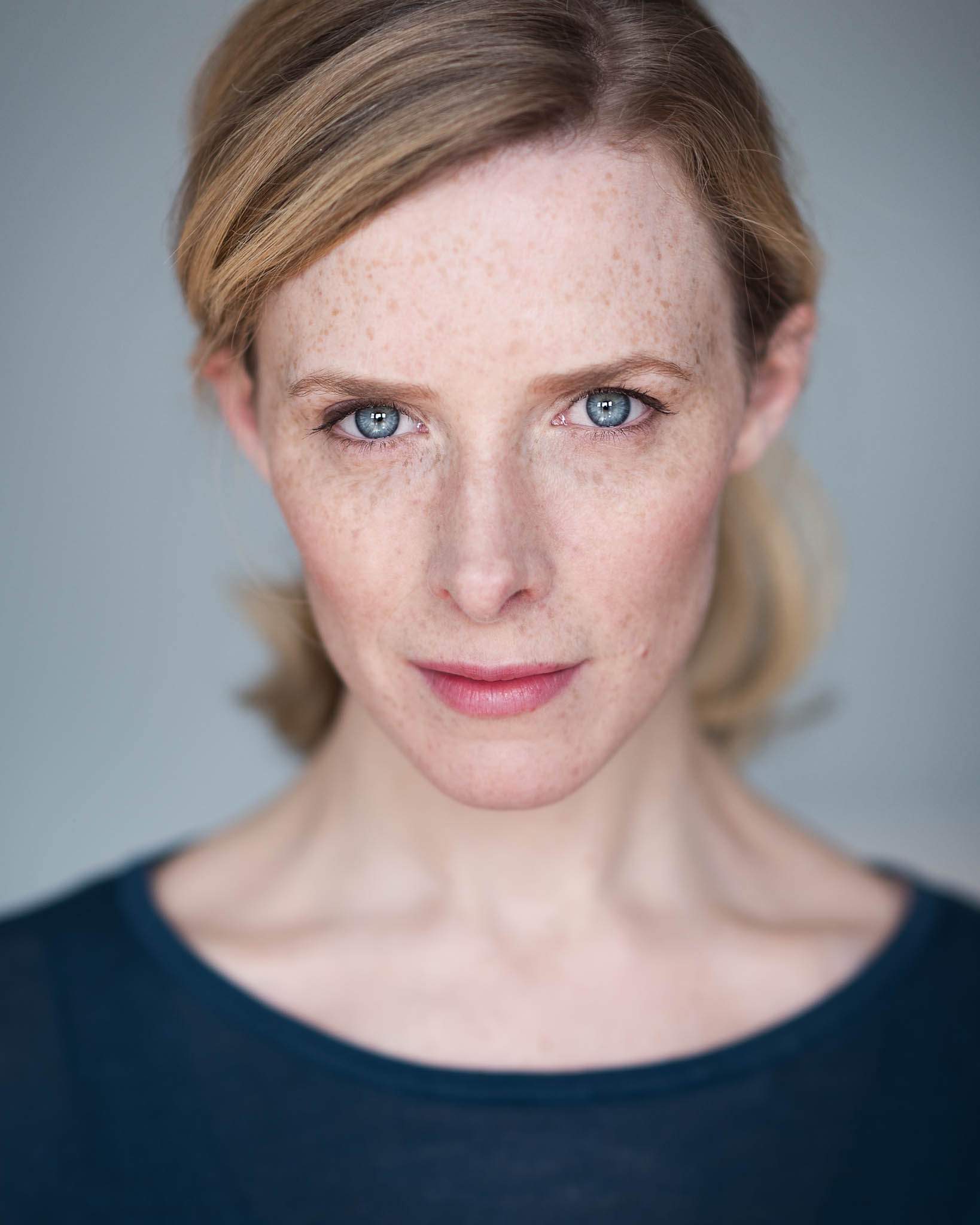
Catherine Hendricks (Shauna MacDonald)
Played by Shauna MacDonald
Catherine is a Turner Prize-winning Scottish artist whose troubled life intersects with her celebrated work. She invites Caitlin to join a London project as her assistant, signaling a bridge from student work to large-scale practice and mentorship.
- 🏆 Mentor
- 🧭 Artist
- 🌆 London
Where and When Is Balance, Not Symmetry Set?
Balance, Not Symmetry is set in Glasgow, London and New York. Here is why the place matters to the story.
Where
Glasgow, London, New York
The story unfolds primarily in Glasgow's art-school milieu, where Caitlin studies at the Glasgow School of Art and develops her practice amid a shifting creative community. It also follows Caitlin's impending move to London for a project with a renowned artist, signaling a leap from student work to professional collaboration. The film nods to Caitlin's New York upbringing as a backdrop to her evolving identity, highlighting a cross-Atlantic trajectory in contemporary art life.
- 🎨 Art
- 🏙️ City
- 🗺️ Journey
What Are the Themes of Balance, Not Symmetry?
4 ideas the story keeps returning to, among them Feminism in Art, Grief and Healing and Friendship and Relationships.
-
01
Feminism in Art
Fiona's critique that women have been written out of art history frames the characters' efforts to rewrite the canon. The narrative foregrounds female perspectives and collaborative creation over solitary, decorative expression. Caitlin and her peers explore how art can reflect lived experience rather than stay confined to galleries. Catherine Hendricks' mentorship later reinforces how feminist practice evolves through shared, public projects.
-
02
Grief and Healing
Caitlin's father's funeral sets the emotional tone, with painting serving as a way to process loss. Her mother Mary's own grief mirrors and intersects with Caitlin's, complicating but enriching their bond. The characters channel sorrow into creative work, showing how art can transform personal pain into something observable. The film tracks the slow, imperfect path from mourning to a hopeful future.
-
03
Friendship and Relationships
Hannah's steadfast friendship anchors Caitlin as she navigates grief and artistic doubt. Romantic and social entanglements, like Caitlin's date with Rory and the dynamic with Stacey, test loyalties and reveal insecurities. The pair's arguments and reconciliations underscore the importance of communication in sustaining creative collaboration. Together they move from conflict to renewed partnership in their art.
-
04
Creative Growth
Caitlin wrestles with a sprawling canvas and a struggle to finish her end-of-year presentation, embodying the volatile process of creation. The introduction of Catherine Hendricks and the London project marks a turning point from student work to professional opportunity. The film emphasizes that meaning in art shifts over time, especially when collaboration with others—like Hannah—expands a piece's significance. The journey culminates in Caitlin embracing a future beyond the Glasgow studio.
What Kind of Film Is Balance, Not Symmetry?
Hopeful in tone, with steady pacing and a straightforward story, going by the plot summary.
- Tone
- Hopeful
- Pacing
- Steady
- Story
- Straightforward
- Intensity
- Medium
- Ending
- Happy
An intimate and contemplative drama about navigating profound grief through artistic creation, characterized by emotional honesty, supportive friendships, and a steady journey toward healing and new beginnings.
- grieving
- introspective
- contemplative
- cathartic
- hopeful
- melancholic
- grief and loss
- artistic expression
- friendship
- coming of age
Content notes: death of a parent, alcohol misuse.
Quiz
How well do you remember Balance, Not Symmetry? Test yourself on the story.