What Is Bad Dreams About?
The premise of Bad Dreams in 246 words, with nothing given away. The full story follows below.
In the smoldering aftermath of a 1970s “free love” cult’s tragic fire, only one child emerges alive: Cynthia Weston. Years later she drifts through an ordinary world that feels suddenly alien, the echo of that night lingering like a half‑remembered nightmare. The film opens on her uneasy return to consciousness, where the ordinary walls of a modern hospital contrast sharply with the ghostly memories that refuse to stay buried. A quiet, oppressive atmosphere settles over every scene, hinting that the past is not finished with her.
Dr. Alex Karmen runs a tightly controlled group‑therapy program, a place meant to help fragile souls find footing in a world that has moved on without them. Cynthia’s presence unsettles the delicate balance of the clinic, and the therapist’s professional caution clashes with a growing, almost paternal empathy for her haunted psyche. The setting—sterile corridors, subdued lighting, the murmur of distant machines—feeds a claustrophobic mood that mirrors the inner turbulence both characters feel.
As Cynthia navigates the thin line between healing and terror, she is repeatedly visited by the charismatic yet menacing figure of Harris, the cult’s former leader. His burned visage appears in fleeting, disquieting moments, a reminder that the nightmare she escaped may still be reaching out from the shadows. The film sustains a tense, psychological horror tone, letting the audience sit with the dread of unseen forces and the fragile hope that confronting buried trauma might finally bring light to a life long lived in the dark.
What Happens in Bad Dreams?
The complete story of Bad Dreams, from the first scene to the last, in 871 words (about 4 minutes). Spoilers throughout. Names in the text link to 10 cast member pages.
Spoilers ahead
In 1975, the cult Unity Fields drives its followers to a mass suicide by fire under the command of its deranged leader, Franklin Harris, Richard Lynch. Only one young survivor remains: Cynthia Weston, Jennifer Rubin, a child at the time of the blaze who wakes from the flames to find thirteen years have passed. She lingers in a hospital coma until a sudden return to consciousness pulls her into a world that feels both alien and dangerous, filled with memories that won’t stay buried.
Her return begins in a clinical, tightly controlled setting where she is pulled into experimental group therapy for borderline personality disorder. The program is run by Dr. Alex Karmen, Bruce Abbott, a respectable clinician who isn’t sure Cynthia belongs in the group’s tight orbit. Yet his mentor and colleague, Dr. Berrisford, Harris Yulin, insists on giving her a chance to recalibrate to an urban life that has changed in the thirteen years since Unity Fields’ tragedy. The therapy room becomes a stage for a careful negotiation between fear and possibility, as Cynthia’s fraught history bleeds into her present, and Karmen finds himself torn between professional caution and a growing sympathy for her fragile, compelling story.
As Cynthia processes her past, she is haunted by a vision of Harris drowning Lana, a fellow patient, in a baptismal ceremony; moments later, Lana is discovered dead in a swimming pool. The visions intensify, and Harris begins to appear to her with his burned flesh, a chilling reminder of the fire that claimed so many lives. When her roommate Miriam, Susan Ruttan, is discharged, Cynthia experiences another visitation of Harris in the elevator—only for the doors to close before she can warn Miriam. Tragically, Miriam falls to death on the sidewalk below, the hospital’s grounds apparently turning into a corridor of danger.
Cynthia’s fears feel less abstract as other patients die or come perilously close to death. Ed, Louis Giambalvo, and Connie, Susan Barnes, lovers who are also patients, walk into the blades of an industrial fan in the hospital’s utility room, a pair of deaths that Cynthia attributes to Harris’s nefarious influence. The fear intensifies when Ralph Pesco, James Purcell, a troubled masochist with violent tendencies, becomes infatuated with Cynthia. After a violent outburst, he confronts her in a vulnerable moment, and, in a basement episode, Ralph suicides by stabbing himself multiple times.
After these episodes, Cynthia awakens to find Harris whispering to her, calling her his “love child” and urging her to join him by taking her own life. Harris’s presence expands when Berrisford appears to Gilda, Damita Jo Freeman, a clairvoyant patient who urged Cynthia to resist the haunting figure. Rather than succumb, Gilda drinks formaldehyde she stole from a supply room, choosing death over Harris’s control. In parallel, Dr. Karmen uncovers the extent of Berrisford’s manipulation: the bad drugs, the calculated suicides, the disturbing motive behind the research. The truth becomes a fuse that lights a race against time.
Alex reaches out to the police, enlisting Detective Wasserman, Sy Richardson, to investigate Unity Fields’s troubling pattern before the suicides escalate further. He confronts Cynthia, insisting that the visions of Harris aren’t real, while Berrisford stalks them from the shadows, intending to neutralize the threat to his plan. The hospital erupts into chaos as the emergency alarm sounds, and the powerful forces of science and deceit collide.
On a rooftop confrontation, Berrisford tries to force the hand of fate, urging Cynthia to leap. She falls, but awakens in a nightmare-reverie—the old Unity Fields house where the group’s members ended their lives. The vision collapses when she finds herself back on the rooftop, held by Dr. Karmen’s steady presence, as he and Cynthia cling to the ledge. Berrisford attempts to push Karmen to his death, wielding a weapon in a last desperate gambit to preserve his control. The police arrive, and Wasserman’s team helps the doctors pull Cynthia to safety, while the incriminating evidence against Berrisford crystallizes in the glare of the surrounding lights.
In a dramatic turn, Berrisford, cornered and exposed, pretends to commit suicide but raises his gun toward Karmen. It is Cynthia who finally seizes the moment, facing the figure who has haunted her and, with a resolve born of years of fear, pushes Berrisford over the edge to his demise. The danger recedes as the authorities secure the rooftop, and Karmen and Cynthia are rescued from the brink. Yet a final glimpse of Harris, lingering in the corner of Cynthia’s vision, hints that the trauma might still haunt her, even as Alex steadies her and reassures her that the worst is behind them.
In the aftermath, the hospital quiets, and the bond between healer and patient anchors their fragile triumph. Dr. Karmen holds Cynthia as they both acknowledge the long road they’ve traveled from fear to fragile hope. The lingering echo of Harris’s hold on her memory slowly fades as they step back from the edge, finding a moment of calm and renewed purpose in the wake of terror. The story closes on a note of cautious optimism: Cynthia is no longer a captive of her visions, and with Alex by her side, she dares to imagine a life beyond the shadows of Unity Fields.
Bad Dreams Timeline: Every Key Event in Order
14 key events in the order they happen, from “Unity Fields mass suicide” to “Aftermath and healing begins”. 14 events name a place, across 10 locations.
- 1
Unity Fields mass suicide
In 1975, Unity Fields members commit mass suicide by fire, driven by their psychopathic leader Franklin Harris. Cynthia Weston, a child at the time, refuses to join and narrowly survives the blaze. She is left in a coma that lasts thirteen years.
When:1975 Where:Unity Fields house
- 2
Cynthia awakens from coma
Thirteen years after the fire, Cynthia awakens in a hospital and is haunted by horrific flashbacks from her childhood at Unity Fields. She is enrolled in an experimental group therapy program for borderline personality disorder led by Dr. Alex Karmen. The medical team debates whether she truly belongs in the group.
When:13 years after 1975 Where:Hospital
- 3
Therapy begins under tension
Dr. Alex Karmen begins Cynthia's therapy within the group, though he is uncertain she fits in. His mentor, Dr. Berrisford, convinces him to persevere and help Cynthia adjust to modern urban life. The dynamic in the therapy room becomes crucial to her treatment.
Where:Hospital, therapy room
- 4
Harris visions alarm Cynthia
Cynthia experiences haunting visions of Harris, including one where he drowns Lana during a baptism-like ritual. Moments later, Lana is found dead in the hospital pool, intensifying the sense that Harris has returned to claim more victims.
Where:Hospital
- 5
Miriam’s elevator warning and death
Miriam, Cynthia’s roommate, is discharged after a vision-led encounter with Harris in the hospital elevator. Shortly after, Miriam is found dead on the sidewalk outside the hospital, seemingly a suicide tied to the hauntings.
Where:Hospital and sidewalk outside
- 6
Ed and Connie slain in the utility room
Ed and Connie, fellow patients who are lovers, walk into the blades of an industrial fan in the hospital’s utility room. The deaths appear to be at the hands of Harris, whether real or perceived by Cynthia as a manifestation of her torment.
Where:Hospital utility room
- 7
Ralph Pesco’s breakdown and suicide
Ralph Pesco, a troubled masochist with violent tendencies, escalates into a psychotic episode. After knocking down a policeman, he goes to the basement and commits suicide by stabbing himself multiple times.
Where:Hospital basement
- 8
Gilda’s fatal choice
Cynthia is drawn into further danger when Gilda, a clairvoyant patient, asks her to resist Harris. Instead of being killed, Gilda drinks formaldehyde stolen from a supply room and dies, illustrating the deadly influence of the haunting.
Where:Gilda’s room, hospital
- 9
Berrisford’s drug-lacing plot uncovered
Dr. Karmen discovers that Dr. Berrisford has deliberately laced the therapy medications with psychogenic substances to induce suicidality for research. The revelation reframes the deaths as the result of medical manipulation rather than supernatural possession.
Where:Hospital, therapy ward
- 10
Abduction and hospital chaos
Alex confronts Cynthia about the visions as the hospitals spirals into chaos. Berrisford knocks Alex out and abducts Cynthia, while Dr. Karmen contacts the police and Detective Wasserman to intervene as the scheme unravels.
Where:Hospital
Show the other 4 events of Bad Dreams Hide the last 4 events
- 11
Rooftop standoff begins
With the hospital alarm sounding, Cynthia makes her way to the rooftop where Alex finds her on the ledge. Berrisford stands nearby, pressuring her to jump as the suspense peaks and the tension between truth and illusion intensifies.
Where:Hospital rooftop
- 12
Dreamlike leap and reversal
Cynthia leaps from the rooftop, but she awakens back at the Unity Fields house in a vision. Harris greets her there, though it is only a vision, and she then awakens to Alex holding her as they teeter over the ledge.
Where:Unity Fields house (vision) and hospital rooftop
- 13
Berrisford’s downfall on the ledge
Berrisford seizes a revolver and tries to manipulate the scene, but Cynthia realizes he is not Harris. In a desperate struggle, she pushes him over the ledge to his death, finally breaking his influence over her and the patients.
Where:Hospital rooftop
- 14
Aftermath and healing begins
Police and Wasserman arrive to secure the scene as the crisis subsides. Karmen consoles Cynthia; she briefly sees Harris again but then finds reassurance in Alex’s embrace, signaling the start of her recovery and a return to stability.
Where:Hospital rooftop
Who Are the Main Characters in Bad Dreams?
7 characters, among them Cynthia Weston (Jennifer Rubin), Harris and Dr. Berrisford: who each one is and the part they play in the story. Every profile links to the actor’s page.
- CW
Cynthia Weston (Jennifer Rubin)
Played by Jennifer Rubin
Survivor of Unity Fields’ fire who wakes from a thirteen-year coma to a changed world. She experiences vivid, troubling flashbacks and visions of Harris, and must navigate a psychiatric system that both helps and threatens her. Her resilience and struggle to distinguish memory from reality drive the emotional core of the story.
- 🧠 Trauma survivor
- 🎭 Protagonist
- 💬 Communication challenges
- H
Harris
Played by Richard Lynch
The cult’s burned-out leader who appears to Cynthia as a terrifying vision. He exerts a manipulative influence that fuels her fear and fuels the mystery of who is real and who is a product of her psyche.
- 👁 Vision
- 🌀 Haunting presence
-
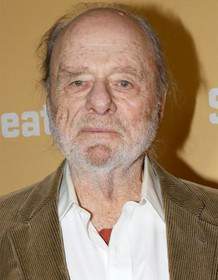
Dr. Berrisford
Played by Harris Yulin
A peer and rival to Dr. Karmen, he orchestrates unethical drug-laden trials aimed at inducing suicidality to validate his research. His calculated manipulation places patients at grave risk and drives the central conflict within the hospital.
- 🧠 Ethical breach
- 💊 Drug manipulation
- DA
Dr. Alex Karmen
Played by Bruce Abbott
A compassionate psychiatrist who initially questions Cynthia’s place in the therapy group but ultimately sympathizes with her story. He works to counter Berrisford’s scheme and helps Cynthia confront her fears, guiding her toward a sense of safety and reality.
- 🌱 Empathetic clinician
- 🧭 Ethical compass
- M
Miriam
Played by Susan Ruttan
Cynthia’s roommate in the hospital who is discharged and later succumbs to the dangerous environment around them. Her fate underscores the precariousness of the patients’ world and the high cost of the hospital’s hidden agendas.
- 💔 Patient
- 🕊 Victim
- L
Lana
Played by E. G. Daily
A clairvoyant patient who shares a vision with Cynthia and ultimately becomes a victim of Harris’s disturbing influence. Her experiences heighten the sense of the supernatural driving the patients’ fears.
- 🌊 Drowning vision
- RP
Ralph Pesco
Played by Dean Cameron
A troubled masochist patient prone to violent outbursts who forms an unsettling fixation with Cynthia. He descends into violence and despair, culminating in a self-destructive act.
- 🗡 Violent impulses
- 🧠 Unstable
Where and When Is Bad Dreams Set?
Bad Dreams is set in Unity Fields compound and Hospital (1975, late 1980s). Here is why the time and place matter to the story.
When
1975, late 1980s
The opening catastrophe occurs in 1975 when Unity Fields triggers a mass suicide. Thirteen years pass, placing the main narrative in the late 1980s as Cynthia awakens from a coma and confronts a world that has drastically changed. The era reflects shifting attitudes toward mental health treatment and the lingering impact of cult trauma.
Where
Unity Fields compound, Hospital
Unity Fields is the secluded cult compound where the mass suicide occurred in 1975, leaving a haunted legacy for Cynthia. The hospital serves as the clinical arena where Cynthia undergoes experimental group therapy. The contrast between the cult’s remote commune and the modern hospital underscores the clash between esoteric trauma and contemporary psychiatry.
- 🕯 Cult compound
- 🏥 Hospital
- 🌆 Urban setting
What Are the Themes of Bad Dreams?
3 ideas the story keeps returning to, among them Trauma, Haunting visions and Manipulation.
-
01
Trauma
Cynthia’s traumatic past with Unity Fields drives much of the narrative. The therapy she endures attempts to integrate memory with present reality, but theBoundary between memory and perception remains blurred. The film repeatedly shows how childhood horrors shape present fear, relationships, and decisions.
-
02
Haunting visions
Harris appears as a burnt, manipulative presence in Cynthia’s mind, blurring the line between hallucination and reality. The visions personify guilt, fear, and the persistent pull of the past. They propel the plot as Cynthia confronts what might be real and what is a manifestation of trauma.
-
03
Manipulation
Dr. Berrisford’s unethical drug experiments reveal a darker side of clinical research. The plot exposes how patients can be manipulated under the guise of treatment, pushing them toward self-harm. The ethical breach critique runs alongside the fight for genuine care, led by Dr. Karmen.
What Kind of Film Is Bad Dreams?
Dark in tone, with fast pacing and a moderate story, going by the plot summary.
- Tone
- Dark
- Pacing
- Fast
- Story
- Moderate
- Intensity
- High
- Ending
- Bittersweet
A relentlessly intense and paranoid psychological horror film that traps the viewer in the protagonist's traumatic past, creating a claustrophobic and gruesome atmosphere where supernatural visions and real-world danger become indistinguishable.
- anxious
- claustrophobic
- oppressive
- haunting
- paranoid
- gruesome
- psychological trauma
- cult survivors
- supernatural haunting
- hospital horror
Content notes: mass suicide, graphic suicide, self harm, psychological trauma, gaslighting, cult violence.
Quiz
How well do you remember Bad Dreams? Test yourself on the story.
Where to Watch Bad Dreams
. US availability and prices from JustWatch.
Streaming availability in the US, powered by