What Is Baby Sister About?
The premise of Baby Sister in 297 words, with nothing given away. The full story follows below.
In the sun‑bleached sprawl of Los Angeles, the art‑filled streets and pristine medical offices create a backdrop where ambition and desire pulse just beneath the surface. The city’s glossy veneer masks a world of intimate spaces—gallery lofts, cramped reception desks, and shared apartments—where personal connections are as fragile as the canvases that line the walls. The tone is a heady mix of sensual allure and quiet tension, inviting the viewer into a lived‑in atmosphere that feels both glamorous and unsettling.
Annie Burroughs arrives in town with an unapologetically wild spirit, freshly abandoned from college and still clutching the remnants of a youthful dream. Her sultry confidence and restless energy clash with the orderly rhythm of her older sibling’s life, and she quickly becomes a magnetic presence in the shared household. While she navigates the bright, chaotic promises of the city, there’s an undercurrent of yearning that propels her toward something—or someone—more intoxicating than the freedom she initially sought.
Marsha Burroughs, the elder sister, has built a polished career curating contemporary art, her gallery a sanctuary of sleek sophistication. Her relationship with David Mitchell, a dedicated physician with aspirations of his own, appears steady and rooted in mutual respect. Together they embody a balanced, adult partnership that stands in stark contrast to Annie’s reckless spontaneity, setting the stage for a collision of worlds that feels inevitable and fraught with unspoken longing.
Against this backdrop, the story hinges on the fragile equilibrium between sisterly loyalty and forbidden attraction. Annie’s deliberate intent to upend the harmonious rhythm of Marsha’s life ignites a simmering tension that teeters between love and obsession. The film’s mood is drenched in quiet yearning, drawing the audience toward an intimate exploration of how desire can both bind and unravel the ties that hold a family together.
What Happens in Baby Sister?
The complete story of Baby Sister, from the first scene to the last, in 641 words (about 3 minutes). Spoilers throughout. Names in the text link to 4 cast member pages.
Spoilers ahead
Annie Burroughs, Phoebe Cates, is a wild 19-year-old who has just dropped out of college and heads to Los Angeles to live with her older sister Marsha, who runs her own gallery in the city. Marsha Burroughs, Pamela Bellwood, seems to have it all: a thriving career and a loving relationship with David Mitchell, Ted Wass, a 31-year-old doctor who dreams of building his own private practice. The siblings’ bond is tested as Annie quietly settles into a world that contrasts her chaotic youth with Marsha’s polished success. Annie lands a job as a receptionist at David’s clinic, and what begins as innocent, light flirtation gradually grows into something more charged as attraction erupts between them.
A darker thread runs through Annie’s life—the uneasy, unresolved bond with her father, Tom Burroughs, Efrem Zimbalist Jr.. Years earlier, Annie witnessed her mother’s death in a street accident. Her mother, in a desperate bid to save her child, pushed Annie out of harm’s way and was herself fatally struck by a car. Since that moment, father and daughter have lived in a tense distance, with Annie feeling as if she’s not just haunted by the loss but somehow blamed for it. The painting she once hoped would be her path as a painter—a dream she abandoned after her mother’s death—lingers in the back of her mind, a reminder of what might have been.
The film’s emotional storms intensify when David fails to save a patient named Billy, who suicides, and Annie witnesses the trauma up close. The sight dredges up her past and shocks her into acknowledging feelings she’s been trying to bury. The moment leads to a kiss between Annie and David, a complicated tangle that leaves them both unsettled. David comforts Annie, insisting the kiss was only a fleeting, innocent moment, yet guilt threads through both of them, threatening to unravel their already fragile arrangements.
One night, a family party brings old tensions to the surface. Annie presents Tom with a self-made painting, a gesture meant to bridge the gap between them. Instead, the piece unsettles him because its style mirrors her mother’s, and a sharp confrontation ensues. Hurt and angry, Annie leaves the gathering, stepping deeper into a life she’s struggling to define.
When Marsha’s plans derail, Annie fills in as a stand-in for a gallery-opening date with David, and the two resume their affair in a charged, secretive atmosphere. They both feel the pull of something real, even as guilt gnaws at them and they try to keep the truth from Marsha to spare her feelings. After a tense period, Annie decides to return to college, seeking a return to some sense of normalcy amid the chaos.
David makes a last, hopeful bid to stop Annie from leaving, confessing that he loves her. The moment takes a dangerous turn when one of his drug-addicted clients attacks him, leaving him severely injured in the hospital. Annie rushes him there, and the hospital becomes the stage for the film’s most painful revelation: a nurse hints that David’s “girlfriend” helped him, and Marsha confronts the truth. Annie finally admits to being in love with David, and David, taking the weight of the situation on his shoulders, asks Marsha not to turn her back on Annie. He accepts the responsibility, trying to shield Marsha from heartbreak.
In the end, as Annie prepares to leave Los Angeles for good, she finds a path to reconciliation with both Marsha and her father. The old wound between father and daughter loosens, and Tom reassures Annie that she is not to blame for her mother’s death. With the past acknowledged and new understanding formed, Annie steps toward a future that blends her artistic impulse, her relationship with Marsha, and her evolving connection with her father, ready to face what comes next with a quieter, steadier sense of self.
Baby Sister Timeline: Every Key Event in Order
12 key events in the order they happen, from “Annie moves in with Marsha in LA” to “Reconciliation before leaving LA”. 12 events name a place, across 9 locations.
- 1
Annie moves in with Marsha in LA
After dropping out of college, Annie packs up and relocates to Los Angeles to live with her older sister Marsha. She soon lands a job as a receptionist at David's clinic, starting to navigate life in the big city. The uneasy father-daughter relationship and the memory of her mother's death linger in the background.
When:Early days after move Where:Los Angeles, CA
- 2
Annie starts at the clinic; she meets David
Annie's job at the clinic puts her in close contact with her sister's partner, doctor David Mitchell. What begins as flirtation and playful banter gradually becomes more charged. The dynamic sets the stage for a forbidden attraction.
When:Week 1 Where:David's clinic, Los Angeles
- 3
Billy's suicide shocks the clinic
One night, David fails to save his patient Billy, who commits suicide. Annie witnesses the tragedy, triggering painful memories of her mother's death and sparking emotional vulnerability. The incident deepens the emotional stakes between Annie and David.
When:Night 1 Where:David's clinic, Los Angeles
- 4
Annie and David share a kiss
Following Billy's death, Annie and David share a kiss, and both attempt to rationalize it as innocent. The moment unsettles Annie as she struggles with guilt and the specter of her mother's death. They retreat into a complicated emotional pull toward each other.
When:Next day Where:David's clinic
- 5
Family party; painting rekindles conflict
Tom hosts a family party where Annie gives him a self-made painting. The painting's style reminds Tom too much of Annie's mother, sparking a fight that ends with Annie walking out. The rift widens, pushing Annie toward bigger life changes.
When:Night of party Where:Tom's home, Los Angeles
- 6
Annie substitutes for Marsha; affair begins
The next evening, Annie fills in for Marsha to attend a play with David and they end up having sex. Guilt quickly darkens the haze, and their attraction evolves into a full-blown affair. They begin to map out a secret double life.
When:Evening after party Where:David's apartment
- 7
Affair deepens; confession plans debated
As the affair continues, David contemplates telling Marsha the truth, but Annie urges him to stay silent to avoid hurting her sister. The emotional stakes rise, with deception binding the trio closer to the brink of exposure.
When:Following the first encounter Where:David's apartment
- 8
Gallery opening; Annie decides to return to college
After attending Marsha's gallery opening, Annie resolves to return to college, choosing a path back to independence and away from the complicated love triangle. The decision signals a shift toward rebuilding her life on her own terms.
When:After gallery opening Where:Marsha's gallery, Los Angeles
- 9
David declares love; kiss in the clinic
David tells Annie he is in love, and they share a kiss in the clinic, sealing a moment of vulnerability. The fragile affair is under threat as their secret stands on the edge of exposure.
When:Right before Annie leaves Where:David's clinic
- 10
Drug-addicted client attacks David
A drug-addicted client launches a violent attack on David, leaving him severely injured. Annie rushes him to the hospital, torn between care for him and fear of consequences if the affair becomes public.
When:Soon after the kiss Where:David's clinic / hospital
- 11
Truth comes out at the hospital
When Marsha visits the hospital, the truth about Annie and David's relationship surfaces through a nurse's insinuation about David's 'girlfriend.' Annie admits she is in love with David, and David takes the blame, urging Marsha not to abandon Annie.
When:Hospital scene Where:Hospital, Los Angeles
- 12
Reconciliation before leaving LA
In the end, Annie reconciles with both Marsha and her father, who reassures her that she is not responsible for her mother's death. As she prepares to leave Los Angeles, she faces a fragile but hopeful closure and renewed family bonds.
When:Just before leaving LA Where:Family home / Los Angeles
Who Are the Main Characters in Baby Sister?
5 characters, among them Annie Burroughs (Phoebe Cates), Marsha Burroughs (Pamela Bellwood) and David Mitchell (Ted Wass): who each one is and the part they play in the story. Every profile links to the actor’s page.
-
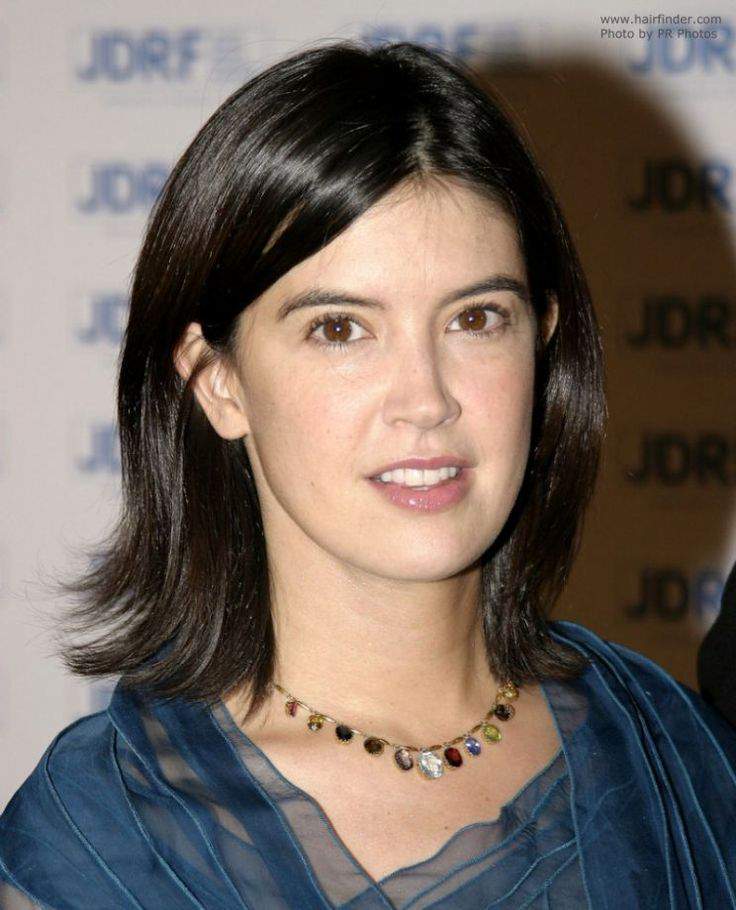
Annie Burroughs (Phoebe Cates)
Played by Phoebe Cates
A wild 19-year-old who leaves college to live with her sister and starts a romantic entanglement with a doctor. Her impulsiveness masks underlying grief over her mother’s death and a complex relationship with her father. She is impulsive yet capable of genuine feeling, seeking independence and belonging.
- 💫 Protagonist
- ❤️ Complex love
- 🖼️ Artist at heart
- MB
Marsha Burroughs (Pamela Bellwood)
Played by Pamela Bellwood
An established gallery owner who balances career and family. She cares deeply for Annie but faces trouble when romance enters the family circle. Her resilience is tested as she navigates trust, betrayal, and the demands of the art world.
- 🏢 Gallery matriarch
- 💔 Family loyalty
- 📈 Ambition
- DM
David Mitchell (Ted Wass)
Played by Ted Wass
A 31-year-old doctor who becomes involved with Annie while maintaining a complicated relationship with Marsha. He wrestles with guilt and responsibility as secrets threaten to upend the lives around him. He is conflicted, trying to balance affection with honesty.
- 💖 Romantic lead
- ⚖️ Moral conflict
- 🏥 Doctor
-
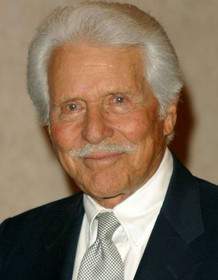
Tom Burroughs (Efrem Zimbalist Jr.)
Played by Efrem Zimbalist Jr.
Annie’s father, shaped by the loss of his wife and the strain of their relationship. He alternates between distance and concern, striving to protect his family while grappling with his own grief. His approach to forgiveness and guidance anchors the family’s emotional core.
- 👨 Father figure
- 🕊️ Grief and forgiveness
- 🧭 Authority
- J(
Jessie (Jill Jacobson)
Played by Jill Jacobson
A supporting figure connected to the family, contributing to the web of relationships surrounding Annie. Her presence helps illustrate the wider impact of the central romance on siblings and relatives.
- 👧 Sidelined but insightful
- 🌟 Support
- 🛡️ Family
Where and When Is Baby Sister Set?
Baby Sister is set in Los Angeles and California. Here is why the place matters to the story.
Where
Los Angeles, California
Set in Los Angeles, the film follows Annie’s move from college life to a bustling urban existence. The city’s gallery culture and medical clinic atmosphere frame the core relationships and betrayals. Its sprawling neighborhoods provide a backdrop for family tensions, romance, and personal growth.
- 🌆 City vibe
- 🎨 Art scene
- 🏙️ Urban landscape
What Are the Themes of Baby Sister?
3 ideas the story keeps returning to, among them Forbidden Love, Family & Responsibility and Art & Identity.
-
01
Forbidden Love
Annie and David’s affair disrupts the stability of two families and tests the boundaries of loyalty and trust. The relationship brings guilt, secret longing, and the fear of hurting loved ones. When the truth emerges, it forces characters to choose between honesty and protection of those they care about. The theme explores how desire can both illuminate and damage personal bonds.
-
02
Family & Responsibility
The narrative centers on fragile family dynamics, including a strained father-daughter relationship and a sisterly bond under pressure. Past trauma from Annie’s mother’s death informs present tensions and blame. The story weighs the cost of keeping secrets against the chance for forgiveness. Ultimately, it examines how family members navigate duty, trust, and reconciliation.
-
03
Art & Identity
Art serves as a link to Annie’s late mother and a barometer for her own sense of self. The gallery world and the act of painting become expressions of grief, independence, and personal ambition. The characters use creative choices to communicate feelings they cannot voice aloud. The theme questions whether art can heal or simply reflect inner turmoil.
What Kind of Film Is Baby Sister?
Tense in tone, with steady pacing and a moderate story, going by the plot summary.
- Tone
- Tense
- Pacing
- Steady
- Story
- Moderate
- Intensity
- Medium
- Ending
- Bittersweet
A steadily-paced, tense drama about a troubled young woman's destructive affair with her sister's boyfriend, set against a melancholic backdrop of unresolved family grief and the search for personal identity.
- tense
- melancholic
- guilty
- secretive
- passionate
- familial
- sister rivalry
- adultery
- family trauma
- grief and loss
Content notes: suicide (off-screen), drug overdose.
Quiz
How well do you remember Baby Sister? Test yourself on the story.
Where to Watch Baby Sister
Stream it on Amazon MX Player and Amazon Prime Video, or rent or buy it from Amazon Video. US availability and prices from JustWatch.
Stream 8
 Amazon MX Player
  Amazon Prime Video
  Amazon Prime Video Free with Ads
  Amazon Prime Video with Ads
  Fandango at Home Free
  Fawesome
  Howdy Amazon Channel
  Tubi TV
 Rent or buy 1

Streaming availability in the US, powered by