
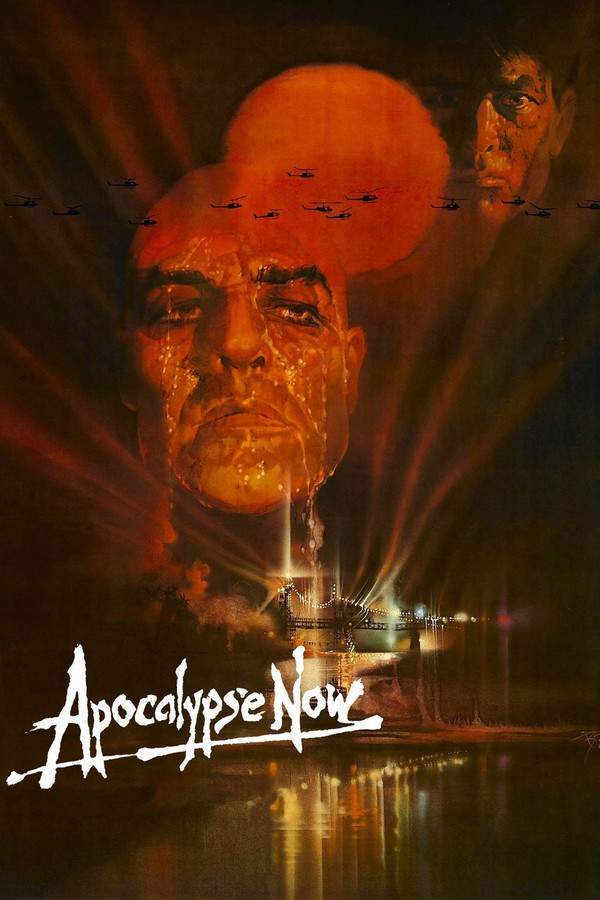
Apocalypse Now 1979

Directed by

Francis Ford Coppola
Made by

United Artists
Apocalypse Now Plot Summary
Read the complete plot summary and ending explained for Apocalypse Now (1979). From turning points to emotional moments, uncover what really happened and why it matters.
U.S. Army Captain and seasoned special operations veteran Benjamin L. Willard (Martin Sheen) finds himself back in the chaotic environment of Saigon, drowning his sorrows in alcohol while wrecking his hotel room. His bleak existence takes a sudden turn when intelligence officers Lt. General Corman and Colonel Lucas, played by G. D. Spradlin and Harrison Ford respectively, approach him with a daunting mission: he is to navigate the treacherous Nung River deep into the Cambodian jungle, track down the rebellious US Special Forces Colonel Walter E. Kurtz (Marlon Brando), and eliminate him.
The officers report that Kurtz is conducting a brutal campaign against NVA, Viet Cong, and Khmer Rouge forces independent of any military oversight, earning him a god-like status among his troops at a remote jungle outpost. With the chilling order to “terminate Kurtz’s command… with extreme prejudice,” Willard embarks on this perilous assignment.
Joined by a Navy PBR boat crew led by George “Chief” Phillips (portrayed by Albert Hall) and fellow members Lance Johnson (Sam Bottoms), Jay “Chef” Hicks (Frederic Forrest), and Tyrone “Mr. Clean” Miller (Laurence Fishburne), Willard sets off. Their journey is interrupted at the mouth of the Nung River, where they encounter the wild, reckless Lieutenant Colonel Bill Kilgore (Robert Duvall). Initially indifferent to their mission, Kilgore’s love for surfing leads him to assault the beachfront filled with Viet Cong while enjoying the classic “Ride of the Valkyries” blaring from helicopter speakers. Despite his antics, Willard manages to gather his crew and push on with their mission.
As they travel upstream, Willard slowly communicates the significance of their mission to Chief, attempting to prioritize their objective amidst growing tension. He discovers that Kurtz, a once-admired officer and promising general, abandoned a prestigious Pentagon role to join the Special Forces, a decision that ultimately tainted his legacy. Willard learns of Kurtz’s controversial actions that led to his downfalls, such as the execution of suspected double agents and the subsequent desertion into Cambodia.
As they make their way deeper through the war-torn landscapes, the crew faces numerous perilous encounters, including a fearsome tiger and a distressing incident where Mr. Clean snaps and kills a group of civilians aboard a sampan, forcing Willard into a dark decision when he executes an injured survivor, viewing it as a necessary evil to maintain their focus.
Pushing further, they uncover the tragic fates of previous attempts to confront Kurtz, including a harrowing letter from Captain Colby (Scott Glenn) that reveals the grim reality of their mission. The psychological toll of the journey weighs heavily on the remaining crew, particularly on Lance and Chef, who become increasingly influenced by drugs and paranoia.
The climax of their expedition occurs at Kurtz’s lair, a savage and eerie Khmer temple. Following a disturbing encounter with a frenetic photographer (Dennis Hopper) and a gut-wrenching revelation of the violence within the camp, Willard finally confronts Kurtz. In the depths of the temple, Kurtz sees Willard as merely an errand boy and imprisons him, leading to a moment of sheer horror when Chef’s severed head is thrown at Willard.
As Kurtz’s philosophical rants delve into the brutal nature of war, Willard grapples with the chilling history that warped Kurtz into the man he has become. After a chaotic night filled with rituals and violence, Willard confronts Kurtz, ultimately ending his life after a lengthy discourse about the darkness within humanity. Kurtz’s final whispered words, > “The horror … the horror …,” reverberate in Willard’s mind as he departs the temple and escapes the madness that engulfed them.
With the village now under siege from airstrikes, Willard and Lance flee the chaos, leaving behind a world teetering on the brink of moral decay, as Kurtz’s haunting legacy lingers in their minds.
Apocalypse Now Timeline
Follow the complete movie timeline of Apocalypse Now (1979) with every major event in chronological order. Great for understanding complex plots and story progression.
Willard's Descent into Chaos
U.S. Army Captain Benjamin L. Willard finds himself in a state of despair, drowning his sorrows in alcohol while trashing his hotel room in Saigon. His environment reflects his inner turmoil, symbolizing the chaotic backdrop against which his journey will unfold.
The Mission is Assigned
Willard's bleak existence takes a pivotal turn when intelligence officers Lt. General Corman and Colonel Lucas approach him with a demanding mission. Their objective is for him to navigate the Nung River into the Cambodian jungle to eliminate the rogue Colonel Walter E. Kurtz.
The Discovery of Kurtz's Campaign
The officers report that Kurtz is running an independent campaign against the NVA and Viet Cong, earning him a god-like status among his troops. This revelation about Kurtz's brutal methods sets the ominous tone for Willard's assignment as they instruct him to terminate Kurtz's command with extreme prejudice.
Assembling the Crew
To carry out his mission, Willard is joined by a Navy PBR boat crew led by Chief Phillips and includes members like Lance, Chef, and Mr. Clean. This motley crew represents a microcosm of the psychological strain that will be exacerbated as they delve deeper into the war-torn landscape.
Encounter with Lieutenant Colonel Kilgore
At the mouth of the Nung River, the crew meets the unpredictable Lieutenant Colonel Bill Kilgore, who prioritizes surfing over duty. His reckless behavior culminates in an assault on a Viet Cong stronghold, showcasing the absurdity of war amidst a backdrop of chaos and carnage.
Understanding Kurtz's Fall from Grace
As Willard steers the boat upstream, he shares insights about Colonel Kurtz’s past glory and subsequent downfalls with Chief. He learns how Kurtz's controversial execution of suspected double agents ultimately led him to abandon his prestigious position at the Pentagon.
A Turn to Darkness
The crew's journey becomes even more complicated when Mr. Clean's unstable mental state leads him to kill civilians aboard a sampan. Willard faces a moral dilemma, deciding to execute the lone survivor to maintain focus on their mission, revealing the growing darkness within the group.
Uncovering the Past
As they venture deeper into the jungle, the crew stumbles upon remnants of previous attempts to confront Kurtz, including a letter from Captain Colby. This letter serves as a grim reminder of the mission's inherent dangers and the psychological toll it has had on those who went before them.
The Climax at Kurtz's Lair
The expedition reaches its climax at Kurtz's eerie retreat, a Khmer temple steeped in horror. Here, Willard meets a frenetic photographer who reveals the nightmarish violence that surrounds Kurtz and sets the stage for the inevitable confrontation.
Confrontation with Kurtz
In the depths of the temple, Willard confronts Kurtz, who has become a twisted version of the leader he once was. Kurtz dismisses Willard as an errand boy and entraps him, symbolizing the struggle between sanity and madness in the theater of war.
The Horror Unleashed
Amid a night filled with chaos and rituals, Kurtz exposes the dark nature of humanity through his philosophical rants. This confrontation culminates in a moment of sheer horror when Chef's severed head is hurled at Willard, pushing him further into despair.
Willard's Decision
After enduring a harrowing discourse on the evil within mankind, Willard takes the haunting decision to end Kurtz's life. This act symbolizes the culmination of his journey into darkness, forcing him to confront the moral complexities of his mission.
The Escape
With the village now collapsing under airstrikes, Willard and Lance manage to flee the chaos that has consumed them. Their escape signifies a departure from the madness but leaves them grappling with the haunting legacy of Kurtz and the moral decay that permeates the war.
Lingering Shadows
As they escape, Willard reflects on the profound impact of his mission and Kurtz's final words, 'The horror ... the horror ...'. This lingering echo serves as a constant reminder of the profound psychological scars left by war and the moral challenges encountered throughout their perilous journey.
Apocalypse Now Characters
Explore all characters from Apocalypse Now (1979). Get detailed profiles with their roles, arcs, and key relationships explained.
Benjamin L. Willard (Martin Sheen)
Willard is a complex protagonist battling his own demons while undertaking a dark mission. A seasoned officer, he navigates the moral ambiguities of his assignment, struggling with the weight of his orders and what they demand of him. His interactions with Kurtz ultimately challenge his understanding of sanity and morality.
Walter E. Kurtz (Marlon Brando)
Kurtz embodies the corrupted and nihilistic nature of war, having descended into madness away from military oversight. Once a revered officer, he becomes a god-like figure within the jungle, commanding a brutal regime as he reflects on the darker aspects of human nature. His character serves as a catalyst for Willard's own philosophical journey.
George "Chief" Phillips (Albert Hall)
Chief is the steady and pragmatic leader of Willard's boat crew. He seeks to maintain morale amidst the chaos, often serving as a voice of reason against the growing tension and madness surrounding their mission. His leadership is pivotal as they navigate the moral complexities of their situation.
Lance Johnson (Sam Bottoms)
Lance is a young crew member who becomes increasingly influenced by drugs and paranoia as the mission unfolds. His character highlights the fragility of youth amidst the horrors of war, experiencing a sharp decline from innocence to chaos as reality and fantasy blur.
Apocalypse Now Settings
Learn where and when Apocalypse Now (1979) takes place. Explore the film’s settings, era, and how they shape the narrative.
Time period
Vietnam War
Set during the Vietnam War, a period characterized by conflict and moral ambiguity, the film explores the devastating consequences of war on soldiers and their psyche. It reflects a tumultuous time in history where traditional notions of honor and morality were challenged, creating a backdrop for the exploration of human nature under extreme conditions.
Location
Saigon, Nung River, Cambodian jungle
The movie primarily takes place in Saigon, a chaotic city marked by the turmoil of the Vietnam War. As the story unfolds, the characters journey up the Nung River, cutting through dense Cambodian jungles known for their treacherous terrain. This backdrop serves as a stark reminder of the brutality of war and the psychological impact it has on those involved.
Apocalypse Now Themes
Discover the main themes in Apocalypse Now (1979). Analyze the deeper meanings, emotional layers, and social commentary behind the film.
⚔️
War
The film delves deeply into the theme of war, portraying its chaos and moral dilemmas. It highlights the disintegration of sanity as the characters confront the physical and psychological horrors that accompany military conflict. The narrative urges viewers to ponder the true cost of war on humanity.
💀
Death
Death looms heavily throughout the film, manifesting in the violent encounters and moral decisions faced by the characters. It forces them to grapple with the value of life in a war-torn landscape where survival often demands ruthless choices. The theme underscores the pervasive impact of mortality on their journey.
🧠
Psychological Strain
The psychological strain experienced by characters is a focal point in the narrative. As they traverse the harrowing landscapes, their mental states deteriorate under the weight of their mission's moral complexities. The film examines how exposure to trauma can warp perception and influence human behavior.

Apocalypse Now Spoiler-Free Summary
Discover the spoiler-free summary of Apocalypse Now (1979). Get a concise overview without any spoilers.
In the heat‑blasted swamps of Vietnam, the jungle becomes a character of its own—dense, humid, and alive with the distant thrum of helicopters and the incessant roar of artillery. The war is portrayed not just as a battlefield but as an inexorable river that carries men deeper into uncertainty, a place where the line between sanity and madness blurs beneath the canopy of moss‑covered trees. The film’s atmosphere is a hallucinatory mix of gritty realism and surreal lyricism, setting a tone that is both brutal and oddly poetic.
Captain Willard, a disaffected officer haunted by his own inner turbulence, is summoned for a mission that feels more like an invitation to confront the darkness within. Tasked with traveling up a winding river to a remote outpost, his orders are simple yet unsettling: locate and eliminate the renegade officer who has slipped beyond the reach of command. The assignment forces Willard to confront a world where authority has frayed and the morality of war hangs in a precarious balance.
Accompanying him is a disparate crew that reflects the chaotic tapestry of the conflict. Chief, the seasoned boatman, offers a steady, if world‑worn, perspective, while Lance and Chef embody the restless, often reckless energy of youth caught in the vortex of war. Mr. Clean, a quiet yet intense presence, adds a layer of tension that hints at the unpredictable nature of their journey. Their interactions blend camaraderie, sarcasm, and an undercurrent of unease, each character revealing glimpses of their own coping mechanisms amid the flood of violence.
As the river carries them deeper, the film invites the audience to ponder the thin veneer of civilization that separates order from chaos. The looming presence of a charismatic yet enigmatic figure—Colonel Kurtz—casts a shadow that feels both mythic and terrifying, promising a confrontation that will test the limits of duty, sanity, and humanity itself.
Movies with Similar Twists and Themes
Uncover films that echo the narrative beats, emotional arcs, or dramatic twists of the one you're exploring. These recommendations are handpicked based on story depth, thematic resonance, and spoiler-worthy moments — perfect for fans who crave more of the same intrigue.
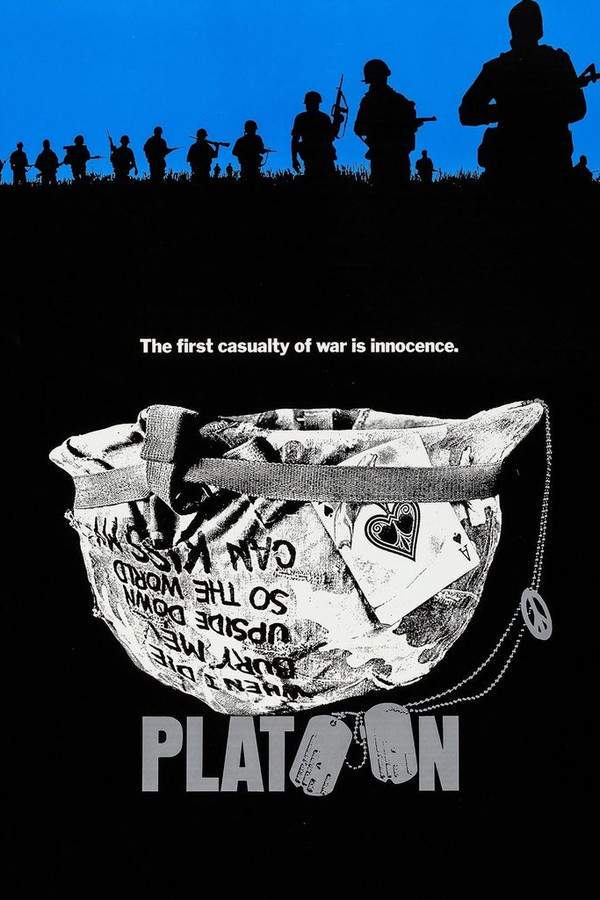
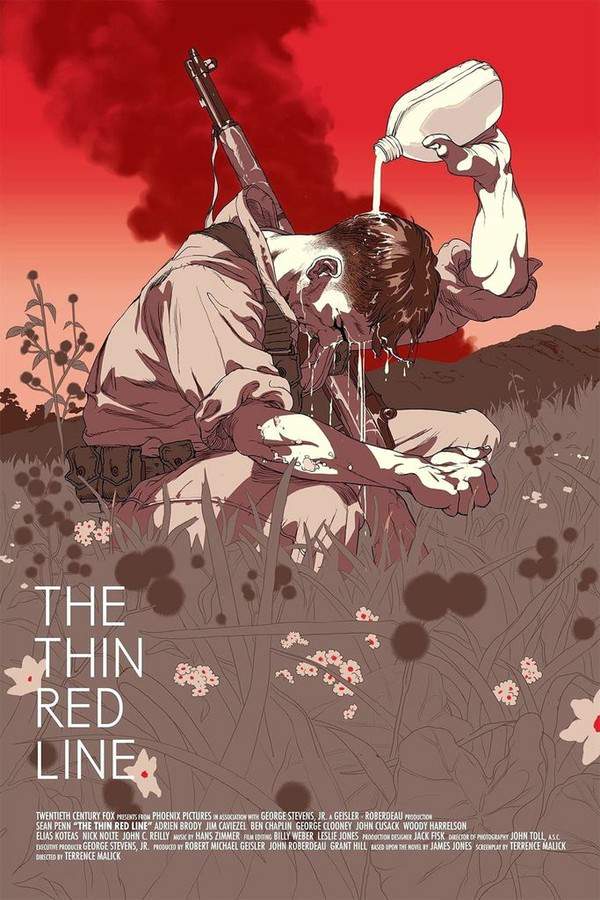
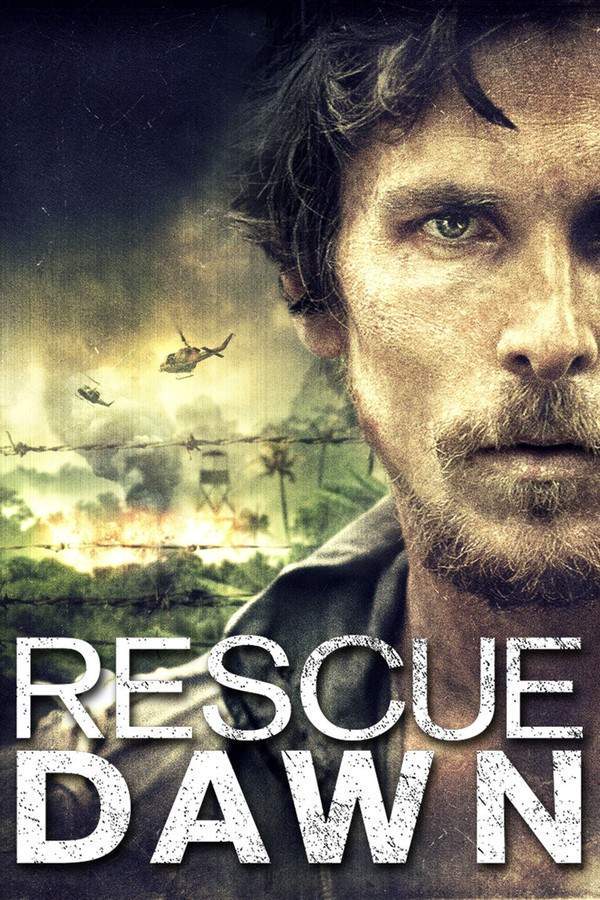



Featured on this page

What's After the Movie?
Not sure whether to stay after the credits? Find out!




Explore Our Movie Platform
New Movie Releases (2025)
Famous Movie Actors
Top Film Production Studios
Movie Plot Summaries & Endings
Major Movie Awards & Winners
Best Concert Films & Music Documentaries
Movie Collections and Curated Lists
© 2025 What's After the Movie. All rights reserved.