


Cannibal Apocalypse Plot Summary
Read the complete plot summary and ending explained for Cannibal Apocalypse (1980). From turning points to emotional moments, uncover what really happened and why it matters.
Norman Hopper [John Saxon] finds himself haunted by a Vietnam-era nightmare in which a U.S. POW, Charlie Bukowski [Giovanni Lombardo Radice], wounds him with a bite that carries a strange virus. The bite isn’t just physical; it carries a craving for human flesh that will later seep into Norman’s world with shocking consequences. He wakes unsettled, only to receive an unexpected call from Bukowski inviting him out for a drink. The timing couldn’t be worse: a young neighbor girl is trying to seduce him, and Norman, torn between old loyalties and present danger, declines. Yet the tension of the moment funnels into a fateful decision when Mary [Cinzia De Carolis]—a figure who embodies temptation—begins to press closer. In a moment of compulsion, Norman bites her, a choice that will ripple through his life and infect those around him.
Mary later reveals a troubling sort of thrill in the bite, and Norman’s fear clashes with a desire he hadn’t anticipated. He urges Bukowski to surrender to the police, hoping to contain the situation, but Bukowski’s fate spirals as he and fellow veteran Tom Thompson [Tony King] clash with guards, leading Bukowski to bite a police constable. The violence is not contained to one place; Norman signals to his wife, Jane Hopper [Elizabeth Turner], to stay inside the house while he confronts the consequences of the day’s chaos. He confesses to his wife the truth of what has happened and his unsettling wish to bite another person, a confession that shifts the couple’s dynamic from routine to perilous.
As the night deepens, Bukowski and Tom push forward in their struggle with authorities, and the bite victims begin to spread the infection. Bukowski sinks his teeth into a nurse named Helen; the virus asserts itself through raw aggression and a predatory instinct. Dr. Phil Mendez [Ramiro Oliveros] becomes a voice in the background, calling Jane to warn her that Norman’s symptoms may be more than a simple illness and arranging a hospital visit while he monitors the situation and takes a blood sample. The mall shootout’s coroner’s report lands on the scene, filled with warnings of cannibalistic behavior, signaling to everyone that the outbreak is both biological and chillingly unpredictable.
Jane’s encounter with Dr. Mendez grows more complex as the doctor attempts to push his own agenda, even as he explains the virus’s nature: a biological mutation driven by psychic alteration. He’s not merely a healer; he’s an investigator into mutated human behavior, and his motives begin to feel suspect as Norman moves toward hospital confinement. Norman agrees to undergo examination, and the hospital visit becomes a tense crossfire of suspicion and concern. A doctor collects a blood sample, while the world outside reckons with the ripple effect caused by the bite’s spread.
Inside the hospital, the situation deteriorates. The bitten constable retaliates against a fellow officer and is then shot by Captain McCoy [Wallace Wilkinson], a stark reminder that law enforcement is racing to contain a threat that seems almost metaphysical in its spread. Norman stumbles upon his fellow veterans, Charlie and Tom, who are sedated and kept on watch. A flashback to the moment of the initial bite resurfaces, offering Norman a painful reminder of the turning point that drew him into this new nightmare. The hospital’s inner rhythm shifts as Helen, the nurse, becomes a target of the virus’s ferocity. She attacks the doctor inspecting Norman’s blood, bites off his tongue, and bludgeons him with a rock, turning the once-sterile hospital into a scene of primal struggle. The bitten nurse’s aggression spreads chaos, and Helen frees Tom and Charlie, triggering a chain of escape that will push Norman toward a desperate exit.
Norman and Charlie escape in an ambulance, while Jane returns to an empty house, searching for Norman in a space that feels increasingly unfamiliar. Dr. Mendez informs her that Norman has vanished, and a city-wide manhunt begins. The chase leads the two escapees to a tire shop where they seize a weapon and a bag of snacks, an inventory of ordinary objects becoming tools of survival in a world that has turned brutal. Charlie wields an angle grinder, cutting through a victim as a stark reminder that the line between restraint and violence has vanished. Tom steals a station wagon, and the trio of escapees—Norman, Charlie, and Tom—drift into a network of pursuit that is both physical and psychological.
The fugitives cross paths with a biker gang, a clash Norman had glimpsed earlier at the mall. They flee on foot and take shelter in the sewer as police close in, creating a claustrophobic corridor of danger where the city’s light can barely reach. A police blockade seals the sewer exits, trapping the trio in a subterranean labyrinth. Jane, unable to reach Norman by telephone, goes next door to Mary’s aunt to borrow a line, but the household remains shrouded in uncertainty. Mary [Cinzia De Carolis] and her brother greet Jane, offering a momentary safety but also a reminder that the children who inhabit this world are watching, listening, and becoming part of the horror. The aunt’s absence deepens the sense that danger lurks in every corner.
As the chase intensifies, Helen is killed by a rat just as the cannibals attempt to slip away, signifying that nature itself has become a weapon in this new order. A hail of gunfire claims Charlie’s life, and Norman is wounded, while Tom is overwhelmed and killed by a flamethrower, an image of destruction that underscores the film’s relentless brutality. Norman crawls from the sewer’s grip and staggers away, a man not yet defeated but forever altered by the chain of events.
Jane’s search for Norman reaches a dramatic notch as she presents at home with Norman in a dress uniform—an eerie tableau of a man transformed by war and disease. Dr. Mendez steps into the room, and Jane rushes toward him, only for him to bite her, a final, brutal betrayal that seals Norman’s fate. Norman fires at the intruder, and Jane, seized by fear and despair, points a gun at her own head as the sounds of police finally erupt outside the house. The moment is loaded with tragedy, and as the authorities arrive, the world outside the walls begins to understand the full extent of the infection’s reach.
The story closes on a macabre tableau: the infected children watch as bodies are hauled away, the girl Mary asks whether their aunt will be found, and a chilling image reveals Mary’s hand encroaching from inside the fridge. The film closes on this unsettling note, leaving questions about loyalty, disease, and the fragility of ordinary life in a world where a bite can rewrite fate.
In this account, the film threads together a relentless cascade of fear and transformation, balancing intimate character moments with a broader dread that something unseen has taken root inside a family, a hospital, and a city. The cast’s varied performances ground the escalating terror, with Norman Hopper’s struggle at the center, supported by Bukowski’s older combat history, Mendez’s unsettling dual role as healer and conspirator, Jane’s determined search for truth, Helen’s tragic fall, and Tom and Charlie’s desperate attempts to escape a world that has turned cannibal. The result is a bleak, unflinching meditation on what happens when humanity’s boundaries blur and a virus becomes something more than biology.
Cannibal Apocalypse Timeline
Follow the complete movie timeline of Cannibal Apocalypse (1980) with every major event in chronological order. Great for understanding complex plots and story progression.
Norman's Vietnam nightmare haunts the waking world
Norman Hopper is haunted by a Vietnam-era nightmare in which a POW bite carries a strange virus. The vision foreshadows a spread that will blur the line between fear and appetite for human flesh. He wakes unsettled, already sensing that something in his world has shifted.
Bukowski's invitation and Norman's hesitation
Bukowski calls Norman and invites him out for a drink, reviving old connections from the war. Norman resists, torn by loyalty and danger, as a young neighbor girl flirts with him. The tension of the moment pushes him toward caution.
Norman's bite on Mary
Under Mary’s enticement, Norman succumbs to a compulsion and bites her, an act that will ripple through his life. Mary’s reaction hints at a dangerous thrill in the act. The bite marks the start of a wider, unseen infection.
Vicious spread begins—Bukowski apprehension
Mary reveals a troubling thrill in the bite, hinting at how the virus feeds on desire and aggression. Norman urges Bukowski to surrender to the police to contain the situation, but Bukowski’s fate worsens as he bites a police constable. The outbreak moves beyond a single bite.
Dr. Mendez monitors the outbreak
Dr. Phil Mendez becomes a guiding, yet suspect, figure as he monitors Norman and collects a blood sample to understand the mutation. The coroner’s reports about cannibalistic behavior begin to surface, signaling a terrifying biological threat. The hospital's looming consequences grow clearer.
Hospital intrigue and the blood test
Inside the hospital, the situation deteriorates as Norman’s condition worsens. The bitten nurse Helen becomes aggressive, attacks the doctor, bites his tongue, and turns the hospital into a primal battleground. Tom and Charlie are sedated, watched as the crisis spirals.
Escape begins
Norman and Charlie escape in an ambulance while Jane returns to an empty house, searching for Norman. Dr. Mendez informs her that Norman has vanished and a city-wide manhunt begins. The day’s chaos pivots toward a desperate pursuit.
Tire shop haul and survival tools
The fugitives steal a tire shop's weapon and bag of snacks, turning ordinary objects into survival tools. Charlie wields an angle grinder to cut through a victim, while Tom steals a station wagon to keep pace with the escape. The trio moves deeper into a manhunt.
Biker gang encounter and sewer refuge
The group crosses paths with a biker gang, sparking a clash that forces them to flee on foot and seek shelter in the sewer. Police seal the sewer exits, trapping the trio in a claustrophobic underworld. The city’s pursuit presses closer.
Jane's search and Mary’s kin
Jane cannot reach Norman by telephone and visits Mary’s aunt next door to seek help. Mary and her brother greet Jane, offering a fragile sense of safety, though the aunt’s absence deepens the sense that danger lurks in every corner. The home becomes a watched, uneasy sanctuary.
Helen’s demise and the chase intensifies
Helen, the nurse bitten earlier, is killed by a rat, signaling that even nature turns against the infected. In the ensuing gun battle, Charlie is shot, and Tom is overwhelmed and killed by a flamethrower, underscoring the brutality of the pursuit. Norman crawls from the sewer, badly wounded but alive.
Norman’s return and the betrayal
Norman staggers back into the house wearing a dress uniform, a terrifying symbol of the transformation the town has undergone. Dr. Mendez reveals his treacherous true nature by biting Jane, and Norman fires at him in a desperate act. Jane, terrified, points a gun at her own head as police close in, and the moment cements the tragedy that has consumed the family.
The infection’s final, chilling tableau
As authorities converge, the infected story culminates in a chilling tableau. Bodies are hauled away while the last infected child, Mary, watches and asks about their aunt. A final image shows Mary’s hand encroaching from inside the fridge, signaling that the horror lingers in ordinary life.
Cannibal Apocalypse Characters
Explore all characters from Cannibal Apocalypse (1980). Get detailed profiles with their roles, arcs, and key relationships explained.
Norman Hopper (John Saxon)
A Vietnam veteran who becomes infected after a bite and grapples with a compulsion to bite others. His oscillation between protective husband and dangerous aggressor drives much of the film’s tension. Norman’s struggle to conceal his symptoms while seeking answers propels the crisis forward.
Jane Hopper (Elizabeth Turner)
Norman’s wife who must face the unraveling situation and decide how far she’ll go to protect her family. She navigates manipulation and danger as she tries to understand Norman’s condition and Dr. Mendez’s motives. Jane’s resilience anchors the emotional core of the story.
Dr. Phil Mendez (Ramiro Oliveros)
A physician whose professional demeanor clashes with secretive motives. He becomes entangled with the couple’s crisis, hinting at agendas beyond medical care. His actions contribute to the mystery surrounding the virus and its origins.
Charlie Bukowski (Giovanni Lombardo Radice)
Norman’s fellow veteran who is infected and engages in brutal confrontations. He embodies the outbreak’s ruthlessness and acts as a catalyst for the group’s flight from authorities. Charlie’s presence underscores the film’s harsh, survivalist tone.
Tom Thompson (Tony King)
A fellow veteran allied with Norman, sharing camaraderie but ultimately succumbing to the escalating violence. Tom’s choices illustrate how trusted companions can become threats under extreme stress.
Mary
The young neighbor who experiences the bite and reveals she enjoyed it, illustrating how the virus intrudes into everyday life and personal relationships. Her infection marks the outbreak’s reach into ordinary interactions and adds a tragic, intimate dimension to the crisis.
Helen
A nurse who is attacked by the infected during a medical inspection, her transformation intensifying the hospital’s danger. Her arc highlights how quickly caregivers can become targets and how infection destabilizes healthcare settings.
Biker Leader
The aggressive leader of the biker gang that confronts the survivors, adding an external threat to the already chaotic pursuit through urban spaces and sewers.
Cannibal Apocalypse Settings
Learn where and when Cannibal Apocalypse (1980) takes place. Explore the film’s settings, era, and how they shape the narrative.
Time period
Late 1970s – 1980s
The events occur in a contemporary American city of the film’s era, with a flashback to the Vietnam War providing context for the infected characters. The narrative moves between ordinary daytime life and rapid, violent upheaval as the outbreak unfolds. The timeframe emphasizes the contrast between veterans’ memories and present-day crisis.
Location
United States
The story unfolds across an American city’s urban and suburban spaces. Key locations include a busy shopping mall, a city hospital, and dark sewer networks beneath the streets. The settings shift from everyday civilian life to chaotic, danger-filled environments as the outbreak spreads through familiar places.
Cannibal Apocalypse Themes
Discover the main themes in Cannibal Apocalypse (1980). Analyze the deeper meanings, emotional layers, and social commentary behind the film.
🧬
Mutation
The virus triggers a biological mutation that alters behavior and cravings, turning ordinary people into cannibalistic threats. The mutation is presented as both physiological and psychological, accelerating the spread of fear and violence. The film ties the mutation to the veterans’ trauma and to the mystery of the disease.
🪖
Trauma
Veterans carry the psychic scars of war, which shape their reactions to the outbreak and to each other. Flashbacks to Vietnam haunt Norman, Charlie, and others, influencing trust, aggression, and decisions under pressure. The outbreak amplifies personal guilt and the struggle to reintegrate into civilian life.
🔪
Violence
Graphic violence marks the outbreak, with bites, fights, and killings spreading through hospitals, streets, and sewers. Social order degrades as authorities and civilians become threats to one another. Violence serves as a barometer of characters’ moral boundaries and the fragility of civilization.

Coming soon on iOS and Android
The Plot Explained Mobile App
From blockbusters to hidden gems — dive into movie stories anytime, anywhere. Save your favorites, discover plots faster, and never miss a twist again.
Sign up to be the first to know when we launch. Your email stays private — always.
Explore the mobile appCannibal Apocalypse Spoiler-Free Summary
Discover the spoiler-free summary of Cannibal Apocalypse (1980). Get a concise overview without any spoilers.
In the shadow of a war that left them starving and broken, two American veterans emerge from the jungles of Vietnam into a world that seems ordinary by comparison. Norman Hopper returns to a quiet suburban life, his days haunted by the fevered memory of a bite that altered more than flesh. Beside him, Charlie Bukowski carries a similarly fractured past, the remnants of captivity still echoing in his nerves. Their freedom is fragile, a thin veil stretched over a hunger that cannot be ignored.
The film settles into a relentless atmosphere of dread, blending gritty post‑war realism with unsettling body‑horror. The city they once knew becomes a maze of familiar streets now tinged with an inexplicable menace, a place where the ordinary routine of daily life feels suddenly oppressive. A lingering, almost psychic infection spreads through the characters, suggesting that the true threat is as much psychological as it is biological. Light and shadow play across cramped apartments and dimly lit alleys, creating a visual language that feels both claustrophobic and eerily expansive.
At the heart of the story is Norman’s struggle to reconcile his lingering war trauma with the demands of civilian existence, a tension amplified by his relationship with his wife Jane. Their interactions hint at a fragile bond tested by forces neither fully understands. Around them, figures like Dr. Phil Mendez appear as both caretakers and enigmatic observers, embodying the uneasy line between science and superstition. The mood is one of simmering anxiety, where every glance, every suppressed craving, suggests that the line between humanity and animal instinct is perilously thin.
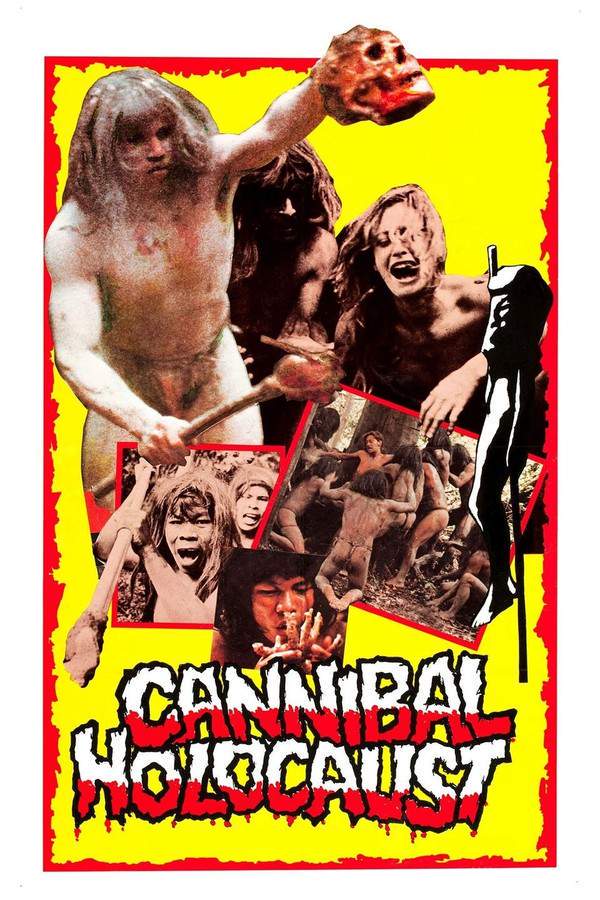
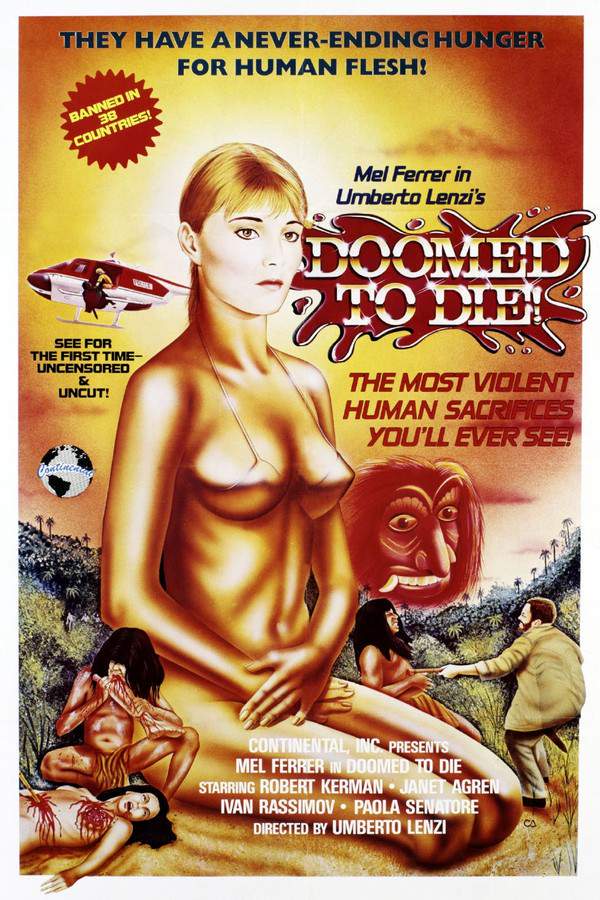
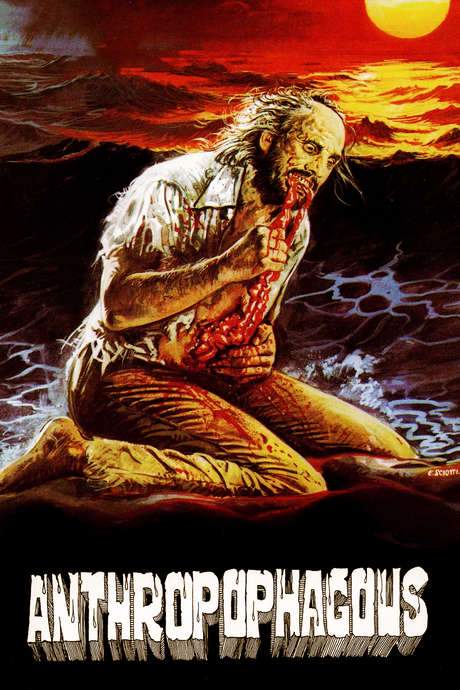
Movies with Similar Twists and Themes
Uncover films that echo the narrative beats, emotional arcs, or dramatic twists of the one you're exploring. These recommendations are handpicked based on story depth, thematic resonance, and spoiler-worthy moments — perfect for fans who crave more of the same intrigue.


Featured on this page

What's After the Movie?
Not sure whether to stay after the credits? Find out!
Check out our other apps:

SAT Sphere
Build confidence for the Digital SAT.

Mori Atlas
Discover wild places worth protecting.

Luntero
Search smarter for a home in Amsterdam.

Plot Explained
Unravel movie endings and hidden clues.

Pokechamp
Dive into Pokémon data and battle logic.

Driving Theory
Get ready for your European theory test.

Movie Dust
Plan your next cinema trip with ease.

Musemap
Find art and culture as you travel.

Selkobase
Compare credentials before committing.

Local Manual
Turn an unfamiliar country into practical next steps.

Lernavi
Compare school systems before your next move.

GymRoam
Find a workout stop wherever your plans take you.
Explore Our Movie Platform
New Movie Releases (2026)
Famous Movie Actors
Top Film Production Studios
Movie Plot Summaries & Endings
Major Movie Awards & Winners
Best Concert Films & Music Documentaries
Movie Collections and Curated Lists
© 2026 What's After the Movie. All rights reserved.
Privacy Policy