
American Yakuza 1993

Directed by

Frank A. Cappello
Made by

First Look International
American Yakuza Plot Summary
Read the complete plot summary and ending explained for American Yakuza (1993). From turning points to emotional moments, uncover what really happened and why it matters.
American FBI agent David Brandt is working undercover under the identity of Nick Davis, a former convict who died in solitary confinement, at a warehouse in Los Angeles that the Tendo crime family owns in order to infiltrate their operations. After Brandt saves the life of one of the family’s leaders, Shuji Sawamoto, Sawamoto welcomes him into the organization. As part of his introduction, Sawamoto escorts Brandt to witness the execution of Okazaki, an alleged traitor, who is killed by a woodchipper but the strike ends only at the last moment; once Sawamoto and Brandt depart, the remaining Yakuza finish the job with a shot from one of their own. This brutal opening sets the tone for a fragile alliance built on calculated risk and shifting loyalties.
For Brandt’s first real assignment, Sawamoto arranges a meeting with Dino Campanela, who Sawamoto believes helped orchestrate the assassination attempt. Campanela denies any involvement and orders his men to wipe out the Tendo family, escalating the danger around Brandt and forcing him to navigate a web of double meanings and hidden threats. During a tense family dinner, Brandt’s blunt, unfamiliar remarks about Japanese customs—“I thought you guys ate on the floor or something”—draw a sharp line between him and his hosts. The moment underscores Brandt’s outsider status and the cultural chasm he must cross to survive in this criminal world.
Kazuo, one of Sawamoto’s most watchful subordinates, immediately grows wary of Brandt, noting how unusually tan he looks for someone who spent the last year in solitary confinement. Brandt tries to deflect with a story about his supposed Apache heritage, but the doubt lingers. The tension between Brandt and Kazuo foreshadows the friction simmering beneath the surface of Brandt’s undercover mission. As Brandt and Sawamoto continue to work together, Brandt later reconnects with Sam, another FBI agent who is deep undercover as Border Patrol agent Bill Jenkins. Sam reveals a crucial twist: Okazaki was an FBI agent who was murdered by the Yakuza. He also implies Brandt’s continued loyalty by encouraging him to “do whatever it takes” to stay on the good side of the Tendo family. Brandt returns to the floor of the operation with the weight of that revelation pressing on him, while Sam’s faith in Brandt’s devotion becomes a point of tension with Littman, the FBI director who remains wary of Brandt’s loyalties.
When Brandt and the Yakuza travel to an arms deal in a warehouse, Brandt serves as the getaway driver while Sawamoto’s men enter the building. The supposed sting is an FBI operation, unknown to Brandt or to Campanela’s crew, and the agents nearby mistakenly see Brandt as a target. Brandt fires back and non-fatally shoots one agent before escaping, an act that creates a rift between him and the FBI team he’s supposed to be working with. After the dust settles, Sawamoto rewards Brandt with a large, empty house, a symbolic gesture that suggests the promise of a future that still feels out of reach.
Back at the FBI office, Littman grows increasingly suspicious of Brandt’s loyalties, while Sam defends him with quiet conviction. Brandt’s reticence and evasive answers only deepen Littman’s concern, even as Sam argues that Brandt has nothing left to lose. The investigation continues to fragment Brandt’s sense of identity and belonging, forcing him to weigh the risk of exposure against the alliance he’s built with Sawamoto and his inner circle.
Brandt’s new life within the Yakuza tightens its grip as Yuko enters his home as an interior decorator. Brandt’s curiosity about his new environs deepens as he and Yuko grow closer, sharing intimate moments in a state of cautious trust. The two fall into a fragile romance, and Brandt’s bond with Yuko becomes a potent symbol of what he’s risking by staying in this world. Aya, another member of Sawamoto’s circle, engages in conversation with Sawamoto about the future of her relationship with Yuko and the others, and Brandt can’t help but weigh the personal cost of his undercover life.
In a later desert meeting, Sam, still deep undercover as Jenkins, and several Yakuza members come together with Sawamoto to discuss how to advance their shared interests. Sawamoto’s trust in Brandt remains, even as he voices concerns about Jenkins, and Brandt reassures him by indicating his readiness to broker a connection that could benefit them all.
Back at Brandt’s new home, Yuko continues to decorate, and Brandt quietly observes the life he’s created around him. As they share a moment of closeness, Kazuo knocks on the door and pulls Brandt away to join Sawamoto at his house, where Brandt officially joins the Yakuza. Brandt returns home to find Yuko waiting, and the pair share a moment of passion that seals their evolving relationship—even as Brandt remains acutely aware of the danger he’s in.
The morning after, the same FBI agents who attacked Brandt during the earlier sting drag him into an unmarked car for questioning. Littman reveals that Campanela’s men intend to exterminate the Yakuza in the area, and the FBI plans to stand down and let the violence unfold. Brandt objects, but his protests fall on deaf ears as Sam arranges plane tickets to Hawaii to wait out the bloodshed. Brandt races back to his house, where two assassins from Campanela’s crew lie in wait. He fights them off and, tragically, fails to save Yuko, who bleeds out as he holds her. The majority of the Yakuza are then hunted down, sparing Sawamoto only, who fights to defend his life alongside Brandt.
In the climactic hours, Brandt and Sawamoto launch a counterattack against Campanela and his men as they celebrate their supposed victory. In a brutal exchange, Campanela shoots Brandt, who returns fire and finally defeats Campanela by throwing him out of a window. Sawamoto, gravely wounded, tells Brandt that he will be reunited with him in the next life and asks for Brandt’s real name. Brandt refuses to reveal his true identity, but Sawamoto says he prefers Nick anyway and dies in Brandt’s arms. As federal agents move to infiltrate the compound, Brandt carries Sawamoto’s body outside, stepping through the chaos with a heavy heart. The final image follows Brandt as he moves past Sam, carrying the weight of the man he’s just lost and the life he has chosen to lead, a stark reminder that undercover work exacts a cost that can’t be measured in victories alone.
American Yakuza Timeline
Follow the complete movie timeline of American Yakuza (1993) with every major event in chronological order. Great for understanding complex plots and story progression.
Brandt infiltrates the Tendo family in LA
An undercover FBI agent adopts the alias Nick Davis and operatives within the Tendo crime family. He earns trust after saving Shuji Sawamoto at a scene the family considers a test of loyalty. The invitation to join their world marks Brandt's uneasy entry into a dangerous new life.
A shocking witness to the attempted execution
Sawamoto takes Brandt to witness the execution of Okazai, a supposed traitor, via woodchipper, only to halt it at the last moment. Once Brandt and Sawamoto depart, the remaining Yakuza execute Okazai anyway, signaling the brutality of the internal code. Brandt witnesses the violence that cements his precarious position within the family.
First assignment: oversee a key meeting
Brandt is tasked with supervising a crucial meeting between Sawamoto and Campanela, who Sawamoto suspects of organizing the earlier attack. Campanela denies involvement and instead orders his men to wipe out the Tendo family. Brandt's role places him at the center of escalating gang warfare.
Dinner with the family reveals cultural gaps
Sawamoto hosts Brandt for a family meal, highlighting cultural differences. Brandt makes blunt remarks about dining, triggering Kazuo's suspicions and tension. Sawamoto steps in to defuse a potential physical confrontation, underscoring the fragile trust Brandt must maintain.
FBI briefing reveals Okazaki's true status
Brandt and Sam debrief on the case, learning that Okazaki was also an FBI agent who was murdered by the Yakuza. Sam urges Brandt to stay on Sawamoto's good side, implying loyalty is the only shield left. The revelation deepens Brandt's internal conflict about his true allegiance.
Confrontation and the return of the samurai sword
Brandt encounters a suspicious follower and is chastised by Sawamoto for his manners, prompting Brandt to retrieve Sawamoto's lost samurai sword. The exchange doubles as a test of Brandt's loyalty and a reminder of the dangerous honor code he has entered. The moment tightens the bond and tension between Brandt and Sawamoto.
Littman questions Brandt’s loyalties
In the FBI offices, Littman grows wary of Brandt, while Sam defends him, insisting Brandt is loyal because he has nothing else to lose. The director's skepticism hints at looming danger to Brandt's cover. The debate foreshadows a rough path ahead for Brandt’s dual loyalties.
An arms deal sting goes wrong for Brandt
Brandt and the Yakuza travel to a warehouse for an arms deal that turns out to be an FBI sting. Brandt is unaware of the operation and even proclaims his FBI status late, leading to a chaotic shootout. He shoots a conducting agent non-fatally and escapes, deepening the rift between him and the FBI.
A reward turns hollow and lonely
Brandt reports the money recovered from the sting to Sawamoto, who rewards him with a large but empty house. The stark emptiness underlines Brandt's isolation and the price of his undercover life. He looks around with a growing sense of emptiness and distance from his new 'family'.
Desert meeting solidifies uneasy alliance
Sam as Border Patrol agent Jenkins meets Brandt, Sawamoto, and several Yakuza members in the desert to discuss furthering their interests. Sawamoto expresses concerns but ultimately trusts Brandt's judgment. The desert setting amplifies the precarious cross-cultural alliance at the heart of Brandt's mission.
Yuko’s introduction and Brandt’s new status
Brandt returns to his home to find Yuko, who explains she is his interior decorator and not Sawamoto's employee, sparking a personal connection. Yuko becomes a human bridge between Brandt’s dangerous undercover life and a fragile chance at normalcy. Their growing bond complicates Brandt's loyalties.
The climactic showdown and its costs
The final assault pits Brandt and Sawamoto against Campanela as the Yakuza are decimated. Sawamoto is fatally wounded, and Brandt reveals his undercover identity. Campanela shoots Brandt, who kills Campanela in a fall, but Sawamoto dies in the exchange. Brandt carries Sawamoto's body outside as the FBI move in, passing Sam in a solemn moment of closure.
American Yakuza Characters
Explore all characters from American Yakuza (1993). Get detailed profiles with their roles, arcs, and key relationships explained.
Nick Davis / David Brandt (Viggo Mortensen)
An undercover FBI agent posing as Nick Davis, who has adopted a hardened, solitary persona to infiltrate the Tendo family. He blends calm calculation with brutal efficiency, and he forms uneasy bonds with Sawamoto and the Yakuza. His crudeness toward Japanese customs underscores the culture clash at the heart of the story. He ultimately reveals his true identity as an FBI agent, and his mission consumes him, balancing loyalty and exposure until the final confrontation.
Shuji Sawamoto (Ryo Ishibashi)
A charismatic Yakuza leader who welcomes Brandt into the fold and tests his loyalty. Sawamoto balances tradition with opportunism, using Brandt to advance Yakuza interests while maintaining a wary vigilance. He treats Brandt like a family member, even as the danger surrounding their alliance grows. His death in the climactic confrontation marks the collapse of the first layer of Brandt’s undercover world.
Yuko (Anzu Lawson)
Brandt’s partner-in-crime on the human level, Yuko is an interior decorator who becomes emotionally entangled with Brandt. She appears warm and protective, bridging Brandt’s undercover life with a semblance of normalcy. Her death during the final assault emphasizes the human cost of Brandt’s dangerous game.
Aya (Saiko Isshiki)
A member close to Sawamoto who participates in ambiances and discussions around power and loyalty. Aya’s presence adds to the web of loyalties and rivalries within the Yakuza network and helps illustrate the complexity of relationships in the organization.
Kazuo (Yuji Okumoto)
A Sawamoto faction member who is quick to distrust Brandt, challenging Brandt’s cover and testing the boundaries of the fragile alliance. His suspicion epitomizes the fragility of trust inside an undercover operation. He embodies the constant threat of exposure that drives much of the narrative tension.
Dino Campanela (Michael Nouri)
A rival mafioso who seeks to wipe out the Tendo family, presenting a direct threat to Brandt’s undercover mission. Campanela’s ruthlessness and disdain for rivals sharpen the conflict and push Brandt toward decisive violence. He becomes a primary antagonist whose machinations culminate in a brutal final confrontation.
Vic (Nicky Katt)
A loyal Campanela underling who craves respect and status within the Mafia hierarchy. He articulates a desire for legitimacy and recognition, representing the personal stakes framing organized-crime dynamics. Vic contributes to the hostile atmosphere surrounding the Yakuza–Mafia clashes.
Sam (Franklyn Ajaye)
Brandt’s FBI ally who operates undercover as Border Patrol agent Bill Jenkins. Sam provides crucial information and support while pushing Brandt to stay in the fold of the mission. He embodies the pragmatic, sometimes ethically gray, approach of the investigative team and serves as a counterpoint to Littman’s skepticism.
Littman (Robert Forster)
The FBI director who grows increasingly suspicious of Brandt’s loyalties as the operation unfolds. Littman represents institutional pressure and the risk of exposure that shadows undercover work. His doubts catalyze the tension between Brandt’s actions and the mission’s stated objectives.
Okazaki (Fritz Mashimo)
An alleged traitor within the Yakuza who is executed in a brutal woodchipper scene, highlighting the merciless internal discipline of the organization. His fate underscores the precariousness of loyalty and the high stakes of playing both sides. His death marks one of the early shocks of the film’s violent arc.
Isshin Tendo (John Fujioka)
The Tendo family patriarch and a figure of authority within the Yakuza network. Isshin represents traditional leadership and the code of honor that underpins the Yakuza family’s operations. His presence helps frame Brandt’s infiltration against a backdrop of loyalty and family obligation.
Agent #2 (John Hammill)
An FBI agent who features in the broader investigation landscape as part of the mission’s support structure. He embodies the procedural side of the operation and the network of law-enforcement personnel involved in the sting.
American Yakuza Settings
Learn where and when American Yakuza (1993) takes place. Explore the film’s settings, era, and how they shape the narrative.
Time period
1990s
The story unfolds in a contemporary late-20th-century setting, marked by modern surveillance, organized crime, and undercover police work. The era’s urban crime atmosphere shapes tactics, loyalties, and the danger of being exposed. The tone mirrors 1990s crime thrillers, with moral ambiguity and high-stakes confrontations at the center.
Location
Los Angeles, Desert, Hawaii
Los Angeles serves as the central base for the Tendo crime family, with a warehouse acting as a front for meetings and shipments. The desolate desert location becomes a tense staging ground for the FBI sting and the uneasy alliance between Brandt and Sawamoto. Hawaii appears as a temporary escape, highlighting the personal toll of Brandt’s undercover life as he awaits the fallout of the operation.
American Yakuza Themes
Discover the main themes in American Yakuza (1993). Analyze the deeper meanings, emotional layers, and social commentary behind the film.
🕵️
Undercover Duty
A core tension centers on Brandt’s double life as an FBI agent embedded in a Yakuza family. The mission tests his loyalties, blending professional duty with dangerous personal bonds. The film explores how deception can both protect and imperil those involved, and how identity shifts under pressure. Ultimately, Brandt’s undercover status remains a pivotal secret with dire consequences.
⚔️
Violence & Betrayal
The plot builds to a brutal climax built on betrayals and bloodshed, from the brutal execution of Okazaki to Yuko’s death and the final gunfight. Loyalties fracture as rival factions collide, revealing how violence is used as a tool of power and control. The narrative treats violence as a cost of undercover work and organized crime warfare. The ending underscores that betrayal cuts both ways.
🌐
Culture Clash
Brandt’s faux manners and blunt behavior clash with Japanese customs, highlighting misunderstandings between FBI operatives and Yakuza. The tension forces characters to navigate different codes of honor, family, and allegiance. The film uses these cultural frictions to deepen character dynamics and suspense. This clash drives both humor and tragedy within the plot.

Coming soon on iOS and Android
The Plot Explained Mobile App
From blockbusters to hidden gems — dive into movie stories anytime, anywhere. Save your favorites, discover plots faster, and never miss a twist again.
Sign up to be the first to know when we launch. Your email stays private — always.
Explore the mobile appAmerican Yakuza Spoiler-Free Summary
Discover the spoiler-free summary of American Yakuza (1993). Get a concise overview without any spoilers.
In the sprawling, rain‑slick ports of Los Angeles, the world of organized crime hums beneath the clang of freight containers and the roar of diesel engines. The city’s underbelly is a collision of Japanese tradition and Italian swagger, a place where honor is measured in quiet gestures and power is negotiated behind steel doors. The atmosphere is dense and tense, a gritty tapestry of loyalty, secrecy, and cultural friction that makes every interaction feel like a delicate bargain.
Nick Davis emerges from a year of isolation to take a job as a forklift operator in a warehouse owned by the formidable Yakuza patriarch Isshin Tendo. The routine grind soon shatters when an unexpected confrontation with the Italian Mafia, headed by Dino Campanela, forces him into a life‑or‑death situation that draws the attention of Shuji Sawamoto, the clan’s American liaison. Sawamoto’s reluctant gratitude pulls Nick into the inner circle of the Tendo family, offering him a place among strangers whose code of conduct is both alien and oddly familiar. As an undercover FBI operative, he must walk a razor‑thin line between the badge he wears and the brotherhood that begins to feel like home.
The film’s tone is a brooding mix of neo‑noir and raw street drama, punctuated by moments of uneasy humor that surface whenever cultural misunderstandings flare. Nick’s struggle is not just professional; it becomes deeply personal as he forms bonds with the people around him—particularly a young woman who becomes a bridge to his new world. Caught between the demands of his agency and the pull of a community that has started to accept him, he is forced to confront what loyalty really means when the line between law and crime blurs in the shadows of the harbor.
Movies with Similar Twists and Themes
Uncover films that echo the narrative beats, emotional arcs, or dramatic twists of the one you're exploring. These recommendations are handpicked based on story depth, thematic resonance, and spoiler-worthy moments — perfect for fans who crave more of the same intrigue.

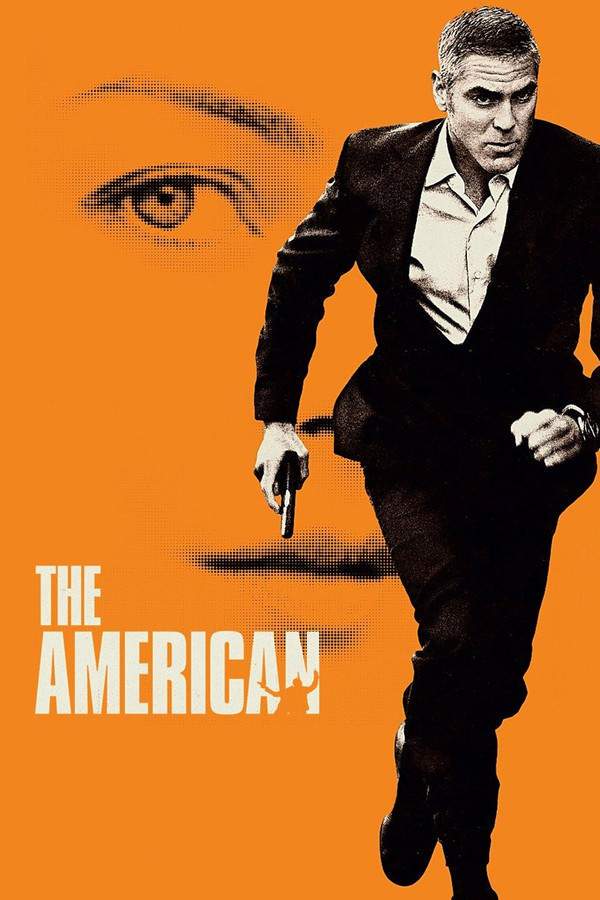
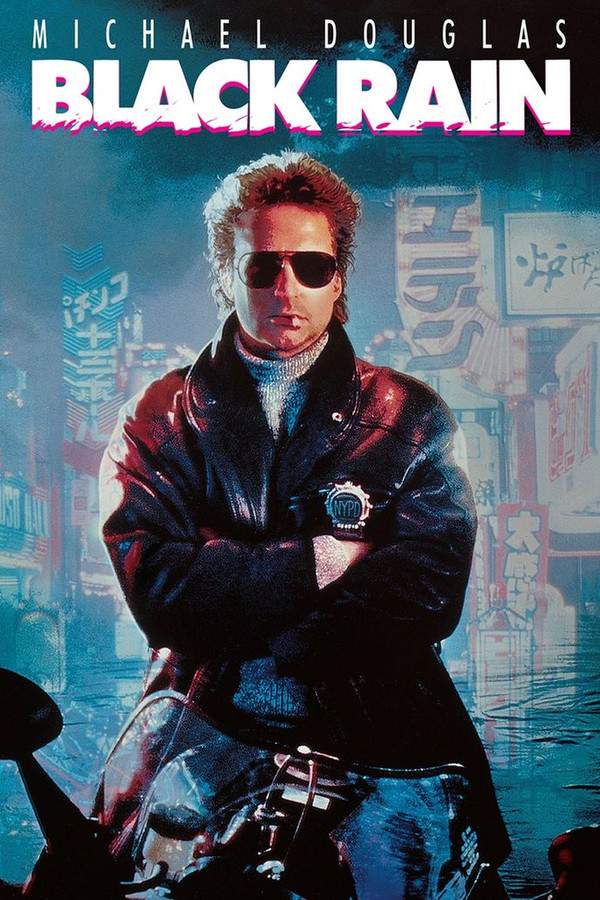
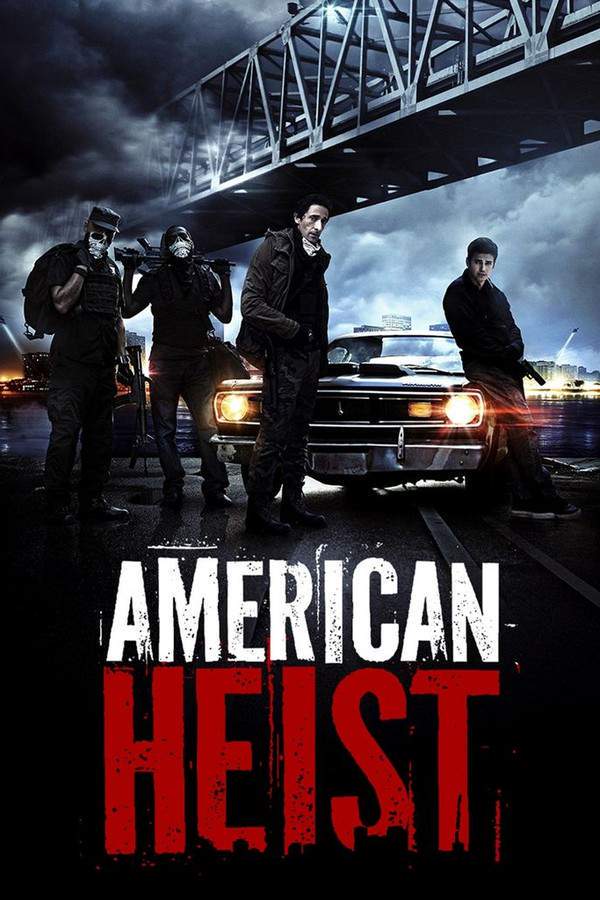
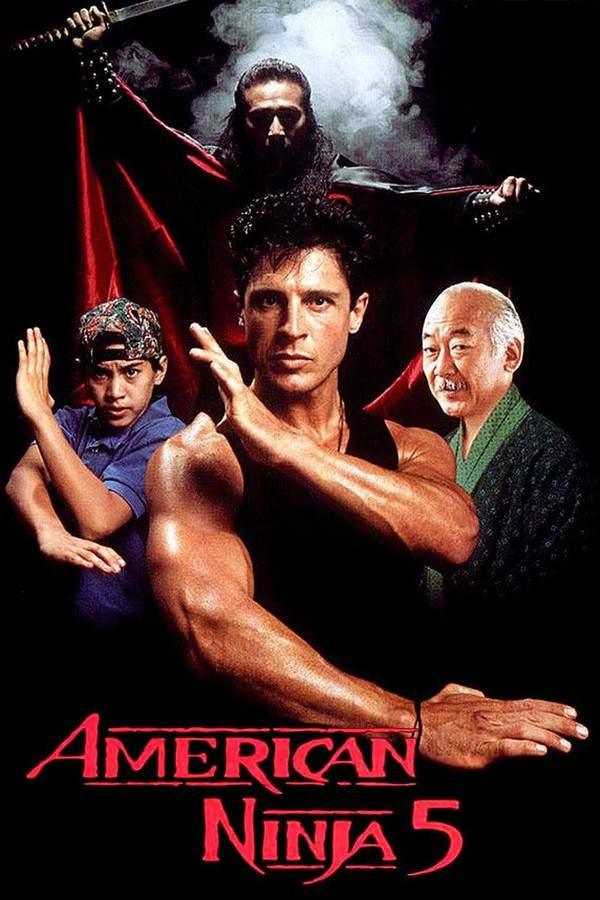


Featured on this page

What's After the Movie?
Not sure whether to stay after the credits? Find out!
Check out our other apps:

SAT Sphere
Build confidence for the Digital SAT.

Mori Atlas
Discover wild places worth protecting.

Luntero
Search smarter for a home in Amsterdam.

Plot Explained
Unravel movie endings and hidden clues.

Pokechamp
Dive into Pokémon data and battle logic.

Driving Theory
Get ready for your European theory test.

Movie Dust
Plan your next cinema trip with ease.

Musemap
Find art and culture as you travel.

Selkobase
Compare credentials before committing.

Local Manual
Turn an unfamiliar country into practical next steps.

Lernavi
Compare school systems before your next move.

GymRoam
Find a workout stop wherever your plans take you.
Explore Our Movie Platform
New Movie Releases (2026)
Famous Movie Actors
Top Film Production Studios
Movie Plot Summaries & Endings
Major Movie Awards & Winners
Best Concert Films & Music Documentaries
Movie Collections and Curated Lists
© 2026 What's After the Movie. All rights reserved.
Privacy Policy