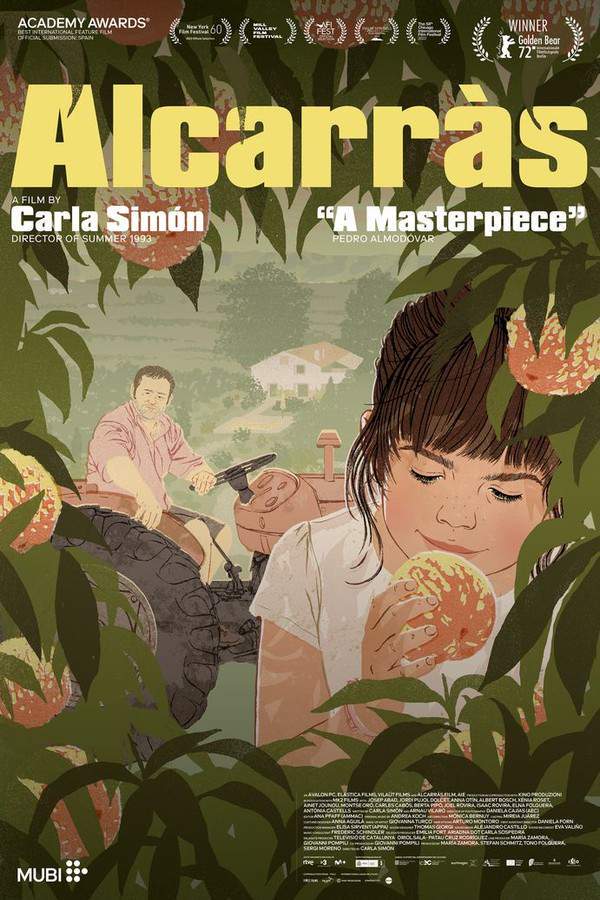
Alcarràs 2023


Directed by

Carla Simón
Made by

MUBI
Where to Watch Alcarràs
See current US streaming, rental, and purchase options for Alcarràs (2023) via JustWatch.






Alcarràs Plot Summary
Read the complete plot summary and ending explained for Alcarràs (2023). From turning points to emotional moments, uncover what really happened and why it matters.
Set in the rural village of Alcarràs in Catalonia, Spain, the Solé family has tended peach orchards on the same land for generations. In the height of summer, during the harvest, the film follows their daily life as they gather fruit and tend to the farm. The land they’ve farmed for decades, once given to them as a verbal promise by the Pinyol family during the Spanish Civil War, is now being reclaimed. The new landowner, Mr. Pinyol, plans to uproot the orchard and install solar panels, leaving the Solés with no legal recourse and facing the end of their way of life.
At the center of the family is Quimet, Jordi Pujol Dolcet the stubborn and hot-tempered patriarch, who refuses to accept the situation. He believes the land is theirs by right and is determined to harvest the fruit and resist eviction. His stance sets the tone for a summer that will test loyalties and long-held convictions, casting a shadow over the family’s routine rhythms of pruning, picking, and packing the peaches.
His wife Dolors, Anna Otin, tries to keep the family together and sane in the face of upheaval. She moves between the fields and the house with a quiet resolve, hoping to hold on to a sense of normalcy even as the land’s future hangs in the balance. Their teenage children, Roger, Albert Bosch, and Mariona, Xènia Roset, inhabit two different responses to growing uncertainty. Roger is restless and outwardly questions traditional paths, imagining new, modern ways to earn a living, including ventures like cannabis cultivation. Mariona, meanwhile, turns inward and outward through dance and performance, practicing for the village’s traditional pageant as a way to cope with the changes swirling around them.
The younger generation—Iris, Ainet Jounou, along with cousins Pau, Isaac Rovira, and Pere, Joel Rovira—moves through the orchard with a lighter touch, largely unaware of the adult conflicts that threaten their family’s way of life. They play among the trees, stage mock trials of a “stolen tractor,” and build forts in the fields, capturing a sense of carefree innocence that stands in stark contrast to the mounting pressure surrounding the land. Their afternoons are filled with sun-drenched ramblings, and their laughter and curiosity knit a fragile thread that keeps the family connected even as distant threats loom.
As summer deepens, the tension among the adults grows more palpable. Quimet’s relationship with his brother and uncle becomes strained as they navigate divergent ideas about how to respond to the eviction and the future of the orchard. Negotiations with Mr. Pinyol falter, and the orchard’s machinery finally arrives, signaling a relentless march toward dismantling the trees that have sustained generations of the Solé family. The sound of chainsaws and metal vying for space in the landscape becomes a stark reminder that time, memory, and livelihood are all on the line.
In the quiet moments, the family gathers for what may be their last lunch under the shade of the trees, a scene that feels almost ceremonial in the face of loss. The children dance one final time in the orchard, a poignant blend of joy and farewell, even as the bulldozers draw nearer and the day’s light begins to wane. The film paints a patient, intimate portrait of a community at the edge of change, where love for the land and loyalty to kin contend with the pressures of progress and the imperatives of survival. Through its measured pace and humane observation, the story invites reflection on the costs of upheaval and the enduring bonds that keep a family rooted when the ground beneath them shifts.
Alcarràs Timeline
Follow the complete movie timeline of Alcarràs (2023) with every major event in chronological order. Great for understanding complex plots and story progression.
Harvest season in Alcarràs begins
In the height of summer, the Solé family gathers peaches and tends to the orchard. The daily routines reveal a close-knit clan whose life is rooted in the land they have farmed for generations. The sun-drenched fields frame a season of work, togetherness, and dependence on the harvest.
Memories of a verbal promise
The family recalls that the land was promised to them by the Pinyol family during the Civil War, a pact never formalized by deed. This memory anchors their sense of rightful ownership even as the field is tended daily for harvest. The past complicates present negotiations and fuels their attachment.
Mr. Pinyol's plan to reclaim the land
A new landowner, Mr. Pinyol, arrives with plans to uproot the orchard to install solar panels. The proposal signals a legal and existential threat to the Solés and their way of life. Negotiations begin under the shadow of eviction and a changing landscape.
Quimet's defiance
Quimet, the stubborn patriarch, refuses to yield the land as if it were a matter of principle. He resolves to keep harvesting and resist eviction, viewing the soil as a birthright. His stance sets the tone for the family’s response to the looming threat.
Dolors seeks to hold the family together
Dolors tries to keep the family united amid mounting pressure and uncertainty. She counsels patience and tries to prevent fractures within the clan. Her role emphasizes the human cost of the looming eviction and the need for solidarity.
Roger's restless dream
Roger, restless and frustrated, dreams of making a living through modern means, even contemplating growing cannabis as an alternative. He imagines a different future beyond traditional farming. His tension highlights generational shifts in how to sustain the family.
Mariona's escape through dance
Mariona channels her feelings into dance and rehearsals for the village's traditional pageant. The performance offers a release from family conflict and the looming disruption of the land. Her art becomes a quiet sanctuary amid the tension.
The younger cousins' carefree world
Iris, Pau, and Pere roam the trees, play games, and build forts, largely oblivious to the adult strife. They stage mock trials of a 'stolen tractor,' a playful ritual that underscores their bond with the land. Their innocence contrasts with the gravity of eviction.
Friction among the elders
Quimet's relationship with his brother and uncle frays as they disagree on how to respond to Pinyol's plan. The family fails to present a united front, revealing the personal costs of the dispute. The rift foreshadows the coming breakdown of harmony.
Negotiations falter
Attempts at negotiation with Pinyol falter, leaving little room for compromise. The agricultural future of the Solés hangs in the balance as talks stall. The sense of impending loss deepens within the family.
Machinery moves in
Machinery moves in to begin dismantling the orchard, and the family feels powerless to stop it. The sounds of chainsaws and bulldozers invade the fields as the landscape shifts under their feet. The day marks a turning point from resistance to forced removal.
The last lunch under the trees
The family sits down for what may be their last lunch among the peach trees. They share simple food and quiet conversation, letting the moment sink in as machines close in. The sense of farewell hangs over the grove.
Children's final dance as the bulldozers approach
The cousin kids dance one final time in the orchard as the bulldozers draw nearer. Their carefree movement contrasts with the encroaching machines and signals the end of their childhood tied to the land. The film closes on a scene of loss and endurance.
Alcarràs Characters
Explore all characters from Alcarràs (2023). Get detailed profiles with their roles, arcs, and key relationships explained.
Quimet (Jordi Pujol Dolcet)
Quimet is the stubborn, hot-tempered patriarch who believes the land is his by right. He is fiercely protective of the orchard and resolute in resisting eviction, even as tensions rise within the family. His pride and fierce loyalty to tradition drive much of the conflict and affect everyone around him.
Dolors (Anna Otin)
Dolors is the family’s emotional center, trying to hold everyone together as the situation grows dire. She balances practicality with care for her spouse and children, seeking a path to keep the family intact. Her role embodies resilience and mediation amid mounting pressure.
Roger (Albert Bosch)
Roger is restless and eager to find modern means of making a living, dreaming of ventures beyond traditional farming. He seeks autonomy and a faster route to success, reflecting the tension between old livelihoods and new opportunities.
Mariona (Xènia Roset)
Mariona is the artistic teen who channels hope through dance and performance. She uses art to cope with the family’s upheaval and to preserve a sense of community and pageantry that binds the village.
Pau (Isaac Rovira)
Pau is a playful younger cousin who grows up amid the orchard’s shadows. Curious and inventive, he explores the fields with friends and embodies the generation that will inherit the land’s fate.
Pere (Joel Rovira)
Pere is another young member of the family who participates in the children’s world of play among trees and forts. His innocence reflects the larger loss at stake as the harvest ends and the land is cleared.
Iris (Ainet Jounou)
Iris is Quimet’s young relative who represents the next generation’s curiosity and energy. She and her cousins explore the orchard and bring a sense of lightness amid growing tension.
Glòria (Berta Pipó)
Glòria is Quimet’s wife and a stabilizing force in the family. She seeks to maintain harmony and navigate the conflict with quiet strength, offering support to the other members as the farm’s fate hangs in the balance.
Cisco (Carles Cabós)
Cisco is a cousin-like figure in the extended family who participates in the life of the orchards. He contributes to the sense of communal belonging as the land faces eviction.
Alcarràs Settings
Learn where and when Alcarràs (2023) takes place. Explore the film’s settings, era, and how they shape the narrative.
Time period
Contemporary (summer harvest)
The story unfolds in the present day during a hot Catalan summer harvest. The rhythms of work, family meals, and village events anchor the narrative as the threat of eviction grows. The Civil War-era promise provides a historical backdrop, but the action centers on living memory and current struggle.
Location
Alcarràs, Catalonia, Spain
Alcarràs is a small rural village in Catalonia where peach orchards shape daily life and identity. The land and its cultivation have long defined the community, tying families to generations of farming. The summer harvest season becomes a pressure point as external forces move to reclaim the land and replace the orchards with solar panels.
Alcarràs Themes
Discover the main themes in Alcarràs (2023). Analyze the deeper meanings, emotional layers, and social commentary behind the film.
🌾
Land and Identity
The orchard is more than a livelihood; it anchors the Solé family’s sense of place and history. As the land is reclaimed, the family confronts memories tied to the Civil War promise and the right to farm. The fight to keep the orchard becomes a struggle to preserve identity and heritage.
❤️
Family Bonds
Quimet’s stubbornness tests the family, while Dolors strives to keep everyone together. The children, including Mariona and Roger, process upheaval in their own ways. Shared meals, dances, and quiet rituals reinforce loyalty and resilience when danger looms.
💡
Tradition vs Modernity
The plan to replace the orchard with solar panels embodies a shift toward modernization that challenges ancestral ways. Young Roger imagines new livelihoods, while Mariona pursues art and performance, signaling a future beyond farming. The film explores whether progress can coexist with memory and land-based culture.
🌞
Summer and Innocence
The hot, sun-drenched season heightens emotions and stress as the bulldozers approach. The younger cousins’ games contrast with adult conflicts, capturing a fading innocence linked to a vanishing way of life. The final communal moments—the lunch under the trees and the last dance—mark the end of an era.

Coming soon on iOS and Android
The Plot Explained Mobile App
From blockbusters to hidden gems — dive into movie stories anytime, anywhere. Save your favorites, discover plots faster, and never miss a twist again.
Sign up to be the first to know when we launch. Your email stays private — always.
Explore the mobile appAlcarràs Ending Explained
Unravel the ending of Alcarràs (2023) with our detailed explanation. Understand the final scenes, character fates, and unresolved questions.
The ending of “Alcarràs” highlights the ongoing clash between tradition and progress. As the family faces the imminent destruction of their beloved peach orchard to make way for a solar power plant, they come together to harvest what remains of their crops, symbolizing their last effort to hold onto their livelihood and identity. Throughout the film, the family’s unity is tested by external forces and internal conflicts, but in the final scenes, despite the loss and upheaval, there is a sense of resilience and hope. The family gathers to can the fruits they’ve worked so hard to produce, a quiet act of defiance and love for their land and heritage. Iris’s song dedicated to her grandfather captures this sentiment beautifully — a reminder that their connection to the land and to each other is deeper than material possessions. The destruction of their farm signifies the end of an era but also opens the possibility for rebuilding from scratch on new land. In essence, the film ends on a note of bittersweet optimism: even amid loss, family bonds and cultural roots remain strong, offering hope for a new beginning despite the inevitable change around them. The film emphasizes that while progress may threaten traditional ways, the core values of family and love for the land continue to endure.
Alcarràs Spoiler-Free Summary
Discover the spoiler-free summary of Alcarràs (2023). Get a concise overview without any spoilers.
In the sun‑drenched hills of Catalonia, a family’s peach orchard has been the steady heartbeat of the village of Alcarràs for generations. The trees, cultivated since the days of the Spanish Civil War, are more than a source of fruit; they are a living ledger of promises, memories, and a way of life that has weathered countless seasons. Yet the quiet rhythm of harvest is now shadowed by a new development plan that threatens to replace the ancient groves with rows of solar panels, forcing the community to confront an uncertain future.
At the core of this tension stands Quimet, the patriarch whose fiery resolve and deep‑rooted belief in the land’s ownership set the tone for the summer’s struggle. Beside him, Dolors moves through the fields and the house with a calm determination, striving to keep her family cohesive while the world around them shifts. Their teenage children embody the generational divide: Roger questions the old path, eyeing modern alternatives and the promise of a different livelihood, while Mariona seeks solace in dance and the village’s traditional pageant, channeling the orchard’s fading spirit into performance. The younger cousins—Iris, Pau, and Pere—wander the trees with a carefree innocence, their games and laughter a fragile counterpoint to the growing unease that hangs over the rows of blossoming trees.
The film unfolds with a measured, almost lyrical pace, inviting viewers to feel the heat of the summer, the scent of ripe peaches, and the quiet tension that lingers beneath the surface. Its tone is both intimate and expansive, painting a portrait of a community poised on the brink of change, where love for the land battles the pull of progress. The story balances the warmth of family bonds with the looming question of what will remain when the ground beneath them is altered, leaving an open, lingering sense of both nostalgia and possibility.
Movies with Similar Twists and Themes
Uncover films that echo the narrative beats, emotional arcs, or dramatic twists of the one you're exploring. These recommendations are handpicked based on story depth, thematic resonance, and spoiler-worthy moments — perfect for fans who crave more of the same intrigue.

Featured on this page

What's After the Movie?
Not sure whether to stay after the credits? Find out!
Check out our other apps:

SAT Sphere
Build confidence for the Digital SAT.

Mori Atlas
Discover wild places worth protecting.

Luntero
Search smarter for a home in Amsterdam.

Plot Explained
Unravel movie endings and hidden clues.

Pokechamp
Dive into Pokémon data and battle logic.

Driving Theory
Get ready for your European theory test.

Movie Dust
Plan your next cinema trip with ease.

Musemap
Find art and culture as you travel.

Selkobase
Compare credentials before committing.

Local Manual
Turn an unfamiliar country into practical next steps.

Lernavi
Compare school systems before your next move.

GymRoam
Find a workout stop wherever your plans take you.
Explore Our Movie Platform
New Movie Releases (2026)
Famous Movie Actors
Top Film Production Studios
Movie Plot Summaries & Endings
Major Movie Awards & Winners
Best Concert Films & Music Documentaries
Movie Collections and Curated Lists
© 2026 What's After the Movie. All rights reserved.
Privacy Policy