
Agni Varsha 2002

Directed by

Prabhu Deva
Made by

iDream Productions
Agni Varsha Plot Summary
Read the complete plot summary and ending explained for Agni Varsha (2002). From turning points to emotional moments, uncover what really happened and why it matters.
In a kingdom stricken by drought for many years, Arvasu, a young Brahman, falls in love with Nittilai, a tribal girl who must win the blessing of her father and the village elders before marrying him. Paravasu, Arvasu’s brother, has been leading a major fire sacrifice, the “yajna” ceremony, for seven years to appease the god of rain, Devraj Indra. Their father, Raibhya, dislikes both his sons and grows suspicious of Vishakha, who is Paravasu’s wife, believing she is having an affair with Yavakri. Raibhya bases this on the history that Yavakri and Vishakha loved each other before Yavakri left the village for ten years to worship Devraj Indra in the jungle, aiming to attain Brahma Jnana (supreme divine powers). After his return, Yavakri resumes pursuing Vishakha along her routine to the water well. She, initially refusing because she is married, ultimately gives in, and they begin a forbidden affair in the caves and the woods.
One day, Nittilai and Arvasu witness a full water vessel and realize it belongs to Vishakha. Nittilai then sees Vishakha and Yavakri making love in a cave. Nittilai first tries to flee with Arvasu, but she later tells him the truth when he confronts her about what they saw. This frank revelation is resented and angers [Yavakri], who tells Nittilai she is cursed and will die within a month. This accusation frightens Nittilai and stirs a deep anger in Arvasu.
Back home, Raibhya, angered by adultery rumors, confronts Vishakha, who admits she was with Yavakri. In a fit of rage, Raibhya summons a dark force, the Rakshasa Brahma Rakshas, to kill Yavakri. He also declares that Yavakri can save himself only by entering his father’s ashram, which would brand him a coward. Yavakri, determined to prove his strength, awaits the demon’s arrival. Vishakha warns him to flee to his father’s ashram, which would spare both Raibhya and him; otherwise, if Yavakri defeats the demon, Raibhya would have to immolate himself. But Yavakri refuses to brace for defense, and a clash of distrust erupts between Yavakri and Vishakha, prompting Vishakha to take a defiant stand. The demon slays Yavakri as he tries to reach safety in his father’s ashram.
Vishakha pleads with Arvasu to cremate Yavakri, which delays his own appointment with Nittilai’s father and the village elders, forcing Nittilai to marry a fellow tribesman. Paravasu then sneaks in at night to meet Vishakha. Vishakha confesses everything and pleads with him to kill her, but [Paravasu] raises an arrow and shoots at his own father. On his way back to the yajna site, he encounters the demon, who calls him brother and, as a cursed soul, seeks salvation at his hands; Paravasu, however, ignores him. The next day, after [Arvasu] has cremated his father, [Paravasu] blames Arvasu for the slaying and beats him mercilessly.
When [Nittilai] learns of this, she comes to Arvasu’s aid and finds herself hunted by her husband and her brother, who threaten to kill her for dishonoring the tribe’s customs. The Sutradhar arranges a dramatic act to entertain the Devas and assigns [Arvasu] an important role. Under the influence of bhang, [Arvasu] goes berserk during the performance, wrecking the havan and tossing offerings to the starving crowd. In a desperate attempt to stop him, [Nittilai] exposes herself and is killed by her husband; [Paravasu] confesses to murdering his father and cremates himself on the yajna’s pyre. With the rites fulfilled, Devraj Indra appears, and [Arvasu] is granted a single wish of his choosing. The Brahma Rakshas returns, pleading to have his soul set free, while [Arvasu] wishes to bring Nittilai back to life. Indra explains that reviving Nittilai would require turning time backward, whereas freeing the demon’s soul would require turning time forward. With tearful resolve, [Arvasu] asks Indra to set the demon’s soul free, and his request is granted, bringing rain to end the long drought.
Agni Varsha Timeline
Follow the complete movie timeline of Agni Varsha (2002) with every major event in chronological order. Great for understanding complex plots and story progression.
Love blossoms between Arvasu and Nittilai
In a drought-stricken kingdom, Arvasu, a young Brahman, falls in love with Nittilai, a tribal girl. They must win the blessing of her father and the village elders before they can marry. Their romance begins under the strain of years of drought.
Paravasu leads the seven-year yajna
Paravasu has been leading a major fire sacrifice, the yajna, for seven years in a bid to bring rain. The long ritual binds the family and village as the drought persists. The outcome remains uncertain as prayers rise with the flames.
Raibhya grows suspicious of Vishakha and Yavakri
Raibhya grows suspicious of Vishakha and worries she is having an affair with Yavakri. He dislikes both his sons and recalls Yavakri's past bond with Vishakha before Yavakri left for ten years to seek Brahma Jnana.
Yavakri returns and resumes pursuit
Yavakri returns from the jungle and resumes pursuing Vishakha as she goes to the water well. He remains determined to win her and to gain Brahma Jnana, despite the risk to his standing in the village.
Vishakha and Yavakri's forbidden affair
Vishakha and Yavakri begin a forbidden affair in the caves and woods. Their secret relationship threatens the fragile social order and darkens the future for everyone around them.
Witness and truth revelation
Nittilai and Arvasu witness Vishakha and Yavakri together, discovering the adulterous relationship. Nittilai confronts Arvasu with what she saw and the truth tests their bond.
Yavakri slain by Brahma Rakshas
Raibhya confronts Vishakha about the rumors, and she admits the affair. In a fit of rage, he summons the Brahma Rakshas to kill Yavakri; Vishakha warns Yavakri to flee to his father's ashram, but he refuses.
Vishakha pleads for Yavakri's cremation
Vishakha pleads with Arvasu to cremate Yavakri, delaying his visit to the village elders and forcing Nittilai toward an arranged marriage. The tension between love and duty erupts as the community's rules loom over their fates.
Paravasu murders his father
Paravasu sneaks in at night to meet Vishakha, and after her plea, he raises an arrow and kills his own father, Raibhya. The act marks a brutal turn in the tragedy and shatters the family.
Arvasu mourns and Paravasu blames him
Arvasu cremates his father Raibhya the next day. Paravasu storms Arvasu, blaming him for the slaying and beating him mercilessly.
Nittilai hunted; Sutradhar prepares a rite
News of the turmoil reaches Nittilai, and she is hunted by Paravasu and her brother for dishonoring tribal customs. The Sutradhar arranges a dramatic rite for the Devas, giving Arvasu an important role.
Arvasu goes berserk during the rite
Under the influence of bhang, Arvasu goes berserk during the performance, wrecking the havan and tossing offerings to the hungry crowd.
Nittilai sacrifices herself
Nittilai exposes herself in a desperate bid to stop Arvasu's rampage and is killed by Paravasu. The crowd reels from the brutal act as the tragedy deepens.
Paravasu confesses and commits self-immolation
Paravasu confesses to murdering his father and cremates himself on the yajna's pyre. The ritual's course closes in on its final acts as vengeance and guilt intersect.
Rain and release of a demon
Devraj Indra appears and grants Arvasu a single wish. The Brahma Rakshas returns, begging for release. Arvasu chooses to set the demon's soul free, while Indra explains that reviving Nittilai would require moving time backward and freeing the Rakshas requires turning time forward; Arvasu's choice brings rain and ends the drought.
Agni Varsha Characters
Explore all characters from Agni Varsha (2002). Get detailed profiles with their roles, arcs, and key relationships explained.
Arvasu (Milind Soman)
A young Brahman whose love for Nittilai and his sense of justice push him into conflict with a tradition-bound village. He acts as a catalyst for the tragedy, challenging loyalties and ritual norms. In the end, his mercy-driven wish to free the demon’s soul leads to rain and a measure of redemption.
Nittilai (Sonali Kulkarni)
A tribal woman whose love for Arvasu defies tribal norms and marriage laws. She embodies resilience under social pressure and pays a heavy price for honesty. Her fate propels the community toward reckoning with its codes and consequences.
Vishakha (Raveena Tandon)
Paravasu’s wife who becomes entangled with Yavakri, sparking jealousy and suspicion within the family. Her choices are constrained by circumstance, yet she asserts defiance in the face of social judgment. Her actions precipitate a chain of events leading to tragedy.
Yavakri (Nagarjuna Akkineni)
A prince pursuing Brahma Jnana who returns after years in the jungle to pursue Vishakha. His quest for spiritual power and love clashes with family loyalties, culminating in a fatal confrontation with the Rakshasa. His fate underscores the peril of pride and desire.
Paravasu (Jackie Shroff)
Arvasu’s brother who navigates love, power, and violence. He murders his own father in a moment of betrayed trust and later confronts the consequences of his actions. His arc ends dramatically on the yajna pyre, a symbol of passion turned to ruin.
Raibhya (Mohan Agashe)
The wary father who distrusts both his sons and Vishakha, driven by pride and fear. His suspicion drives him to summon the Rakshasa and to test loyalties within his family and village. His actions catalyze the central tragedy and the moral questions the film raises.
Rakshasa (Prabhu Deva)
The dark force conjured by Raibhya to kill Yavakri. He becomes a tragic and misunderstood figure who seeks release rather than destruction. His clash with mortal vows highlights the fragility of power when faced with inexorable fate.
Indra (Amitabh Bachchan)
The rain god Devraj Indra, who incarnates as a divine presence at the climactic moments. He grants Arvasu a single, fateful wish and determines the fate of rain and renewal. His interventions frame the film’s moral and cosmic stakes.
Agni Varsha Settings
Learn where and when Agni Varsha (2002) takes place. Explore the film’s settings, era, and how they shape the narrative.
Time period
Ancient Mythic Era
The events unfold in an ancient, mythic period inspired by Indian epic storytelling. It features yajna sacrifices, Brahmin rituals, and the worship of Devraj Indra as the rain-bringing deity. Although not tied to a specific year, the setting evokes timeless eras when gods and mortals intersect and destinies are decided by ritual and fate.
Location
Drought-Stricken Kingdom, Jungle, Caves, Ashram
Set in a drought-stricken kingdom, the film follows a community where water scarcity drives ritual acts and social tensions. The action stretches across arid plains, a nearby jungle where lovers seek refuge, and sacred spaces like caves, an ashram, and a water well. The harsh landscape forms the backdrop for feuds, forbidden love, and divine interventions that steer the plot.
Agni Varsha Themes
Discover the main themes in Agni Varsha (2002). Analyze the deeper meanings, emotional layers, and social commentary behind the film.
💔
Forbidden Love
Two relationships outside social norms drive the narrative: Vishakha and Yavakri, and Nittilai with Arvasu. These romances collide with caste rules, marriage duties, and family honor, forcing characters to choose between personal desire and communal duty. The tension between love and social propriety leads to jealousy, betrayal, and tragedy.
🧭
Duty vs Desire
Family honor and tribal law clash with individual longing as Raibhya distrusts Vishakha and contends with his sons. Yavakri’s pursuit of love and spiritual power further strains loyalties. The ensuing conflicts reveal how duty and desire can ignite violence and irreversible consequences. Characters are forced to weigh tradition against personal conviction.
✨
Divine Will
Divine forces and cosmic plans shape human actions throughout the story. Indra, the rain-bringing god, appears to determine the fate of the drought-stricken land. The ritual yajna and the appearance of the Brahma Rakshas show that mortals’ choices are interpreted and sometimes redirected by higher powers. The gods’ involvement underscores the fragility of mortal agency.
🔥
Redemption
Arvasu’s final wish—to free the demon’s soul rather than seek personal vengeance—embodies mercy over desire for revenge. Nittilai’s sacrifices and Paravasu’s ultimate acts precipitate a healing rain and a fragile restoration. The ending emphasizes mercy, sacrifice, and the possibility of renewal after tragedy.

Coming soon on iOS and Android
The Plot Explained Mobile App
From blockbusters to hidden gems — dive into movie stories anytime, anywhere. Save your favorites, discover plots faster, and never miss a twist again.
Sign up to be the first to know when we launch. Your email stays private — always.
Explore the mobile appAgni Varsha Spoiler-Free Summary
Discover the spoiler-free summary of Agni Varsha (2002). Get a concise overview without any spoilers.
In a timeless kingdom gripped by an unrelenting drought, the ancient art of fire‑sacrifice dominates daily life. At the heart of this ritual stands Puravasu, a solemn priest who has devoted years to appeasing the rain‑god, while the land’s parched hills echo with the prayers of a people desperate for relief. The atmosphere is thick with incense, chanting, and the flickering glow of countless yajnas, creating a world where the divine feels just within reach yet stubbornly aloof.
Against this backdrop of ritual and yearning, family and desire intertwine. Vishakha, Puravasu’s wife, holds a quiet strength that masks her own restless heart, while Yavakri, a rival priest, arrives with a charisma that stirs old affections and new tensions. Their tangled connections are mirrored by a younger generation: Aravasu, Puravasu’s brother, falls for Nittilai, a tribal maiden whose love story brings the village’s customs into sharp focus. Their budding romance introduces a fresh, earthy contrast to the austere priestly world, hinting at a clash of tradition and passion.
Above the mortal struggles, the celestial presence of Indra looms, his watchful eyes promising both judgment and salvation. A mysterious demon—embodied by a dark, otherworldly force—adds an ominous layer to the already fraught atmosphere, reminding all that the line between the sacred and the sinister is dangerously thin. The film’s tone weaves mythic grandeur with intimate human drama, inviting viewers to wonder how devotion, rivalry, and love will shape the fate of a land thirsting for rain.
Movies with Similar Twists and Themes
Uncover films that echo the narrative beats, emotional arcs, or dramatic twists of the one you're exploring. These recommendations are handpicked based on story depth, thematic resonance, and spoiler-worthy moments — perfect for fans who crave more of the same intrigue.
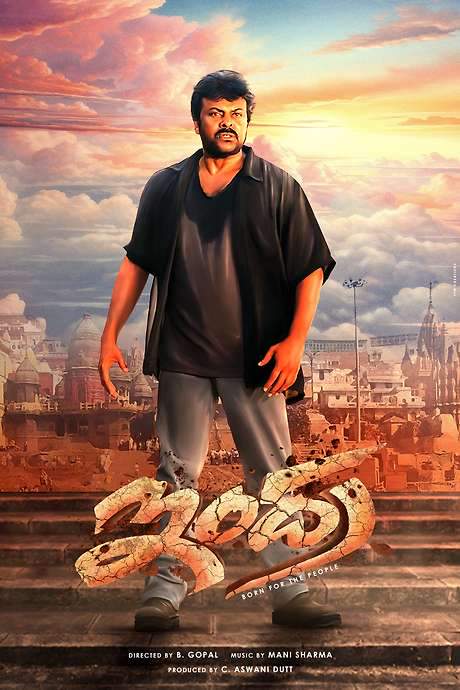

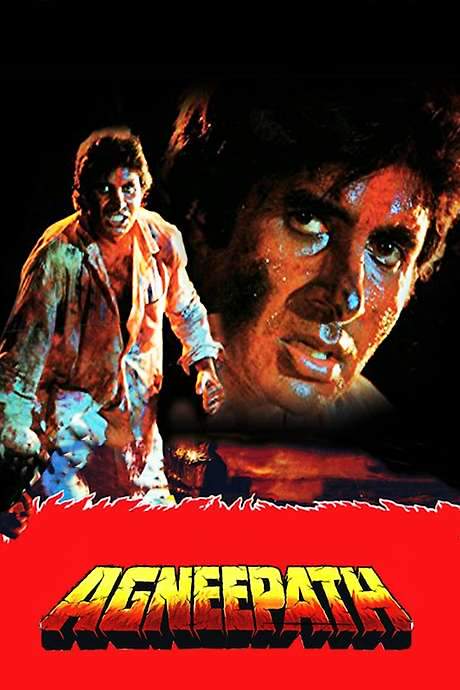


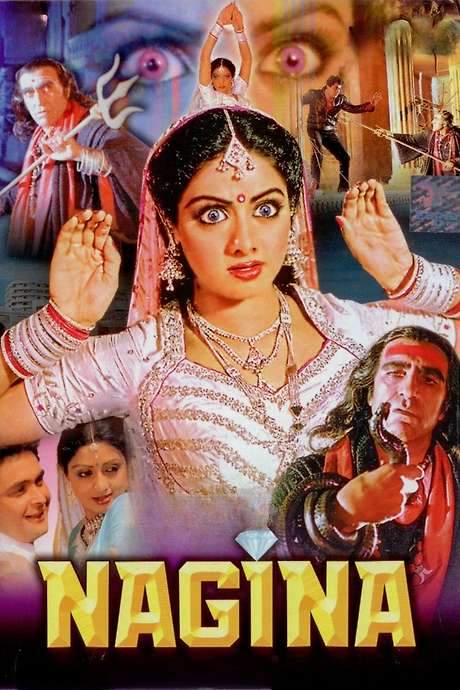


Featured on this page

What's After the Movie?
Not sure whether to stay after the credits? Find out!
Check out our other apps:

SAT Sphere
Build confidence for the Digital SAT.

Mori Atlas
Discover wild places worth protecting.

Luntero
Search smarter for a home in Amsterdam.

Plot Explained
Unravel movie endings and hidden clues.

Pokechamp
Dive into Pokémon data and battle logic.

Driving Theory
Get ready for your European theory test.

Movie Dust
Plan your next cinema trip with ease.

Musemap
Find art and culture as you travel.

Selkobase
Compare credentials before committing.

Local Manual
Turn an unfamiliar country into practical next steps.

Lernavi
Compare school systems before your next move.

GymRoam
Find a workout stop wherever your plans take you.
Explore Our Movie Platform
New Movie Releases (2026)
Famous Movie Actors
Top Film Production Studios
Movie Plot Summaries & Endings
Major Movie Awards & Winners
Best Concert Films & Music Documentaries
Movie Collections and Curated Lists
© 2026 What's After the Movie. All rights reserved.
Privacy Policy