

What Is Abracadabra About?
The premise of Abracadabra in 288 words, with nothing given away. The full story follows below.
In a modest Spanish neighborhood, everyday chores and silent resentments define the rhythm of family life. Carmen is a diligent housewife who balances the demands of her teenage daughter with a marriage that has grown cold and demanding. Her husband, Carlos, works in construction and often drifts into emotional distance, leaving her to navigate the gaps between duty and longing. The film opens with this domestic tableau, inviting viewers into a world where ordinary routines mask deeper unease.
A chance encounter at a wedding introduces an unexpected slip in reality: a brief, unsettling moment of hypnotic performance triggers a subtle shift in Carlos’s demeanor. Suddenly, the man she knows seems to carry a parallel presence—one that is more attentive, more charismatic, yet shadowed by an indefinable tension. The atmosphere tightens as the housewife senses that something unseen now shares her partner’s flesh, blurring the line between familiar affection and an uncanny intrusion.
Seeking answers, Carmen turns to an old friend, Pepe, a supermarket security guard with a hobby in hypnotism, and his mentor, Dr. Fumetti, who brings a scholarly curiosity to the strange occurrences. Their conversations weave together folklore, psychological intrigue, and a quiet dread that the ordinary may be haunted by forces beyond comprehension. The tone balances dark humor with lingering suspense, painting a portrait of a marriage tested by forces that are both intimate and otherworldly.
Through moody cinematography and a soundtrack that swells with melancholy, the film explores how love, fear, and identity intertwine when the familiar becomes foreign. Carmen’s journey is less about solving a supernatural puzzle and more about confronting the invisible weight that alters the dynamics of her life, hinting at a path where agency and self‑discovery may finally break the spell.
What Happens in Abracadabra?
The complete story of Abracadabra, from the first scene to the last, in 618 words (about 3 minutes). Spoilers throughout. Names in the text link to 1 cast member page.
Spoilers ahead
Carmen, Maribel Verdú, is married to Carlos, a rude, emotionally abusive construction worker who barely pays attention to his wife and their teenage daughter. One night, at a wedding, Carlos pretends to offer himself for the act of Carmen’s cousin Pepe, a supermarket security guard and amateur hypnotist, but instead sabotages Pepe’s performance as a prank. The joke backfires in a startling way when Carlos is unexpectedly touched by the hypnosis, briefly holding Pepe at knifepoint while everyone assumes it’s still part of the act.
From the following day, Carlos begins to slip between two personalities: one is the familiar, harsh husband, and the other is a charming, perceptive, almost magnetic version of himself. At first, Carmen is startled by the change, yet she can’t help feeling drawn to the kinder side. Her relief grows as the new persona appears more attentive and capable, but it’s tempered by a creeping suspicion that something sinister lies beneath this transformation when the second personality unleashes sudden, destabilizing bouts of psychosis.
To uncover the truth, Carmen seeks help from Pepe and his hypnotism mentor, Dr. Fumetti. Their investigation reveals a haunting explanation: Carlos possesses latent mediumistic abilities, and the failed hypnosis act opened a channel through which a dead man’s soul can temporarily inhabit him. As they dig deeper, they identify the restless spirit as Alberto “Tito” Cantero, a dancing prodigy who suffered from schizophrenia and murdered his mother before taking his own life in 1983.
The mystery intensifies in a club scene where Carlos, under Tito’s influence, performs with startling grace and energy beside Carmen, the moment underscored by Steve Miller Band’s song “Abracadabra.” Carmen, Pepe, and Dr. Fumetti attempt to lay Tito to rest with a séance conducted through the body of a dying old man, hoping to persuade the spirit to disengage from Carlos. But Tito’s ghost resists, insisting that it is in love with Carmen, and Carmen impulsively resists Dr. Fumetti’s plan to end the haunting by killing the old man, an act that would also destroy Carlos.
Time passes, and the Tito-possessed Carlos becomes increasingly unstable, haunted by disturbing visions of chimpanzees. At his new job as a steward, Tito threatens a wedding with a knife, and only Carmen and Pepe can prevent a catastrophe. To resolve the crisis, Pepe stages a hypnotism act for the guests, using it as a gateway into the depths of Carlos’s mind. Inside this shared mental space, Carmen encounters the separate personifications of Carlos and Tito, each pleading to take over the body, each promising to repair the life he ruined.
Carmen faces a harrowing choice: she navigates between the two, torn between a chance at a rebuilt life with Carlos and the possibility of leaving him behind. In a decisive moment, she chooses to sever Tito’s hold, using the mental knife as a metaphorical strike to send Tito’s presence away. When she awakens, she leaves the restaurant quietly, signaling her decision to abandon Carlos and seek a future free of the volatile cycle that bound them.
Throughout the tale, the film blends domestic tension with supernatural intrigue, painting a portrait of a marriage strained by control, fear, and longing for genuine connection. The storytelling balances moments of dark suspense with intimate character beats, inviting viewers to consider what a person owes to their partner, how memory and trauma shape identity, and whether love can endure or simply transform under pressure. In the end, Carmen’s resolve hints at a hard-won path toward autonomy and a life rebuilt away from the shadow of Carlos’s dual existence, leaving the door open to new beginnings even as the final image lingers on the consequences of the unseen forces that briefly visited their world.
Abracadabra Timeline: Every Key Event in Order
13 key events in the order they happen, from “Carlos sabotages Pepe's hypnotism act at the wedding” to “Carmen leaves to seek a new life”. 13 events name a place, across 12 locations.
- 1
Carlos sabotages Pepe's hypnotism act at the wedding
At the wedding reception, Carlos crashes Pepe's hypnotism act by stepping in and turning the joke into danger. He momentarily holds Pepe hostage with a knife, and the guests believe the danger is part of the act. The incident marks the beginning of his split into contrasting personalities.
When:Evening Where:Wedding reception
- 2
Carlos begins alternating personalities after the incident
Starting the next day, Carlos slips into a loving, charismatic persona that contradicts his usual rude behavior. Carmen is surprised and briefly thrilled by the change, hoping it means a better husband and father. But the eerie undercurrent of something unknown begins to surface.
When:The next day Where:Home
- 3
Carmen grows suspicious of the change
Carmen grows suspicious as the new persona occasionally exhibits troubling flashes and hints of danger. She senses a sinister force behind the transformation and starts to investigate. Her unease sets the stage for seeking outside help.
When:Weeks after the wedding Where:Home
- 4
Carmen seeks help from Pepe and Dr. Fumetti
Desperate for answers, she turns to Pepe and his hypnotism teacher, Dr. Fumetti. Together they begin to examine the strange events, considering supernatural explanations. They set in motion a collaborative effort to understand Carlos's condition.
When:Shortly after Where:Pepe's hypnosis studio
- 5
Investigation uncovers sleeping medium and spirit possession
The investigators uncover that Carlos may be a sleeping medium and that a dead man's soul forged a link with him after the failed hypnosis. They suspect the link is what causes the alternating personalities. The discovery reframes the phenomenon as a spiritual possession rather than mere mental illness.
When:During investigation Where:Pepe's studio / Dr. Fumetti's clinic
- 6
Identification of Tito Cantero's murder-suicide linkage
They trace the spirit to Alberto 'Tito' Cantero, a dancing prodigy who murdered his mother and died by suicide in 1983. Tito's biography explains the potential motive and the intense psychic residue surrounding his death. This revelation ties the haunting to a real, tragic past.
When:During investigation Where:Research room / archives
- 7
Club scene confirms the possession
In a club scene, Carlos dances with Carmen to Steve Miller Band's Abracadabra, displaying Tito's signature style. The performance confirms that Tito's spirit is actively inhabiting Carlos at times. The public display deepens Carmen's fear and determination to resolve the possession.
When:Later investigation / club scene Where:Club
- 8
Séance attempt to exorcise Tito
They stage a séance with a dying old man to coax Tito to leave Carlos's body, but Tito resists, claiming to be in love with Carmen. The ritual reveals the depth of the spirit's attachment and the danger it poses. The moment elevates the moral stakes for Carmen.
When:During séance Where:Séance room / dying old man's setting
- 9
Dr. Fumetti's destruction attempt halted
Carmen intervenes when Dr. Fumetti suggests destroying the old man to expel Tito, realizing that such an act would also kill Carlos. She chooses to halt the destructive plan and refuses to sacrifice Carlos. The decision keeps the tension high and preserves both lives in a precarious balance.
When:Immediately after séance Where:Séance location
- 10
Tito's growing threat and the wedding danger
Time passes and Tito-possessed Carlos becomes more unstable, tormented by visions of chimpanzees. At his job as a steward, his breakdown brings him to the brink of violence in front of a wedding crowd. Carmen and Pepe must act before he harms others.
When:Months later Where:Steward at a wedding venue
Show the other 3 events of Abracadabra Hide the last 3 events
- 11
Pepe stages a mind dive to confront the two personalities
Pepe stages a hypnotism act as a ruse to lure Tito and Carmen into the depths of Carlos's mind. The duo confront their mental representations and plead for control of the body. The exercise creates a climate of moral choice for Carmen.
When:Climax Where:Wedding venue
- 12
Carmen faces a choice in the mind space
Inside the mindscape, both personalities plead for dominance, and Carlos promises to reform if allowed to stay. Carmen, torn between love and safety, ultimately decides to act. She stabs Tito's mental representation with a symbolic knife, sending Tito's soul toward the afterlife.
When:Mind dive climax Where:Carlos's mind
- 13
Carmen leaves to seek a new life
After waking, Carmen quietly leaves the restaurant, signaling that she intends to abandon Carlos and pursue a better life. The moment marks a decisive break from their toxic marriage. The ending suggests Carmen seeks personal freedom despite the cost.
When:After the confrontation Where:Restaurant
Who Are the Main Characters in Abracadabra?
7 characters, among them Carmen (Maribel Verdú), Carlos (Antonio de la Torre) and Pepe (José Mota): who each one is and the part they play in the story. Every profile links to the actor’s page.
-

Carmen (Maribel Verdú)
Played by Maribel Verdú
Carmen is the abused wife who experiences a dramatic transformation as Carlos’s personality splits into two. Her arc follows her growing suspicion of the benevolent alter-ego and her determination to protect her daughter. The ending signals she chooses self-preservation and a chance for a safer life.
- 💔 Abusive relationship
- 🧠 Duality
- 🎭 Drama
-

Carlos (Antonio de la Torre)
Played by Antonio de la Torre
An emotionally abusive husband whose character fractures into Tito's charismatic host when hypnotized. The split reveals the harm of neglect and the fragility of identity under external influence. His alternating personas drive the danger and test Carmen’s resolve.
- 💔 Domestic abuse
- 🧠 Duality
- 🎭 Drama
- P(
Pepe (José Mota)
Played by José Mota
A supermarket security guard and amateur hypnotist who teams with Carmen and Dr. Fumetti to uncover the truth behind the possession. He guides the group through mind journeys and orchestrates the climactic mind-dive that exposes Tito’s spirit. He embodies curiosity, pragmatism, and courage in the face of the uncanny.
- 🧠 Hypnosis
- 🎭 Drama
-
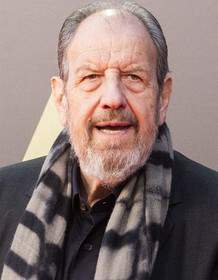
Dr. Fumetti (Josep Maria Pou)
Played by Josep Maria Pou
An odontologist and hypnotism teacher who provides scientific context for the haunting. He participates in the séance, helping translate the supernatural events into a rational framework. His involvement anchors the investigation and highlights the clash between science and spirit.
- 🧪 Science
- 💡 Insight
-

Tito (Quim Gutiérrez)
Played by Quim Gutiérrez
The dead dancing prodigy whose spirit intermittently possesses Carlos, delivering dazzling performance on the dance floor and deadly visions off it. Tito’s memory and longing complicate the struggle for control and fuel Carmen’s dilemma. His presence intensifies the tension during the film’s signature club scene.
- 💃 Dance
- 👻 Possession
- T(
Toñi (Priscilla Delgado)
Played by Priscilla Delgado
Carmen's teenage daughter who witnesses the family’s upheaval. She embodies the vulnerable side of the supernatural events and the stakes of Carmen’s choice. Her perspective grounds the drama in real-world consequences for the family.
- 👧 Family
- 🌟 Teen
- M(
Mariano (Saturnino García)
Played by Saturnino García
An elderly man who becomes the vessel for the séance and the dead spirit. He offers a living conduit for Tito’s haunting and symbolizes the risks of ritual intervention on aging bodies. His role is pivotal in the film’s climactic spiritual confrontation.
- 👴 Elder
- 🕯️ Ritual
Where and When Is Abracadabra Set?
Abracadabra is set in Spain (Late 20th century). Here is why the time and place matter to the story.
When
Late 20th century
The narrative unfolds between present-day late 20th-century Spain and a backstory set in 1983. A key cultural marker is the 1980s–early 1990s atmosphere, underscored by the club scene’s era-appropriate soundtrack. The period texture anchors the film’s blend of psychological drama and supernatural elements.
Where
Spain
Set in modern urban Spain, the story moves through a family wedding, a club, and a restaurant where tension erupts. The city’s everyday venues ground a supernatural thriller, contrasting domestic life with danger and otherworldly interference. The settings emphasize intimate spaces where private fears spill into public moments.
- 🏙️ Urban Spain
- 🎭 Contemporary drama
What Are the Themes of Abracadabra?
3 ideas the story keeps returning to, among them Duality, Possession and Choice.
-
01
Duality
Two personalities inhabit one body: Carlos's abusive husband persona and Tito's charismatic dancer spirit. The film explores how trauma and memory shape identity and how masks can hide dangerous truths. Hypnosis and spiritual possession blur the lines between science and the supernatural, forcing Carmen to navigate competing loyalties.
-
02
Possession
A dead dancer's spirit forges a link with Carlos after a failed hypnosis, leading to dangerous possession within the living body. The séance scenes and mind-dive sequences reveal the persistence of unresolved violence and the fear it creates. The boundary between the seen and unseen drives the tension and raises questions of consent and control.
-
03
Choice
Carmen’s decisions propel the story toward a moral confrontation: protect her daughter and herself while breaking free from a destructive relationship. The film frames love as a risky negotiation between devotion and autonomy. Her ultimate act—balancing compassion with self-preservation—defines the ending.
What Kind of Film Is Abracadabra?
Dark in tone, with steady pacing and a moderate story, going by the plot summary.
- Tone
- Dark
- Pacing
- Steady
- Story
- Moderate
- Intensity
- Medium
- Ending
- Bittersweet
An unsettling domestic drama that blends dark humor with psychological tension, following a housewife's anxious struggle as her husband's personality is unpredictably taken over by a troubled ghost.
- unsettling
- anxious
- darkly humorous
- melancholic
- claustrophobic
- dreamlike
- marriage crisis
- supernatural possession
- mental illness
- identity struggle
Content notes: domestic abuse, psychological horror, knife violence, suicide reference, murder reference, hallucinations.
Quiz
How well do you remember Abracadabra? Test yourself on the story.


