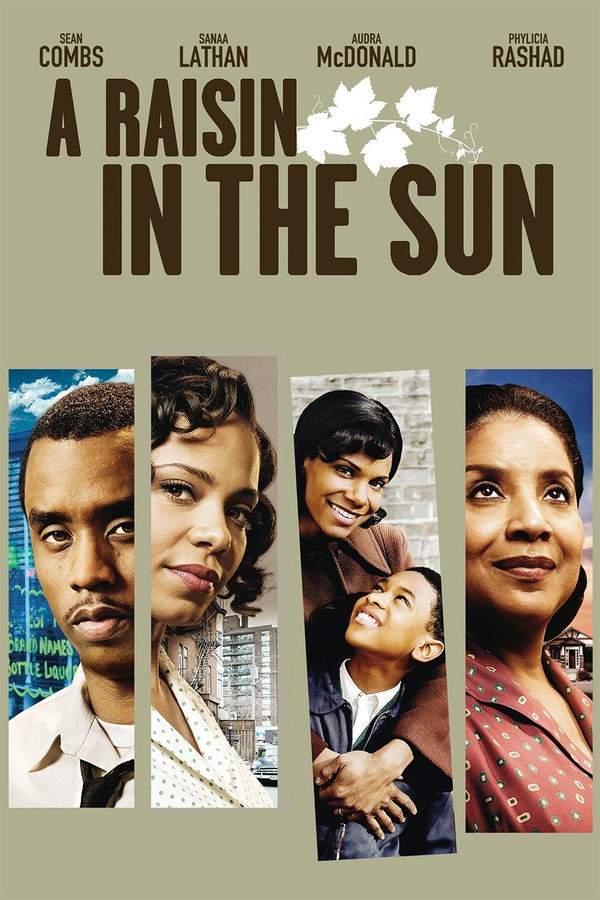
What Is A Raisin in the Sun About?
The premise of A Raisin in the Sun in 329 words, with nothing given away. The full story follows below.
In the cramped apartment of Chicago’s South Side, the wind off the lake carries both the scent of opportunity and the weight of years‑long struggle. The Younger family wakes to the sudden arrival of a $10,000 life‑insurance check after the death of the patriarch, a sum that instantly becomes a catalyst for hopes and doubts. The 1950s backdrop frames a world where cramped quarters, bustling neighborhoods, and the promise of a better future clash with the harsh realities of segregation and financial precarity.
Walter Lee is a restless dreamer whose pride fuels a yearning to turn the money into a business that could lift his family out of poverty, while Lena, the matriarch, clings to a quieter, longstanding vision: a house of her own, a place of stability that her late husband once imagined. Beneatha sees the windfall as a ticket to a medical education and a step toward self‑definition, and Ruth simply hopes the cash will ease the daily grind for her husband, her son Travis, and herself. Each member carries a distinct aspiration, and their conversations crackle with a mixture of optimism, frustration, and the ever‑present fear of failure.
The family’s deliberations echo the broader tensions of a community caught between the desire to move forward and the forces that seek to hold them back. As they weigh the allure of a new home against the promise of an entrepreneurial venture, the apartment buzzes with lively debate, laughter, and moments of quiet reflection. The tone is intimate yet expansive, capturing the heat of arguments and the tenderness of shared dreams, all underscored by the palpable sense that a single decision could reshape their collective destiny.
Amid the bustling streets and whispered doubts of neighbors, the Younger family stands at a crossroads where personal ambition meets societal pressure. The atmosphere is charged with possibility, inviting the audience to feel the pull of each path and wonder which future will ultimately emerge from the choices they dare to make.
What Happens in A Raisin in the Sun?
The complete story of A Raisin in the Sun, from the first scene to the last, in 643 words (about 3 minutes). Spoilers throughout. Names in the text link to 12 cast member pages.
Spoilers ahead
In 1959 Chicago, Walter Lee Younger and his family stand at a crossroads as they await a $10,000 life insurance check after the death of Walter Lee Sr., their father and a figure who dreamed of a better life. The money becomes a focal point for competing dreams: Ruth Younger hopes it will ease daily burdens for her husband, her son Travis Younger, and herself, while Beneatha Younger envisions funding her medical school education. Yet tension threads through every plan, as Lena Younger, their mother, longs to use the money to buy a house she and her late husband once dreamed of, a symbol of stability and possibility.
At the Green Hat club, Walter Lee Younger and his friend Willy Harris plot a liquor store venture, encouraged by [Willy Harris] to seek a license through others in Springfield and to position the shop near the club. The idea excites Walter, who believes it could lift the family out of poverty and grant him pride, yet it clashes with Lena’s vision of home and safety.
The morning after the check arrives, the household learns that Ruth Younger is pregnant again, a revelation that intensifies worries about money and future. Beneatha Younger invites Joseph Asagai to dinner, hoping to share culture and deepen her own sense of identity, though she mocks his earnestness and misreads his affection.
When the news of the inheritance reaches them, Walter shares his liquor-store plan with Lena, who expresses mixed pride and concern. Lena reveals she has used part of the money to buy a house in a nearby neighborhood—an act that fills some with joy and others with unease, especially [Walter Lee Younger], who feels he isn’t getting his share of the dream. Afterward, Lena receives a call from Mrs. Arnold about Walter’s absence from work, pushing Lena to locate him at the Green Hat. He returns reluctantly, while Ruth tries to navigate the abortion conversation with the help of Miss Tilly, a salon worker who briefly shows them the process before Ruth changes her mind.
Later, the family faces a pivotal moment at their apartment: Lena discloses that she spent $3,500 on the new house, leaving about $6,500 for the rest of the family’s ambitions. Lena suggests that Beneatha Younger should have a portion reserved for her medical school tuition, and she urges Walter to allocate the remaining funds accordingly.
As the Youngers explore their potential new home, their white neighbors express hostility and fear of change. A representative from the Clybourne Park Improvement Association, Karl Lindner, arrives with a plan to buy them out and keep the area segregated, but the family refuses the offer, choosing to stand together.
The situation worsens when Bobo arrives with troubling news: he admits he handed all the money to [Willy Harris] and that [Willy Harris] never appeared at the train station. Walter returns with the truth about the lost funds, leaving the family stunned and shaken by the betrayal.
In the days that follow, Joseph Asagai consoles Beneatha Younger as they work to maintain hope in the face of setback. Ruth contemplates possibilities but clings to the dream of a stable home, while Walter Lee Younger explains his worldview by describing life as a struggle between “the takers and the tooken.” The line echoes the conflict tearing at the family’s unity and tests their resolve.
When Karl Lindner returns to finalize the sale, Walter makes a decisive turn. He refuses to surrender their dream to satisfy fear and prejudice, and he chooses to move the family into the new house. The Younger family steels themselves for the move, determined to claim a place of their own despite the opposition they faced, and the film closes with their plan to begin anew in Clybourne Park, ready to face whatever comes next with new-found dignity and solidarity.
“the takers and the tooken,”
A Raisin in the Sun Timeline: Every Key Event in Order
13 key events in the order they happen, from “Life insurance check arrives” to “Final plan: moving into Clybourne Park”. 13 events name a place, across 7 locations.
- 1
Life insurance check arrives
The Younger family learns they will receive a $10,000 life insurance payout after Big Walter's death. Each member envisions different uses for the money, revealing their competing dreams. Walter Lee hopes the funds will launch a liquor store venture to lift the family out of poverty.
Where:Chicago, Illinois
- 2
Green Hat liquor store plan
Walter Lee and Bobo discuss opening a liquor store as a route to prosperity. Willy Harris chips in with tips about obtaining a business license and moving the operation closer to the Green Hat. The plan grows more concrete, while Lena watches warily from the sidelines.
Where:Green Hat club
- 3
Ruth's pregnancy revealed
The next day, Beneatha and Lena discover Ruth is two months pregnant and anxious about the added financial strain. Ruth fears she cannot provide for another child and worries about the future. The revelation compounds the family’s urgency to decide how to use the insurance money.
Where:Youngers' apartment
- 4
Beneatha's Nigerian dress and date
Beneatha dresses in Nigerian attire for a date with George Murchinson; she is wary of his dismissive attitude toward her heritage. George belittles her background, while Walter barges in boasting about his own prospects. The scene underscores conflicting ambitions within the family.
Where:Youngers' apartment
- 5
House purchase announced
Lena reveals she spent $3,500 on a house in Clybourne Park, delivering unexpected news to the family. Walter’s dream of a liquor business clashes with Lena’s commitment to homeownership. The revelation shifts the focus from quick wealth to long-term security.
Where:Youngers' apartment
- 6
Walter misses work; Lena locates him
Mrs. Arnold calls to report Walter missing from his job, prompting Lena to take action. She eventually finds him at the Green Hat, where he reluctantly returns to work. The moment exposes the fragility of his ambitions and the strain it places on the family.
Where:Green Hat club
- 7
Ruth considers abortion; changes mind
Ruth seeks an abortion with Miss Tilly's help but learns about the procedure and then decides against it, leaving the salon with a new resolve. The pregnancy remains a central concern for the family as they confront money troubles. Ruth’s choice adds another layer to the household’s decisions.
Where:Miss Tilly's salon
- 8
Lena reveals house money and tuition plan
In a cafe, Lena explains she spent $3,500 on the house, leaving $6,500 to allocate. She tells Walter to set aside $3,000 for Beneatha’s medical school tuition and keep the rest for himself. The exchange highlights the rift between Lena’s practical dream and Walter’s elusive ambition.
Where:Cafe
- 9
New house tour and Lindner visit
The Youngers tour the new house, which provokes the white neighbors’ disgust. Karl Lindner from the Clybourne Park Improvement Association arrives with an offer to buy them out. The family refuses the deal, asserting their right to move into the home.
Where:Clybourne Park neighborhood
- 10
Bobo reveals the missing money
Bobo arrives at the apartment with the devastating news that he gave all the insurance money to Willy Harris, who never showed up at the train station. Walter processes the betrayal and the collapse of his plans. The family confronts the reality of being defrauded.
Where:Youngers' apartment
Show the other 3 events of A Raisin in the Sun Hide the last 3 events
- 11
Walter seeks more money from Lindner
Walter explains that he intends to contact Karl Lindner for additional funds to salvage the house plan. The moment shows a desperate bid to salvage the dream and a growing sense of responsibility toward the family. Tensions rise as the plan teeters on the edge of collapse.
Where:Youngers' apartment
- 12
Move-in decision and final resolve
Lindner arrives to sign the papers, but Walter has a change of heart and refuses the deal. He declares the family will move into the house, reclaiming their choice and dignity. The Youngers prepare to leave their apartment and begin a new chapter.
Where:Youngers' apartment
- 13
Final plan: moving into Clybourne Park
The family commits to moving into their new home in Clybourne Park, despite ongoing controversy. They rally around each other and look toward a hopeful future. The film ends with the Youngers stepping into a new chapter together.
Where:Clybourne Park
Who Are the Main Characters in A Raisin in the Sun?
11 characters, among them Walter Lee Younger (Walter) – Sean Combs, Lena Younger (Mama) – Phylicia Rashad and Ruth Younger – Audra McDonald: who each one is and the part they play in the story. Every profile links to the actor’s page.
- WL
Walter Lee Younger (Walter) – Sean Combs
Played by Sean Combs
A prideful, impulsive chauffeur who equates money with status and security. He envisions a liquor store as a fast track to independence, but his single-minded pursuit strains family bonds and exposes the fragility of his dreams. Over the course of the story, he must confront the consequences of his decisions and what it means to lead the family.
- 🔥 Ambition
- 🧩 Family loyalty
- 🗣️ Pride
- LY
Lena Younger (Mama) – Phylicia Rashad
Played by Phylicia Rashād
The matriarch who anchors the family with quiet strength and practical wisdom. She chooses to invest in a house instead of indulging every dream, embodying hope and responsibility. Her decisions reveal a deep love for her family and the burden of stewardship she bears.
- 💪 Leadership
- ❤️ Family
- 🏠 Homeownership
-

Ruth Younger – Audra McDonald
Played by Audra McDonald
Walter’s wife, practical and tired of financial strain. She carries the weight of pregnancy and the family's future, weighing abortion against continuing the pregnancy. Her resilience keeps the family hopeful even amid doubt and disappointment.
- 🤝 Resilience
- 👪 Family
- 🧭 Practicality
-

Beneatha Younger – Sanaa Lathan
Played by Sanaa Lathan
Intellectual and striving for medical school, she explores her Nigerian heritage and rejects conventional norms. She challenges Walter’s plan and seeks independence, representing the younger generation’s push for identity and self-definition.
- 🧠 intellect
- 🌍 Heritage
- 🧭 Identity
-

Joseph Asagai – David Oyelowo
Played by David Oyelowo
A friend and possible romantic interest for Beneatha, he brings cultural pride and a contrasting view on heritage. His presence adds a dimension of cross-cultural exchange and intellectual curiosity.
- 🌍 Culture
- 💡 Intellectual
- ❤️ Romance
-

George Murchison – Sean Patrick Thomas
Played by Sean Patrick Thomas
A wealthy, polished neighbor who embodies assimilation and status through success. He clashes with Beneatha's views and exposes the tension between wealth, class, and cultural authenticity.
- 💼 Wealth
- 🧭 Identity
- 🗣️ Debate
- WH
Willy Harris – Ron Cephas Jones
Played by Ron Cephas Jones
Walter’s friend who influences the illicit liquor venture and ultimately betrays the family trust by misappropriating the money. His actions catalyze a major turning point in the family’s fortunes.
- 💰 Betrayal
- 🧩 Risk
- 🕴️ Friendship
- B–
Bobo – Bill Nunn
Played by Bill Nunn
Walter’s partner in the failed business scheme whose double-cross costs the family the money. His actions precipitate a crisis that tests the Youngers’ resilience and unity.
- ⚖️ Betrayal
- 🧠 Strategy
- 🧭 Risk
- MT
Miss Tilly – Yanna McIntosh
Played by Yanna McIntosh
A salon worker who provides Ruth with information and support during a difficult moment, representing practical help from the community.
- 🫶 Help
- 🏥 Community
- 🗨️ Advice
- MA
Mrs. Arnold – Rosemary Dunsmore
Played by Rosemary Dunsmore
Walter’s employer’s wife who prompts Lena to address Walter’s absence from work, highlighting the pressure and responsibility surrounding a working family.
- 👔 Workplace
- 🕰️ Responsibility
- 🧭 Social pressure
- CL
Carl Linder – John Stamos
Played by John Stamos
The polite but condescending businessman who offers to buy out the Youngers to keep the neighborhood white, representing discriminatory deals and the moral test the family faces.
- 🤝 Discrimination
- 🧭 Morality
- 🏠 Real estate
Where and When Is A Raisin in the Sun Set?
A Raisin in the Sun is set in Chicago, South Side, Green Hat club and Clybourne Park (1959). Here is why the time and place matter to the story.
When
1959
Set in the late 1950s Chicago, the film sits at the edge of the civil rights era in urban America. Housing discrimination and social scrutiny color the Younger family’s choices, turning money into a symbol of opportunity and peril. The era's restrictions heighten the stakes of every decision the family makes about home, work, and identity.
Where
Chicago, South Side, Green Hat club, Clybourne Park
Set in 1959 Chicago's South Side, the story centers on the Younger family's apartment, the Green Hat club, and the white-dominated streets of Clybourne Park. The city serves as a backdrop where dreams of home ownership collide with discrimination and social scrutiny. The film uses these locations to explore family life under pressure and the pursuit of a better future.
- 🏙️ Urban
- 🧭 Race relations
- 🏠 Housing
What Are the Themes of A Raisin in the Sun?
3 ideas the story keeps returning to, among them Dream vs Reality, Home and Belonging and Racism and Housing.
-
01
Dream vs Reality
The Younger family clings to a dream of upward mobility after receiving the life insurance check, but different goals pull the family in conflicting directions. Walter wants a business venture to prove his worth, while Lena seeks a secure home for her family. The tension between aspiration and practical consequence drives the narrative and forces tough choices.
-
02
Home and Belonging
The central promise of a house in a better neighborhood becomes a symbol of dignity and security. Each character measures success through the lens of home, from Lena’s purchase to Walter’s desire to control the money. The community’s reaction—both support and hostility—tests what it means to belong.
-
03
Racism and Housing
Discrimination and racial tensions are woven into the plot through neighborhood resistance and the offer from Karl Lindner. The struggle to keep their money and move into a white neighborhood highlights the social barriers of the era. The Younger family's defiance towards exclusion becomes a statement of courage and identity.
What Kind of Film Is A Raisin in the Sun?
Hopeful in tone, with steady pacing and a moderate story, going by the plot summary.
- Tone
- Hopeful
- Pacing
- Steady
- Story
- Moderate
- Intensity
- Medium
- Ending
- Bittersweet
An emotionally heavy and tense family drama set in 1950s Chicago, where the struggle for dignity and a better life creates constant friction, yet culminates in a final, hopeful act of defiance against prejudice.
- hopeful
- tense
- dignified
- oppressive
- frustrating
- melancholic
- family conflict
- racial discrimination
- pursuit of dreams
- poverty
Content notes: racial discrimination, financial loss, abortion (contemplated).
Quiz
How well do you remember A Raisin in the Sun? Test yourself on the story.